Biella is Italy's least-known province to foreign tourists and the most surprising to those who discover it. The city is the world capital of luxury textiles: 40% of the fine wool fabrics produced worldwide come from this industrial district at the foot of the Biella Alps. Ermenegildo Zegna, Vitale Barberis Canonico, Reda, Loro Piana, Angelico — names found in the labels of Armani, Gucci and Chanel garments — are Biella companies. But the territory is much more than textiles. Around the city: abandoned medieval villages (Ricetto di Candelo, one of Europe's most complete), a funicular connecting the lower city to the medieval Piazzo, the Oasi Zegna — 100 square kilometres of mountain opened to the public with trails, waterfalls and an alpine rose garden — and a concentration of Romanesque churches in the countryside among the highest in Piedmont.
Biella: the Piazzo and the Funicular
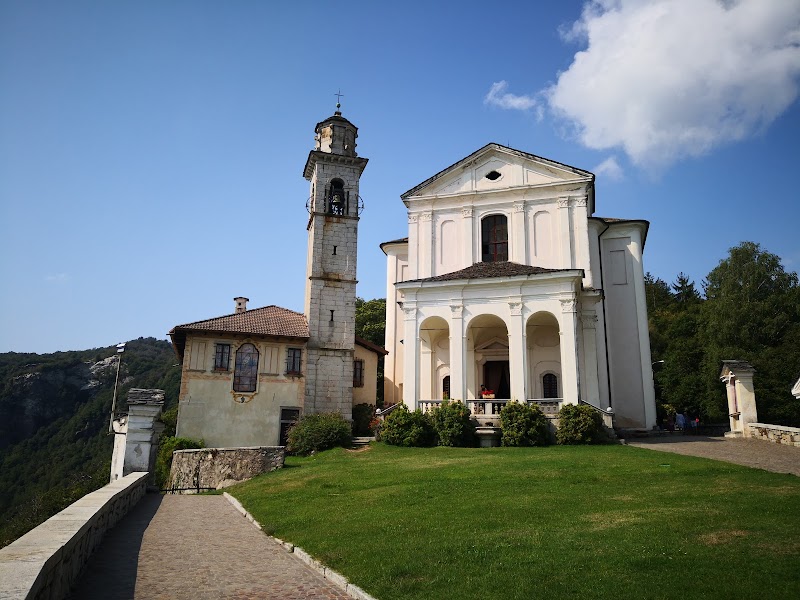
Biella is composed of two superimposed nuclei: the modern Piano district (below) and the medieval Piazzo (on top of the hill). The historic funicular (1885, one of Italy's oldest still operating, €1.10 return ticket, operates 7am-8pm) connects them in 2 minutes. The Piazzo is an intact 14th-15th century medieval village with brick houses, arcades, the Basilica of San Sebastiano and quiet squares with almost no shops — it has remained this way because it was only accessible on foot or by funicular, which slowed commercial tourism. It now has a few quality restaurants and B&Bs. Descending by funicular in the evening when the lights are on is worth the visit alone. The Baptistery of Biella (adjacent to the Cathedral in Piano, 11th century) is one of Piedmont's best-preserved early Christian baptisteries. Getting there: train from Turin Porta Nuova changing at Santhià or Novara (1h 15'-1h 30', €7.50-9); by car 65km (A4 east, exit Carisio then SP338, 50 minutes).
The Ricetto di Candelo
The Ricetto di Candelo (BI, 8km from Biella, reachable by car or local bus) is one of the most complete and best-preserved medieval ricetti in Europe. A ricetto was a fortified enclosure built in the 14th-15th century by rural communities to protect harvests and essential goods during invasions — not a permanently inhabited village but a refuge. The Ricetto di Candelo is intact: medieval perimeter walls, entrance tower, 270 underground cellars still used today to store local wine, cobbled alleys, silence. The local community still uses the cellars — some are open for tastings by appointment. Free entry to the exterior; cellars visit with guide (€5-8, book with Pro Loco Candelo, tel. 015 2536342). The Ricetto Market is held the second Sunday of each month April-October — local produce, crafts, Biella wines.
The Oasi Zegna: a Family's Mountain
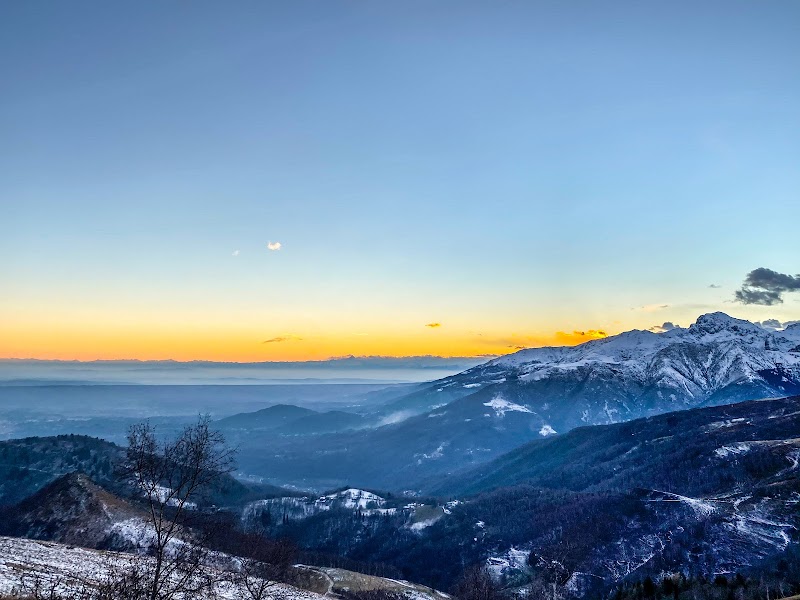
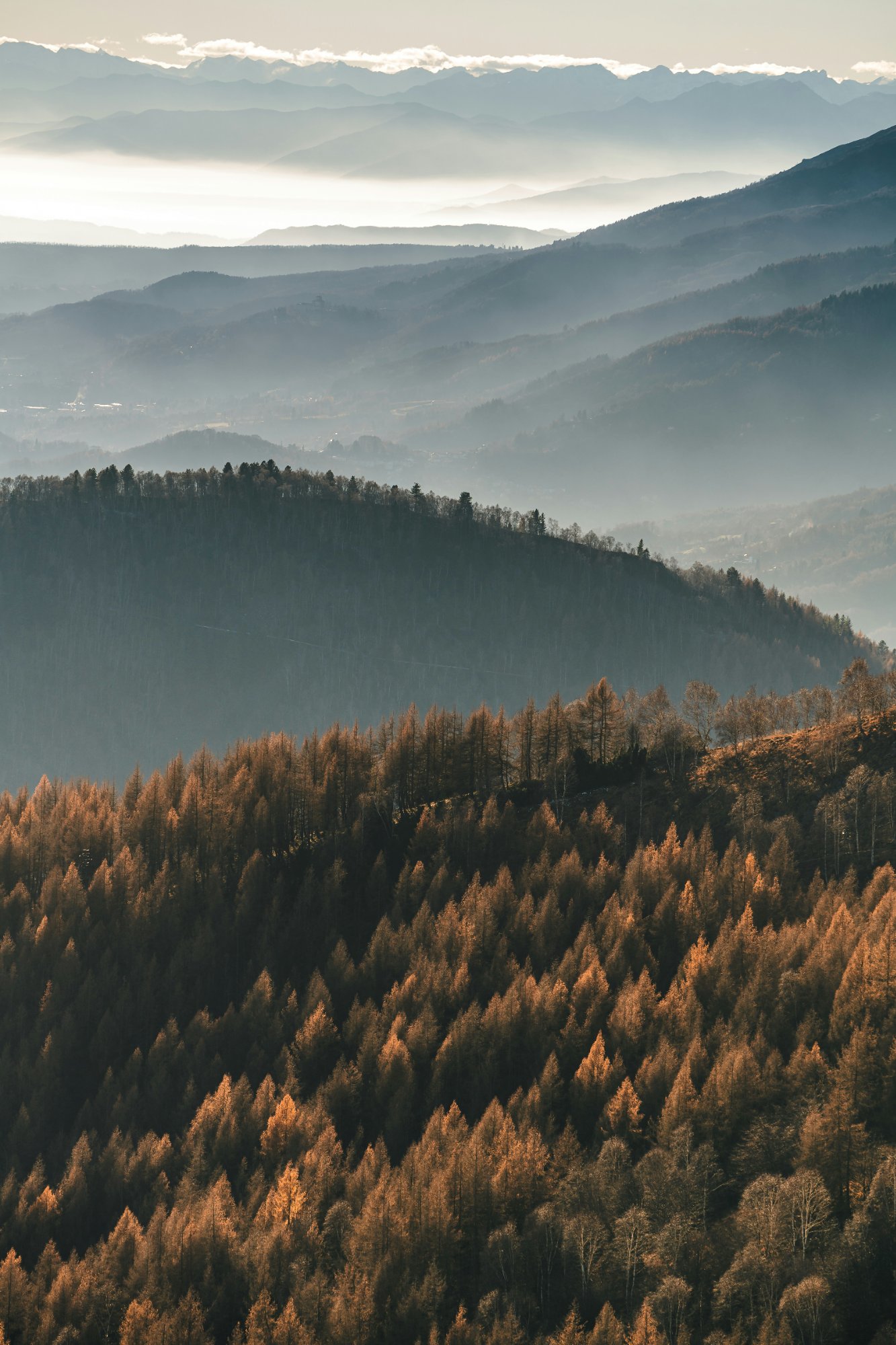
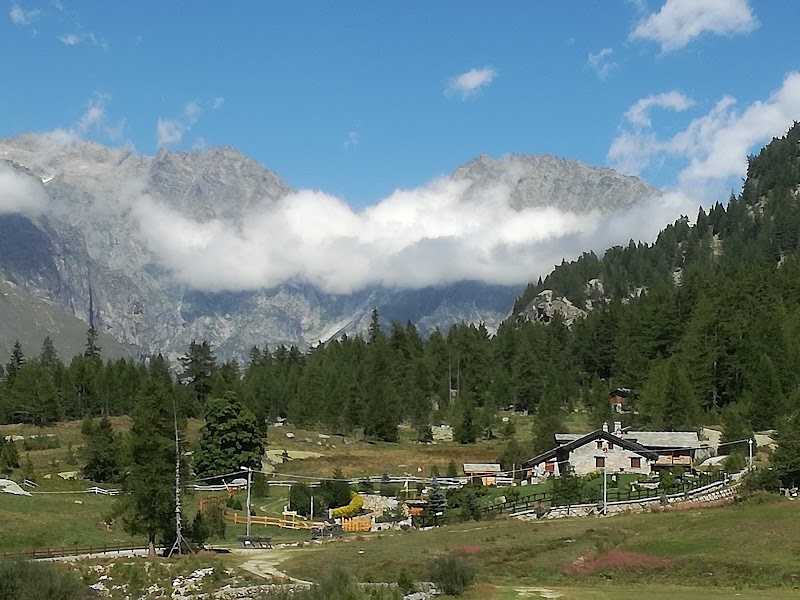
The Oasi Zegna is one of the most generous acts of natural patronage in 20th-century Italy. Ermenegildo Zegna, founder of the eponymous fashion house, planted between 1930 and 1960 some 500,000 conifers and deciduous trees on the Biella mountains, built the Panoramica Zegna (a 14km panoramic road climbing from Biella to 1,400m on Monte Bocchetto Sessera) and opened the entire area to the public — no tickets, no restrictions. Today the Oasi Zegna covers 100 square kilometres and includes: marked trails for all levels (2-7 hours), a collection of 900 alpine roses in the Roberto Zegna Rose Garden (flowering June-July, free entry), the Cascate del Sasso (easily reached from the car park), the Rifugio Bocchetto Sessera (1,388m, open summer, tel. 015 745042, meals and accommodation). The Panoramica Zegna is also cyclable by mountain bike — the ascent from Biella is 700m elevation over 14km.
The Textiles: Outlets and Factories
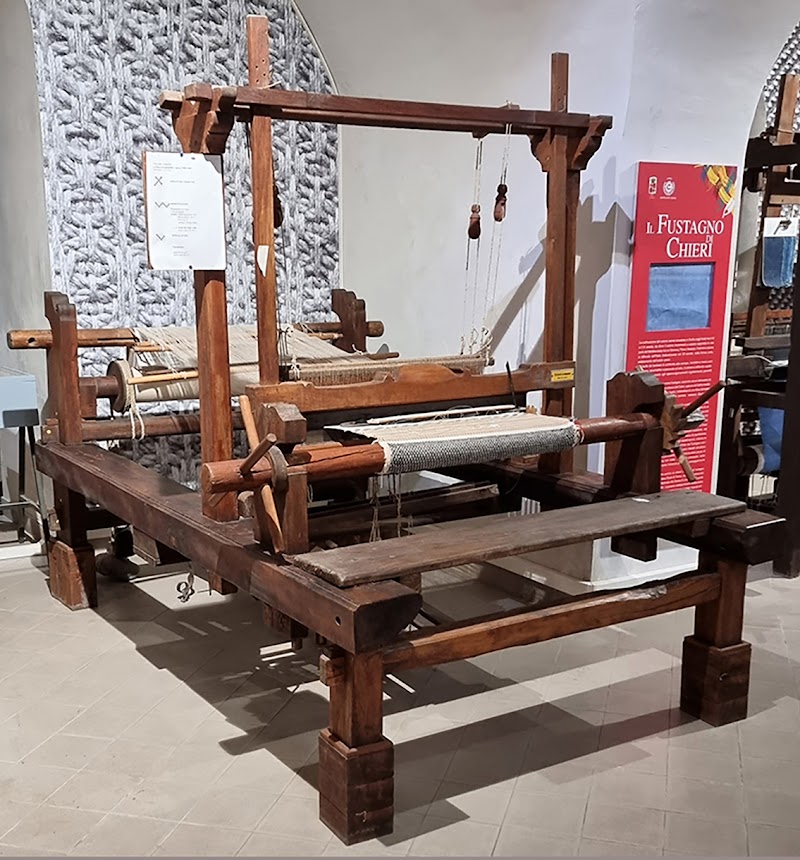
The Biella textile district produces 40% of the world's fine wool. Ermenegildo Zegna, Vitale Barberis Canonico (founded 1663 — the world's oldest active fabric producer), Reda and Angelico are the main maisons selling directly at company outlets. The Zegna Outlet (Trivero, 15km from Biella, open Monday-Friday 9am-6pm, Saturday 9am-1pm) sells suits, fabric by the metre and accessories at factory prices — a Zegna suit at the outlet costs €300-500 versus €800-1,200 retail. Vitale Barberis Canonico (Pratrivero): fabric by the metre at €30-150/metre, the quality found in Loro Piana and Brunello Cucinelli jackets. The Museo del Territorio Biellese (Via Quintino Sella 54, Tuesday-Sunday 9am-12:30pm and 2:30-6:30pm, €5) has a section dedicated to the textile industry and the Biellese entrepreneur families who built an industrial district without equal in Italy.
Practical tips
The Piazzo funicular (€1.10 return, since 1885) is the correct way to reach the medieval village — walking up and down is tiring and unrewarding
The Ricetto di Candelo is completely different from any other medieval village in Piedmont — it was not inhabited, it was a bunker for harvests. Free exterior entry, cellars by appointment
The Oasi Zegna is free, always open and covers 100 square kilometres — it is not a paid park but a mountain gifted to the public by a private family in the 1930s
The Zegna outlet in Trivero (15km from Biella): suits and fabrics at factory prices. A suit retailing at €800 costs €300-500 here. Open Monday-Friday, Saturday morning
The Roberto Zegna Rose Garden in the Oasi Zegna (900 alpine roses, flowering June-July, free entry) is one of the most unusual botanical installations in the Piedmontese Alps
Plan your trip
Personalised day-by-day itinerary in 5 minutes — restaurants, hotels, live events.
Plan now