Liguria is not a region of ordinary villages. From Vernazzo to Riomaggiore, from Manarola's vertiginous terraces to Dolceacqua's tortuous caruggi alleyways, each medieval village preserves a story of human resistance against savage geography. These communities, perched on sheer cliffs above the Tyrrhenian Sea or hidden within inland valleys, represent the pinnacle of Ligurian civilization: where stone meets water, where ancient vines grow on hand-built stone walls, where fishermen still sell their honest-priced Monterosso anchovies today. This guide leads you through the five UNESCO World Heritage villages of Cinque Terre and beyond, toward authentic corners where tourists have yet to trace worn paths. Prepare yourself to climb vertiginous staircases, taste hand-mortared pesto in silent squares, to sleep in rooms overlooking the sea directly.

Five UNESCO Villages: Masterpieces of Liguria
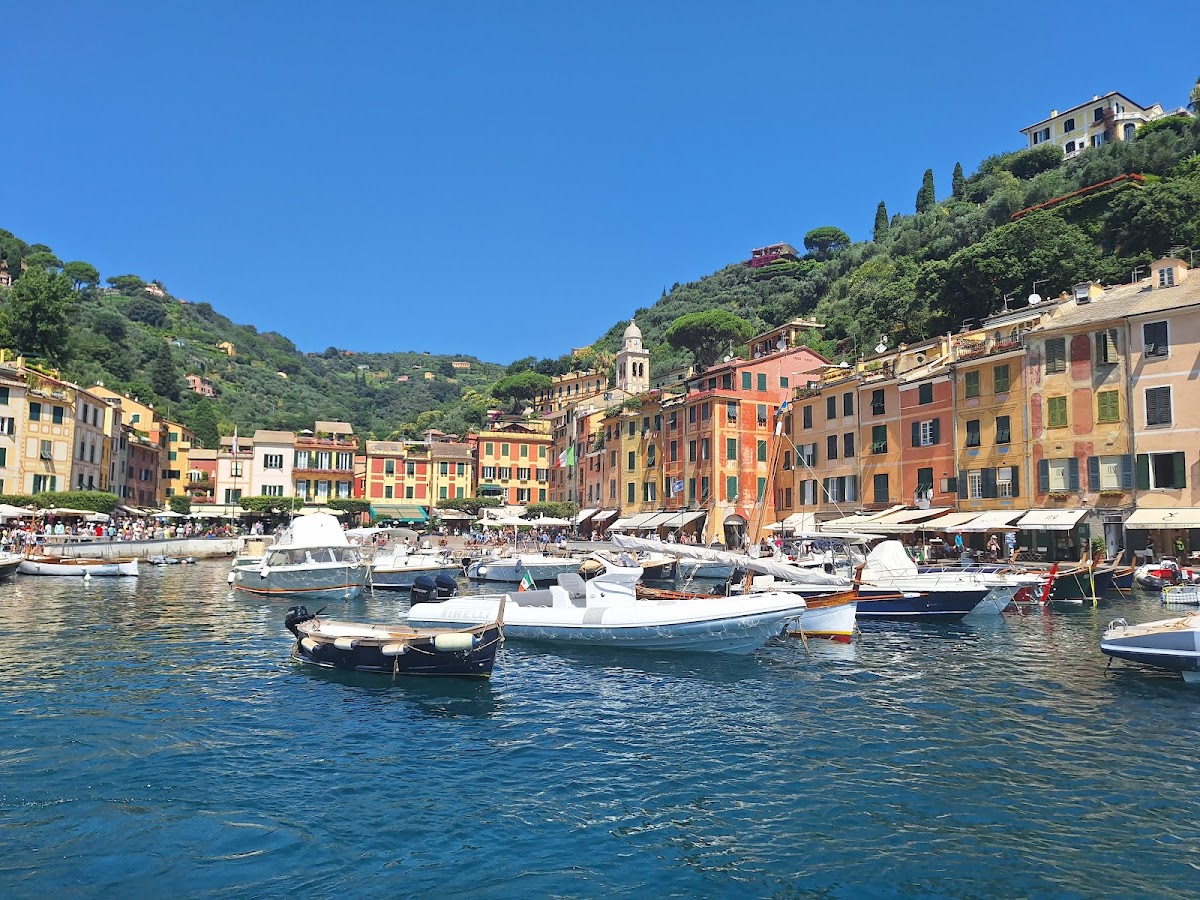
Riomaggiore, Manarola, Corniglia, Vernazzo, and Monterosso al Mare form the umbilical cord of Ligurian tourism, yet they preserve an authenticity that cannot be bought. Riomaggiore, with its narrow caruggi alleyways and colored houses descending in terraces toward the port, remains the most accessible yet least commercialized village of Cinque Terre. Rooms at Affittacamere Scorci Di Mare Riomaggiore position you directly on the waterfront, where sunset illuminates facades in yellow and orange. Manarola is instead the epitome of picturesqueness: its semicircular harbor framed by Renaissance houses has been photographed millions of times yet maintains an air of familial intimacy. The exceptional Ca' del Monica dominates the harbor, offering direct access to UNESCO terrace trails. Vernazzo represents the pinnacle of balance: large enough to offer quality dining like Cinque Sensi Vernazzo, small enough to maintain the feeling of village life. Monterosso al Mare, the largest of the five, possesses a true sandy beach and a living fishing community. Il Frantoio here serves Slow Food-certified Monterosso anchovies with hand-mortared pesto in its purest form. Corniglia, reachable only on foot through terraced paths, remains the most authentic: no port, no motorized tourism, only staircases and Sciacchetrà wine.

Medieval Architecture: Towers, Churches and the Geometry of Survival
Ligurian medieval architecture is not ornamental—it is functional, built by people who had to resist Barbary pirates, Tyrrhenian storms, and gravity itself. Vernazzo still presents its original twelfth-century defensive tower, dominating the main square from the sea side, a feat of engineering that blends military defense with formal beauty. The Church of San Giacomo in Vernazzo, with its black-and-white slate-striped facade, represents Genoese influence in Ligurian ecclesiastical design. In Monterosso, the Church of San Giovanni Battista (14th century) rises on the promontory with a majolica dome that captures sunset light like a lantern. The caruggi—those extraordinary narrow alleyways threading through villages—were not casual: designed for natural ventilation and defense against maritime attacks, they transform every walk into a tactile experience of smooth stone and sea humidity. The Church of Corniglia dedicated to Santa Margherita d'Antiochia rests perched on 33 steps that separate it from the harbor: this vertical distance was not aesthetic choice but survival strategy. Dolceacqua, inland, reveals even more medieval architecture: the Doria castle has dominated the village since the twelfth century, and the sixteenth-century single-arch Romanesque bridge remains one of Liguria's finest bridges.

Authentic Life: Markets, Festivals and the Sagre of the Sea
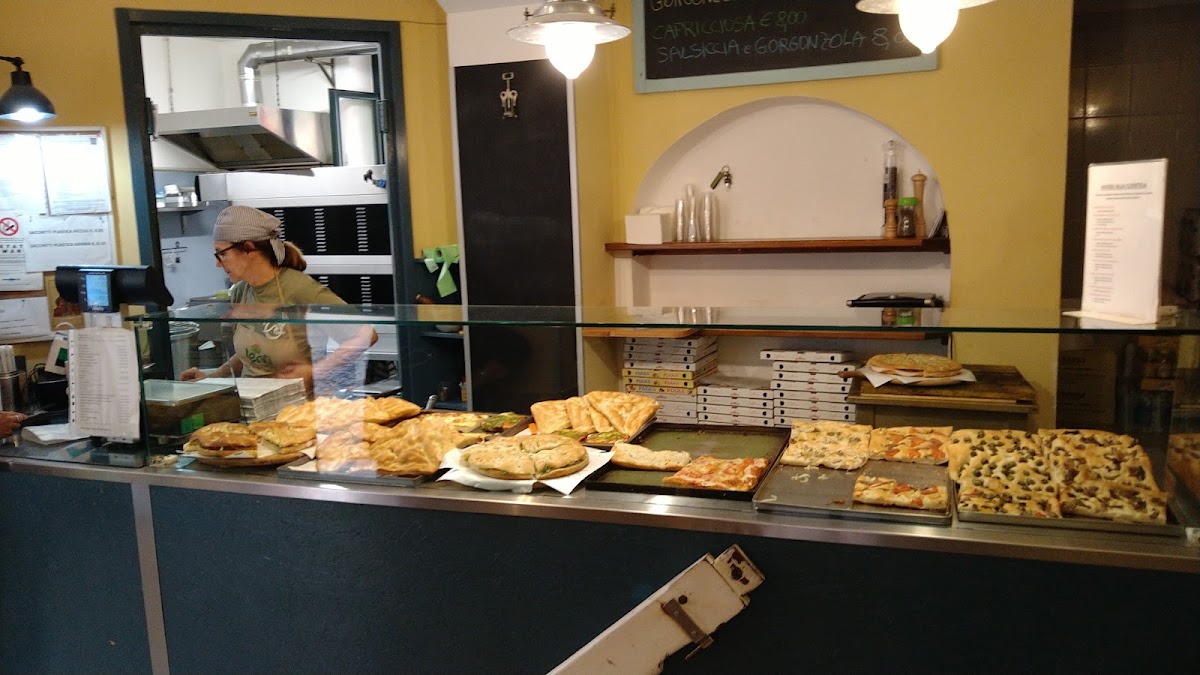
Life in Ligurian villages is not scenography for tourists—it is an ancient rhythm measured by fishing, harvests, and seasons. In Riomaggiore, the harbor is not a museum. Fishermen still depart at dawn with their painted boats, returning in early afternoon with anchovies that immediately reach the tables of Il Pescato Cucinato, where hand-mortared pesto trofie and Monterosso anchovies represent the pinnacle of Cinque Terre cuisine. The Feast of San Rocco in Monterosso (August) gathers the community in the Church of San Giovanni square for genuine popular festival: accordion music, generously poured Sciacchetrà wines, trofie al pesto mortaio. Vernazzo hosts smaller but more frequent sagre, where residents sell fresh pesto, Recco focaccia, and local wines. The market in Imperia, in its Piazza San Giovanni, still operates according to medieval schedules: Monday and Thursday for inland vegetables, Friday for Tyrrhenian fish. Dolceacqua celebrates the Feast of San Giovanni (June) with fireworks reflected on the romantic bridge and singing in the main square. Women still hand-pound pesto in marble mortars in family kitchens, recipes passed down generations: Genoese basil DOP, pine nuts, garlic, sea salt, Ligurian cheese. This is not romanticism—it is domestic economy that persists.

How to Visit: Strategies, Seasons and Where to Sleep Among the Terraces
Cinque Terre visits poorly in summer when crowds flood trails and villages lose personality. Visit between April-May or September-October, when temperature permits multi-hour hikes, terraces still perform their harvest spectacle, and you can overhear local conversations in squares. Arrive from La Spezia (30 minutes by train at €4) or from Monterosso (regional station). Official trails between villages require daily ticket of €7.50 but gift impossible-to-describe panoramas. Sleeping is strategic: Hotel Locanda Ca Da Iride in Riomaggiore offers direct access to UNESCO terraced vineyards and coastal trails; Chiara Rooms in Vernazzo positions waking to the sea below; Roca Du Ma Pasu in Monterosso guarantees Tyrrhenian sunrise. For those seeking rural authenticity, Affittacamere Vandiris in Manarola on Via Belvedere offers panoramic views without mass tourism. Eating in squares with sea views has fair prices: Il Frantoio in Monterosso (pesto trofie €12, branzino €18); Cinque Sensi Vernazzo (primi €14-16). For inland, Dolceacqua merits a full day: sleep at tranquil properties, dine at CASAeBOTTEGA on the main piazza where Ligurian cuisine reinvents itself without betraying roots. Finale Ligure offers beach alternatives; Alla Vecchia Maniera serves tradition without pretense.
Practical tips
Purchase the Cinque Terre Card (€7.50 daily) which includes access to all official trails and regional transport between villages.
Start trails at 6:30 AM: avoid organized tour groups and witness locals harvesting herbs from terraces.
Order hand-mortared pesto directly from the kitchen when dining: witnessing its preparation in marble mortar is part of the authentic experience.
Visit Riomaggiore's harbor at 2 PM when fishermen return: buy fresh anchovies directly from their blue plastic crates.
Sleeping in Manarola or Vernazzo instead of Monterosso means waking in an authentic village rather than a tourist town.
Plan your trip
Personalised day-by-day itinerary in 5 minutes — restaurants, hotels, live events.
Plan now