Pinerolese captures the heart with its valleys sloping toward the Piedmontese plain, dotted with fortified hamlets and castles whispering stories of princes and battles. Here, between the Cottian Alps and the gentle Roero hills, world-class DOCG wines and DOP cheeses are born that have graced royal tables. Every stone, every vineyard, every cobbled street tells five centuries of Savoyard splendour and popular passion.
The Landscape
Pinerolese stretches across roughly 1,600 km² between the heart of the Cottian Alps and the Alessandrian plain. The landscape is extraordinarily varied: mountains covered with chestnut and beech give way to undulating hills where vineyards thrive, while valley floors offer verdant pastures. The Po River and its tributaries, the Pellice and Chisone, carve deep, evocative valleys. Altitude ranges from 200 metres in the plain to 2,800 metres at Monviso, Piedmont's most iconic peak. This territory is a mosaic of microclimates favouring diverse crops: from vines to red fruits, cereals to pastures for dairy cattle.
History and Folklore
Pinerolo, the historic capital, was a Savoyard stronghold from the 13th century, a hub of Alpine commerce and theatre of legendary sieges. The legend of the Marquess of Pinerolo and his courtly intrigues still fascinates local taverns. The Waldensians, an ancient Protestant community, found refuge in lateral valleys until 1686, leaving an indelible mark of freedom and resistance. Rock-hewn churches in Val Chisone, carved in the Middle Ages, preserve forgotten frescoes. Each village maintains its own traditions: the carnival battles of Luserna, mountain songs, rituals tied to transhumant herding. Savoyard memory permeates every stone, from Pinerolo's Gothic Cathedral to the rural strongholds of surrounding villages.
What to Eat
The Pinerolese table revolves around cheesemaking excellence: Toma di Lanzo DOP, a semi-hard cheese with sweet notes, and Castelmagno DOCG, an eremitic Slow Food guardian from Cuneo's natural caves. Handmade fresh pasta, tajarin with butter and sage, accompany mountain soups of barley and beans. Alpine meat, stewed in local wines, tells generations of shepherds. Pinerolo mustard, with peppery-sweet notes, enhances aged cheeses. Mele Campanine del Pinerolese IGP, harvested in November, offer freshness in desserts and preserves. Every dish is a dialogue between mountain and collective memory.
What to Drink
Pinerolese wines write the history of generations. The Pinerolo DOC, the robust Barbera d'Alba DOCG, the light and fruity Dolcetto di Dogliani DOCG are custodians of unique terroir. In historic cellars of Pinerolo and San Secondo di Pinerolo, nectars mature speaking of clays, calcareous sands and noble altitudes. The sweet yet uncloyingly Moscato d'Asti DOCG perfects local desserts. Small biodynamic producers offer new interpretations of ancestral wines. Every tasting is a journey through the valley's climates and memories.
When to Visit
Spring and autumn gift Pinerolese in its most balanced splendour. In April, the Apple Festival fills Pinerolo's markets with spring fragrances. Summer allows Alpine hiking and classical music festivals in medieval strongholds (July-August). September and October bring grape harvests, a time of wine tastings and village celebrations. Luserna Carnival (February-March), with parades of mythological figures, is a unique spectacle. Winter transforms valleys into magical settings, ideal for nostalgic walks and fireside dinners. Christmas in Pinerolo offers artisanal markets in Piazza Castello.
Places Worth Visiting
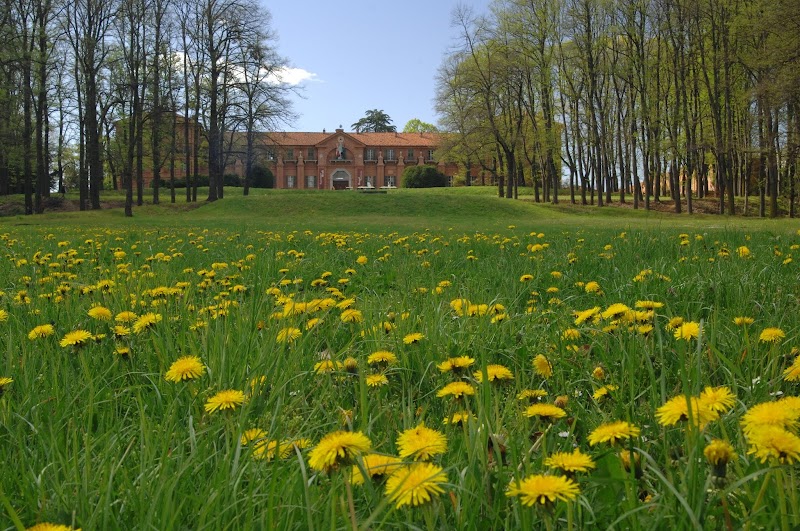
Pinerolo deserves at least two days: the Gothic Cathedral (14th century) and the Civic Library preserve medieval manuscripts. Luserna, a fortified Waldensian village, offers a dip into the past with its narrow streets and churches. Miradolo Castle, a Savoyard Renaissance fresco with Italian gardens, hosts art exhibitions. Torre Pellice, spiritual heart of the Waldensians, offers Reformation churches and museums. Monviso, visible from nearly every local peak, invites memorable hikes. The Pissaione waterfalls and Alpine lakes complete an unforgettable experience.
Practical tips
Rent a bicycle in Pinerolo to explore small villages and wineries; the topography is gentle and roads are well-marked.
Visit local markets on Tuesdays and Saturdays to find the best DOP products and seasonal items directly from producers.
Book wine tastings at least a week in advance; small biodynamic producers accommodate only small groups.
Plan your trip
Personalised day-by-day itinerary in 5 minutes — restaurants, hotels, live events.
Plan now