Taormina is Sicily's quintessential village — the 3rd-century BC Greek-Roman Theatre with smoking Etna as backdrop is the island's most reproduced image. But Taormina is also the island's most expensive destination: in July-August hotel prices triple, Corso Umberto is unmanageable, and authentic Sicily disappears. The solution is May, June or September: normal prices, fewer crowds, warm sea. Etna (3,329m, Europe's highest active volcano) is 40km from Catania and is visited in combination with Taormina — a crater excursion is Sicily's most intense experience. Catania airport (CTA) is 45 min by car from Taormina or 1h 20' by bus (€5). Trains Catania-Taormina (40 min, €4.50) stop at Taormina-Giardini station at the valley bottom — then cable car (€3.50 return) or taxi to reach the centre.
The Greek Theatre and the Historic Centre
The Greco-Roman Theatre of Taormina (€10, 3rd century BC, rebuilt by Romans in the 2nd century AD) is one of Sicily's most photographed sites — the 5,400-seat auditorium has Etna and the Ionian Sea as natural backdrop. In summer it hosts the Taormina Film Fest (June-July) and international concerts. The ticket also includes the Villa Comunale — the public gardens created by English noblewoman Florence Trevelyan in the 1800s, with exotic plants and sea views. Corso Umberto (500m, the main street) crosses the medieval historic centre — Porta Messina, Piazza IX Aprile (the panoramic terrace with view of Etna and the coast) and Porta Catania. Prices on the Corso are among Sicily's highest. Castelmola (3km above Taormina, minibus or 1h on foot) is the medieval village with the best view of the territory — less touristy, normal prices.
Etna: Ascent and Volcano Wines
Etna can be climbed from two sides: Nicolosi (south side, cable car €32 return from 1,900m to 2,500m, then minibus and mandatory guide +€10-15 for the upper Silvestri Craters at 2,920m) and Piano Provenzana (north side, wilder and less frequented). The full summit climb (3,329m) requires a specialist alpine guide (€60-100) and depends on volcanic activity — check with INGV (National Institute of Geophysics and Volcanology) the day before. Etna DOC is Sicily's most interesting denomination: Nerello Mascalese (indigenous red grape) grown on volcanic slopes between 400 and 1,000m produces wines of great finesse and mineral character. Cellars like Benanti (Viagrande), Cornelissen (Solicchiata), Passopisciaro and Terre Nere are among Italy's most important. Cellar tastings cost €20-40 and are booked online.
Beaches and Surroundings
Taormina's beach is at Mazzarò (cable car from centre, €3.50 return) or Giardini Naxos (15 min by bus) — the first is a small cove with pebbles and crystal water, the second has the longest sandy beach on the Ionian Riviera. Isola Bella (Mazzarò, nature reserve) is connected to the shore by a white sand isthmus — almost always photographed. Acireale (40km from Taormina, train) is Sicily's least-known Baroque city — the cathedral and municipal palace are among the island's most elaborate. Syracuse (100km, 1h 30' by train) is Sicily's most important Greek city — the Neapolis Archaeological Park (€16, Greek theatre, Roman amphitheatre, Ear of Dionysius) and the island of Ortigia (UNESCO historic centre) are worth the day.
Where to Eat Authentic Food in Taormina
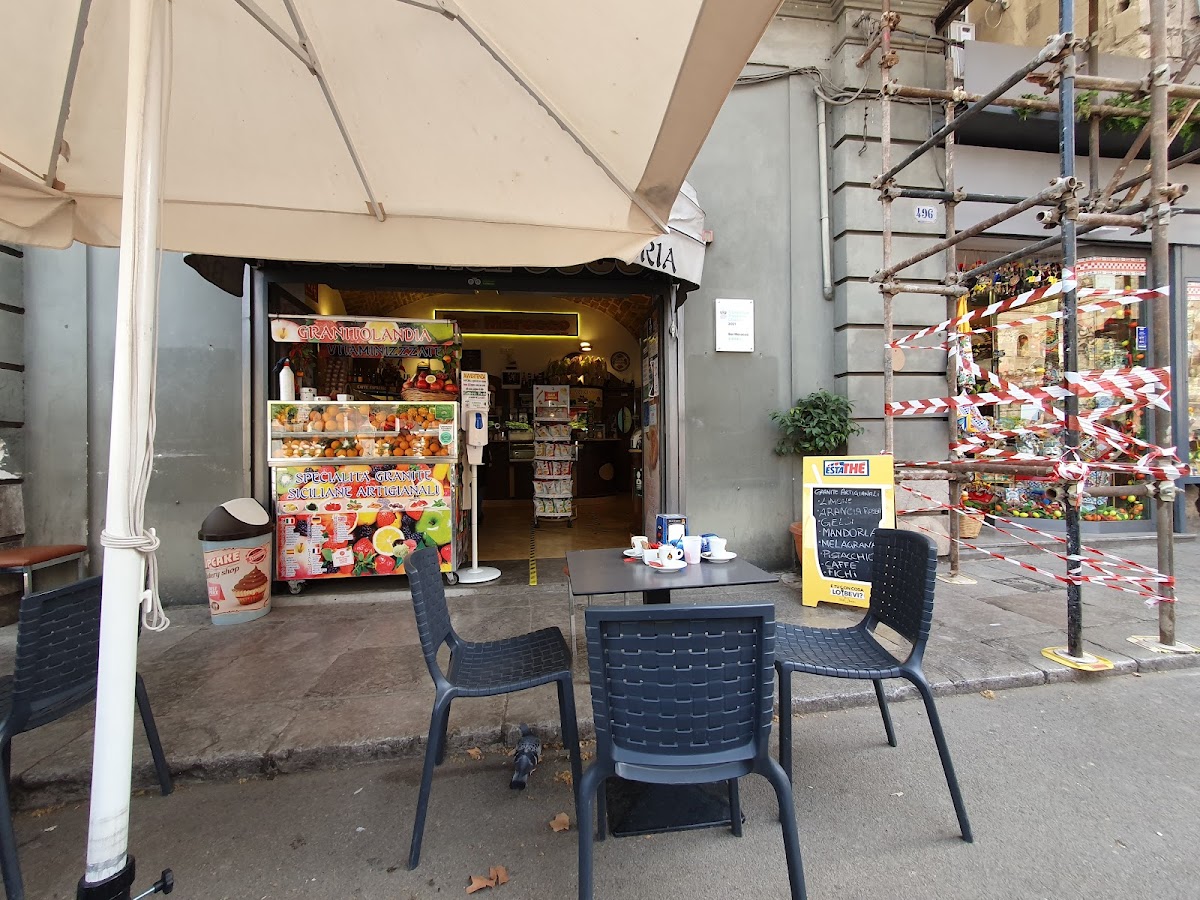
Taormina has one of Sicily's worst value for money ratios — restaurants on Corso Umberto and near the Greek Theatre are almost all tourist traps. The alternatives: Taormina's covered market (Via di Giovanni, morning) for local products — Bronte pistachio, dried tomatoes, olives, Sicilian pecorino. Giardini Naxos restaurants (in the valley) cost 30-40% less than Taormina for the same quality. Sicilian granita (with brioche col tuppo) is the local breakfast — flavours to look for: almond (with Avola almond milk), lemon, mulberry, Bronte pistachio. Swordfish alla ghiotta (with olives, capers, tomato, celery) and sarde a beccafico (stuffed with breadcrumbs, raisins, pine nuts) are the territory's dishes. Cannolo must be eaten freshly fried — not the pre-filled ones in bar windows.
Practical tips
Taormina in May-June or September: normal prices, warm sea, fewer crowds than July-August
Etna's activity is checked on ingv.it — the crater climb can be prohibited due to eruption or volcanic gases
Etna DOC Nerello Mascalese is one of Italy's most interesting grapes — look for Cornelissen or Passopisciaro
Castelmola (3km above Taormina) has the best view and normal prices — go up early in the morning
Syracuse is worth a full day — the Greek theatre and island of Ortigia are among Sicily's finest things
Plan your Taormina and Etna weekend
Greek theatre, volcano and Etna wines — tailored itinerary in 5 minutes.
Plan now