Turin is Italy's most underrated city for foreign tourists — and perhaps that is its greatest asset. Capital of the Savoy dynasty for four centuries, first capital of Italy (1861-1865), then world capital of the automotive industry with FIAT, today it is a metropolis of 870,000 inhabitants that has reinvented itself without forgetting who it was. The Baroque historic centre is among the most uniform in Europe: 18 kilometres of arcades, regular squares, noble palaces hiding courtyards with fountains. From above you understand the city's geometry: the Roman grid is still legible, the Po separates the centre from the hills, and on the horizon the Alps occupy the entire skyline from November to April. From Caselle airport (TRN) you enter the city in 50 minutes on the Torino Express (€8.50). From Milan by train: 1h 05' on the Frecciarossa (€25-45 booked in advance). A car is not needed for the historic centre — the ZTL covers the entire pedestrian area and peripheral car parks cost €2-3/hour.
Egyptian Museum and Baroque Centre
The Museo Egizio in Turin (Via Accademia delle Scienze 6, €18, open daily 9:00-18:30 — online booking mandatory in high season) is the world's second Egyptian museum after Cairo and the oldest in existence, founded in 1824. The collection includes over 30,000 pieces covering 4,000 years of Egyptian history. The masterpieces: the Statue of Ramesses II (13th century BC, 2.5 metres tall), the Book of the Dead Papyrus of Iufeankh (40 metres, the longest transcription ever found), the Tomb of Kha and Merit (1400 BC, entire funerary trousseau intact). Allow at least 3 hours. Book the first 9:00 entry — the museum is half-empty and the natural light on the statues is incomparable.
Mole Antonelliana and the Cinema Museum
The Mole Antonelliana (Via Montebello 20, €15 — includes panoramic lift) is Turin's symbol: 167 metres, built 1863-1889 as a synagogue, then purchased by the city and completed as a national monument. It houses the National Cinema Museum — an immersive multi-level installation reconstructing the relationship between the human eye and the moving image. The glass lift reaches 85 metres in 59 seconds — on clear days the Alpine view extends from Monviso to Monte Rosa. Piazza San Carlo is Turin's drawing room: 168 by 76 metres, arcades on all sides, two twin 17th-century churches as backdrop. The historic cafes — Baratti & Milano (1858), Fiorio (1780), Mulassano (1900) — are the city's finest. The bicerin (espresso, hot chocolate and cream in one glass, not mixed) has existed since 1763.
Quadrilatero Romano and Aperitivo
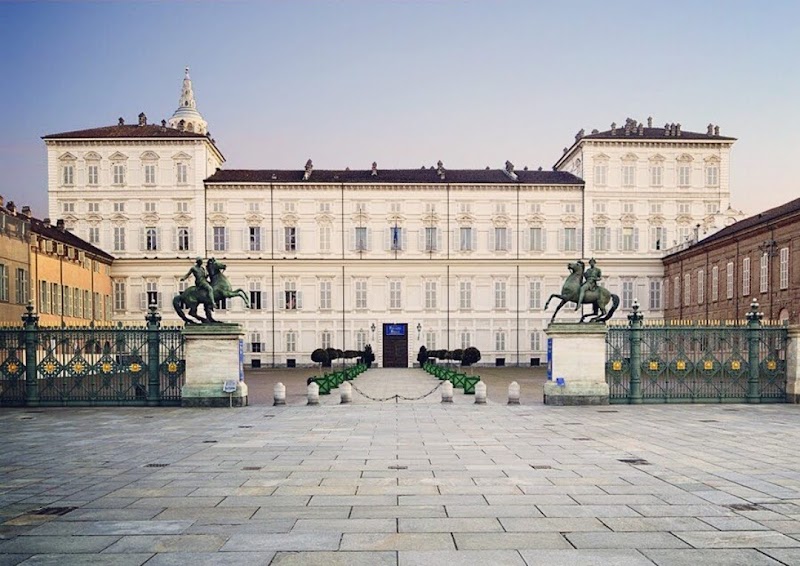
The Quadrilatero Romano is Turin's aperitivo neighbourhood: it preserves the Roman grid, bounded by Via Garibaldi (Europe's longest pedestrian street at 1.2km). From 18:00 to 20:00 bars serve aperitivo with included buffet in the price of a drink (€7-10) — wine, spritz or soft drinks with sandwiches, crostini and sometimes hot dishes. There is no list of the best bars — every Torinese has their own favourite: explore. The Royal Museums (Piazzetta Reale 1, €15 — includes Palazzo Reale, Royal Armoury and Royal Library with Leonardo da Vinci's Self-Portrait) complete the day for art lovers. The Agnelli Gallery at Lingotto (€14, metro stop Lingotto) is the Fiat family collection — 25 absolute masterpieces (Canaletto, Matisse, Picasso, Renoir, Modigliani) in a Renzo Piano gallery on the roof of the old FIAT factory.
Venaria, Sacra di San Michele and Chocolate
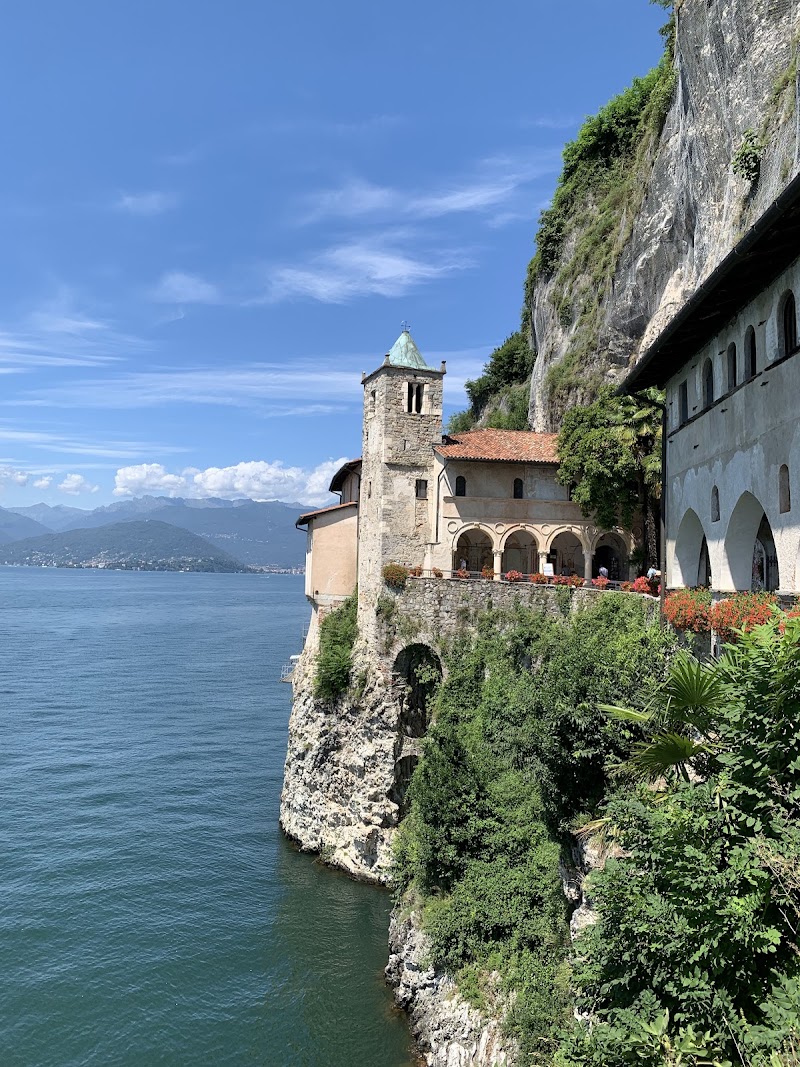
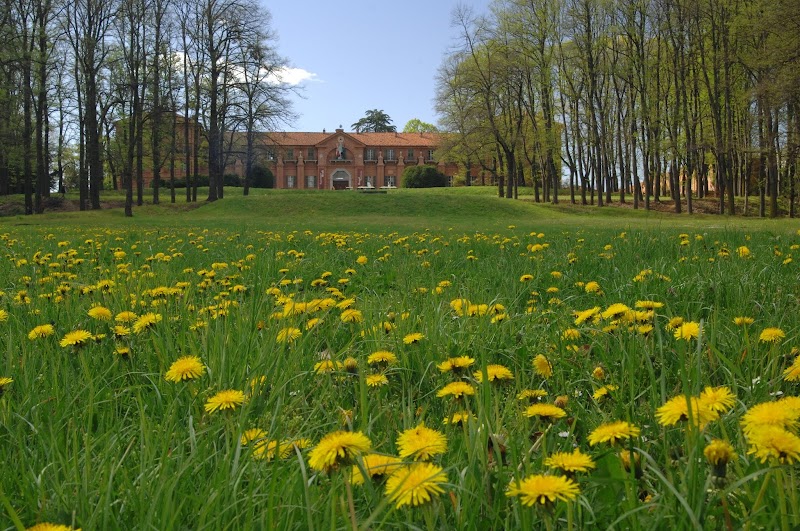
The Venaria Reale Palace (20km, GTT bus €4 or taxi €25, closed Mondays) is Piedmont's Versailles — 80,000 sqm of frescoed halls, Juvarra's great stables, Italian gardens. Sacra di San Michele (40km, Susa Valley) is the 11th-century medieval abbey on Monte Pirchiriano — Umberto Eco drew inspiration from it for The Name of the Rose. The Langhe are 60km away: Alba and white truffle in an hour by car. Turin is also Italy's chocolate capital — birthplace of milk chocolate (1839), the gianduiotto (1865, IGP Langhe hazelnut paste) and the gianduja paste that became Nutella. Historic chocolate shops: Guido Gobino (Via Lagrange), Peyrano (Corso Moncalieri), Stratta (Piazza San Carlo, since 1836). Parco del Valentino has the Borgo Medievale — a faithful replica of a 15th-century Piedmontese village, free entry.
Practical tips
The Egyptian Museum on Friday evenings opens until 22:00 with reduced ticket (€13) — fewer crowds, dramatic lighting on the statues
Quadrilatero aperitivo runs Tuesday to Saturday 18:00-20:00 — Monday almost everything is closed
The Musei Torino Piemonte pass (€32, 72h) includes the Egyptian Museum, Mole, Royal Museums and 200+ sites — worthwhile for 3-day stays
Venaria Reale Palace is closed on Mondays
The gianduiotto is unwrapped from the bottom up — the other way it breaks. Every Torinese will tell you this
Plan your Turin weekend
Egyptian Museum, Quadrilatero aperitivo and Langhe — tailored itinerary in 5 minutes.
Plan now