Alto Piemonte is a region where time flows to the rhythm of the wine harvest, where autumn mists wrap around vine-covered hills and small towns hover between past and present. Here are born great Nebbiolo and Vespolina wines, while mountains behind tell stories of Walser people and ancient paths. It is an experience that seduces those who seek authenticity beyond mainstream tourist routes.
The Landscape
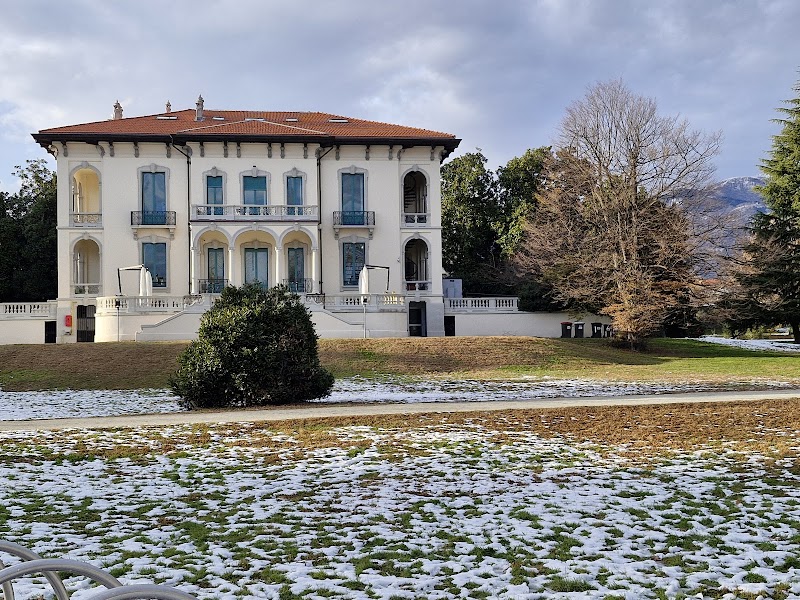
Alto Piemonte encompasses the provinces of Vercelli, Novara, and Biella, characterized by a fascinating transition between the Po Valley and the Alps. The hills of northern Piedmont, known as Colline Novaresi and Colline del Vercellese, are covered with vineyards that shape the landscape in sinuous geometries. To the north rise the Pennine Alps, with peaks like Monte Rosa dominating the scene. The Sesia River flows through picturesque valleys, creating extraordinary beauty. Autumn transforms the hills into a palette of gold and crimson, while morning mists create an almost magical atmosphere. Villages like Gattinara, Ghemme, and Orta seem glued to the slopes, perfectly integrated into their natural environment.
History and Folklore
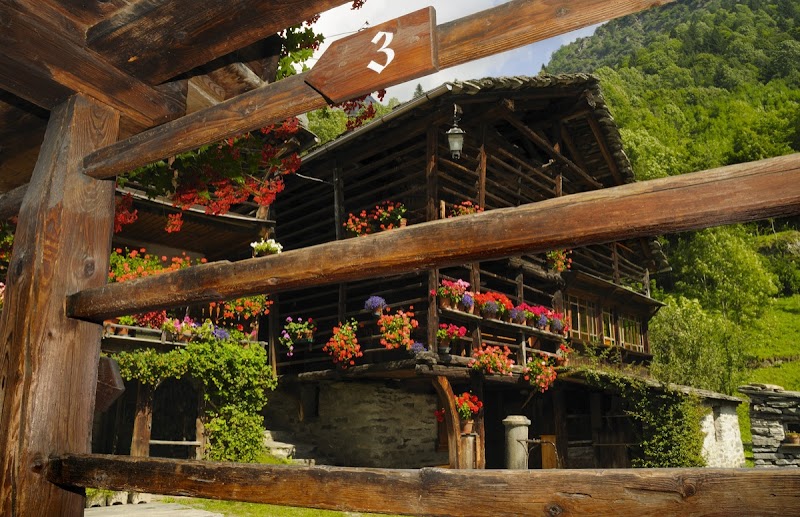
Alto Piemonte holds millennia of history: from the Walser, a fascinating Germanic population that colonized Alpine valleys around the thirteenth century, to the Romans who already cultivated vines here. Walser traditions survive in towns like Macugnaga, Rima, and Alagna, where the Titsch, an ancient Germanic dialect, is still spoken. Local folklore is rich with mountain legends: tales of fairies inhabiting forests, solitary wolves, and miners digging into the earth's depths. Small sanctuaries scattered across the hills testify to deep spirituality. The legend of Saint Julius and the eponymous island in Lake Orta represents the mystic heart of the region. In winter, mountains reclaim the ancestral charm that has inspired generations of storytelling.
What to Eat
Alto Piemonte's cuisine is rooted in the land and seasonality. Gorgonzola DOP, produced in Novara dairies, is creamy and smoked, perfect with local acacia honey. Mortadella di Novara IGP is a subtle-flavored specialty. Risotto with DOP Vercelli Rice represents the regional dish, prepared with white truffles or autumn porcini mushrooms. Nocciole Piemonte IGP hazelnuts, toasted and crispy, end up in traditional sweets like Paste di Meliga. In agritourism restaurants you taste polenta concia and casoeula, humble but authentic dishes that tell the region's peasant memory.
What to Drink
Alto Piemonte is the kingdom of Nebbiolo DOCG from Gattinara and Ghemme, complex and long-lived wines deserving years of aging. Gattinara Nebbiolo DOCG presents notes of rose and violet, while Ghemme DOCG combines structure and elegance. Vespolina DOC adds lightness and freshness, ideal for discovery. Sizzano DOCG, lesser-known but refined, captivates with mineral characters. In recent years, Barbera d'Alba DOC from the surrounding area expands choices. Traditional cellars in Gattinara offer immersive tastings where you meet passionate winemakers.
When to Visit
Spring (April-May) awakens vineyards with delicate blooms and mild temperatures, ideal for walks. Summer is perfect for mountain hikes and lake visits. Autumn (September-November) is the magical season: the Gattinara Grape Festival (October) celebrates the harvest with tastings and historical processions. Morning mists create extraordinary photographic scenes. Winter offers tranquility and the chance to explore villages without crowds. The Carnival of Orta (February) animates streets with masks and medieval traditions. The Feast of San Giulio (January) illuminates Lake Orta.
Places Worth Visiting
Gattinara remains the wine heart of the region: walk among historic cellars and visit the Wine Museum to understand local winemaking art. San Giulio Island in Lake Orta is a spiritual pilgrimage place where convent and basilica narrate centuries of devotion; reach the island by boat for an unforgettable experience. Macugnaga and Walser villages preserve stone houses and authentic Germanic traditions; here Alpine trails offer Monte Rosa views and deep cultural connections.
Practical tips
Rent a car to explore wine trails and scattered villages on the hills; public transport is limited but landscapes to discover are infinite.
Book winery tastings in advance: historic cellars have limited hours and welcome visitors by appointment to ensure authentic experiences.
Visit local markets in the morning to taste fresh cheeses, berries, and porcini mushrooms; local farmers sell their products directly at honest prices.
Plan your trip
Personalised day-by-day itinerary in 5 minutes — restaurants, hotels, live events.
Plan now