Chianti Classico is far more than a wine region: it's a symphony of landscapes where cypress trees draw vertical lines against infinite sunset skies and vineyards stretch endlessly. Here, among medieval villages like Greve in Chianti, Radda, and Castellina, time flows with the seasons, and every sip of wine carries generations of rural wisdom. This is where authentic Tuscany still breathes, far from crowds, close to essence.
The Landscape
Chianti Classico spans approximately 8,000 hectares across Firenze, Siena, and Arezzo provinces, characterized by gentle hills flowing into sinuous valleys. The landscape is dominated by soft undulations of terra rossa—Siena's iron-rich soil—with sedimentary rock layers from the Miocene period exposed on hillsides. Vineyards thrive on south-facing slopes, benefiting from thermal variations that shape wine's aromatic complexity. Oak and chestnut forests intersperse the cultivations, while fortified hamlets emerge from ridgelines. Elevation ranges from 300 to 600 meters, creating microclimates that profoundly influence vine phenology and wine complexity—the very essence of terroir that distinguishes Chianti Classico globally.
History and Folklore
Chianti boasts deep Etruscan and medieval roots. In the 13th century, the Chianti League formed as an alliance between Castellina, Gaiole, and Radda to counter Florentine and Sienese expansion. Surviving fortifications—rocche and castles—tell of Guelph-Ghibelline conflicts. Viticulture dates to at least medieval times, but international fame arrived in the 18th century through Florentine merchants. Local legend credits Baron Ricasoli in the 19th century with perfecting wine by adding white grapes to the dark blend—modern Chianti was born. The "Banditi del Chianti" were a romanticized outlaw band operating among the hills during the 16th century, their exploits becoming folk legend.
What to Eat
Chianti Classico's cuisine is honest, rooted in rustic tradition and noble ingredients. Bistecca alla Fiorentina DOP—a thick-cut slab from Chianina cattle—is grilled rare and finished with sea salt; it's the region's emblematic dish. Pecorino Romano DOP from Pienza, Prosciutto di Parma DOP, and local cheeses like Robiola accompany meals. Hand-rolled pici pasta is dressed in wild boar ragù and porcini mushrooms. Barley and spelt soups, crostini with chicken liver pâté, and wild boar ragu showcase seasonal abundance. Tomato bruschetta completes convivial meals beneath loggia arcades in traditional restaurants—food meant for sharing.
What to Drink
Chianti Classico DOCG is the region's defining wine: a blend where Sangiovese comprises at least 80%, complemented by Canaiolo, Colorino, and Malvasia. Strict production standards ensure world-recognized quality. Aging ranges from 12 months to 36 months for Riserva bottlings. Brunello di Montalcino DOCG and Vino Nobile di Montepulciano DOCG enrich the area's oenological offerings. Small-scale Vin Santo production delivers sweet almond and dried-grape notes. Estates like Antinori, Frescobaldi, and Castellani remain essential tasting destinations, offering vertical tastings spanning decades.
When to Visit
Spring (April–May) is magical: vines blossom, meadows blaze with gold, and the Palio di Siena (July) draws international crowds. Summer brings the Chianti Wine Festival (June) to Greve, with concerts and tastings. Autumn (September–October) marks harvest: hillsides blush red-violet during the Festa dell'Uva in San Casciano Val di Pesa (September). Winter, though quieter, holds introspective charm—wineries open for intimate tastings. The Festa di Bacco in Arezzo (September) closes the seasonal cycle with ancient wine rituals. Each season reveals Chianti differently.
Places Worth Visiting
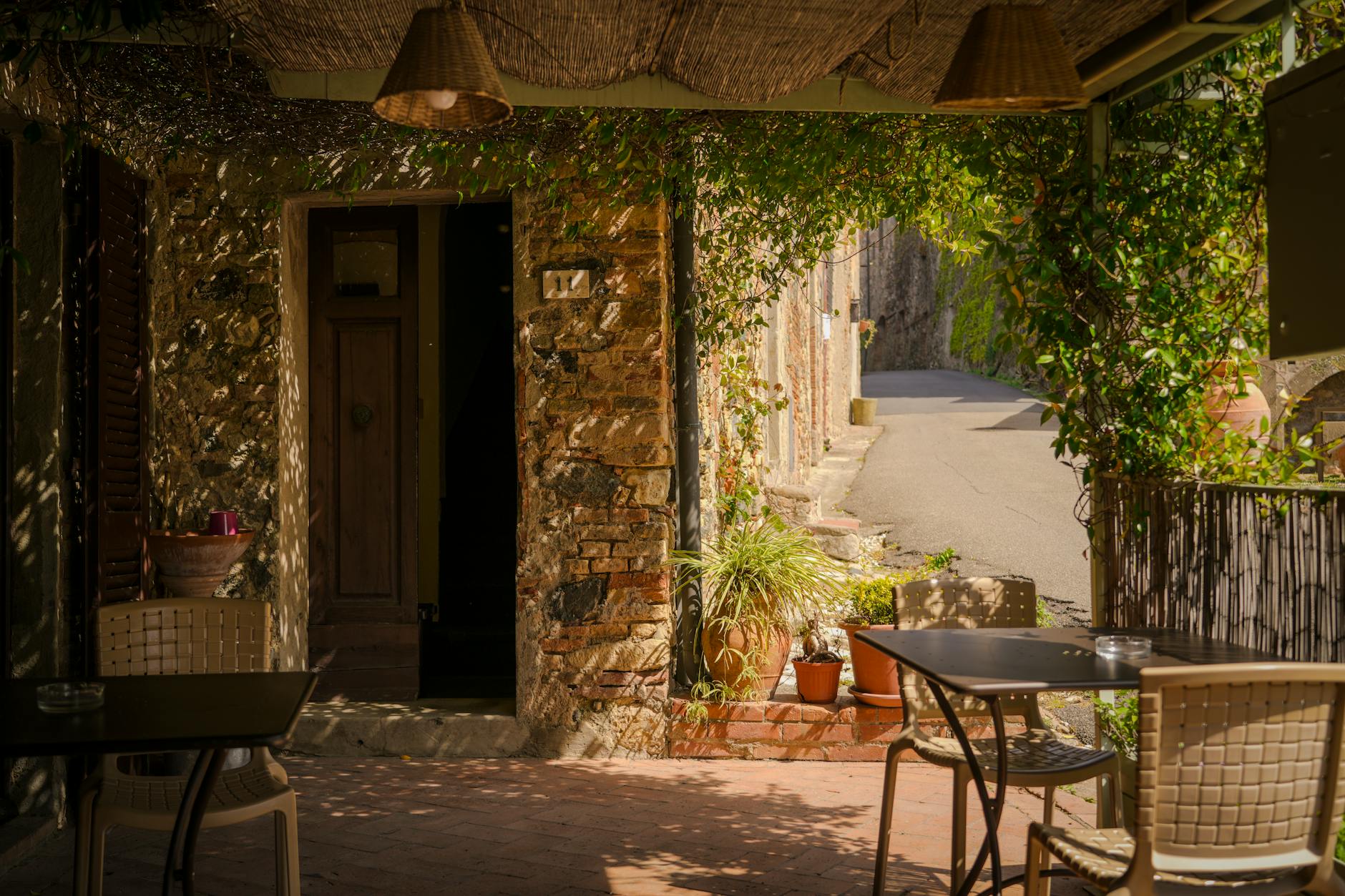
Greve in Chianti, the region's informal capital, enchants with its triangular porticoed piazza and antique shops. Radda in Chianti, a fortified medieval hamlet, offers circular walks through vineyards with hypnotic views over the Val d'Arbia. Castellina in Chianti, crowned by a Visconti rocca, rewards visitors with horseback routes through red earth and historic cellars like Melini and Ruffino, where centuries of Chianti history nestle in underground grottos. Each location radiates authenticity, removed from contemporary frenzy—pure Tuscany preserved.
Practical tips
Book winery tastings at least a week ahead, especially in summer and harvest season. Many estates require advance reservation and limit visitor numbers.
Rent a car to explore vineyard routes: secondary roads between Greve, Radda, and Castellina reveal hidden landscapes and trattorias unreachable by tour buses.
Visit villages early morning (before 10 AM) to avoid midday crowds. Enjoy breakfast with Tuscan bread, DOP oil, and fresh tomatoes in quiet piazzas.
Plan your trip
Personalised day-by-day itinerary in 5 minutes — restaurants, hotels, live events.
Plan now