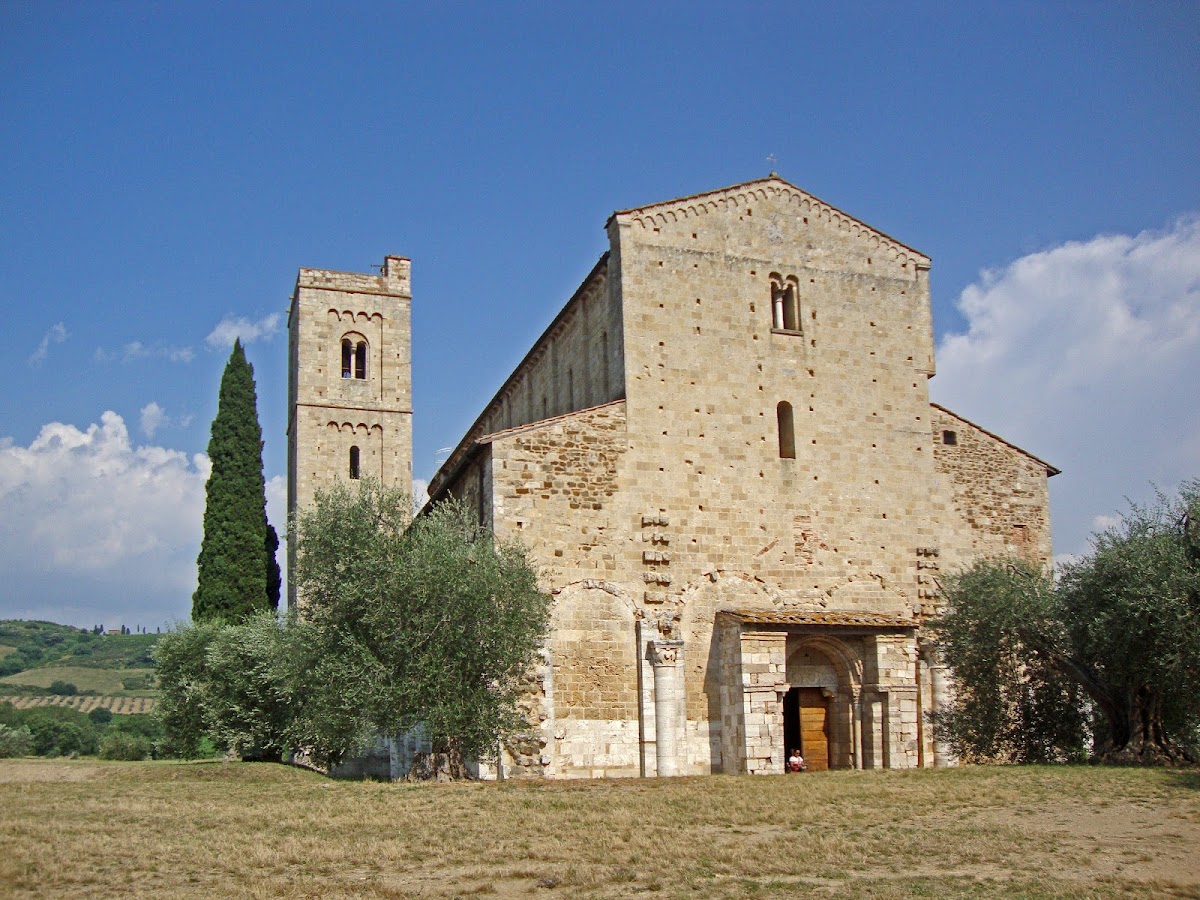
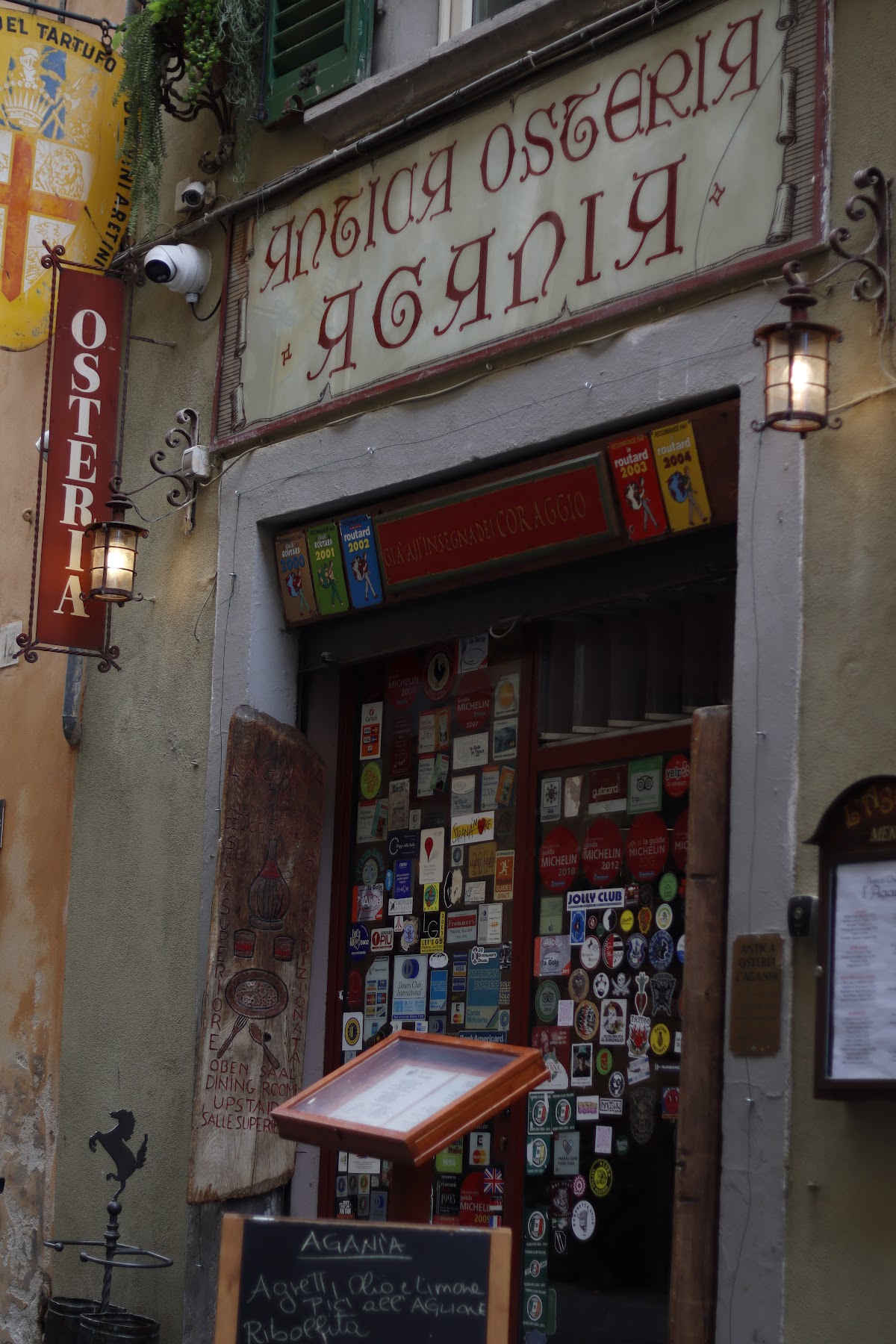
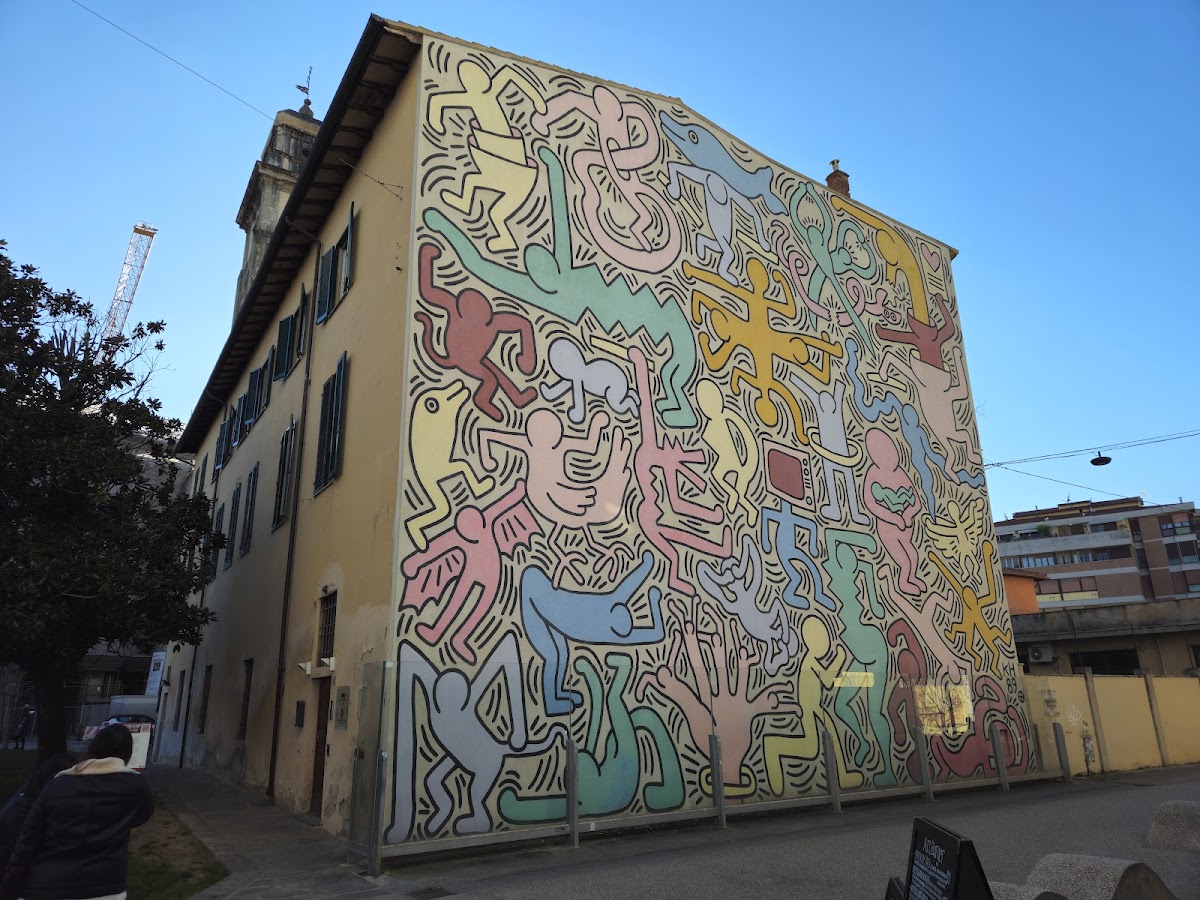
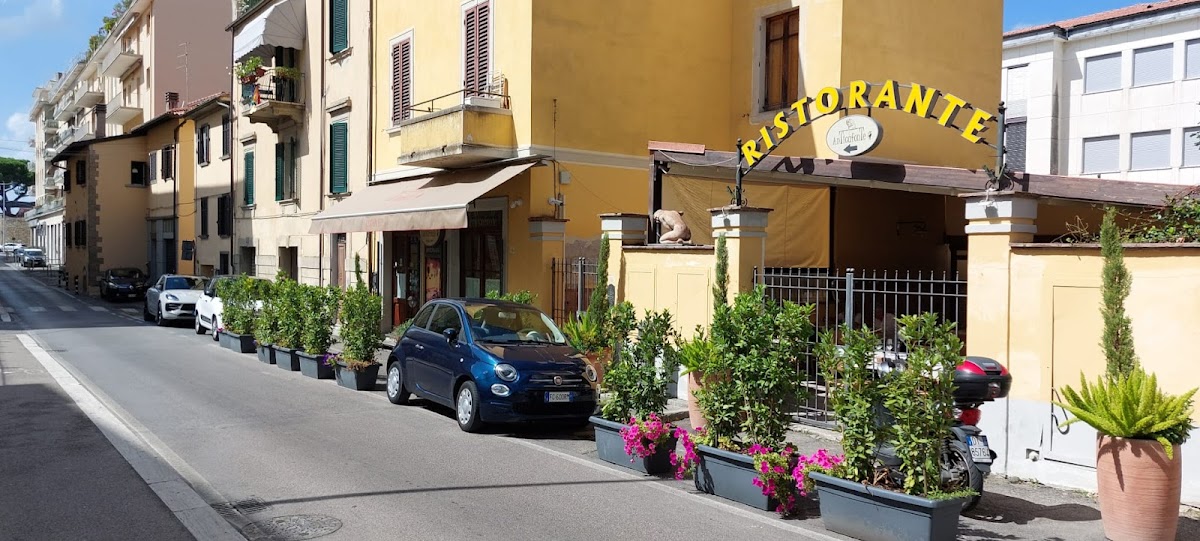
Tuscany is the world's most recognisable landscape. Not one specific view — the landscape: cypress-lined hills, Chianti vineyards, the medieval towers of Siena and San Gimignano, Florence's piazzas where the Renaissance permanently changed the history of Western art. Within 22,987 km² this region concentrates more UNESCO sites (7) than entire nations, more Renaissance masterpieces than anywhere else on Earth, and a landscape variety — from the Apuan Alps to the Maremma coast, from the Chianti hills to the Argentario headlands — that no single visit can exhaust. A useful warning: tourist Tuscany and real Tuscany are different things. The 12 million annual visitors largely see Florence, Pisa, the Chianti and Val d'Orcia. The Maremma, Garfagnana, Mugello, Lunigiana and the less-visited wine roads are almost untouched by foreign tourism and are, in many ways, the most beautiful parts. This guide covers both Tuscans: the one everyone knows and the one worth discovering.

Northern Tuscany — Garfagnana, Versilia, Lucca
The northwest corner of Tuscany packs three completely different landscapes within 40 km of each other. The Garfagnana is the wilderness — a valley carved by the Serchio between the Apuan Alps and the Apennines, with chestnut forests, stone villages like Barga and Castelnuovo, and a robust mountain cuisine: farro soup, wild boar, polenta from stone-ground corn. The Versilia coast is the opposite: Viareggio with its Belle Époque promenade and February Carnival, Forte dei Marmi with its historic beach clubs (bagni) and €40–80 daily sunbed rates. Lucca, set inland at the base of the mountains, is the cultural anchor — a Renaissance city completely enclosed by 4.2 km of intact walls, now a cycling and walking park, with the oval Piazza dell'Anfiteatro built directly over a Roman amphitheatre. Best strategy: Lucca for one full day (rent a bike on the walls, €4/hour), Forte dei Marmi only if you have a beach day to spare, the Garfagnana for hikers wanting to escape the tourist circuit. Pietrasanta inland is the marble-sculpture capital, worth a half-day for open-air contemporary art.

Florence and the Chianti Hills
Florence is the densest tourist destination in Italy — in high season the centre processes more than 50,000 day-trippers. The strategy: book the Uffizi (€25, mandatory online reservation, slot at 8:15) and the Accademia (€16, David) months in advance, then spend afternoons in the less obvious city. The Bargello (€10, medieval and Renaissance sculpture by Donatello, Michelangelo, Cellini) is often empty even in August. Palazzo Pitti and the Boboli Gardens (€16 combined, south of the Arno) take half a day. Oltrarno keeps a real neighbourhood character: artisan workshops on Via Maggio, the Basilica di Santo Spirito, dinner in trattorias that locals actually use. Avoid eating anywhere on Piazza del Duomo, Ponte Vecchio, or the Lungarni — prices are double and the cooking is for tourists. Outside Florence: the Chianti Fiorentino (Greve, Panzano, Radda) along the SS222 Chiantigiana, Fiesole (8 km north, 20 minutes by bus 7) for the Roman theatre and panoramic view, and Certaldo Alto (40 km south-west) — Boccaccio's birthplace, a perfectly preserved medieval hilltop with almost no tourists. → Full guide: Florence in 3 Days → Full guide: Chianti Wine Tour

Siena, Crete Senesi and Val d'Orcia
Siena (75 km from Florence, 1h 15′ by SITA bus or 1h 30′ by car via the Chiantigiana) is the best-preserved medieval city in Italy. Piazza del Campo — the shell-shaped square where the Palio runs twice a year (2 July and 16 August) — is one of Europe's great public spaces. The Duomo (interior free, Baptistery €4, Opera Museum €8, complete OPA Si Pass €15) is the pinnacle of Italian Gothic. The Palazzo Pubblico with the Torre del Mangia (€10) gives the most complete view over the city. South of Siena the Crete Senesi opens — a surreal expanse of grey-yellow clay hills, isolated farmhouses, cypress rows along the ridges. Beyond it, the Val d'Orcia (UNESCO 2004) holds the iconic Tuscan landscape: Pienza (Renaissance ideal city of Pope Pius II, built 1459–1462), Montalcino (Brunello territory, fortress €6 with tasting), Montepulciano (Vino Nobile), Bagno Vignoni (medieval village with a thermal pool at the centre of the main square — public pools free, no swimming; private at Hotel Posta Marcucci €30). Avoid July–August: the Val d'Orcia in June or late September is 30% cheaper and incomparably more pleasant. The two great abbeys — San Galgano (roofless, sword in the stone) and Monte Oliveto Maggiore (Renaissance frescoes in silence) — are 30 minutes apart by car and skip the tour circuit entirely. → Full guide: Siena Day Trip from Florence → Full guide: Montalcino and Brunello → Full guide: Tuscany in 7 Days

Prato, Pistoia and the Spa Plain
The territory between Lucca and Florence is the working Tuscany — and most tourists drive straight past it. Prato is Italy's textile capital (900 years of wool production, today a leader in recycled-wool luxury fabric) but the historic centre is genuinely worth a half-day: the striped marble Duomo with Donatello's external pulpit (free, 7–12 / 16–19) and Fra Filippo Lippi's frescoes inside, the Pecci contemporary art centre (€10, closed Mondays). Pistoia (20 km west of Prato) is a jewel-box of Romanesque architecture that stays blissfully uncrowded — the Piazza del Duomo with the Cathedral of San Zeno (silver altar, free) and the octagonal Baptistery, alongside a nursery industry that ships ornamentals across Europe. In the mountains north of Pistoia, Abetone is the main winter ski station (1,388 m, 50 km of slopes, day pass €40–45). Montecatini Terme on the return to Florence is a grand 18th–19th-century spa town — the Tettuccio Terme complex is an Art Nouveau masterpiece (entry €15 for the gardens, treatments separate). Useful as a stopover between Lucca and Florence, less so as a destination in itself.

Arezzo, Casentino and Valtiberina
Eastern Tuscany — the province of Arezzo and the valleys climbing into the Apennines — is where Italian travellers go and almost no foreign tourists do. Arezzo (80 km from Florence, 1h 20′ by train) is a hilltop city older than Rome, Italy's capital of antique dealers, with a sloping trapezoidal Piazza Grande framed by Vasari's Renaissance loggias. The unmissable site is Piero della Francesca's fresco cycle The Legend of the True Cross in the Basilica di San Francesco (€12, mandatory booking, 25 minutes per slot) — one of the great works of the Italian Renaissance, far less crowded than anything equivalent in Florence. The first weekend of every month, Arezzo hosts one of Italy's biggest antique fairs (Fiera Antiquaria, 500+ stalls, free entry). North of Arezzo, the Casentino is a deep wooded valley along the upper Arno with two destinations that justify the drive: the Sanctuary of La Verna (the cliff monastery where Saint Francis received the stigmata in September 1224, free entry, accommodation from €40) and the medieval castles of Poppi and Romena. Caprese Michelangelo (Valtiberina, 50 km east of Arezzo) is the village where Michelangelo was born on 6 March 1475 — the house-museum is small (€5) but the surrounding landscape is dramatic, with the cliffs that appear in the backgrounds of Renaissance paintings.

Livorno and the Etruscan Coast
Tuscany's coast south of Pisa is largely unknown to international travellers, and that is precisely its value. Livorno is not picturesque — it is a working port crisscrossed by canals (the Venezia Nuova quarter, built by the Medici in the late 16th century) with a melting-pot history that produced cacciucco, the spicy fish stew best eaten at local trattorias for €20–25 per person. Skip the centre if pressed for time and head straight to the Terrazza Mascagni waterfront — free, black-and-white checkerboard paving, the Sunday-morning institution. South of Livorno the Costa degli Etruschi runs to Piombino: Castiglioncello with its cliffs, Bolgheri inland (the famous Viale dei Cipressi, 5 km of cypress avenue, free to drive), and Populonia overlooking the Gulf of Baratti, the only Etruscan necropolis directly on the sea (archaeological park €15). Bolgheri is the birthplace of the Super Tuscans. In 1944 Marchese Mario Incisa della Rocchetta planted French varieties — Cabernet Sauvignon and Merlot — on his estate in the gravelly coastal soil, breaking with the Sangiovese tradition. The wine, Sassicaia, was first released commercially in 1968 and changed Italian viticulture permanently. Ornellaia, established in 1981 by Marchese Lodovico Antinori, followed the same philosophy. Sassicaia tastings at Tenuta San Guido by reservation (€40); Ornellaia now under Marchesi de' Frescobaldi (€120–180 for the full vertical). Bolgheri DOC reds from smaller producers run €25–45 at the cellar door, half the Florence shop price. The coast is least crowded in May, June, and September. → Full guide: The Etruscan Coast

Maremma and the Tufa Country
The Maremma — Tuscany's southern frontier, from Grosseto to the Lazio border — is the wildest and least pre-packaged part of the region. Until the 1950s it was malarial marshland; today it is national park, working cattle country (the Butteri, Italy's last cowboys, still herd the wild Maremmana cattle), and a coastline of dark sand and pine forests. The Parco Regionale della Maremma (Uccellina Park, €10, hiking trails on foot or by guided bike) protects 100 km² of dunes, marshes, and Etruscan ruins. Monte Argentario, anchored to the mainland by three narrow strips of land, has the only properly rocky coast in Tuscany — Porto Santo Stefano and Porto Ercole are the harbours; the road around the peninsula is a 40 km drive worth doing slowly. Inland, the Area del Tufo is one of the most photogenic landscapes in Italy: Pitigliano (medieval town built directly out of the tufa cliff, 60 km from Grosseto, known as Little Jerusalem for its historic Jewish ghetto, free to wander), Sorano and Sovana with the Vie Cave — Etruscan funerary paths carved 20 metres deep into the tufa, completely free to walk. Saturnia thermal pools are 25 km away; the public Cascate del Mulino are free 24 hours a day (35°C water, parking €5). Best time: April–June and September–October. The Maremma in August is hot and the parks restrict access. → Full guide: Maremma

The Tuscan Archipelago
Seven islands in the Tyrrhenian Sea, all protected as the Parco Nazionale dell'Arcipelago Toscano, the largest marine protected area in Europe. Elba is the queen — the third-largest Italian island after Sicily and Sardinia, 224 km², reachable by ferry from Piombino in about one hour (€40–60 return for a small car; Toremar and Moby run roughly hourly from May to October). Elba is a continent in miniature: Monte Capanne (1,019 m, cable car €18 return) on the west, white pebble beaches and turquoise coves on the south, the Medici fortress town of Portoferraio as capital, and Napoleon's villas (Villa dei Mulini and Villa di San Martino, combined ticket €10) from his ten-month exile in 1814–1815. Best beaches: Sansone, Padulella, Fetovaia. Giglio (1h 15′ by ferry from Porto Santo Stefano, €25–35 return foot passenger) is the second-most-visited: granite island with the walled medieval village Giglio Castello above, coloured fishermen's houses at the harbour. Capraia (volcanic, hiker's paradise) and Pianosa (former agricultural prison, limited guided access only) are for travellers willing to plan ahead. Montecristo is a strict nature reserve — only 1,000 people allowed per year, applications open three years in advance. Best months for Elba: late May, June, late September. July–August is fully booked and ferries cost double. → Full guide: Elba in One Week

How Long Do You Need
3 days → Florence only: Uffizi, Accademia, Oltrarno, one day trip to Fiesole or Certaldo. Not enough for anything else — do not try to add Siena or Pisa. 5 days → Florence plus Chianti or Siena: rent a car for the last two days. Drive the Chiantigiana (SS222), sleep one night in a farmhouse above Panzano, reach Siena through the back roads. Leave Siena for the end — it handles the transition from country back to city better than the other way around. 7 days → The classic arc: Florence (2 days) → Siena and Crete Senesi (1 day) → Val d'Orcia with Pienza and Montalcino (2 days) → one loose day for Bolgheri or the Etruscan coast. This is the trip most people mean when they say they are going to Tuscany. 10 days → Add the coast or the north: Elba by ferry from Piombino (minimum 3 nights to do it properly), or the Garfagnana and Versilia in the north, or a full day in Arezzo and the Casentino. Do not try to do all three. 14 days → The full region: all eight territorial zones, including Maremma and the tufa country south of Grosseto. Allow 3–4 days in Florence, the rest distributed without rushing. One honest note: most people who do 14 days say they needed 21.
When to Go — Month by Month
January–February: Cold and occasionally wet, but Florence and the walled cities are genuinely quiet. The Uffizi on a January morning without queues is a different experience. Accommodation drops 30–40% from summer rates. Abetone ski station is open. The Garfagnana valleys are silent under frost. March: Weather unpredictable — snow in the hills, warm days on the coast. Crowds return for Easter. Almond blossom arrives in the south. Relatively uncrowded for city-focused travel. April: The best month on most counts. Countryside turns vivid green, poppies arrive, temperatures are mild (15–20°C), and the harvest-season crowds have not yet appeared. Book accommodation in advance — others know this. May: Peak beauty, pre-summer crowds. Temperatures in the low-to-mid 20s. Chianti and Val d'Orcia at their best. Slightly busier than April but still manageable. June: Hot (28–33°C), increasingly crowded. Excellent for the coast and Elba, less pleasant for walking city streets in the afternoon. July: High season everywhere. Book everything months in advance. The Palio di Siena runs on 2 July. The coast and islands are at capacity. Florence is oppressive in the afternoon — begin visits before 9am. 1–20 August: Italian holiday season. Everything full, accommodation double price, many city restaurants closed. Val d'Orcia and Chianti baked and overvisited. The Palio runs 16 August. Late August–September: The single best window for combining city, countryside, and coast. Temperatures warm (25–28°C), crowds dropping noticeably, grape harvest beginning in Chianti and Montalcino. October: White truffle season at San Miniato (festival mid-October to mid-November). Wine harvest completes. Hill towns emerge from summer fatigue. The landscape turns gold and amber. Still warm for the coast in early October. November–December: Rain, occasional fog in the Arno valley, but Florence is empty and accommodation is at annual lows. Christmas markets in Siena and Montepulciano are genuine. Museums and galleries accessible without planning.

Getting There and Getting Around
Car or no car: a car is essential for the countryside — Val d'Orcia, Chianti, Maremma, Casentino, Bolgheri. For Florence, Siena, Pisa, and Lucca only, train and bus work well, and parking inside the walled cities is a practical nightmare (€25–40 per day) — better to rent at the end of the city portion. The high-speed Frecciarossa Florence–Rome takes 1h 30′ (€40–90 depending on advance booking); Florence–Milan 1h 50′ (€50–100). Tuscan SITA buses cover country routes from Florence and Siena. ZTL warning: Florence, Siena, Lucca, Pisa, and Arezzo all have camera-enforced Limited Traffic Zones — driving in means an automatic €100+ fine. Park outside the walls and walk in. Flying in: Florence has Amerigo Vespucci Airport (FLR) — direct European connections but limited capacity. Pisa Galileo Galilei (PSA) is the budget hub with Ryanair routes from across Europe, 1 hour by train from Florence. For long-haul, Rome Fiumicino (FCO) is 1h 30′ by Frecciarossa, Milan Malpensa (MXP) 1h 45′. Budget 2026: a 7-day trip for two people — mid-range accommodation and good food — costs roughly €1,800–2,500 per person excluding flights.
Practical tips
Book Uffizi and Accademia online 6–8 weeks in advance. Same-day tickets are essentially unavailable from May to October.
Eat one bistecca fiorentina at a proper trattoria — Sostanza, Trattoria Mario, Buca dell'Orafo. The €60–90 cost covers two people and includes nothing else.
Avoid Cinque Terre as part of a Tuscan trip — it is Liguria, 2.5 hours from Florence by car or train. Combine it with a separate Liguria itinerary or skip.
Pienza pecorino: buy directly from the cellars in the centre — Caseificio Cugusi, Caseificio Pienza Solp. Half the price of the same cheese at Florence airport.
ZTL (Limited Traffic Zones) in Florence, Siena, Lucca, Pisa, Arezzo. Driving in means an automatic €100+ fine photographed by camera. Park outside the walls and walk in.
Sunday: most museums open, most shops closed, restaurants book up early. Saturday evening dinner reservations essential anywhere outside Florence.
Brunello di Montalcino: skip the famous big producers (Banfi, Antinori). Smaller producers — Salvioni, Le Chiuse, Le Macioche, Talenti — cost the same at the cellar door and are objectively better.
Florence airport (FLR) handles small European flights; Pisa (PSA) handles budget; Rome (FCO) or Milan (MXP) for long-haul. Direct trains from Rome FCO to Florence take 1h 30′.
Tuscany north of Florence (Garfagnana, Lunigiana) and east (Casentino, Valtiberina) is 30% cheaper for accommodation than the famous central belt — and equally beautiful.
The Tuscan landscape is at peak photographic quality from late April (poppies) through May (green wheat) to mid-October (vine harvest). The famous Val d'Orcia golden-hour photos are taken in June and September, never in August.
Frequently asked questions
How many days do you need in Tuscany?
It depends on your goal. If the goal is Florence, 3 days is the minimum. For Florence plus Siena plus Val d'Orcia — the classic tour — 7 days are needed. To cover the region properly (Florence, Chianti, Val d'Orcia, Maremma and at least one island) the realistic minimum is 10-12 days. Tuscany covers 22,987 km² and has many layers: there is always a reason to return.
Is Florence or Siena better as a base?
It depends on your priority. Florence has the most important museums, trains to Pisa, Bologna and Rome, and the widest range of restaurants. Siena is smaller, more authentic as a medieval experience, better positioned for Val d'Orcia and southern Chianti, and less expensive. Many travellers use both: 3 days in Florence, then moving to Siena or Pienza for southern Tuscany.
Can you visit Tuscany without a car?
Florence, Siena, Pisa, Arezzo, Cortona and Lucca are well accessible by train or bus. For Val d'Orcia, the Chianti, the Maremma and the Crete Senesi, a car is effectively essential: public transport between smaller villages is rare or non-existent. If you prefer not to drive, consider an organised tour for rural areas or renting an e-bike in the Chianti (the terrain is hilly but manageable).
Is Tuscany expensive?
Tuscany is one of Italy's more expensive regions, especially in July-August and in the most attractive zones. A 3-star hotel in Florence in July costs €150-220 per night; the same category in the Sienese countryside costs €80-130. Florence's museums have fixed prices: Uffizi €20, Accademia €12. Quality food is accessible if you avoid piazza-front restaurants — a countryside trattoria with antipasto, primo, secondo and local wine costs €25-35 per person.
What is the best time to visit Tuscany?
May-June for the landscape at its best and ideal temperatures (18-25°C). September-October for the harvest, autumn colours, reduced queues and still-reasonable prices. April for spring without May's crowds. To avoid: August in cities (excessive heat, maximum crowds); January-February if you are looking for events and agricultural life.
Is Cinque Terre in Tuscany?
No. The Cinque Terre are in Liguria, the region north of Tuscany. The closest major city to the Tuscan border is La Spezia (Liguria), reachable by train from Florence in about 2 hours. It is possible to make a day trip to the Cinque Terre from Tuscany, but they are not part of the region.
When is the wine harvest in Tuscany?
The harvest typically begins in late August for early white grapes (Vernaccia di San Gimignano) and extends to October for late red varieties (Brunello di Montalcino, the last to be harvested). Chianti Classico is harvested mainly in September. The most photogenic moment is the third Sunday of September with the Chianti Classico festival at Greve in Chianti.
What is Tuscany's most famous wine?
It depends on the criterion. By volume and international recognition: Chianti Classico DOCG. By reputation for absolute excellence: Brunello di Montalcino DOCG, a Sangiovese Grosso released only after at least 5 years' ageing (6 for Riserva). For international collectors: the Bolgheri DOC Super Tuscans — Sassicaia, Ornellaia, Masseto — which command prices above any Tuscan DOCG despite being classified as IGT.
How do you get to Tuscany?
Florence has Amerigo Vespucci Airport (FLR), with direct flights from across Europe but limited capacity. For intercontinental flights, the natural hub is Rome Fiumicino (1h 30' by Frecciarossa) or Milan Malpensa (1h 45'). Alternative: Pisa Galileo Galilei (PSA, 1 hour by train from Florence, Ryanair hub with low-cost routes from across Europe). By car: the A1 (Milan-Rome) has exits at Florence, Arezzo and Chiusi; the A11 for Lucca and Versilia.
What to see in Tuscany besides Florence?
In order of priority: Siena (Italy's most beautiful medieval square), Val d'Orcia (UNESCO landscape, Pienza, Montalcino), the Chianti (wine roads), Lucca (Renaissance city walls cycleable on top), Volterra (Etruscan, austere atmosphere), Pitigliano (the tuff-rock village), Cortona (a hilltop town overlooking Lake Trasimeno), Arezzo (Piero della Francesca's frescoes in San Francesco, the antique fair every first Sunday of the month).
Where to swim in Tuscany?
For the coast: Cala Violina (Maremma, on foot, crystal-clear water), the Argentario (rocky coves), Elba's eastern beaches (Fetovaia, Cavoli — pink-white granite sand). For thermal spas: Terme di Saturnia (GR) are natural sulphurous pools at 37°C, free access 24 hours a day. Bagno Vignoni has medieval thermal basins at the centre of the village (paid use via the hotels).
Is Val d'Orcia really worth visiting?
Yes, but with calibrated expectations. The landscape is authentic and extraordinary — this is not marketing, it really is that beautiful. However Val d'Orcia is small: Pienza, Montalcino and Montepulciano can be seen in a day and a half. The main villages have been partially museumified — souvenir shops and tourist restaurants have replaced local life in many areas. The most authentic experience is staying at a local agriturismo, eating at a countryside trattoria, walking the white roads at dawn.
When do Florence's museums open?
Most open at 8:15 or 9:00 am. The Uffizi is open daily except Monday (8:15-18:30, Thursday evenings until 21:00 in summer). The Accademia is open Tuesday-Sunday (8:15-18:50). The Bargello is closed on Mondays. IMPORTANT: Florence's national museums (Uffizi, Accademia, Bargello, Palazzo Pitti) are free for EU under-18s and on the first Sunday of the month for everyone — on that day queues double.