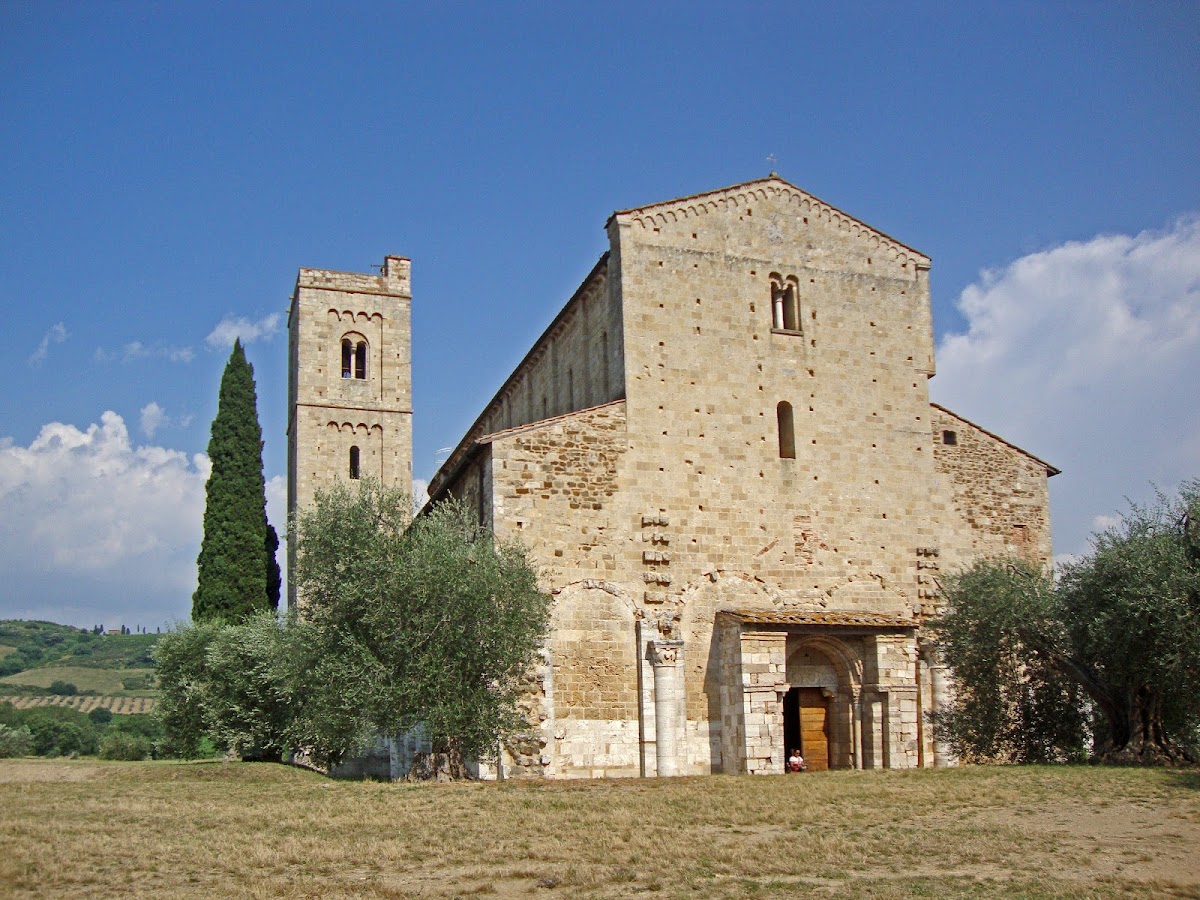
Chianti Classico DOCG is the denomination between Florence and Siena — 7,200 hectares of vineyards in the Tuscan hills between the Valdarno and Val d'Elsa, with the Black Rooster (the historic symbol of the medieval Chianti League) on the label. The Chiantigiana (SS222) is the scenic road crossing the zone's heart: 62km of curves between cypresses, olive groves, vineyards and medieval villages from Florence to Siena. Chianti Classico is produced from Sangiovese (minimum 80%) — a red grape with high acidity and tannins requiring ageing. Categories: Chianti Classico (minimum 12 months), Chianti Classico Riserva (minimum 24 months), Chianti Classico Gran Selezione (minimum 30 months, from a single vineyard or estate selection). Main producers: Antinori (Tignanello), Fèlsina, Fontodi, Riecine, Montevertine, Castello di Volpaia, Isole e Olena.
The Chiantigiana: from Florence to Siena
The SS222 Chiantigiana (62km from Florence to Siena) is one of Italy's most beautiful roads — always preferable to the motorway, taking 1h 30'-2h depending on stops. The classic route: Florence → Greve in Chianti (31km, 40 min) → Panzano in Chianti (9km) → Radda in Chianti (16km) → Gaiole in Chianti (8km) → Siena (20km). Greve in Chianti (the Chianti capital, triangular arcaded square, Saturday weekly market) has the Enoteca Falorni (since 1806, the zone's most historic, bar tastings €8-15) and the Wine Museum. Panzano in Chianti (10km from Greve, medieval hilltop village) has Dario Cecchini's butcher shop (Via XX Luglio 11, world-famous for its Florentine steak philosophy — the butcher shop is a gastronomic pilgrimage site, not a restaurant). Radda in Chianti (intact medieval village, the 14th-century Palazzo del Podestà) is the zone's most authentic commune.
Cellar Tastings: How to Organise
Chianti Classico cellars are almost all visited by appointment — book at least 48h in advance, better a week in summer. The tasting cost (€20-50) includes 3-5 wines with food pairing (bruschette, cheeses, cured meats). Most interesting cellars for different visit types: Castello di Volpaia (12th-century private medieval village transformed into a winery — the visit includes the castle, medieval streets and olive press, not just the wines), Fontodi (Panzano, the producer most attentive to biodiversity — Vigna Flaccianello del Pieve is considered one of the finest Supertuscans), Riecine (Gaiole, small organic cellar with wines of great finesse), Isole e Olena (Paolo de Marchi, Barberino Tavernelle — Cepparello is among Italy's finest Sangiovese). Super Tuscan — journalistic term for Tuscan IGT wines outside the Chianti disciplinary (Antinori's Tignanello, Sassicaia, Ornellaia) — revolutionised the image of Italian wine in the world from the 1970s.
Practical tips
The Chiantigiana (SS222) is always preferable to the motorway — take 2 hours instead of 1h and enjoy the landscape
Cellars are booked online at least 48h in advance — in July-August book with a week's margin
Dario Cecchini's butcher shop in Panzano is a gastronomic pilgrimage site — go even just to look
Castello di Volpaia (medieval village transformed into a winery) is the most original Chianti visit
Chianti Classico Gran Selezione is worth the €30-60 per bottle — it is the level where Sangiovese becomes a meditation wine
Plan your Chianti wine tour
Chiantigiana, cellars and Black Rooster — tailored itinerary in 5 minutes.
Plan now