Cilento is Campania's wild heart, a region where mass tourism has not yet erased the soul of places. Between some of Campania's last unspoiled coastlines and villages perched as if frozen in time, you'll discover an Italy that whispers rather than shouts. Fragrant lemons, crystal-clear waters and a cuisine rooted in medieval times will captivate you.
The Landscape
Cilento stretches over 2,000 square kilometers of southern Campania, extending to the province of Salerno toward Basilicata's borders. It is a landscape of contrasts: rugged, fragmented coastlines with hidden coves alternate with white sand beaches, while inland hills roll with olive and hazelnut cultivation. The Cilento and Vallo di Diano National Park, a UNESCO World Heritage site, protects this extraordinary biological mosaic where rare animal and plant species still thrive. The Alento and Calore rivers shape the valleys, while the Cervati mountains tower above. Here the climate is mild and the Tyrrhenian Sea retains an almost therapeutic clarity.
History and Folklore
Cilento was the cradle of ancient civilizations: the Greeks founded Poseidonia (modern-day Paestum) in the 6th century B.C., leaving temples that still radiate sanctity. Saracens sailed up from the sea in medieval times, leaving behind fears and legends still alive in oral traditions. Every village guards stories of brigands, courageous women, and miracles narrated during night vigils. The legend of Meliuso, an aquatic demon protecting the coasts, still frightens children. Religious processions, particularly the Feast of San Rocco, maintain ancient rituals. In Teggiano, Sannite ritual theater becomes a stage for historical reenactments each summer. The stories of narrow streets are whispered by elderly voices remembering how grandparents survived famines.
What to Eat
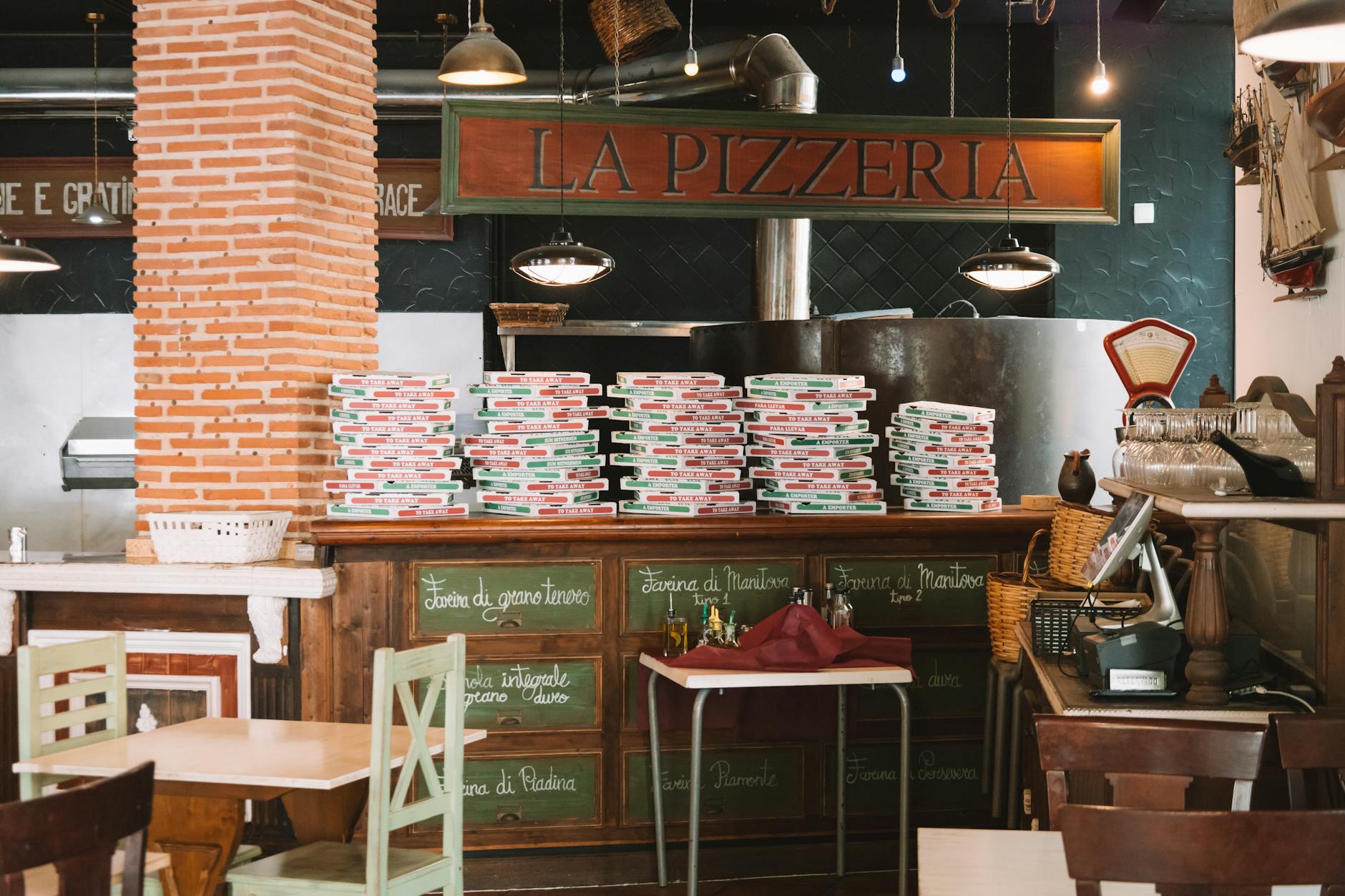
Cilento cuisine is a chapter of noble simplicity. Caciocavallo Podolico del Cilento DOP is a stretched cheese with intense, slightly smoky flavor, starring in traditional dishes like tiella. Mozzarella di Bufala Campana DOP arrives from nearby Sele and becomes summer's queen here. Cilento swordfish, grilled or in rich brodetto with tomatoes, is a summer ritual. Alici di Cetara DOP, salted and aged in wooden barrels, season every dish. Handmade cilentano fusilli, dressed in roast sauce or walnut pesto, tell generation stories. Don't forget dried figs and walnuts: they grow wild and generous here.
What to Drink
Cilento wines tell a story of intact terroir. Aglianico del Cilento DOP, full-bodied and elegant, ages well with deep, intense notes. Fiano di Cilento DOP is the austere, mineral white that accompanies shellfish with wise grace. Primitivo del Cilento DOC offers Mediterranean freshness, perfect for long summer dinners on the coast. Don't miss small local producers where vines grow vertiginously over the sea. Cilento limoncello, an infusion of fragrant mountain lemons in fine spirits, elegantly concludes every dinner.
When to Visit
Spring (March-May) awakens Cilento with wildflowers and ideal temperatures for hiking. The Feast of San Rocco in Posidonia at the end of August draws pilgrims. Summer (June-August) is sea season but crowded; choose June or September for quieter beaches. The Festa del Grano in Cilento Village (July) celebrates ancient harvests with agricultural rites. Autumn (September-October) offers extraordinary colors and perfect seasonal flavors. The Castagna Festival in Laurino (November) gathers the community around seasonal fruits. Winter is contemplative, with silent villages and reduced costs.
Places Worth Visiting
Paestum is essential: the Doric Greek temples from the 6th century B.C. emerge from the plain like marble ghosts, while the museum hosts the famous Tomb of the Diver. Praiano, perched on the vertical coast, offers colored houses descending to the sea and trails connecting secret beaches. Acciaroli, the fishing village where Ernest Hemingway lived in the 1950s, still preserves bohemian charm among small boats and authentic taverns. Salerno, the gateway to Cilento, deserves its Romanesque cathedral and seaside promenade at sunset.
Practical tips
Rent a scooter in Salerno and drive the SS163 coastal road: it's one of Italy's most beautiful, with curves revealing breathtaking Tyrrhenian views.
Visit inland villages like Teggiano and Laurino early morning to experience authentic calm and discover craft shops still run by the same families for generations.
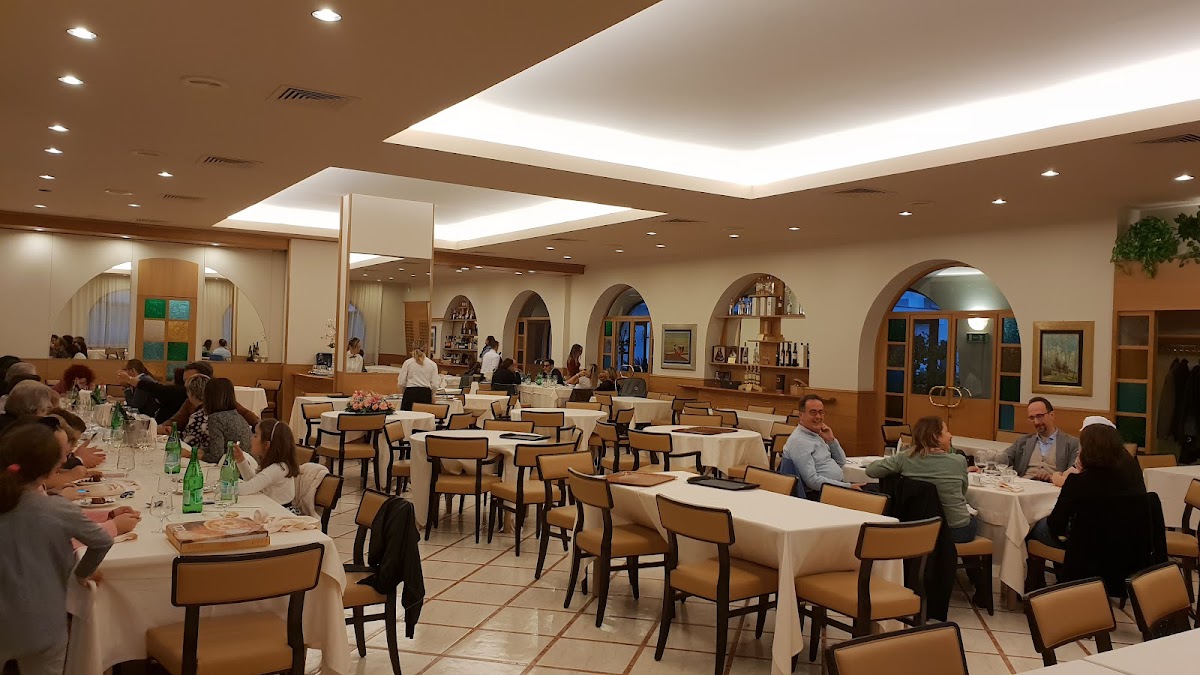
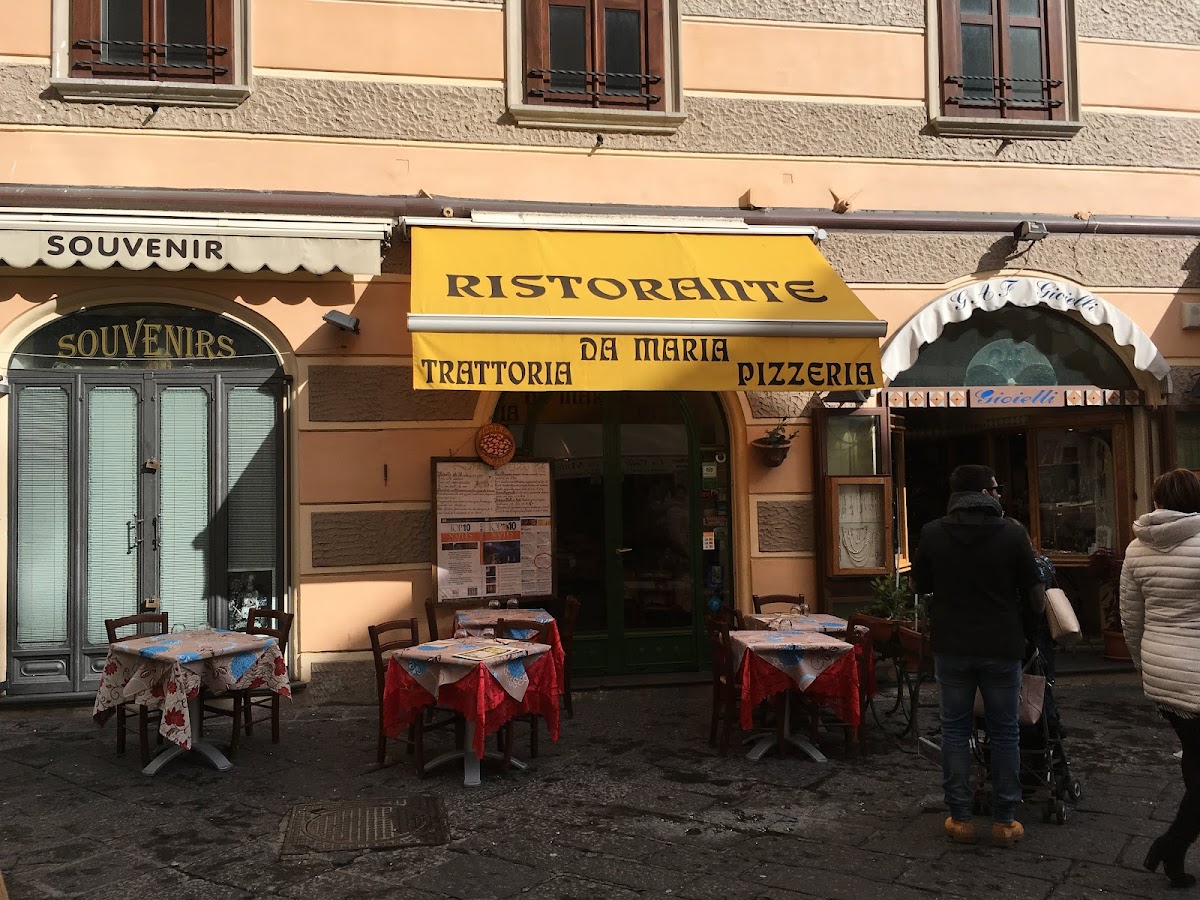
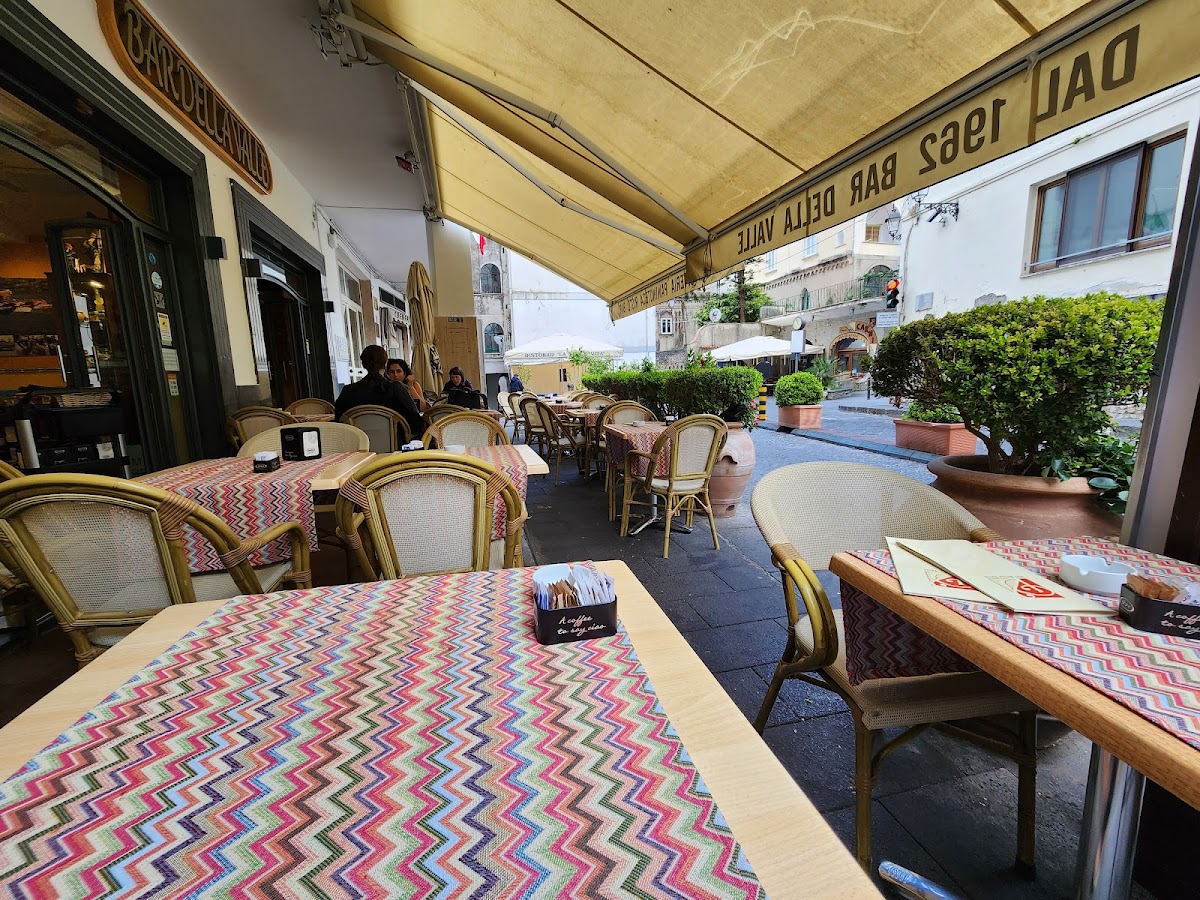
Ask a local woman where to eat: the best trattorias have no signs or tourist menus, just wooden tables and dishes passed from mothers to daughters.
Plan your trip
Personalised day-by-day itinerary in 5 minutes — restaurants, hotels, live events.
Plan now