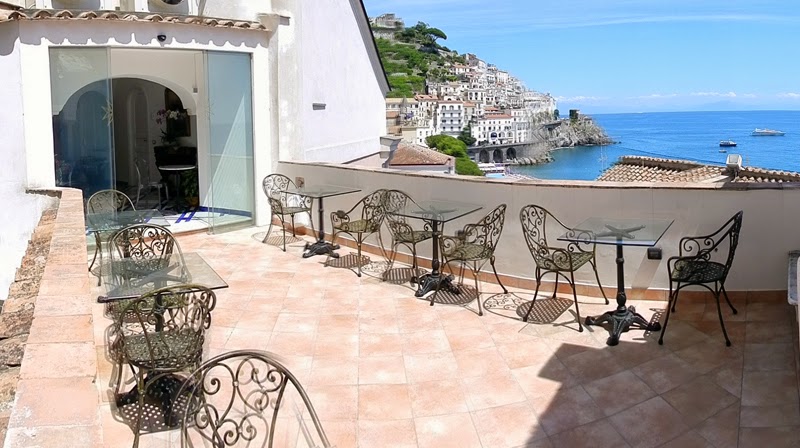
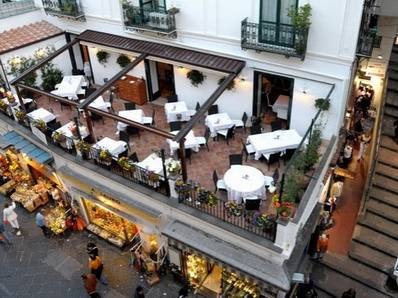
The Amalfi Coast is a natural theater where beauty is not accidental but inevitable: 40 kilometers of jagged cliffs, fragrant lemon terraces, and vertical villages clinging to rocks like swallows. Here, where the scenic road winds through impossible curves, every corner reveals a sweet and sophisticated Naples far from the city's chaos.
The Landscape
The Amalfi Coast stretches from Positano to Salerno, dominated by a complex system of terraces built over centuries to cultivate lemons, vines, and olives. Limestone rock walls cascade toward the Tyrrhenian Sea in spectacular formations: the Galli islands, the sea caves of Furore, hidden beaches of Praiano. The Mediterranean microclimate creates extraordinary biodiversity. Hiking trails, such as the Path of Gold connecting Praiano to Positano, offer unrivaled vistas. The interior features chestnut and Aleppo pine forests, while the rocky coast alternates sandy beaches, secret coves, and monumental rock formations emerging from intense blue waters.
History and Folklore
This coast was the land of Sirens according to Homer's Odyssey: the Galli islets were the legendary refuge where mythological creatures lured sailors with hypnotic songs. In Roman times, Amalfi was the Empire's strategic port; in medieval times it became a Maritime Republic rivaling Venice. Villages preserve Byzantine-Saracen architecture: colored majolicas, domes, ogival arches. The legend of Madonna Soccorsa still protects sailors, celebrated each June in Atrani. Inhabitants pass down stories of Neapolitan bandits and Genoese admirals, of noble families controlling Eastern spice trades.
What to Eat
Local cuisine revolves around the protected Sfusato di Amalfi DOP lemon, transforming simple dishes into experiences: lemon delight, lemon pasta, sweet-sour granita. Fresh seafood stars: scialatielli ai frutti di mare, marinated anchovies, raw sea urchins. Mozzarella di Bufala Campana DOP from nearby villages is sublime on summer salads. Local Peperoni di Senise IGP complete colorful tables. Pani ca' meusa (fried chickpea paste and eggplant) is traditional street food. Smoked Provola accompanies local cheeses on generous tables.
What to Drink
Greco di Tufo DOCG from Sannio maintains perfect saline freshness with coastal dishes. Fiano di Avellino DOCG shows mineral elegance with raw seafood. For red wine lovers, regal Taurasi DOCG accompanies structured dishes. Limoncello di Amalfi DOP is the afternoon digestif: distilled from local lemon peels, luminous yellow color, sweetness without excess. Lemon sorbet roots itself in Arab-Norman tradition from Sicily, perfected here. The area's emerging biodynamic wines deserve discovery.
When to Visit
Spring (April-May) ignites lemon blossoms and offers ideal temperatures. Festa di San Gennaro in Atrani (May) celebrates the patron saint with marine processions. Summer brings crowds but splendid beaches and Positano's Music Festival (July). September offers warm seas and fewer tourists; Amalfi's Historic Regatta (June) revives the Maritime Republic. Autumn harvests lemons and grapes; winter is silent, perfect for contemplative walks and reduced costs.
Places Worth Visiting
Positano is the magnetic hub: vertically-stacked pastel houses, luxury boutiques, a jewel beach nestled between cliffs. Amalfi preserves history: Gothic-Norman cathedral, Cloister of Paradise, paper museum. Ravello, perched 400 meters above the sea, offers Villas d'Este and Rufolo with gardens suspended in air, legendary concert venue for generations.
Practical tips
Rent a scooter in Salerno: the SS 163 is one of the world's most beautiful roads, with epic curves and endless views. Watch out for tour buses!
Visit smaller villages like Furore, Atrani, and Praiano to escape Positano's crowds. Each has its own story and magic.
Book seaside restaurants weeks ahead in summer. Beachfront tables are as precious as the lemons themselves growing on hillsides.
Plan your trip
Personalised day-by-day itinerary in 5 minutes — restaurants, hotels, live events.
Plan now