Naples is not merely a destination—it is a sensory experience that captures the soul. Surrounded by the shores of the Gulf of Naples and the spectral craters of the Phlegraean Fields, the city embodies creative chaos, disarming beauty, and Campanian spirit. Here, where myth meets reality and volcanoes shape the land, every corner tells of kings, gods, and earthquakes that shaped Western history.
The Landscape
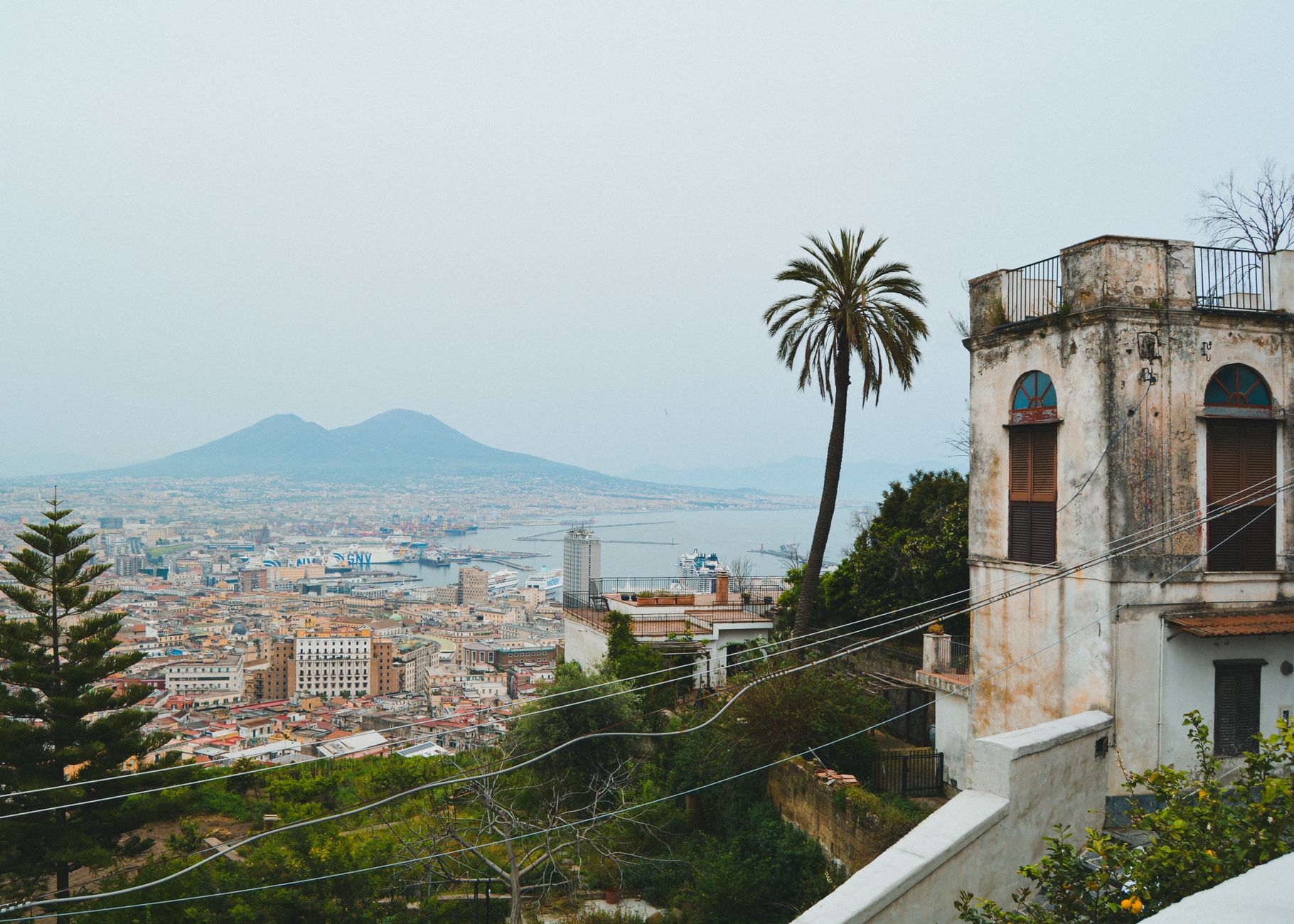
Naples and the Phlegraean Fields form a geologically unique landscape, shaped by millennia of volcanic activity. The city itself stretches along the Gulf of Naples, with Mount Vesuvius dominating the horizon and the island of Capri emerging from crystalline waters. The Phlegraean Fields, literally 'burning fields,' spread northwest with their volcanic craters, thermal lakes, and still-active fumaroles. Pozzuoli, Bacoli, Cumae, and Monte di Procida are villages perched on this wounded and regenerated territory. Bradyseism—the sinking and rising of the earth—has created apocalyptic landscapes of rare beauty, where Roman ruins emerge from the waves and natural thermal springs fade into lunar scenery.
History and Folklore
Naples contains two thousand years of rule: Greeks, Romans, Normans, Swabians, Angevins, Aragonese, and Bourbons left indelible marks. The Phlegraean Fields are the true cradle of Western mythology—here Aeneas landed, here the Sibyl of Cumae pronounced her oracles, here Hercules fought the Giants. The legend of the Neapolitan 'munaciello'—a mischievous sprite—is rooted in intertwined pagan and Christian beliefs. The Feast of San Gennaro (September and May) celebrates the patron saint with overwhelming processions and the 'miracle of blood liquefaction,' an event that fascinates and divides scientists. The Phlegraean Fields guard Lake Avernus, where ancients believed lay the entrance to Hades, and Cumae's caves, where echoes of ancient prophecies still vibrate.
What to Eat
Neapolitan cuisine is an anthem to simplicity and ingredient exaltation. Mozzarella di Bufala Campana DOP, produced in the volcanic lands of Paestum, is the foundation of legendary dishes like caprese. Here taste authentic Neapolitan pizza, with San Marzano DOP tomatoes, fiordilatte or mozzarella, basil, and natural yeast—UNESCO patrimony. Fresh seafood—anchovies, squid, scampi—protagonists of pasta alla genovese and brodetto. San Marzano DOP tomato grows in volcanic soil that gives it perfect sweetness and acidity. Don't miss Salerno's sfogliatella riccia, crispy bastion of pastry tradition.
What to Drink
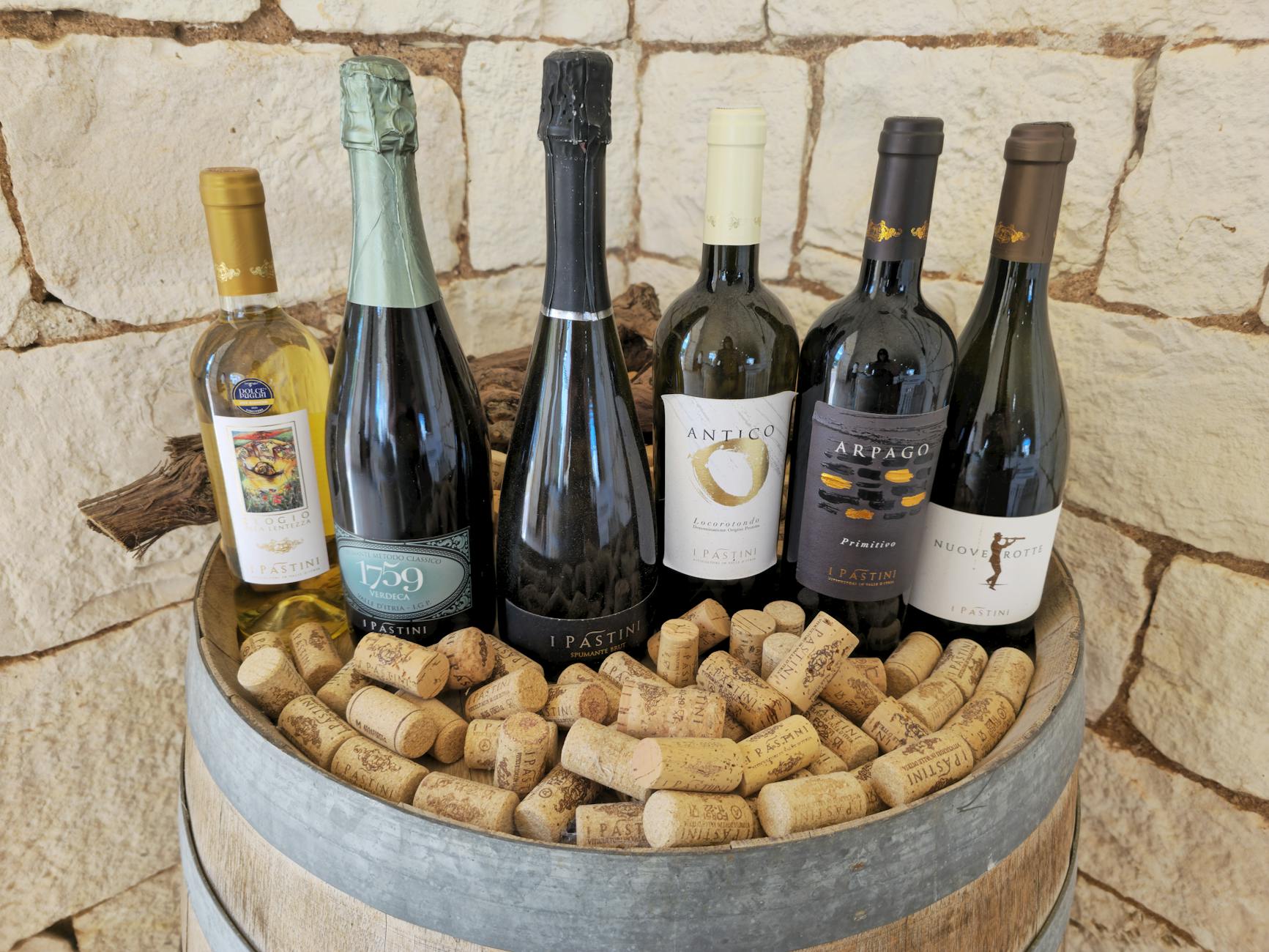
Vesuvius produces extraordinary wines thanks to volcanic terroir: Lacryma Christi DOC, a dry white with mineral notes, is the region's symbol. The Phlegraean Fields offer Fiano di Avellino DOCG, elegant and savory, and Greco di Tufo DOCG with floral aromas. For reds, choose Aglianico del Taburno DOC, robust and long-lived, or Taurasi DOCG, the 'Barolo of the South.' Sorrento IGP limoncello concludes every dinner with solar freshness. Don't miss natural wines from small artisanal producers, true guardians of Campanian wine tradition.
When to Visit
Spring (April-May) offers ideal weather and the Feast of San Gennaro (May 1st). September-October rewards with turquoise skies and the September San Gennaro Feast, with breathtaking processions. Summer is intense with heat but vibrant with nightlife. The Festa della Madonna di Piedigrotta (September) fills streets with allegorical floats and traditional music. December lights the handmade nativity scenes in San Gregorio Armeno. Avoid August for tourist chaos. Ideal months: April, May, September, October.
Places Worth Visiting
The Museo Archeologico Nazionale houses treasures from Pompeii and Herculaneum, from mosaics to sculptures—a journey into Ancient Rome's heart. Pozzuoli fascinates with the Temple of Serapis submerged by water, living witness to bradyseism, and the Flavian Amphitheater among Italy's best preserved. Cumae, cradle of Western civilization, offers the Antro della Sibilla—a cavernous cave where echoes amplify antiquity's whispers—and Lake Avernus views among the Mediterranean's most evocative.
Practical tips
Buy the Campania Artecard for unlimited museum access and discounted public transport.
Visit San Gregorio Armeno in December to admire Italy's finest handmade nativity scenes.
Leave your car at the outskirts and use Naples Metro: Line 1 is an underground art gallery.
Taste authentic Neapolitan pizza at historic pizzerias in Spaccanapoli, not tourist zones.
Take a ferry to Procida or Ischia from Naples' docks for an unforgettable day trip.
Plan your trip
Personalised day-by-day itinerary in 5 minutes — restaurants, hotels, live events.
Plan now