The Euganean Hills rise from the flat Venetian landscape like an oasis of natural splendour, a succession of gentle slopes clothed in vineyards, cherry orchards and ancient history. Minutes away, Padua enchants with Giotto's frescoes, monumental squares and the vibrant pulse of a university city that retains its medieval soul. This is where nature meets art, where each sip of Fior d'Arancio DOCG speaks of centuries of farming tradition.
The Landscape
The Euganean Hills form an archipelago of basalt and trachite rising dramatically from the Po Valley, creating a landscape unique in northern Italy. Fifteen kilometres of gentle yet distinctive hills rich in chestnut woods, olive groves, vineyards and cherry orchards—their spring harvest painting the slopes in pink and white. The temperate continental climate, moderated by maritime proximity, creates ideal conditions for agriculture and tourism. Thermal springs, known since Roman times, feed Abano and Montegrotto's wellness resorts. Padua, south of the hills, is traversed by the Brenta river and encircled by perfectly preserved medieval walls that chronicle centuries of mercantile prosperity.
History and Folklore
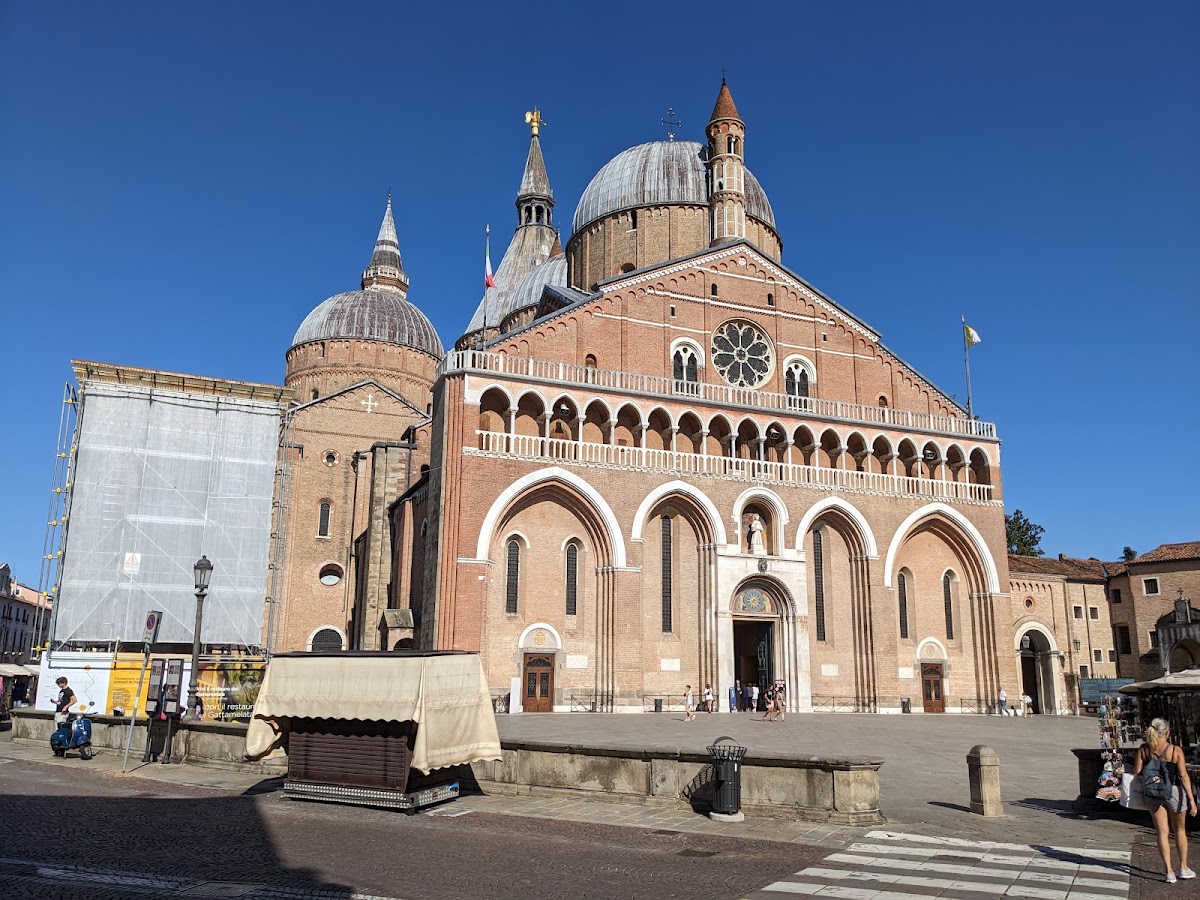
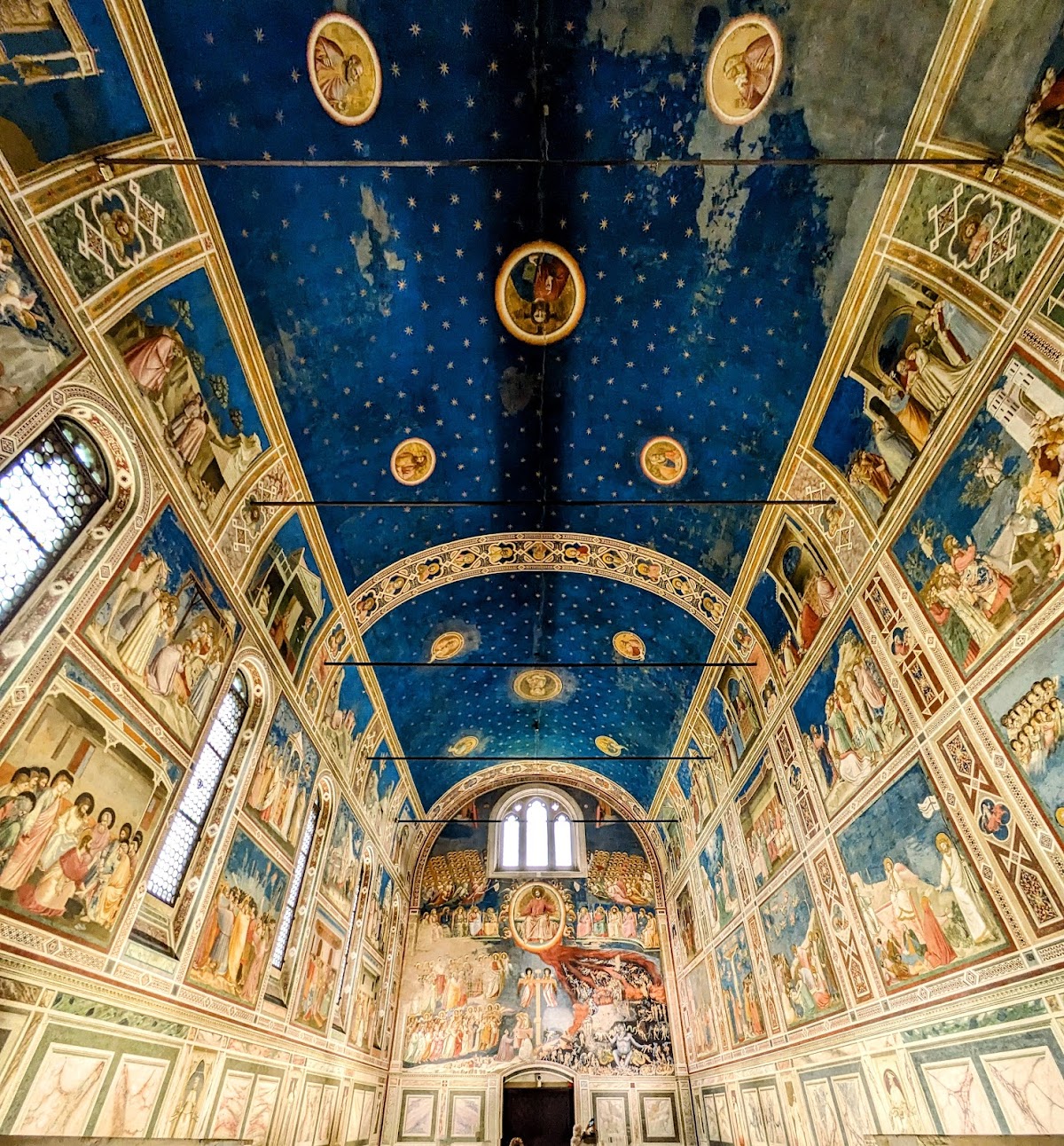
Padua, founded by the Veneti in the 5th century BCE, was the capital of ancient Veneto and became one of the Republic of Venice's greatest cities. In the 14th century, under Carraresi rule, it flourished artistically—this is where Giotto painted the extraordinary Scrovegni Chapel. The hills preserve traces of Etruscan and Roman settlements, while the Middle Ages saw them dotted with castles and Benedictine monasteries. Legend holds that Saint Anthony of Padua passed through, blessing harvests. The thermal springs were prized by Romans for healing properties, a legacy that endures. Folklorically, the Euganean hills maintain living peasant traditions: cherry festivals, grape harvests, spring processions honouring agricultural bounty.
What to Eat
This region's cuisine celebrates the land's bounty with refined simplicity. Asparagus of Padua DOP, spring-harvested, stars in creamy risottos and elegant dishes. Euganean cherries—sweet and succulent—shine fresh or transformed into legendary jams. Vialone Nano Rice DOP becomes risotto with Amarone or porcini mushrooms. Cured meats, particularly aged Parma ham, pair with local Asiago DOP cheese. Humble peasant dishes revisited feature polenta with mushrooms, pasta e fagioli, barley soup. Every trattoria offers personal interpretations of grandmother's recipes, where simple ingredients transform into magic.
What to Drink
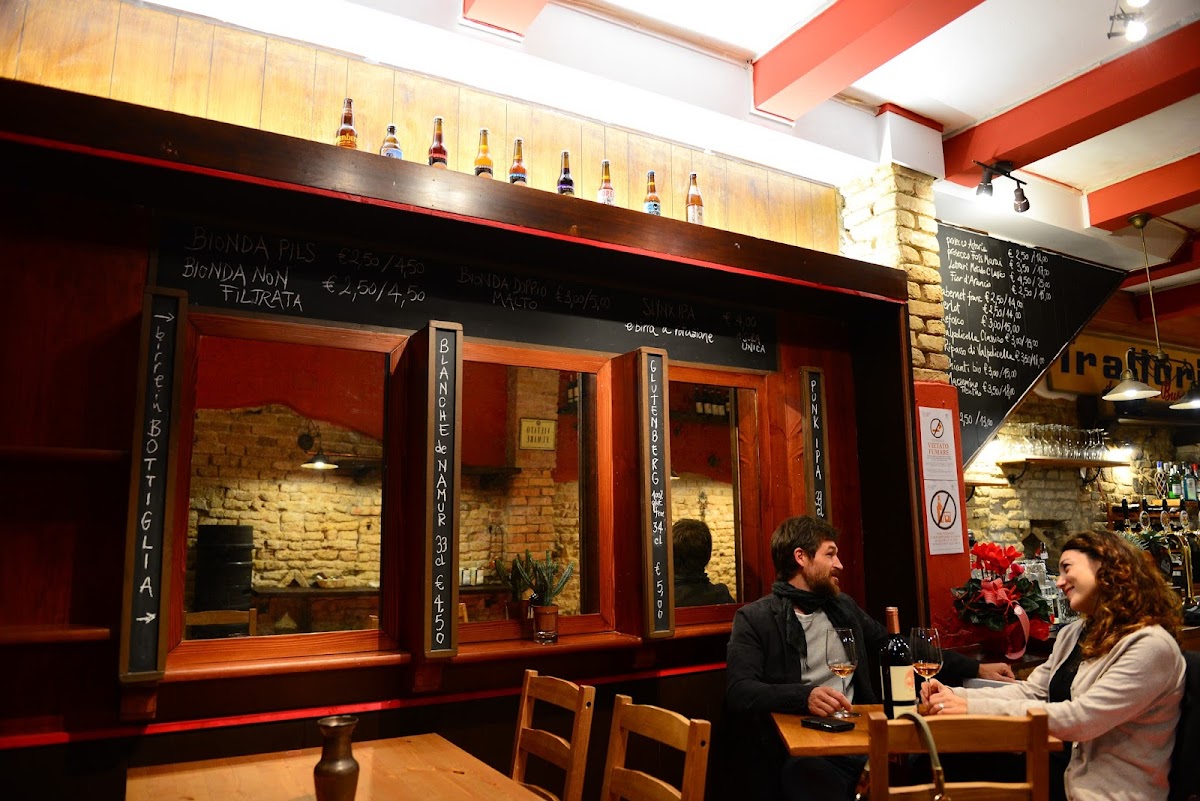
Fior d'Arancio DOCG, a sweet white wine with orange-blossom aromatics, is the oenological jewel of the Euganean Hills. Local winemakers craft it using traditional methods, creating an elegant, versatile wine. Amarone dei Colli Euganei DOCG, a robust red from dried grapes, complements hearty dishes. Don't miss Merlot Colli Euganei DOC, fresh and fruity for summer dining, or the region's Cabernet Sauvignon DOC. Artisanal producers also craft excellent Prosecco DOC from nearby villages. In every local enoteca, passion and territorial knowledge shine in every glass.
When to Visit
Spring (April–May) is magical: cherries bloom, Padua asparagus reaches markets, Arquà Petrarca's Cherry Festival animates June. Summer brings concerts and village markets. September–October see harvests attracting wine tourists; Padua's Feast of Saint Anthony (June) fills squares with celebration. Autumn offers mild temperatures and golden landscapes. Winter, though quiet, reveals medieval charm without crowds, with thermal spas always welcoming. The finest seasons remain spring and September–October for balanced weather and cultural richness.
Places Worth Visiting
The Scrovegni Chapel in Padua is an absolute masterpiece: Giotto's fresco cycles (1303–1305) mark the dawn of Renaissance art, their narrative geometry still mesmerizing. Prato della Valle, Italy's largest square, ringed by twin crowns of statues, embodies civic grandeur of a former republic. Finally, Arquà Petrarca in the Euganean Hills is an open-air museum: medieval homes, historic wine cellars, Petrarch's sarcophagus in the church, vineyards sloping gently toward the plain.
Practical tips
Visit Abano or Montegrotto thermal spas early morning to avoid crowds and savour the healing waters in peace.
Rent a bike to explore the Euganean Hills: cycling paths are well-marked and offer spectacular vineyard vistas.
Book a cellar tasting at least three days ahead; small but excellent producers appreciate advance planning.
Plan your trip
Personalised day-by-day itinerary in 5 minutes — restaurants, hotels, live events.
Plan now