The Costa degli Dei is the stretch of Tyrrhenian coastline extending about 25 kilometres between Nicotera to the north and Pizzo Calabro to the south — with Tropea and Capo Vaticano as the highlights. The name is not a marketing invention: the 18th-century geographer Pietro Giannone was already using it to describe a coast that seemed to emerge from classical mythology. Water quality here is structurally high: no large commercial port, no significant river mouth, volcanic rock beds that maintain visibility even after rain. The territory's strength is the combination: Tropea's medieval village on the cliff, the wild coves of Capo Vaticano, the hinterland of olive and citrus groves, local products (red onion IGP, nduja di Spilinga, Pizzo tuna) with clear identity. How to get there: fly to Lamezia Terme (SUF) plus car hire is the standard solution. The regional train stops at Tropea and Pizzo. From Reggio Calabria: 1h40' by train or 1h30' by car on the A3.
Tropea — the clifftop village
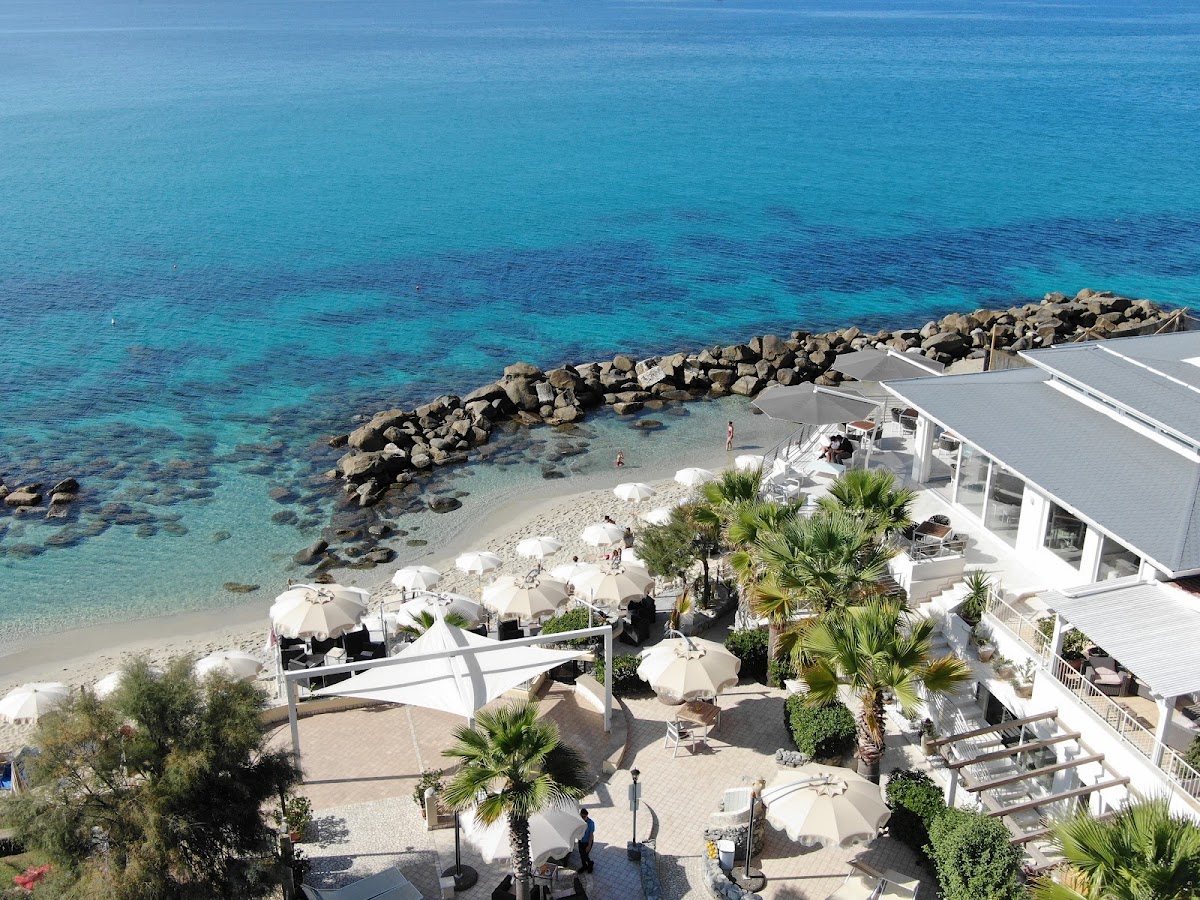
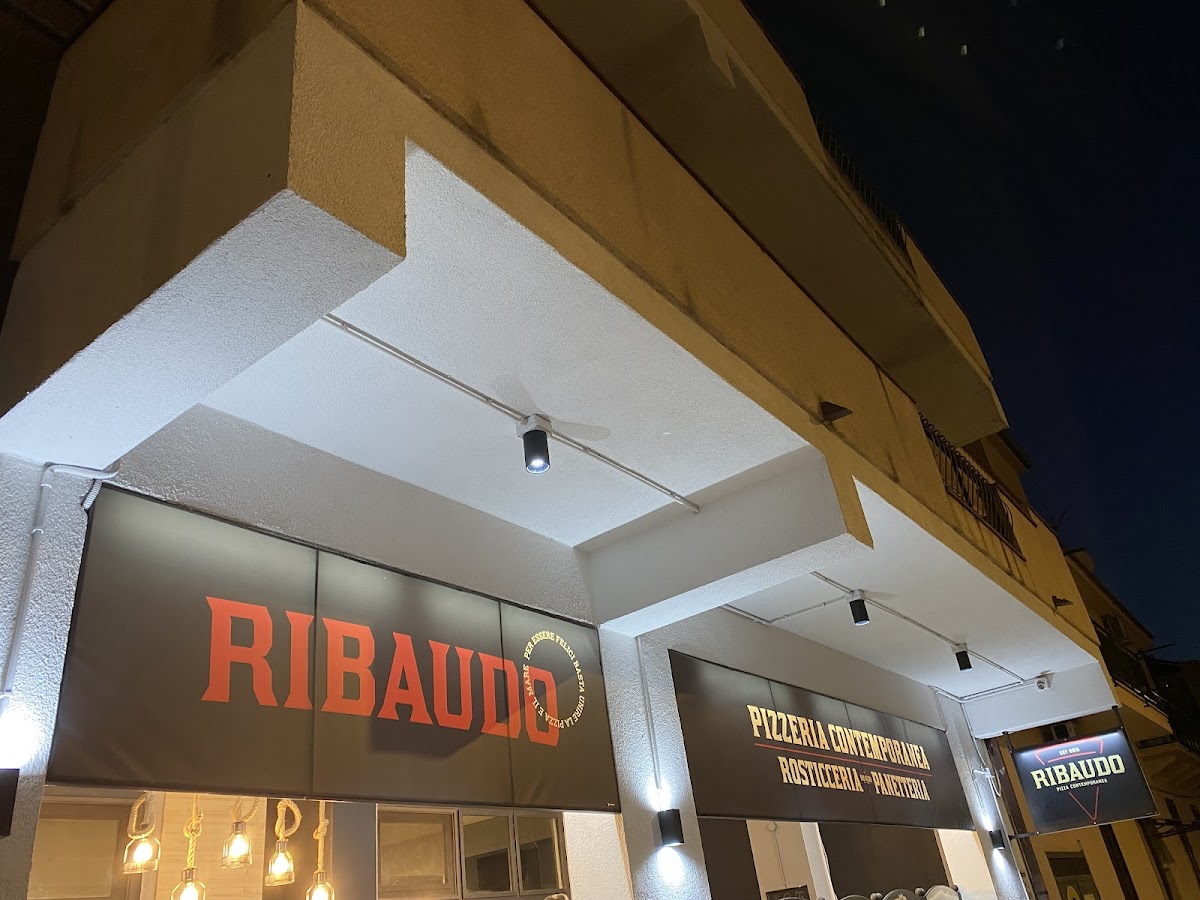
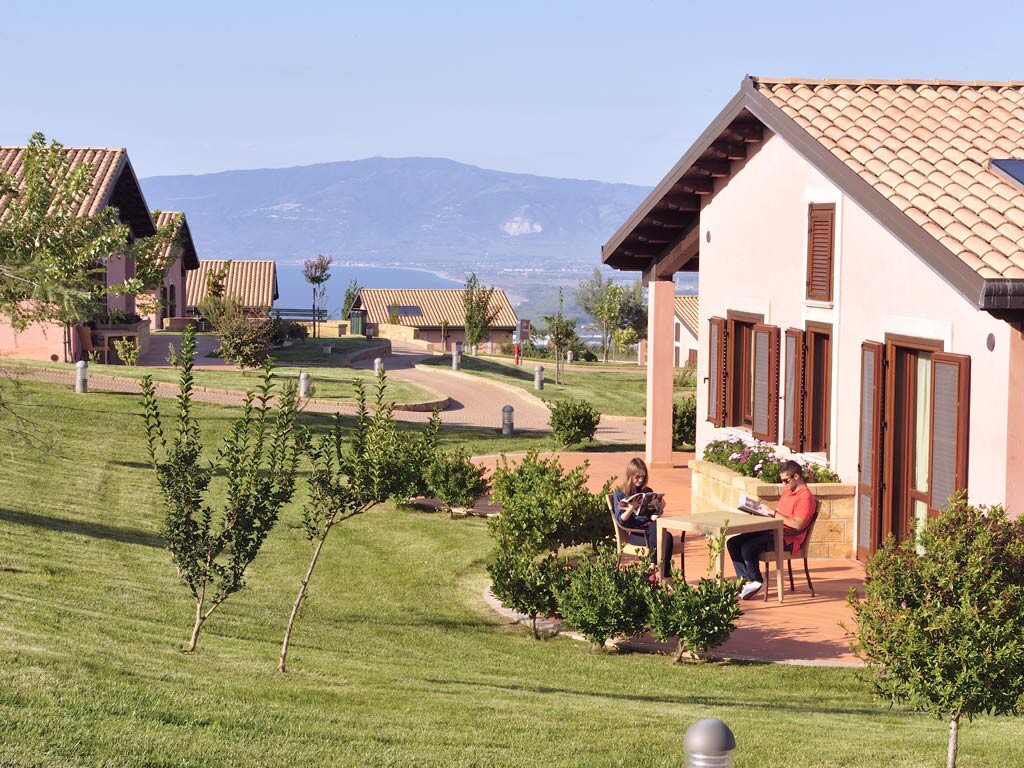
Tropea is the coast's centrepiece: a medieval centre 213 metres above the tufa cliff, with the Norman Cathedral, baroque palazzi and the Belvedere looking towards Capo Vaticano. Santa Maria dell'Isola — the white church on the former tufa island — is Calabria's most recognisable image worldwide. Corso Vittorio Emanuele concentrates historic bars, wine shops and local produce shops. Half a day is enough for the centre; a full day if you include the beaches below the village (Spiaggia del Cannone, Spiaggia della Rotonda). Popilia Country Resort (4.6/5) is the area's wellness reference; Aldiana Club Rocca Nettuno for all-inclusive in the centre. Da Ribaudo and Peccati di Gola are the indispensable food stops.
Capo Vaticano — the finest coves on the coast
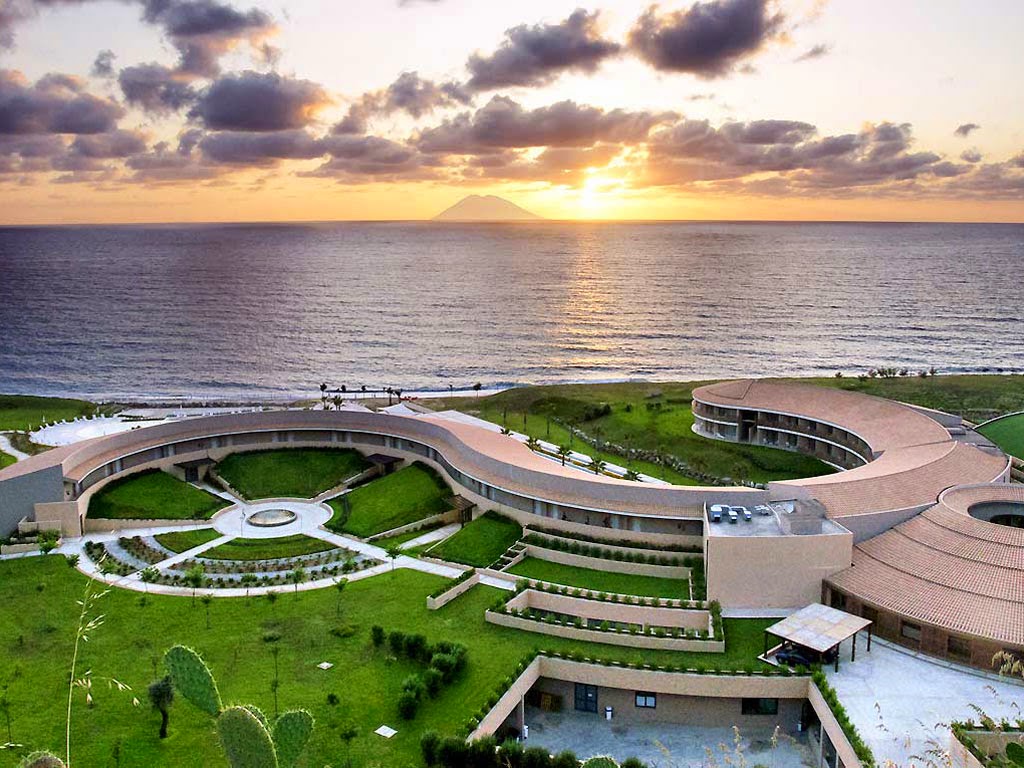
Capo Vaticano is the headland closing the Costa degli Dei to the southwest, about 10km from Tropea. The Aragonese watchtower at the top offers one of the widest views over the Calabrian Tyrrhenian, the coast curving north towards the Aeolian Islands on the horizon. The coves below the headland — reachable on foot or by sea — have the coast's most transparent water, volcanic rock beds and almost no commercial services. Capovaticano Resort Thalasso Spa (4.4/5) and Baia del Godano Resort & Spa (4.5/5) offer privileged cove access with thalassotherapy treatments. Tonicello Resort & SPA (4.2/5) is the third resort option in this micro-area. Those staying outside the resorts access the coves on foot via marked paths; early morning is best.
Pizzo Calabro — chocolate truffle and the castle
Pizzo Calabro is 22km north of Tropea, by train or car. The old centre sits on a cliff similar to Tropea's, but the character is different: quieter, less touristy, with a main square that opens directly onto the sea. The Aragonese Castle (15th century) is where Joachim Murat, King of Naples and Napoleon's brother-in-law, was shot in 1815 — his cell is preserved. Pizzo's chocolate truffle is a genuine speciality: not the industrial sweet but a cylinder of chocolate ice cream with a molten dark-chocolate core, invented by a local pastry maker and now the city's gastronomic trademark. The historic gelaterie in Piazza della Repubblica still prepare it by hand. Tyrrhenian bluefin tuna was the great local fishing resource — the tonnare (collective fishing structures) closed in the 20th century, but tuna remains on local menus.
Hinterland — Spilinga, the villages and nduja
The Costa degli Dei hinterland is almost unknown to mass tourism and worth half a day. Spilinga (20km from Tropea, in the hilly interior) is the town where nduja originates — the spicy spreadable salami that has become one of the world's most copied Calabrian ingredients. Artisan producers sell directly from their premises; July hosts the annual festival. Brattirò, Caria, Zungri — hilltop villages a few kilometres from Tropea — preserve their medieval layout with views over the interior and the coast. Zungri is known for its prehistoric cave dwellings, accessible on a short guided visit. Agriturismo Alla Jumara (4.7/5) at Zambrone is a unique organic fish farm: they raise freshwater fish between the sea and the Sila, farm-to-table cuisine with the day's catch. Worth the inland detour.
Practical tips
Lamezia Terme airport (SUF) is the gateway: direct flights from across Europe in summer, car hire available on arrival. The Costa degli Dei without a car is difficult — getting between Tropea, Capo Vaticano and Pizzo requires either a car or taxis.
Capo Vaticano's coves are reachable on foot from marked paths: set off from the Capo Vaticano lighthouse early morning, before 9:00, to find the coves almost empty.
The coastal wellness resorts (Popilia, Capovaticano Thalasso, Baia del Godano) offer day spa to non-guests too: book at least a week in advance in July-August.
Pizzo's chocolate truffle should be eaten on the spot: it keeps badly and doesn't travel. The historic gelaterie in Piazza della Repubblica prepare it all day.
June and September are optimal. In August the whole coast is at maximum capacity: parking difficult, peak prices, crowded coves.
Frequently asked questions
Costa degli Dei or Amalfi Coast?
A frequent question among those planning an Italian beach holiday. The Amalfi Coast has better-known villages and a more copied landscape, but is much more crowded and expensive. The Costa degli Dei has clearer water, fewer crowds outside August and lower costs — but fewer luxury facilities and worse transport. For those flying direct to Lamezia from abroad, the logistical choice is easy.
Is an all-inclusive resort worth it, or better to stay in the village?
Depends on priorities. The resorts (Popilia, Capovaticano Thalasso) offer private beach, spa and facilities the Tropea centre doesn't have — but isolate from the village experience. Staying in central Tropea means waking in a living town, having breakfast at the locals' bar, walking to the Spiaggia del Cannone. The ideal combination: 2 nights in the village plus 1 night (or day spa) at a resort.
Plan your trip
Build your itinerary