Tropea reveals itself from the motorway before you arrive: a medieval town clinging to a yellow tufa cliff that drops straight into the Tyrrhenian Sea. This is not a postcard — it really looks like this. The city rises on a tufa promontory about 50 metres above sea level between two beaches, the old centre compressed into a few grey stone alleys with the sea breaking open at every turning. Founded by the Phoenicians, fought over by Greeks, Romans, Normans and Aragonese, Tropea has preserved its medieval layout better than almost any other Calabrian village. The result is layers of history readable in the noble palazzi, the watchtowers, the Norman cathedral with its lava-stone portal. Nearest airport: Lamezia Terme (SUF), 55km away. Car rental recommended for exploring the coast — the train stops at Tropea on the Reggio-Lamezia line but local connections are limited. High season: July-August (crowded, high prices). Best choice: June and September.
The village — five centuries in five hundred metres
Tropea's historic centre can be walked entirely in less than twenty minutes, but it takes half a day to understand it properly. Corso Vittorio Emanuele is the main axis: north it descends to Piazza Ercole, the village's sitting room; south it ends at the Belvedere, with views stretching from the headland of Capo Vaticano to Stromboli on clear days. The Cathedral of Maria Santissima (11th century, modified over the centuries) contains the Madonna di Romania, a black olive-wood Virgin venerated for centuries as the protector of the city. The noble palazzi — Palazzo Toraldo di Francia with its baroque portal in local stone, Palazzo Gabrielli with 16th-century windows — document the period when Tropea was the area's main town and episcopal seat. The Diocesan Museum holds centuries of art accumulated by the cathedral. The Civic Museum in the old oil press documents Calabrian olive-oil tradition through original tools. Everything reachable on foot, everything concentrated.
Santa Maria dell'Isola and the beaches
Tropea's iconic image — the white church on an isolated rock with the beach in front — is the church of Santa Maria dell'Isola, a Benedictine monastery founded in the 11th century on an ancient pagan temple. The tufa rock was once a separate island, then connected to the town by a natural isthmus. You climb on foot via steps cut into the living tufa; the interior is simple, the view from the forecourt worth the trip alone. Tropea's beaches are among Calabria's most celebrated for water quality: the Spiaggia del Cannone (below the Belvedere, equipped), the Spiaggia della Rotonda (wider, white sand) and the Spiaggia di Ricadi are the main ones. A few kilometres away, Capo Vaticano is the coast's most spectacular headland: the coves below the Aragonese watchtower have emerald water and rocky beds. The Camping Marina del Convento on Lungomare Sorrentino is the budget option with direct beach access.
Tropea cuisine — red onion, nduja and chilli
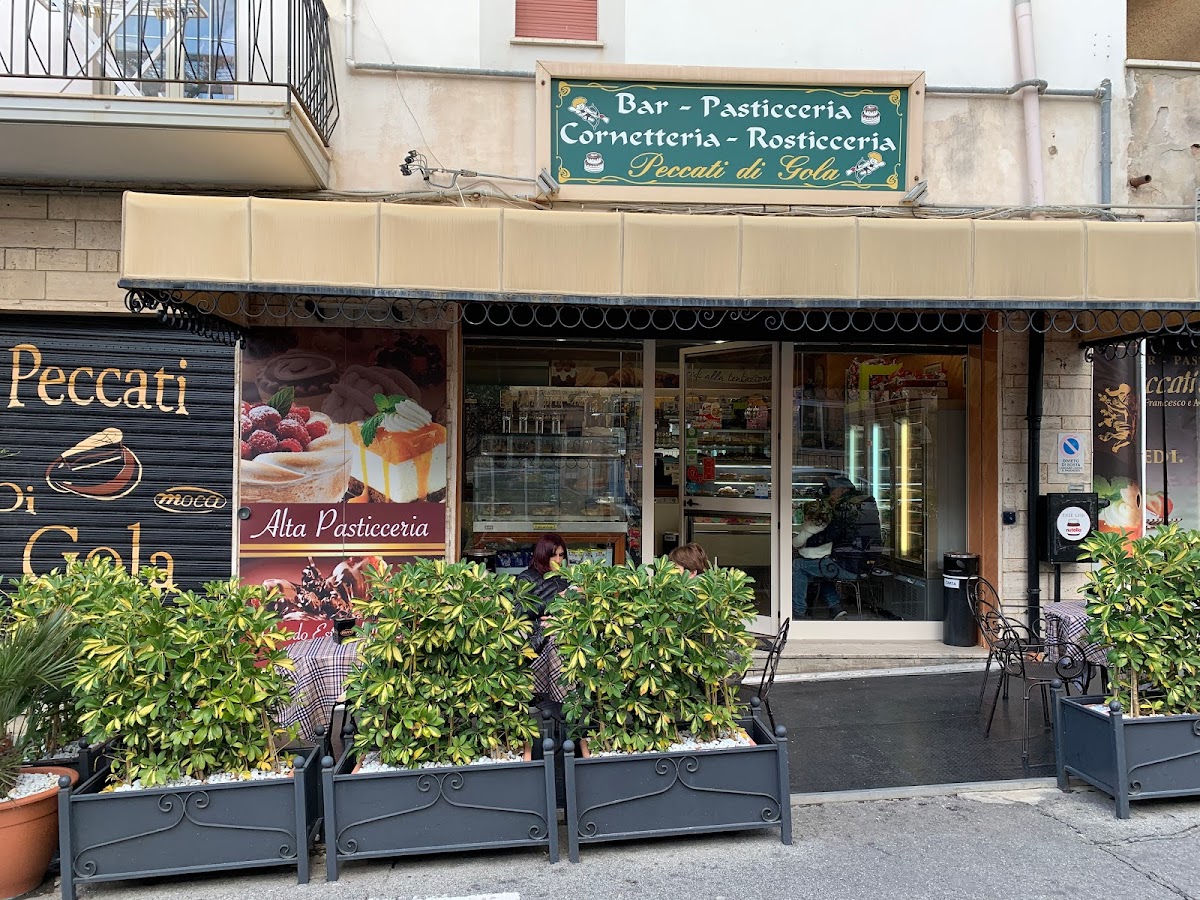
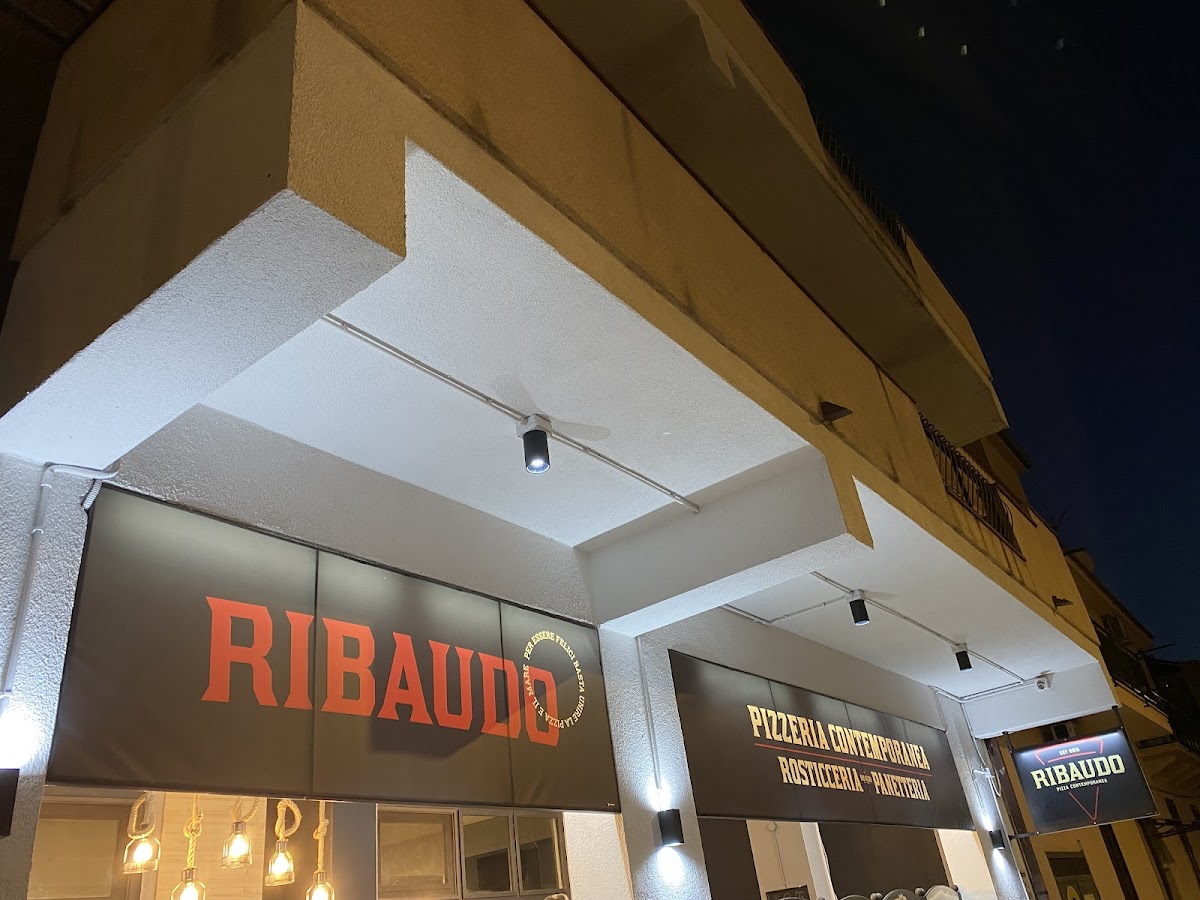
The Tropea red onion IGP is the product that made the city famous worldwide even before tourism. Exceptionally sweet, almost without the acidity of ordinary onions, it is eaten raw in salad, caramelised in omelettes, made into preserves. The sweetness comes from a combination of sandy soil, mild climate and irrigation with low-calcium water — replicating it elsewhere is difficult. In the old town restaurants you find it in every dish: in pasta chijna (stuffed pasta), in pickled vegetables, in local omelettes. Nduja — spicy spreadable pork salami from Spilinga, 20km away — is the other protagonist: spread on bread, melted into sauce, used as a pasta base. Da Ribaudo (Piazza Cannone) is the town's benchmark pizzeria, frequented by locals at every hour. Bar Cornetteria Peccati di Gola on the Corso is where Tropeans have had breakfast for decades: fresh pastries and local specialities. Bar La Novità on Piazza Ercole is the morning coffee bar. Livasì Food & Store on Via Umberto I is the wine shop for Calabrian wines and local products to take home.
Where to stay — from wellness resort to seaside camping
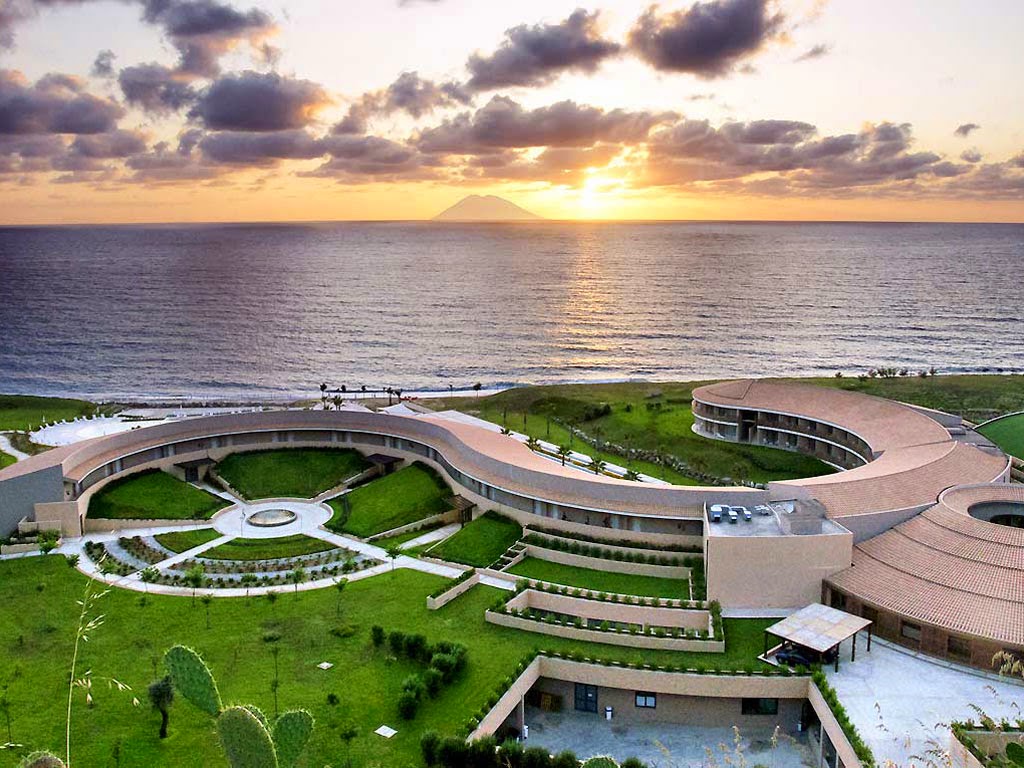
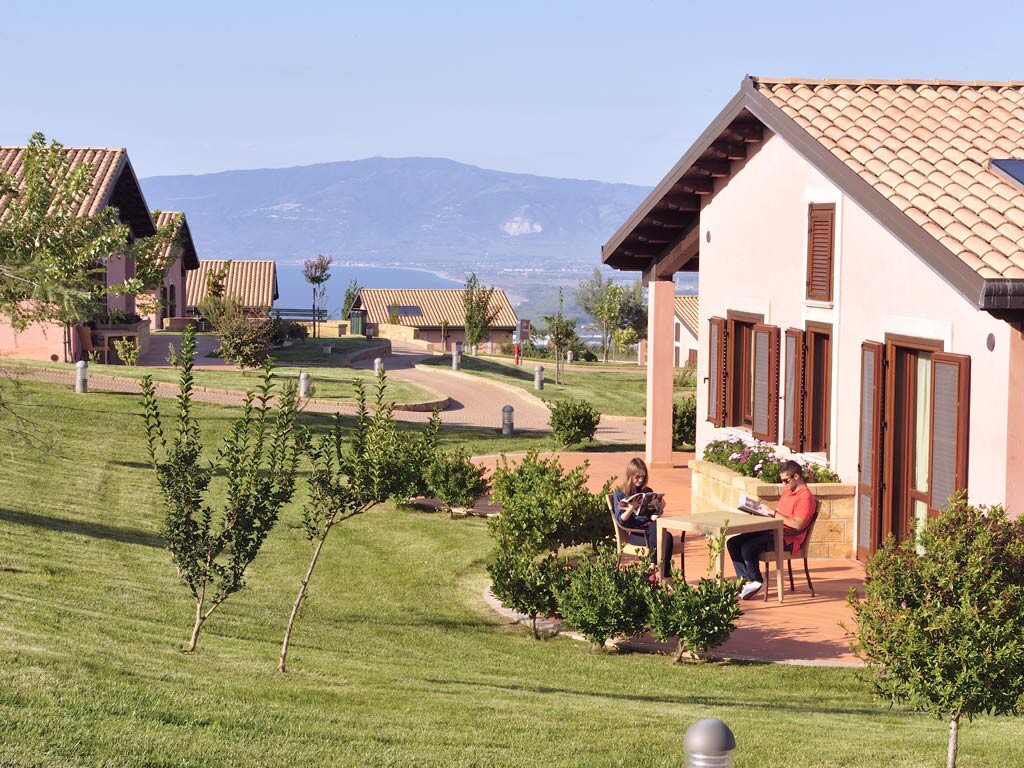
Tropea's and surroundings accommodation is dominated by the wellness-resort segment. Popilia Country Resort (★★★★, 4.6/5 from 2,000+ reviews) is the reference for spa and sea views at high quality. Capovaticano Resort Thalasso Spa (★★★★, 4.4/5) at San Nicolò di Ricadi specialises in marine treatments with direct access to one of the Costa degli Dei's most beautiful coves. Aldiana Club Rocca Nettuno (★★★★, 4.5/5) is the all-inclusive option in the centre of Tropea, convenient for walking the village without transfers. La Dolce Vita a Tropea (4.9/5) is the old-town wellness centre, for those staying elsewhere who want a sea-view massage. For tighter budgets: Camping Marina del Convento (4.2/5) and Camping Marina dell'Isola offer direct beach access. Borgo Sul Porto in Parghelia (4.6/5) is the higher-end camping option with access to Parghelia's coves.
Practical tips
June and September are the best time: beaches enjoyable, prices reasonable, no traffic. August is beautiful but chaotic — prices double and parking in the centre becomes a serious problem.
Tropea red onion IGP can be bought directly from producers along the SS522 outside town: it costs a third of old-centre shop prices.
The climb to Santa Maria dell'Isola is free. Avoid midday in July-August: the tufa stairway is exposed to direct sun.
The most convenient car park for the old centre is the Belvedere Car Park — paid but directly above the Spiaggia del Cannone.
Lamezia Terme airport (SUF) has direct flights from across Europe in summer. Car hire is essential for exploring the coast beyond Tropea.
Frequently asked questions
When is the best time to visit Tropea?
June and September are the ideal months: the sea is already warm (24-26°C), beaches are enjoyable and prices are much lower than August. July is still manageable. August is peak prices and heavy coastal traffic — avoid it if you can.
Is the Tropea red onion really that different?
Yes. The sweetness is structural, not a seasonal variation: the sandy soil of the promontory and irrigation with mineral-poor water make it almost free of sharpness. It can be eaten raw without tearing. The IGP protects production within a restricted area around Tropea and Briatico.
How do you get to Tropea?
Fly to Lamezia Terme (SUF) plus car hire is the best solution for those coming from outside Calabria. The train stops at Tropea on the Reggio Calabria-Lamezia line, useful from Reggio (1h40') or Lamezia (45'). By car: from the A3 motorway, exit Pizzo Calabro, then SS522.
What to visit beyond Tropea on the Costa degli Dei?
Capo Vaticano (coves below the Aragonese tower), Pizzo Calabro (chocolate truffle, Castello Murat), Vibo Valentia (National Museum of Calabria), Nicotera (medieval village, long sandy beaches). Spilinga (20km) is the nduja village — the annual festival can be visited in July.
Plan your trip
Build your itinerary