Emilia-Romagna is not just mortadella and balsamic vinegar. This stretch of central Italy preserves natural landscapes of extraordinary variety: from the Po Valley crossed by freshwater canals to the wild reliefs of the Tuscan-Emilian Apennines, where you can breathe genuine mountain air. Between Modena and Bologna, the hills take on dark green hues, furrowed by glacial streams and beech forests. The coastal wetlands maintain intact ecosystems where herons and night herons nest. This guide follows the less-traveled paths, internationally recognized reserves, and seasonal cycles that transform the territory in every period of the year. You will not find nature alone: you will discover how the landscape has shaped the cuisine, culture, and very identity of this region.

The Landscape: Natural Features of Emilia-Romagna
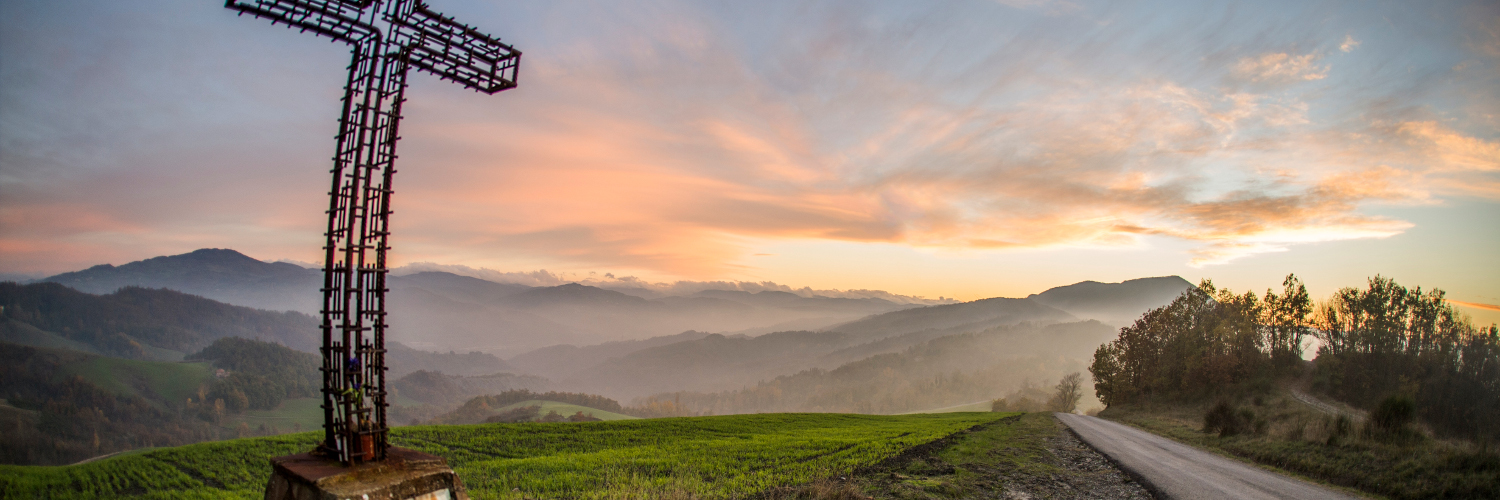
The Emilia-Romagna territory is clearly divided into three landscape zones. The Padana Plain, which occupies the northern sector between Modena and Ferrara, is a mosaic of cultivated fields crossed by irrigation channels and meandering rivers such as the Reno and Oglio. It is a human landscape but not barren: the embankments host willows and poplars, the remaining ponds maintain rich aquatic fauna. The hills begin around Bologna, where the Bologna Hills rise gently but well-defined, covered by oak and beech forests. Here flow crystalline streams such as the Rizzano and Savena. The Apennines proper represent the wild heart: the ridges of Corno alle Scale (1,945 m) and Cima di Stino (1,804 m) dominate the horizon beyond Bologna. These reliefs host alpine meadows at their summits, relictual peat bogs, and primordial black beech forests. The Lagoni di Mercatelli Regional Park preserves high-altitude wetlands with specialized flora. The vegetation transitions from deciduous forest at lower elevations to conifers and subalpine meadows beyond 1,500 meters, creating a biological richness that surprises those who know only the curves and Michelin stars of Modena.

# Trails and Trekking: The Best Routes and Their Difficulties
The trails of Emilia-Romagna range from gentle hillside walks to demanding alpine crossings. For beginners, the CAI Trail 00 from Castiglione dei Pepoli climbs gradually along the Rizzano Stream to the Valpiana Refuge (1,200 m), achievable in 4 hours, with wide views over the Bologna valley. The Bologna Hills offer the Mulini Trail, a 12 km loop starting from the Bologna Charterhouse, touching streams and rural villages—also suitable for experienced cyclists, completable in 5-6 hours. For moderately trained hikers, the climb to Corno alle Scale (CAI trail 053 from Castiglione) takes 5-6 hours, rewarding you with panoramas spanning from the Apennines to the Po on clear days. In spring the mountainsides light up with yellow daffodils and anemones. The more challenging alternative is the Corno alle Scale–Libro Aperto–Cima di Stino crossing (two days), which requires alpine experience. For those seeking brevity without sacrificing elevation, the Old Pasture Trail from Pianaccio (Modena hinterland) reaches 1,600 m in 2.5 hours with spectacular views over the ridgelines. All routes are marked CAI; detailed maps are available at the refuges and mountain communities of Modena and Bologna.
Parks and Natural Reserves: Protected Areas and Wildlife
The San Gherardo Natural Oasis, located in the Colli Bolognesi hills a few kilometers from Bologna, is a peat bog managed by the WWF where night herons, grey herons and white storks nest among reed beds and water mirrors. Access is free on marked guided trails; optimal from May to September when nesting is active. The Lagoni di Mercatelli Regional Park, in the Bolognese hinterland towards Porretta Terme, protects high-altitude glacial lakes, relict peat bogs and a unique specialized flora found only in Emilia. Prior contact with authorized guides available through the mountain community is mandatory: guided excursions are conducted by reservation (30-50 euros per group). Towards Modena, the Corno alle Scale Park (managed by the regional authority) does not require specific permits but offers information centers at mountain huts. Here live roe deer, badgers and, in rare sightings, Apennine wolves. The Abetone State Nature Reserve (Tuscan border) hosts black woodpeckers and golden eagles. For those preferring humid lowland nature, the Comacchio valleys (on the Ferrara border) maintain deltaic ecosystems with flamingos and whiskered terns: accessible by boat tours from Porto Garibaldi.

Seasons and practical advice: when to go, equipment, guides
Spring (April-May) is the ideal time: temperatures between 12-18°C in the hills, peak blooming of daffodils, anemones and toothworts along the trails, transparent air on the ridges. The mountain huts begin full service from mid-April. Summer (June-August) is scorching in the plains (30°C+) but cool in the mountains (15-20°C): July-August see crowding in popular huts like the one at Corno alle Scale; book in advance. Autumn (September-November) offers magnificent colours in the beech forests and ideal climate for long trekking, with long days lasting into late October. Avoid November-December when fog blocks the views and trails become muddy. Winter (December-March) transforms the ridges above 1,400 m into a snowy landscape: interesting for experienced hikers but risky without alpine experience; equipment: crampons, ice axe and bivvy sack are mandatory. For navigation, download the OpenAndroMaps maps on your smartphone or purchase IGM 1:25,000 tablets at the Comunità Montana del Corno alle Scale (tel. 0534 20.305). Rental of environmental guides (60-80 euros/day for 1-2 people) is available through Wolf's Spirit A.S.D. of Bologna, which also offers orientation and bushcraft courses. Equipment: hiking boots with Vibram soles, 25-30 litre backpack, waterproof jacket, at least 1.5 litres of water. The huts are managed by local volunteers with seasonal menus based on Emilia ingredients: at Rifugio Valpiana you can savour homemade tortellini and mountain ricotta. Back in Modena, dinners at Garum - Cucina Indipendente, NOI Osteria Contemporanea, or Emilia Bistrò will allow you to connect the hiking effort to the Emilia table.
Practical tips
Download offline OpenAndroMaps maps before departing: cellular reception is unavailable above 1,200 meters on the Apennine ridges.
Book the mountain huts at least a week in advance in July-August: Rifugio Valpiana and Rifugio Corno alle Scale fill up with weekend hikers.
Visit the San Gherardo Nature Oasis on weekdays in May-June to avoid crowds: the waders' nuptial migration is pure spectacle.
Bring a headlamp and spare batteries: CAI trails above 1,500 meters without night lighting become treacherous after 6 PM from October onwards.
Dine at Trattoria Aldina or Fà a Mód after excursions: zero-kilometer Modenese cuisine with tortellini and baked macaroni truly restores muscular fatigue.
Plan your trip
Personalised day-by-day itinerary in 5 minutes — restaurants, hotels, live events.
Plan now