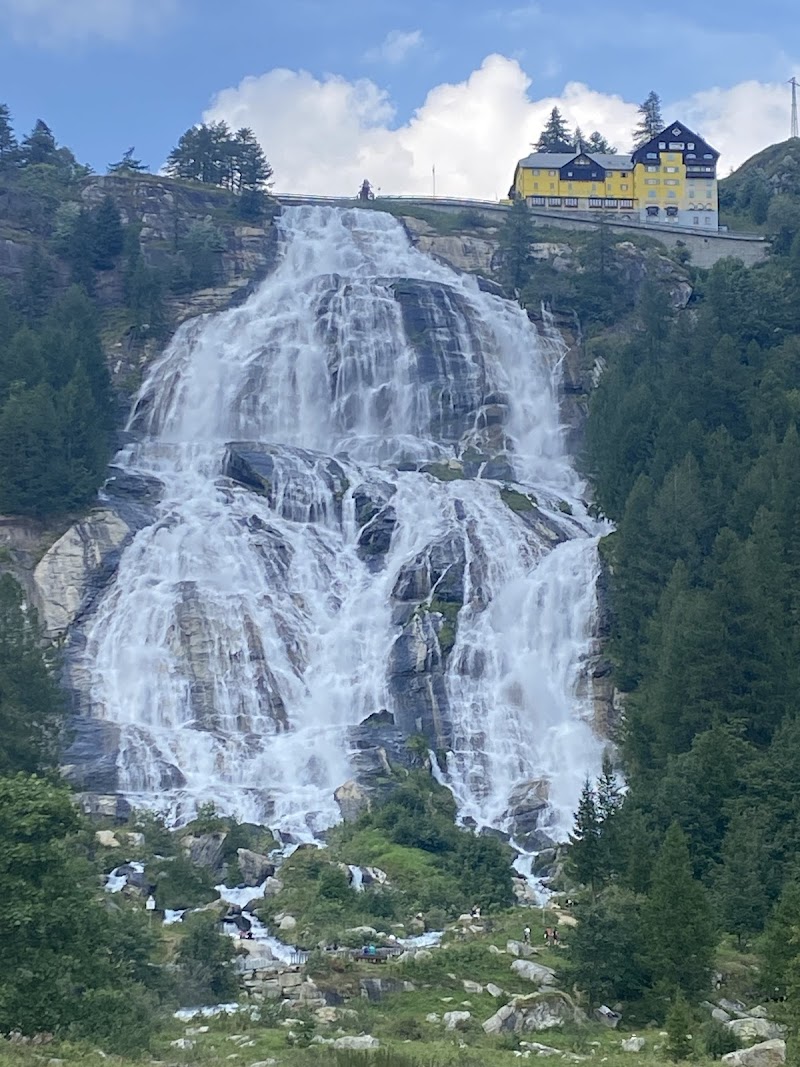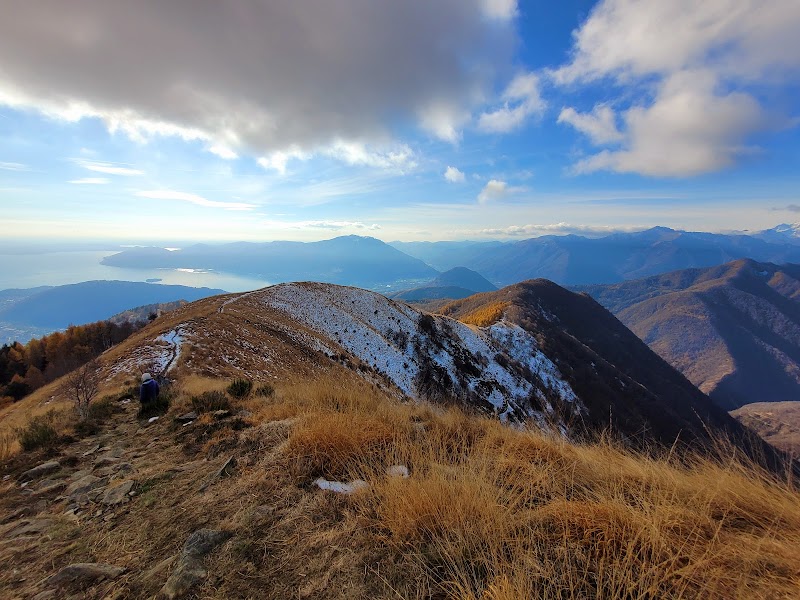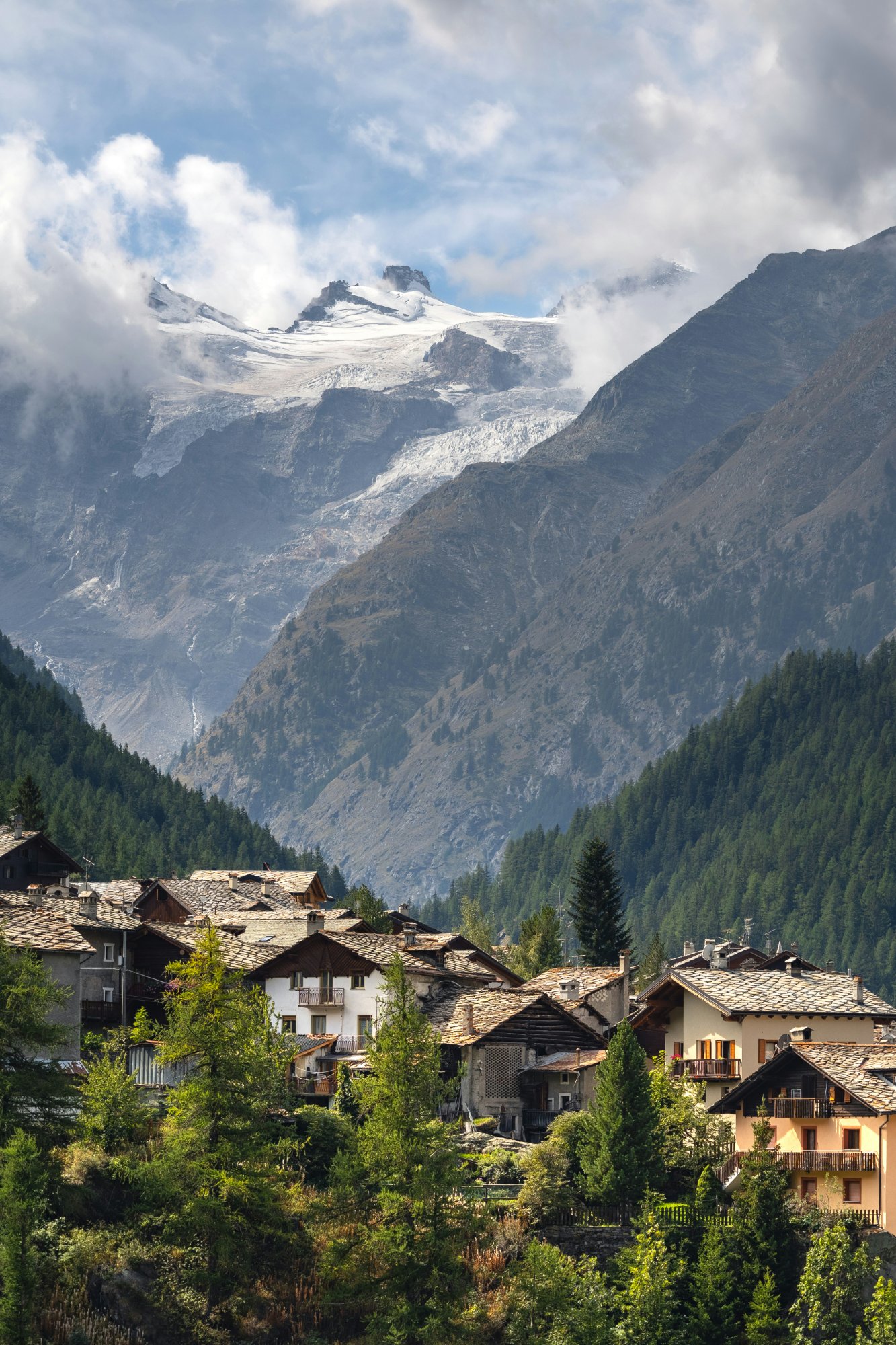
The Gran Paradiso National Park is Italy's oldest, founded in 1922 when Vittorio Emanuele III donated his private hunting reserve to the State. The reason was the Alpine ibex (Capra ibex): in 1913 fewer than one hundred survived worldwide, all in the Gran Paradiso massif. Today the population exceeds 4,000, and the park is one of the few places in Europe where encountering wild ibex in natural habitat is almost certain. The Piedmontese section — Valle Orco and Val Soana (province of Turin) — is less visited than the Aosta Valley side and therefore wilder. To the northeast, the Valsesia (province of Vercelli) is Piedmont's longest glacial valley: 80 kilometres from Monte Rosa to Varallo, with the Walser villages of Alagna, Gressoney and Rimella preserving medieval Germanic language, architecture and culture intact.
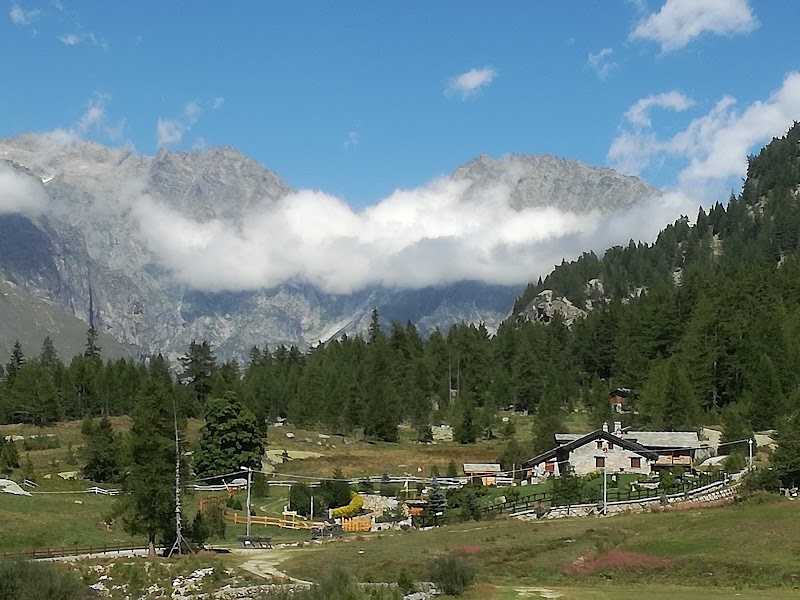
Gran Paradiso National Park: the Piedmont Side
The main Piedmont access is via Valle Orco: A5 motorway from Turin to Ivrea, then SP460 to Ceresole Reale (1,616m altitude). Ceresole Reale is the starting point for the most-used trails on the Piedmont side. The Park Visitor Centre at Noasca (20km before Ceresole, open May-October) has maps, trail information and recent wildlife sighting updates — essential before departing. For ibex observation: the meadows around Lago Serru (2,275m, 8km from Ceresole by car plus 20 minutes on foot) and the slopes above Ceresole are the most reliable spots. Best hours: dawn and late afternoon. Bring binoculars. Adult male ibex with large lyre-shaped horns are unmistakable; in summer they often approach trails without fear. Chamois, marmots and golden eagles are regularly observed. Bear and wolf are present but rarely seen. Recommended trail for non-experts: Ceresole Reale — Lago Serru — Lago Agnel (2,303m): 10km round trip, 700m elevation gain, views over the Gran Paradiso massif (4,061m, the highest peak entirely in Italy). Allow 4-5 hours.
Val Soana: the Wildest Valley
Val Soana is the smallest and least-visited of Gran Paradiso's Piedmont valleys — and the wildest. Access is from Pont Canavese (TO), then provincial road to Ronco Canavese and Valprato Soana. The road ends at Piamprato (1,500m): beyond that, only trails. The valley is known among experts for its chamois density and valley-floor trails along the Soana torrent, walkable without alpine experience. The village of Valprato Soana (1,050m) has a few simple accommodation options and a local trattoria — the valley's only one. For those wanting to sleep in the park: Rifugio Pontese at Piamprato (1,556m, open June-September, tel. 0124 812045, €35-45/night half board) is the base camp for high-altitude excursions.
Valsesia: the Walser Villages and Alagna
The Valsesia runs 80km from the Sesia river at Varallo up to the Monte Rosa glacier. The Walser are a Germanic-origin population that colonised alpine valleys between the 13th and 14th centuries from the Swiss Valais — their language (töitschu, a medieval Alemannic dialect), architecture (wooden houses on stone bases, four-sided loggias for hay-drying) and cuisine (rye bread, Maccagno cheese) remain alive in Alagna, Rima San Giuseppe, Rimella and Carcoforo. Alagna Valsesia (1,191m) is the access point for the Monte Rosa ski resort and in summer for the high-valley rifugio network. The Walser Museum in Alagna (Pedemonte hamlet, open Saturday and Sunday, €3) is the best cultural introduction. Maccagno DOP cheese from Rimella is the valley's gastronomic peak — raw paste, natural rind, delicate flavour with herbal notes. Varallo Sesia, at the valley's lower end, has the oldest Sacro Monte (1491) with 45 chapels and 800 statues — described fully in the Lake Orta guide.
Seasons and Logistics
Gran Paradiso: optimal season is July-September for high-altitude trails (snow on peaks until June). Mountain rifugi generally open mid-June and close end of September. Ceresole Reale is accessible by car year-round but SP461 beyond Ceresole may be closed for snow from November to April. Minimum equipment: trekking shoes with rigid sole, waterproof layers, poles for trails with elevation gain. Temperatures at altitude are 10-15°C lower than the plain in any season. Valsesia: Alagna is accessible year-round (winter ski resort); Walser trails in the lateral villages are walkable May-October. Train from Turin Porta Nuova to Varallo Sesia requires a change at Novara (total 1h 45', €8.40). From Varallo, provincial bus to Alagna (1h, reduced timetable).
Practical tips
For ibex: Lago Serru (above Ceresole Reale) at dawn or dusk. Bring binoculars — they are often 50-100 metres from the trail
The Park Visitor Centre at Noasca is essential before any excursion — they update trail conditions and recent wildlife sightings daily
Temperatures drop rapidly at altitude even in summer — always carry a waterproof second layer even on sunny mornings
The Walser Museum in Alagna (Pedemonte hamlet, Saturday-Sunday, €3) is the best introduction to Walser culture before visiting the villages
Maccagno DOP cheese from Rimella is available in local shops in Alagna and Varallo — take some home, it is not found outside the Valsesia
Plan your trip
Personalised day-by-day itinerary in 5 minutes — restaurants, hotels, live events.
Plan now