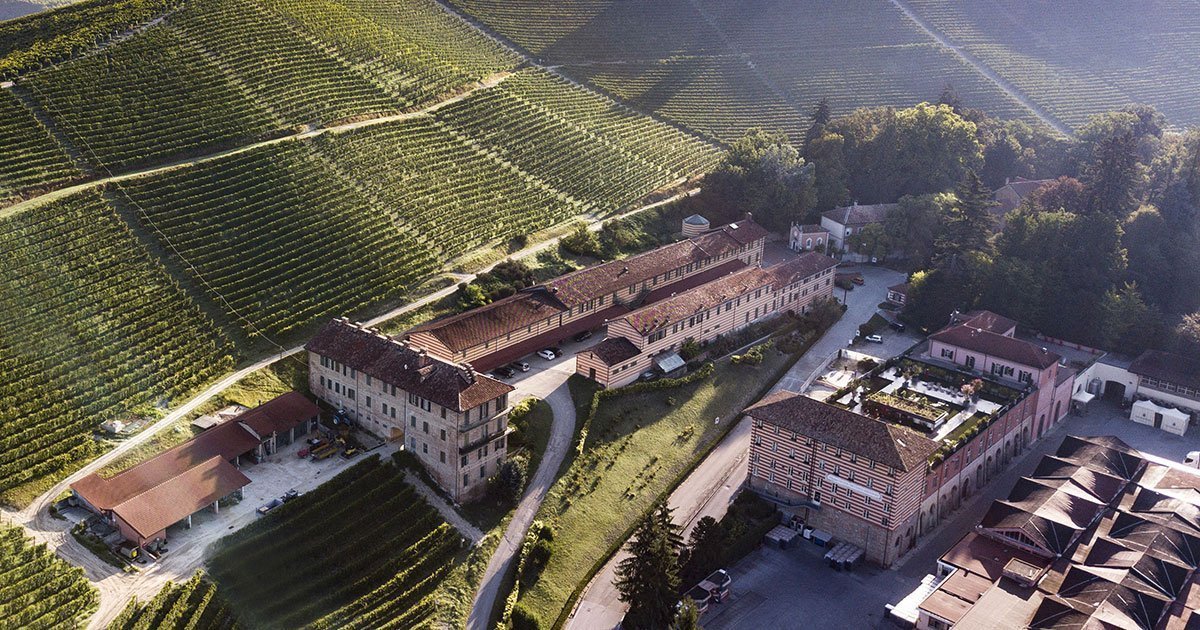
Langhe is the beating heart of Piedmont, a landscape of gently rolling hills that stretch toward the horizon like waves of red and green earth. Here, among the vineyards of Barolo and Barbaresco, Italy's most prestigious wines are born, and every corner of the road tells a story of generations devoted to perfection. A journey to Langhe is a total immersion in the pleasures of Italian life: wine, food, and the unpretentious beauty of nature.
The Landscape
Langhe extends through southern Piedmont, between the provinces of Cuneo and Asti, characterized by hills reaching 700 meters in altitude. The landscape is a masterpiece of balance: vineyards stretch endlessly, alternating with hazelnut and oak forests, creating an unparalleled visual mosaic. The hills, shaped by millennia of erosion, follow sinuous geometries that change color with the seasons: purple and gray in winter, emerald green in spring, golden in summer, red and orange in autumn. The Tanaro River marks the natural boundary between Langhe and Roero, draining the waters of this generous land. The soil is predominantly calcareous and marly, perfect for cultivating noble grape varieties.
History and Folklore
Langhe was inhabited since Celtic times, then conquered by Romans who saw the agricultural potential of these lands. During the Middle Ages, the territory was contested among marquises, signories, and the Duchy of Savoy, creating a mosaic of proudly independent small towns. Modern viticulture began in the 18th century when the Falletti marquises of Barolo introduced French aging techniques. Local legend speaks of the Panj, a mischievous spirit of the hills who deceives distracted vintners. Even today, farmers tell of unexplained weather anomalies attributed to this folkloric entity. In Piedmontese folklore, Langhe is the territory of fairies and sprites who protect the finest vineyards, granting them extraordinary harvests.
What to Eat
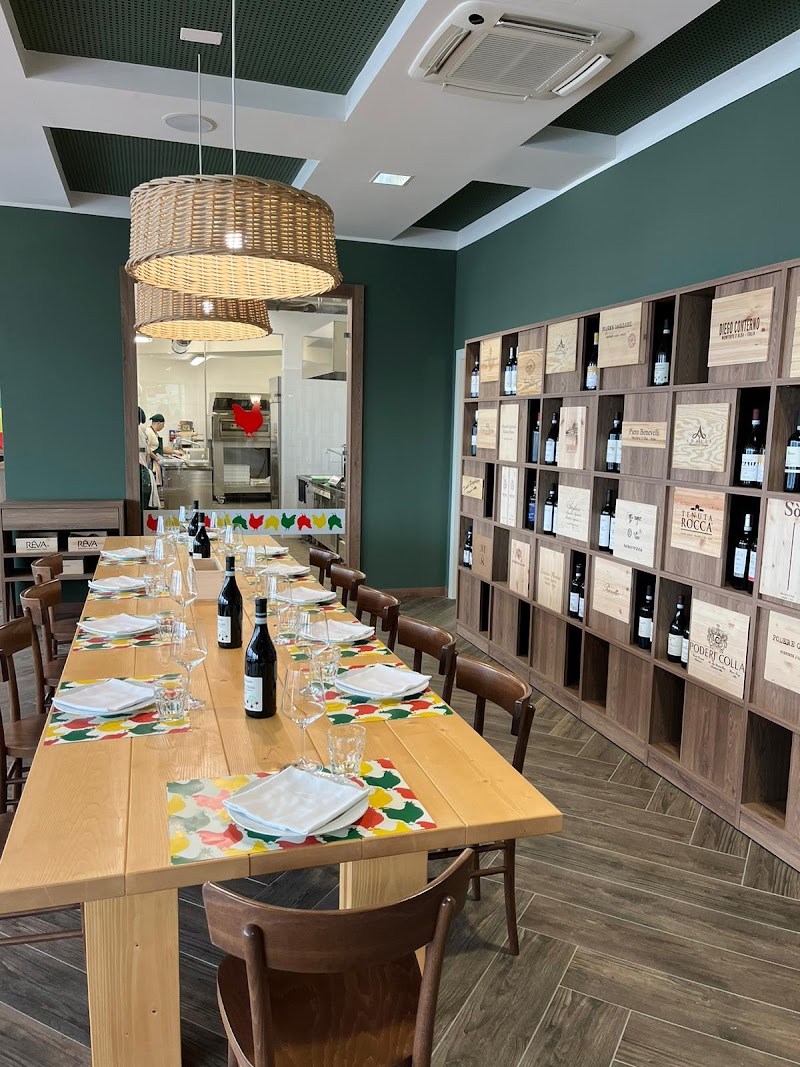
In Langhe, the table is a sacred ritual. Begin with Tajarin al tartufo bianco d'Alba DOP, handmade fresh pasta that absorbs the intoxicating aroma of Italy's most sought-after truffle. Continue with braised Osso Buco and Brasato al Barolo, where meat dissolves in the richness of local wine. Vitello Tonnato, a dish of aristocratic simplicity, unites paper-thin sliced beef with a creamy tuna and anchovy sauce. Don't miss Nocciole Piemontesi IGP from Cortemilia, used in traditional desserts. Piemontese Bollito Misto, served with spicy and delicate sauces, is the apex of peasant tradition elevated to culinary poetry. Each dish tells generations of rural wisdom.
What to Drink
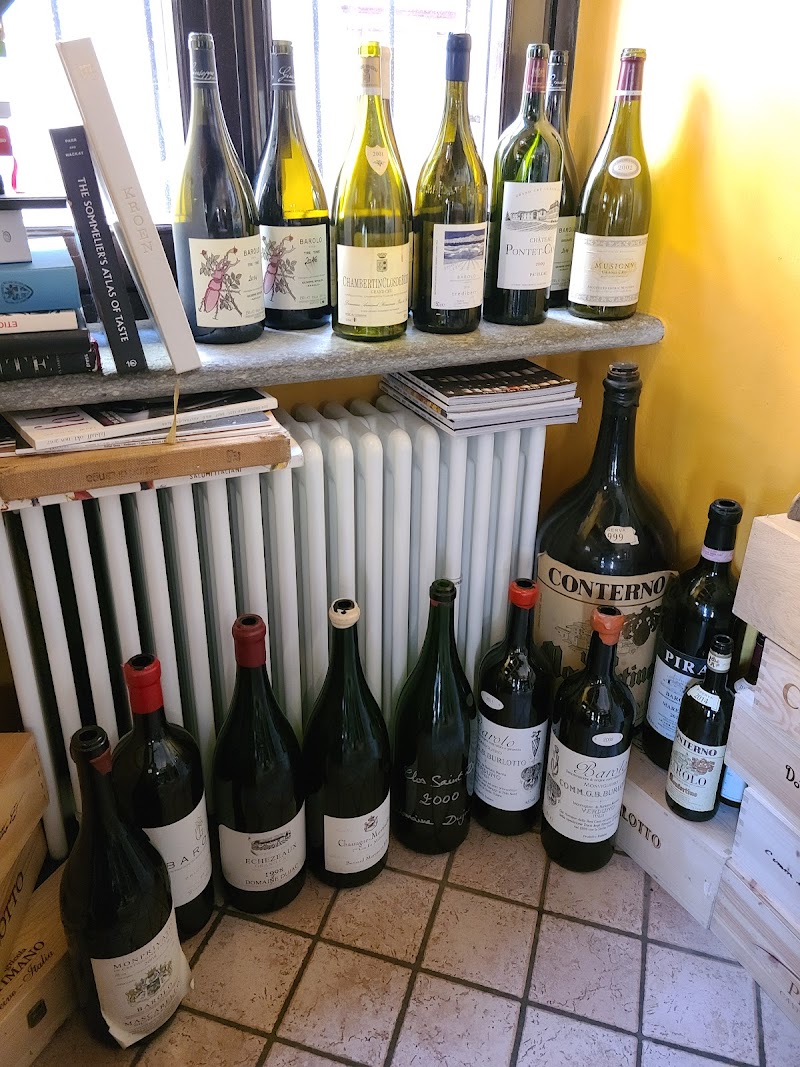
Barolo DOCG, the king of Piedmontese wines, is produced from Nebbiolo grapes around Barolo, Serralunga d'Alba, and La Morra. Robust and complex, it requires years of aging to develop its full elegance. Barbaresco DOCG, its noble cousin, is slightly softer and more approachable. Barbera d'Alba DOC offers fresh, fruity liveliness perfect for accompanying meat dishes. Moscato d'Asti DOCG, sweet and sparkling, is the festival wine, light as a cloud. Don't miss the rare Gavi DOCG, a dry white wine with subtle charm, produced in the nearby Colli Tortonesi.
When to Visit
Spring (April-May) awakens the hills with wildflowers and new shoots: perfect for walks and photography. Summer offers long, warm days ideal for hiking. Autumn (September-November) is magical: harvest is underway, hills turn rust-gold, and Alba's White Truffle Festival (October) attracts seekers worldwide. Winter is quieter, perfect for cellar tastings. The Alba White Truffle Festival, October-November, is unmissable: markets, dedicated dinners, and nighttime truffle hunting. The Palio dei Vignaroli in Monforte d'Alba in September celebrates the harvest with processions and banquets.
Places Worth Visiting
Barolo, the terracotta-colored village clustered around its medieval castle, is the beating heart of the wine region. The castle houses an excellent collection of contemporary art and local history. Alba, city of medieval fairs and truffles, enchants with its noble towers and cathedral. Neive, among Italy's most beautiful, maintains intact medieval atmosphere with narrow lanes and historic cellars. For wine lovers, the hills around Serralunga d'Alba and La Morra offer unforgettable views and authentic tasting experiences in family-run wineries.
Practical tips
Rent a car or book a wine tour: Langhe roads are winding and most cellars require reservations. Don't drive after wine tasting!
Visit cellars in the morning when vintners are more available and light is perfect for vineyard photography. Tastings are better appreciated on a non-empty stomach.
If you're in Alba between October and November, join a nighttime white truffle hunt: an authentic experience with local truffle hunters who'll teach you trade secrets.
Plan your trip
Personalised day-by-day itinerary in 5 minutes — restaurants, hotels, live events.
Plan now