Lombardy is not just Milan. Beyond the skyscrapers and railway stations, there extends a territory of extraordinary natural richness: the Orobian Alps that rise north of Bergamo, the crystalline waters of the pre-Alpine lakes, the chestnut woods of the Imagna Valley, and the irrigated plains dotted with navigli and fountainheads. This guide will lead you through the wild landscapes that characterize the region, from the guided excursions of Milan's Curious Hikers to protected reserves such as the Valpredina-Misma WWF Oasis. You will discover how Lombard topography tells a story of glacial erosion and human adaptation, where each season radically transforms the character of the territory. Prepare yourself to explore an authentic and little-known Lombardy.

The Landscape: Mountains, Lakes and Rivers that Shape Lombardy
Northern Lombardy is dominated by the Orobie Alps, a mountain range that reaches 3,000 meters in the Pizzo Coca and Pizzo Badile massif. This orographic complex creates a dramatic transition from the Po Valley to rocky peaks, generating extraordinarily diverse microclimates and habitats. The Seriana Valley, which extends north from Bergamo to the municipality of Ardesio, cuts deeply through this massif, creating vertical limestone walls and verdant valley floors where beech and fir forests thrive. To the west, the system of prealps lakes—Como, Iseo, Garda—modulates the regional climate with their cold and deep waters, a legacy of Quaternary glaciations. The Navigli, artificial canals built from the Middle Ages onward, transform the plain into an intricate system of waterways that feed rice paddies and meadows. This varied geography generates unique ecosystems: from the wetlands of Lomellina to the chestnut forests of the Imagna Valley, to the alpine meadows of the Valpredina-Misma WWF Nature Reserve, where roe deer and black woodpeckers live. Every landscape element reflects the power of nature and the millennia-old ingenuity of the Lombards.

Trails and Excursions: From Bergamo to the Prealps Lakes
The Lombard hiking network offers routes for every skill level, from riverside walks to challenging alpine treks. The Curious Hikers of Milan organize guided excursions along the Navigli, where historic canal stretches and protected areas alternate, ideal for those who want to discover Lombardy without facing significant elevation gains. For more experienced hikers, Sentierando proposes treks in the northern Prealps with specialized guides: the route from Valle Seriana leading to Rifugio Benigni (1,650 m) crosses stunning alpine environments, with views of Pizzo Coca and Pizzo Badile. From Bergamo station, it is possible to reach Passo della Presolana refuge (1,297 m) in 40 minutes, a starting point for excursions toward the lakes of Coca and Gelt, glacial mirror lakes enclosed in rock amphitheaters. The circular route around Lake Iseo measures approximately 60 kilometers and can be tackled in three days of moderate walking, touching villages such as Sarnico and Lovere. The adventure parks—Parco Avventura Torre Boldone, Parco Avventura Roncola and Parco del Pitone—offer vertical experiences among the branches, suitable for families and beginners.
Protected Areas and Reserves: Biodiversity of the Alpine Lombardy The Alpine regions of Lombardy represent one of the most precious natural heritage sites in Italy. The territory is characterized by a remarkable variety of ecosystems, from high mountain peaks to pristine lakes and lush meadows. This biological diversity is safeguarded by an extensive network of protected areas and nature reserves. Among the most important protected areas, we find the Stelvio National Park, which extends across multiple regions and represents one of the largest protected areas in Italy. This park encompasses glaciers, rocky peaks, and Alpine pastures that are home to numerous species of flora and fauna typical of high mountain environments. The Orobie Alps Regional Park protects the characteristic landscapes of the Orobie mountain range, offering visitors the opportunity to experience authentic Alpine nature. Here, visitors can observe chamois, marmots, and numerous bird species in their natural habitat. The Adamello-Presanella Regional Park is another significant protected area that preserves the natural beauty of these majestic mountains. The park features numerous Alpine lakes and waterfalls that create spectacular scenery. Additionally, numerous smaller nature reserves and protected biotopes contribute to the conservation of specific ecosystems and rare species. These areas are essential for maintaining the ecological balance and protecting biodiversity. The protection of these territories is fundamental not only for the conservation of nature but also for promoting sustainable tourism. Visitors are invited to explore these areas while respecting the environment and maintaining responsible behavior toward these precious natural spaces.
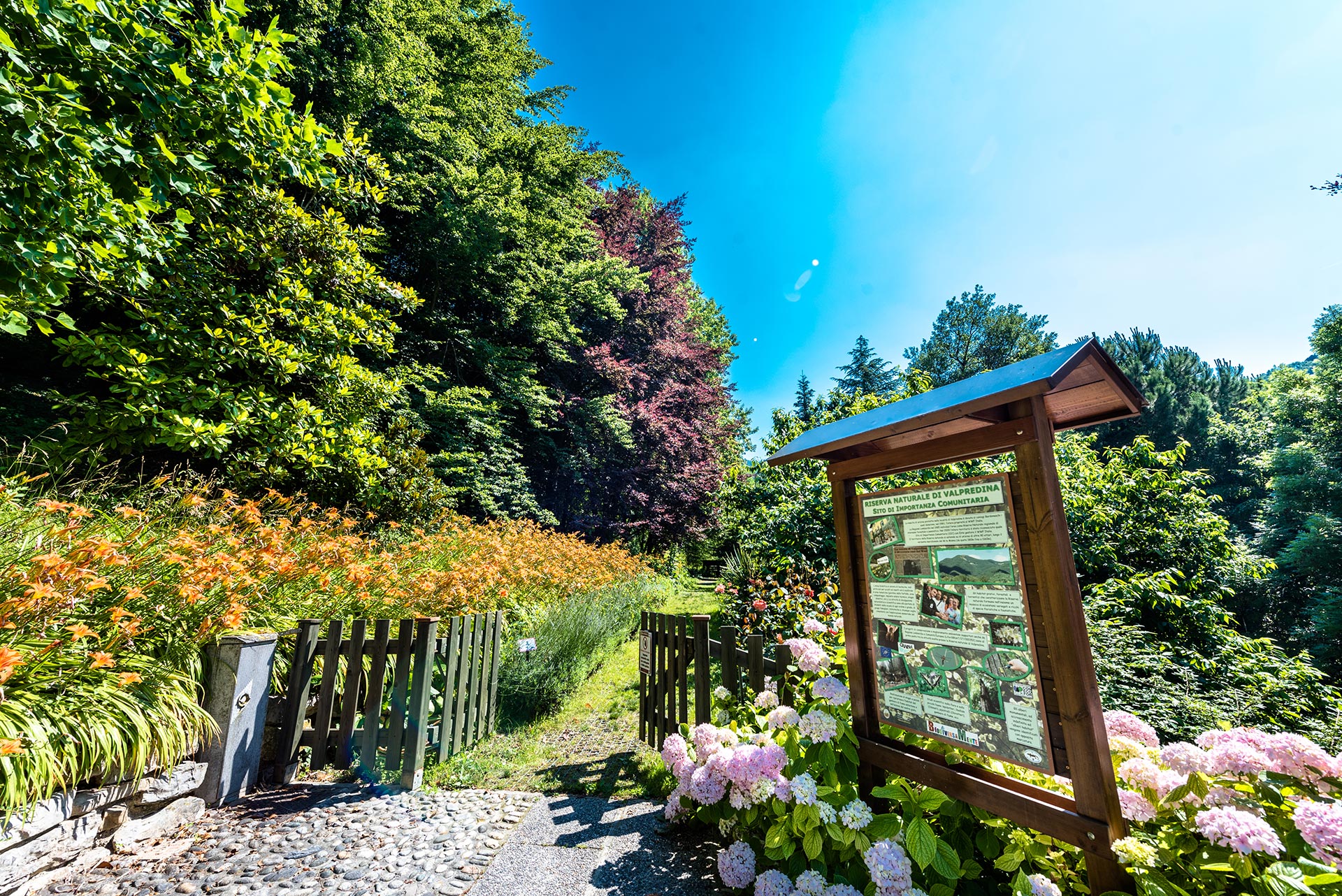
The Valpredina-Misma WWF Natural Reserve, extending over 430 hectares in the Imagna Valley north of Bergamo, represents one of the ecological jewels of the region. Here rare ecosystems coexist: alpine meadows, beech forests and, in wetland areas, plant communities of exceptional conservation value. The marked route of approximately 8 kilometers—accessible from the Roncola locality—guides visitors through habitats where black woodpeckers, goshawks, and sparrowhawks nest, while roe deer and chamois are common sightings at sunset. Entrance is free; specialized guided tours can be booked by contacting WWF Bergamo. To the west, the Ticino Regional Park, which extends over 91,000 hectares between Piedmont and Lombardy, protects one of Italy's most important river systems. Along the banks of the Ticino, near Pavia, willow and alder groves develop that host the kingfisher and the night heron. The Colli di Bergamo Park, with its 5,600 hectares, surrounds the Bergamo city center preserving mixed forests of oak, hornbeam and beech, traversable by well-marked trails from the Enrico Caffi Civic Museum of Natural Sciences. Access: all parks have dedicated parking and extended hours (usually 6-18h). The reserves are closed to the public only in case of severe bad weather.

Seasons and Practical Advice: How to Prepare Your Lombard Adventure
Mountain Lombardy changes radically with the seasons. Spring (April-May) brings floral explosions in the meadows: daffodils and crocuses dominate the Seriana Valley, while rhododendrons color the forests of the Orobie at 1,200 meters. Moderate temperatures (8-16°C in the mountains) make these months ideal for medium-difficulty hikes. Invest in a good pair of waterproof trekking boots (recommended brands: Salomon or Scarpa); the trails are often muddy. Summer (June-September) is the optimal period for mountaineering and high-altitude hikes: the mountain huts (Benigni, Fedare, Gianetti) remain open from 7 to 21, with full menus and overnight accommodation options. Temperatures range from 15-22°C in the mountains; bring thermal layers even in July. Experienced hikers can tackle Pizzo Coca (3,050 m) from June to September; specialized guides can be booked through Sentierando. Autumn (September-October) offers extraordinary colors: the beech forests take on golden and red hues; visibility is excellent. Winter (November-March) transforms the Orobie into snowy landscapes: limited access to main huts, avalanche risk. Necessary equipment: collapsible trekking poles, 30-40L backpack, waterproof jacket, bivouac bag, topographic map (available at the Bergamo Tourism Office, Piazza Vecchia). Permits: no permit is required for recreational hiking; official guides (contactable through Escursionisti Curiosi and Sentierando) cost 150-250 euros per day for groups of 4-8 people. Weather: check forecasts at www.meteo.lombardia.it.
Practical tips
Book with the guides of Curious Hikers of Milan at least two weeks in advance; they offer tailor-made excursions for your technical level and specific natural interests.
Visit the WWF Valpredina-Misma Oasis with a specialized guide at sunset (5-7 PM) to maximize the chances of spotting roe deer, woodpeckers and birds of prey in action.
After strenuous excursions, dine at Cavatappi in Bergamo Alta or Osteria Tre Gobbi to restore your energy with authentic dishes of casseroles and polenta taragna.
Download free offline maps of Valle Seriana and the Orobie mountains from the AllTrails app before you leave; 4G reception is sporadic above 1,500 meters.
Stay at La Valletta Relais in Bergamo to access excursions in the Orobie Mountains in less than an hour; organic breakfast and wine list with selections from Enoteca Wine Living of Milan.
Plan your trip
Personalised day-by-day itinerary in 5 minutes — restaurants, hotels, live events.
Plan now