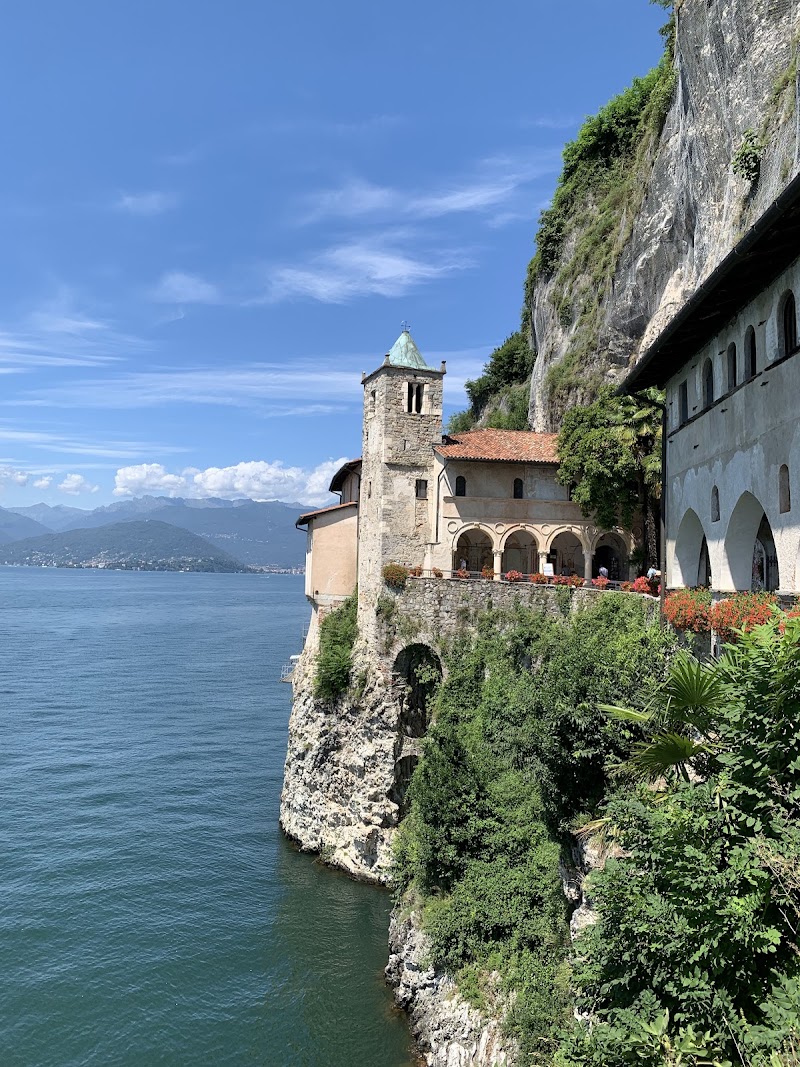
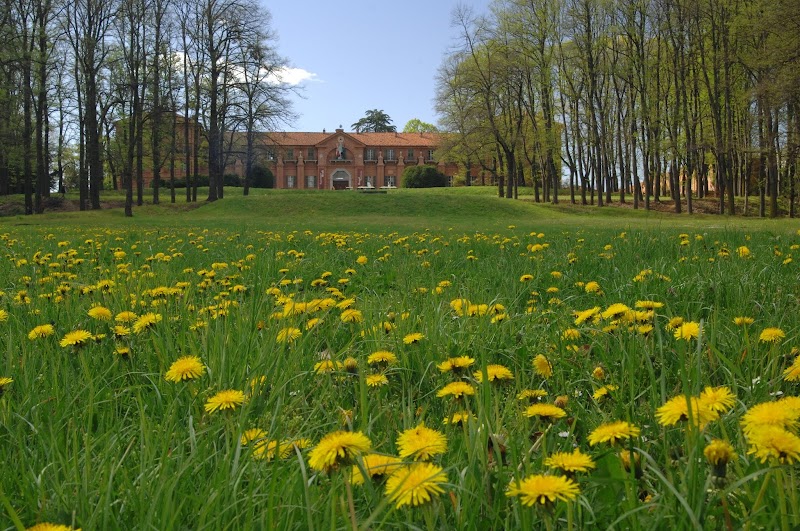
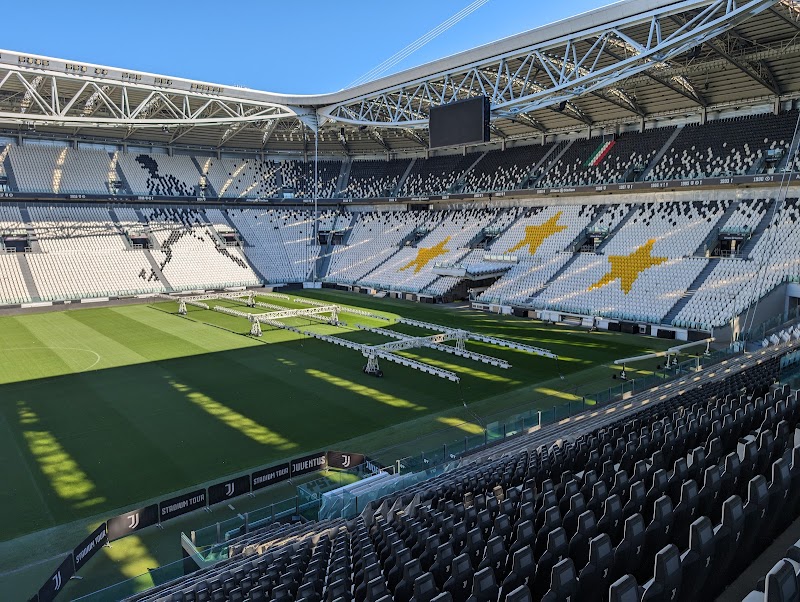
The northwestern loop is northern Italy's most ambitious itinerary: from the fashion capital of Milan through the glacial lakes and the highest peaks of the Alps, down the dramatic Ligurian cliffs of the Cinque Terre, inland through the gastronomic empires of Parma and Bologna, and finally east across the Byzantine gold of Ravenna to the Adriatic coast. Nine distinct territories, nine completely different ways of being Italian.

The Metropolis of Style — Milan
The grand northwestern loop begins in Milan (Milano), a city that operates as Italy's powerhouse of fashion, finance, and futuristic design. At the literal and emotional heart of the city stands the Duomo di Milano, a breathtaking mountain of white Candoglia marble sculpted into thousands of Gothic spires and statues — to climb to the cathedral's rooftop is to walk among a forest of stone pinnacles with the Alps faintly visible on the horizon. Steps away, the glass-domed Galleria Vittorio Emanuele II, the city's 19th-century covered arcade known as Milan's living room, leads to the legendary La Scala opera house. Milan also guards hidden masterpieces: inside the quiet refectory of Santa Maria delle Grazie hangs Leonardo da Vinci's The Last Supper (mandatory online booking, only 15 minutes per slot — book at least 3 months in advance). From the historic Navigli canal district to the gleaming skyscrapers of Porta Nuova, Milan sets a high-octane tone for the journey ahead. → See our guide to the best day trips from Milan for Lake Como, Bergamo, and Lago Maggiore.

The Silk Mirror — Lake Como
Leaving the urban pulse of Milan, the road heads north where the landscape fractures dramatically into the steep, emerald walls of Lake Como (Lago di Como). Shaped like an inverted Y, this deep glacial lake is an iconic sanctuary of romanticism — its indigo waters, clifftop villas, and aristocratic gardens have enchanted travellers for centuries. The exploration centres on the lake's golden triangle: Bellagio, perched precisely on the central promontory where the lake divides, is a labyrinth of stone staircases, silk boutiques, and grand hotels; the gardens of Villa Melzi and Villa Carlotta cascade to the water's edge ablaze with azaleas and palms. Varenna on the eastern shore is quieter and arguably more beautiful — narrow alleys lead up to the haunting ruins of Castello di Vezio above the lake. Menaggio on the western shore is the practical base for day excursions. The classic crossing between the three villages by ferry is one of the most spectacular short journeys in Italy. → See our Lake Como weekend guide for ferry routes, hotel picks, and day-by-day planning.

The Valley of Castles — Aosta Valley
Turning westward from the lakes, the loop climbs into the extreme northwestern corner of Italy: the Aosta Valley (Valle d'Aosta), Italy's smallest and most mountainous region. This bilingual alpine corridor — Italian and French — is completely hemmed in by Europe's four highest peaks: Mont Blanc (Monte Bianco, 4,808 m), the Matterhorn (Cervino), Monte Rosa, and the Gran Paradiso. The valley floor is dotted with dozens of spectacular medieval castles — Fenis, Verrès, and the imposing fortress of Bard — which once guarded the strategic alpine passes leading into France and Switzerland. In the regional capital of Aosta, Roman ruins including a grand theatre and a triumphal arch sit framed by snow-capped peaks. To ascend the Skyway Monte Bianco cable car from Courmayeur (round trip €50–55; check seasonal closures before going) is to reach the roof of Europe, stepping out above permanent glaciers and blinding white snow at 3,466 m. → See our week-long Valle d'Aosta guide for castles, hiking routes, and the Mont Blanc circuit.

The Royal Capital — Turin
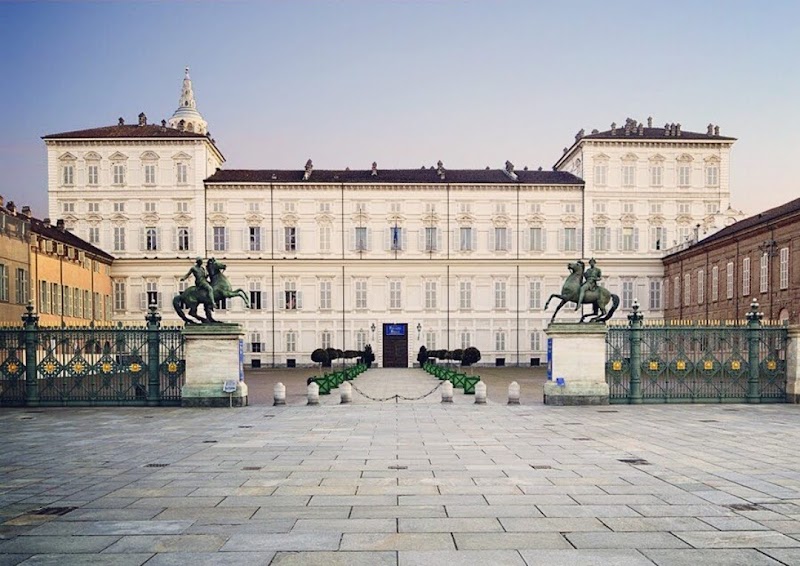
Descending south from the alpine passes, the valley opens into the broad plains of Piedmont and the grand, symmetrical city of Turin (Torino). As the historic capital of the House of Savoy and the first capital of unified Italy, Turin is a city of regal, aristocratic architecture: broad straight boulevards, monumental royal squares, and over 18 km of elegant covered arcades. The Mole Antonelliana dominates the skyline, housing the National Cinema Museum (€15). The Egyptian Museum — second in the world outside Cairo — holds one of the most significant Egyptology collections in existence; book online (€15) and go on a weekday morning. The city's royal past comes alive at the Palazzo Reale and Piazza Castello. Turin is also Italy's great chocolate capital: birthplace of gianduja, the hazelnut-chocolate blend that became the ancestor of Nutella. Its café culture, where bicerin — a layered drink of espresso, melted chocolate, and cream — is sipped slowly beneath crystal chandeliers in century-old cafés, is unlike anywhere else in Italy. → See our Turin weekend guide for the Mole, the Egyptian Museum, and aperitivo trails.

The Sea of Vineyards — Langhe and Monferrato
South of Turin, the flat plains collapse into the breathtaking undulating hills of the Langhe and Monferrato — the UNESCO-listed winemaking heartland of Piedmont (inscribed 2014). Geometric rows of Nebbiolo, Barbera, and Dolcetto vines blanket every ridge and valley. In autumn the hills become a patchwork of crimson, gold, and amber, cloaked in the mystical morning nebbia (mist) that lends the Nebbiolo grape its name. Atop almost every hill sits a medieval village: Barolo, Barbaresco, La Morra, Castiglione Falletto — each giving its name to some of the world's most complex and long-lived red wines. The road from Barolo to La Morra to Castiglione Falletto at golden hour is one of the most beautiful 30-minute drives in Italy; do it before dinner, not after. Alba is the global capital of the white truffle, celebrated each autumn in the historic Fiera del Tartufo. To sit in a rustic osteria eating hand-rolled tajarin pasta in mountain butter with shaved truffle is to experience an agricultural tradition elevated to art. → See our Alba and white truffle guide for the October fair, cellar visits, and where to eat.

The Crescent of Stone — Riviera di Levante
Cutting south across the Apennines, the journey drops to the sparkling Ligurian Sea and the Riviera di Levante — a spectacular crescent of vertical coastline where rugged cliffs plunge directly into turquoise water, sheltering historic maritime villages in hidden coves. The journey begins at the exclusive crescent-shaped harbour of Portofino, where pastel houses reflect in a marina of luxury yachts. Moving east, the coastline builds to a crescendo at the Cinque Terre — five impossibly picturesque fishing villages (Monterosso, Vernazza, Corniglia, Manarola, Riomaggiore) clinging to sheer cliff faces above terraced hillsides carved for olives, lemons, and vertical vineyards. The Sentiero Azzurro coastal path requires the Cinque Terre Card (€7.50–18 depending on access; book the Manarola–Riomaggiore Via dell'Amore section separately). Walking above the surf with wild rosemary and salt air in the breeze is to witness an extraordinary harmony between human resilience and a dramatic marine wilderness. → See our Cinque Terre 3-day guide and our Portofino day trip for logistics, trails, and the best villages.

The Capital of Taste — Parma and the Food Valley
Turning inland over the Apennines, the journey arrives in Parma — the civilised heart of Italy's Food Valley. Parma's historic core is a monument to understated wealth: the Piazza Duomo features a magnificent Romanesque cathedral housing Antonio da Correggio's illusionistic Renaissance dome frescoes, alongside the striking pink-marble octagonal Baptistery. Parma is the spiritual home of opera legend Giuseppe Verdi, and its citizens maintain a discerning passion for the Teatro Regio. But its global fame is inseparable from its extraordinary culinary contributions: Parmigiano Reggiano, aged 12–36 months under strict DOP rules, and Prosciutto di Parma, produced in the surrounding hills. To see production up close, book a morning caseificio visit (6–9am when the cheese is made; €15–20 with tasting) through the Consorzio del Parmigiano Reggiano. These are not tourist attractions — they are daily life.

Reggio Emilia, Modena and Bologna
Moving east down the Via Emilia, the loop passes through Reggio Emilia — quiet, civic, the birthplace of the Italian tricolore flag in 1797 — before reaching Modena. Modena is fuelled by a high-octane blend of fast cars and slow-aged nectar: capital of Italy's Motor Valley, birthplace of Enzo Ferrari (born here 18 February 1898), and spiritual home of Ferrari, Maserati, and Pagani. Within its UNESCO-protected historic centre, the Romanesque Duomo and the Ghirlandina bell tower look down on ancient cobblestones. Modena is also the exclusive home of Aceto Balsamico Tradizionale di Modena DOP — a rich, syrupy balsamic aged minimum 12 years (Affinato) or 25 years (Extravecchio) in successive batteries of wooden casks, treated with the same reverence as vintage wine. The loop reaches its grand climax in Bologna: La Dotta (The Learned) for its university founded in 1088, the oldest in the Western world; La Grassa (The Fat) for tortellini, tagliatelle al ragù, and mortadella; La Rossa (The Red) for its terracotta rooftops and nearly 40 km of UNESCO-listed medieval porticoes that shelter the city's streets from rain and sun alike. → See our Bologna weekend guide for the porticoes, the Quadrilatero market, and where to eat.

Ferrara, Ravenna and Rimini — Adriatic Finale
Turning slightly north, the journey visits Ferrara — a magnificent Renaissance city enclosed by nine kilometres of intact red-brick defensive walls, a UNESCO World Heritage Site. Ferrara was the courtly fiefdom of the Este dynasty, who made it an intellectual oasis welcoming poets Ariosto and Tasso. At its heart sits the Castello Estense, a moated medieval fortress with drawbridges and dungeons rising directly from the city streets. Ferrara's unique urban layout — the Addizione Erculea, Europe's first planned Renaissance city design — is characterised by wide avenues and quiet aristocratic palaces, where the preferred mode of transport remains the bicycle. Crossing into Romagna, the loop arrives in Ravenna — once capital of the Western Roman Empire, the Ostrogothic Kingdom, and the Byzantine Exarchate. This glittering past is preserved in eight UNESCO World Heritage monuments housing the finest 5th- and 6th-century Byzantine mosaics in the world, inside the Basilica of San Vitale and the Mausoleum of Galla Placidia. Ravenna is also the final resting place of Dante Alighieri, who died here in exile in 1321. The loop meets the Adriatic at Rimini — an ancient Roman stronghold bookended by the Arch of Augustus and the two-thousand-year-old Bridge of Tiberius still carrying traffic, and home of filmmaker Federico Fellini. → See our Ravenna day trip guide for the UNESCO mosaics — one of the most underrated half-days in Italy.
Practical tips
The Last Supper in Milan requires mandatory online booking at vivaticket.com — only 15-minute slots, maximum 30 people. Book at least 3 months ahead from April to October. Slots at 8:15 are the quietest.
Avoid driving the Lake Como lakeshore road in July–August — it is a single lane in stretches, heavily congested, and parking is nearly impossible. Take ferries between Bellagio, Varenna, and Menaggio instead (€5–8 per crossing, run frequently).
The Skyway Monte Bianco from Courmayeur closes periodically for maintenance — check before building your Aosta Valley day around it. Round trip €50–55. Go on a clear morning; afternoon clouds often obscure the summit views.
The Langhe road from Barolo to La Morra to Castiglione Falletto is one of the most beautiful 30-minute drives in Italy. Do it at golden hour, not midday. Book an agriturismo one night — the restaurants in La Morra and Castiglione are as good as anything in Turin at half the price.
The Cinque Terre Sentiero Azzurro coastal path requires the Cinque Terre Card (€7.50–18 depending on sections accessed). The Manarola–Riomaggiore Via dell'Amore section requires separate booking. The path between Vernazza and Corniglia is the most dramatic and least crowded; go early.
Parma caseificio visits: book through the Consorzio del Parmigiano Reggiano website. Production happens 6–9am daily — arrive to see the cheese made, not just tasted. Many farms offer a full visit plus tasting for €15–20 and are 20 minutes outside the city.
Bologna's Quadrilatero market (between Piazza Maggiore and Via Rizzoli) is the best food shopping morning in Italy. Go at 9am for mortadella, hand-made pasta, and aged Parmigiano direct from the stalls. Avoid the tourist restaurants around Piazza Maggiore — walk two blocks into the side streets for real prices.
Ravenna's UNESCO mosaics are split across 8 monuments; the combined ticket (€12) covers the Basilica di San Vitale, Mausoleo di Galla Placidia, Battistero Neoniano, and others. The Mausoleo di Galla Placidia requires a separate timed booking supplement (€2) — book when you buy the combined ticket.
Frequently asked questions
How long does the northwestern loop take?
14–18 days for the full loop at a pace that lets each territory breathe. A compressed version in 10 days is possible but means 1 night in Aosta Valley (too short), 2 nights in the Langhe (just enough), and skipping either Ferrara or Ravenna. The minimum worthwhile itinerary: Milan 2 nights, Lago di Como 1, Aosta Valley 2, Turin 2, Langhe 2, Cinque Terre 2, Bologna 2, Ravenna 1 = 14 nights.
Do you need a car for the northwestern loop?
Partially. Milan, Turin, Bologna, and Ravenna are best without a car — ZTL zones, parking costs, and excellent train connections throughout. The Aosta Valley, the Langhe wine hills, and the Ligurian hinterland require a car or organised transfers. The most logical approach: arrive in Milan by train, rent a car for the alpine and hill sections (Aosta → Turin → Langhe, roughly 4–5 days), drop it in Genova or La Spezia, continue to Cinque Terre and south by train. Rent again only if heading deep into the Emilian countryside.
When is the best time to visit the Langhe?
September and October are the peak for a reason: the grape harvest (vendemmia) for Nebbiolo begins in mid-October, the hills turn crimson and amber, the white truffle season opens in Alba (Fiera del Tartufo, October to mid-November), and the morning nebbia (mist) fills the valleys at dawn. Spring (April–May) offers lush green hills and Barbera and Dolcetto in full flower. Summer is hot and less dramatic. The single best week of the year in the Langhe is the third week of October — harvest, truffle fair, autumn colour, and reasonable accommodation prices.
Is the Cinque Terre worth it or overhyped?
Both. The landscape — five villages on vertical cliff faces above turquoise water, connected by coastal paths hanging over the sea — is genuinely spectacular and unique in the world. But in July and August with 15,000 daily visitors the experience collapses: queues on the paths, restaurants impossible to enter without booking weeks ahead, accommodation at €200–400/night for a basic room. The solution is timing: visit in May, June, or September. Arrive in Riomaggiore or Monterosso by 8am. Walk from south to north (Riomaggiore → Vernazza → Monterosso is the most dramatic direction). Leave before 2pm. The Cinque Terre in good conditions is one of the most beautiful half-days in Italy.
What is the best thing to eat in Bologna?
Tagliatelle al ragù: the authentic Bolognese ragù is nothing like the spaghetti bolognese known internationally. It is a long, slow-cooked sauce of minced beef (and sometimes pork), soffritto, white wine, whole milk, and a small amount of tomato, served on egg tagliatelle (not spaghetti — there is a brass replica of the correct tagliatelle width on file at the Bologna Chamber of Commerce). Tortellini in brodo: small ring-shaped pasta filled with a mixture of prosciutto, mortadella, Parmigiano, and nutmeg, served in pure capon broth — the signature dish of Sunday lunch. Mortadella: eat it at the Quadrilatero market, sliced thick and eaten alone, not in a sandwich. Crescentine (tigelle): small flatbreads filled with soft lard (squacquerone or stracchino). For all of the above: Trattoria di via Serra, Anna Maria, or Drogheria della Rosa — book ahead.
Is Turin underrated?
Significantly. Turin is Italy's most overlooked major city among international travellers, which is extraordinary given what it contains: the second-most important Egyptology collection in the world (after Cairo), the National Cinema Museum in the Mole Antonelliana, the finest collection of Savoy royal palaces in Europe, the best café culture in Italy (bicerin, vermouth, gianduja chocolate), and a food scene — from the Porta Palazzo market to the Mercato del Lingotto — that rivals any city in the country. It is also the capital of Italian vermouth (Martini, Carpano, Cinzano all born here) and the city where the aperitivo ritual as understood today was essentially invented. Accommodation is 40–60% cheaper than Milan for equivalent quality.
What is Parma worth beyond the food?
More than most people expect. The Piazza Duomo is one of the most harmonious Romanesque squares in Italy: the Cathedral of Santa Maria Assunta has Correggio's illusionistic fresco of the Assumption inside the dome (painted 1522–1530), a work so radical that when Michelangelo saw it he reportedly said it would be worth 50,000 ducats if the ceiling were turned upside down. The Baptistery beside it (€10) has one of the finest cycles of medieval sculptural reliefs in Europe by Benedetto Antelami. The Camera di San Paolo (free) has Correggio's earlier mythological ceiling frescoes in a former abbess's private dining room — intimate, extraordinary, almost never crowded. Parma is also Giuseppe Verdi's city — he was born 30 km away at Le Roncole; the Teatro Regio is one of Italy's most demanding opera audiences.
Are the Ravenna mosaics worth a day trip from Bologna?
Yes — Ravenna is 1 hour from Bologna by regional train (€7, roughly hourly), and the eight UNESCO monuments containing the Byzantine mosaics are compact enough to visit in a full day. The combined ticket (€12) covers the six main sites. The unmissable two are the Basilica di San Vitale (6th-century apse mosaics of Emperor Justinian and Empress Theodora — the finest surviving examples of Byzantine court art) and the Mausoleo di Galla Placidia (5th-century, intimate, the oldest and most affecting — a small building where millions of tiny blue and gold tesserae create a night sky that has barely aged in 1,600 years). Book the Mausoleo supplement (€2) when you buy the combined ticket.
What is Aosta Valley like in summer vs winter?
Two completely different experiences. Summer (June–September): hiking country — the Alta Via 1 and Alta Via 2 long-distance trails traverse the region, the Mont Blanc and Matterhorn panoramas are at their clearest, alpine flowers cover the meadows, and the medieval castles are all open and accessible. Temperatures in the valley: 25–32°C; at altitude above 2,000 m: 12–18°C. Winter (December–March): ski season — Courmayeur (linked to Chamonix via the Mont Blanc tunnel), Cervinia (linked to Zermatt), and La Thuile are world-class resorts. The Skyway Monte Bianco cable car runs year-round but check closures. The valley towns and castles are quiet and atmospheric in snow.
What is the best wine to buy in this region?
Three candidates depending on where you are. Barolo or Barbaresco (Langhe, Piedmont): the king and queen of Italian red wine — Nebbiolo aged minimum 38 and 26 months respectively in oak; Barolo is more powerful and tannic, Barbaresco more elegant. Buy directly from smaller producers (Salvatore Conterno, Cavallotto, Pelissero) at cellar-door prices 30–50% below enoteca prices. Amarone della Valpolicella (Verona): big, intense, dried-grape red, minimum 2 years ageing; Allegrini and Bertani are the accessible entry points; Dal Forno Romano is the pinnacle. Lambrusco (Emilia): ignore the sweet export version — real Lambrusco di Sorbara or Grasparossa is dry, fizzy, and red, the perfect partner for Parmigiano and mortadella. Buy it chilled from any Modena or Reggio deli for €5–8 a bottle.
Plan your northwestern loop
Day-by-day itinerary from Milan to Rimini — personalised in 5 minutes
Plan now