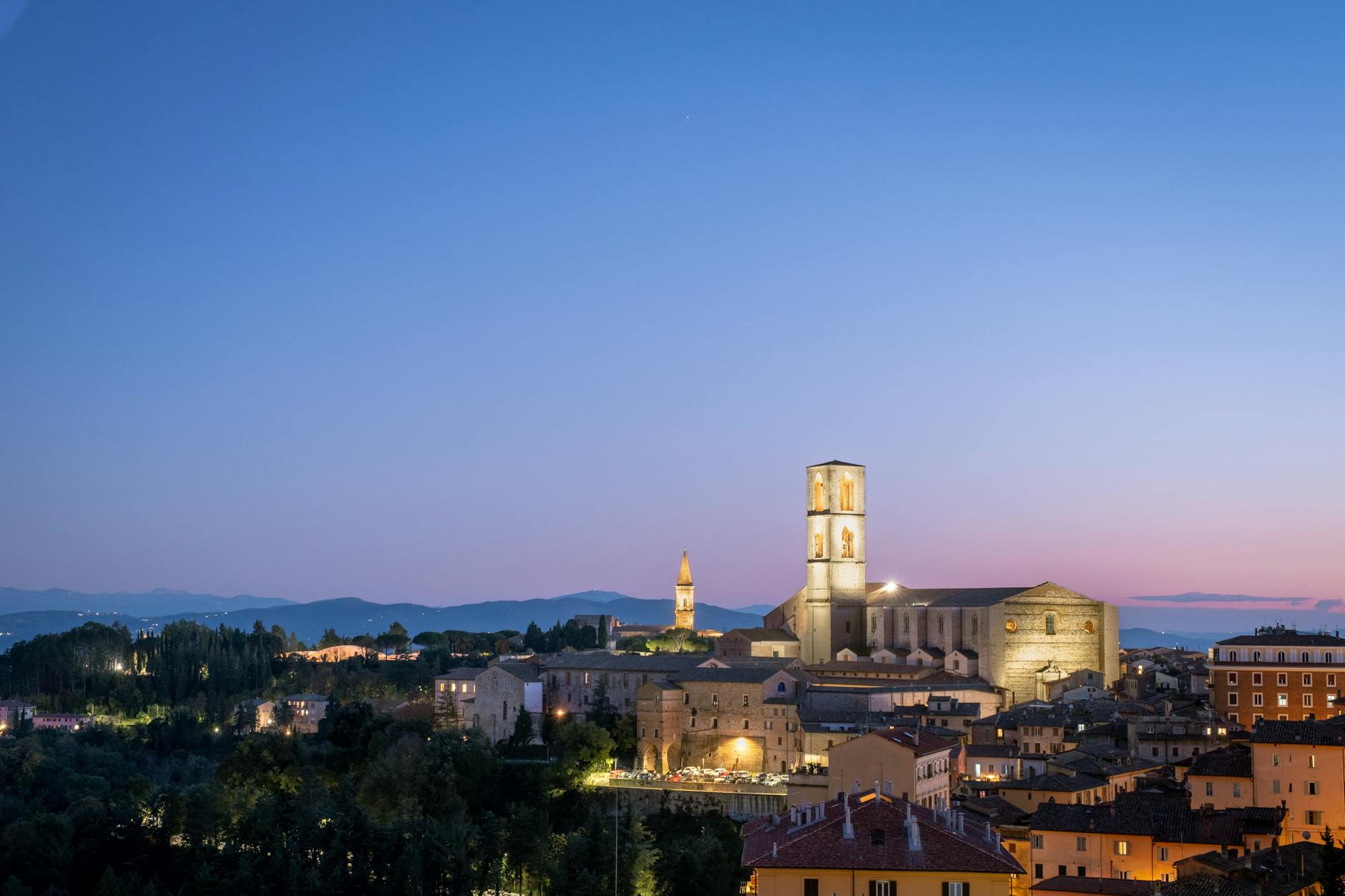
Orvieto (20,000 inhabitants, 325m above sea level, Province of Terni) is built on a volcanic tufa cliff overlooking the Umbrian countryside — one of Italy's most dramatic medieval rocks. Reached from Rome in 1h 15' by train (Intercity or Regional, €10-16) with connection to the funicular (€1.30, included in the combined Trenitalia train+funicular ticket). From Florence: 2h by train. The Gothic cathedral (14th century) is Umbria's medieval masterpiece — built to house the Corpus Domini relic (the 1263 Miracle of Bolsena) — and the Underground City (network of Etruscan and medieval tunnels dug into the tufa below the historic centre) are the two main attractions. Orvieto also produces Orvieto Classico DOC wine (Grechetto, Procanico, Verdello — dry or semi-sweet white, fresh and mineral).
The Cathedral and the Cappella di San Brizio
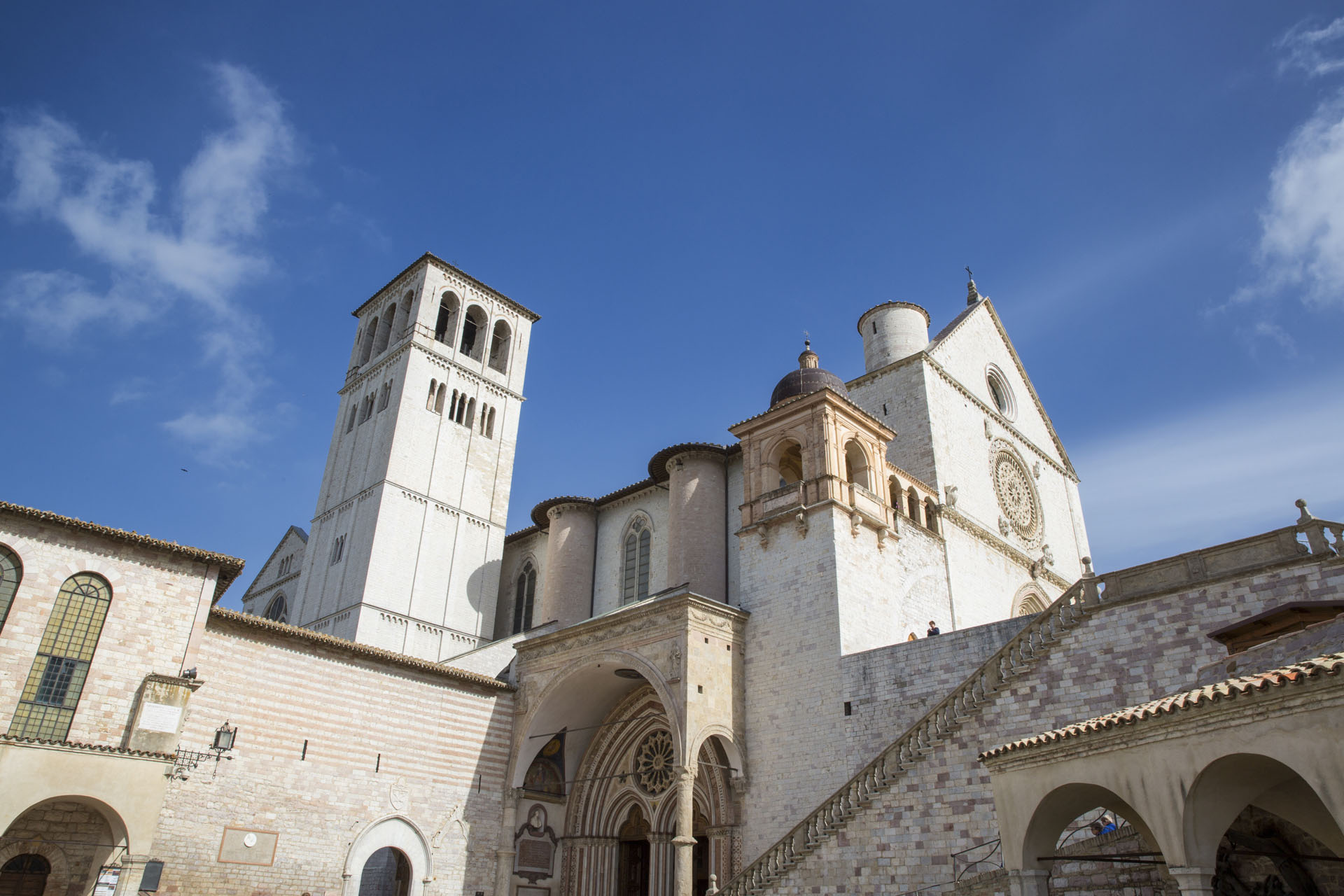
Orvieto Cathedral (construction 1290-1600, 110 years of building) is the masterpiece of Italian Gothic alongside Siena Cathedral — Lorenzo Maitani's polychrome facade (1310-1330) with golden mosaics, biblical bas-reliefs and pinnacles is among medieval Europe's most elaborate. The Cathedral is free for the main nave (€3 for the presbytery with chapels). The Cappella di San Brizio (Cappella Nuova, €5 or included in the OCA Card €5) has Luca Signorelli's Last Judgement cycle (1499-1504) — the pictorial cycle that Michelangelo studied before painting the Sistine Chapel vault: bodies in movement, dramatic perspective, the violence of the damned's depiction. Vasari and Michelangelo explicitly cite Signorelli as an inspiration. The chapel is among Italy's 20 most important artistic places — not to be skipped.
The Underground City and the Pozzo di San Patrizio
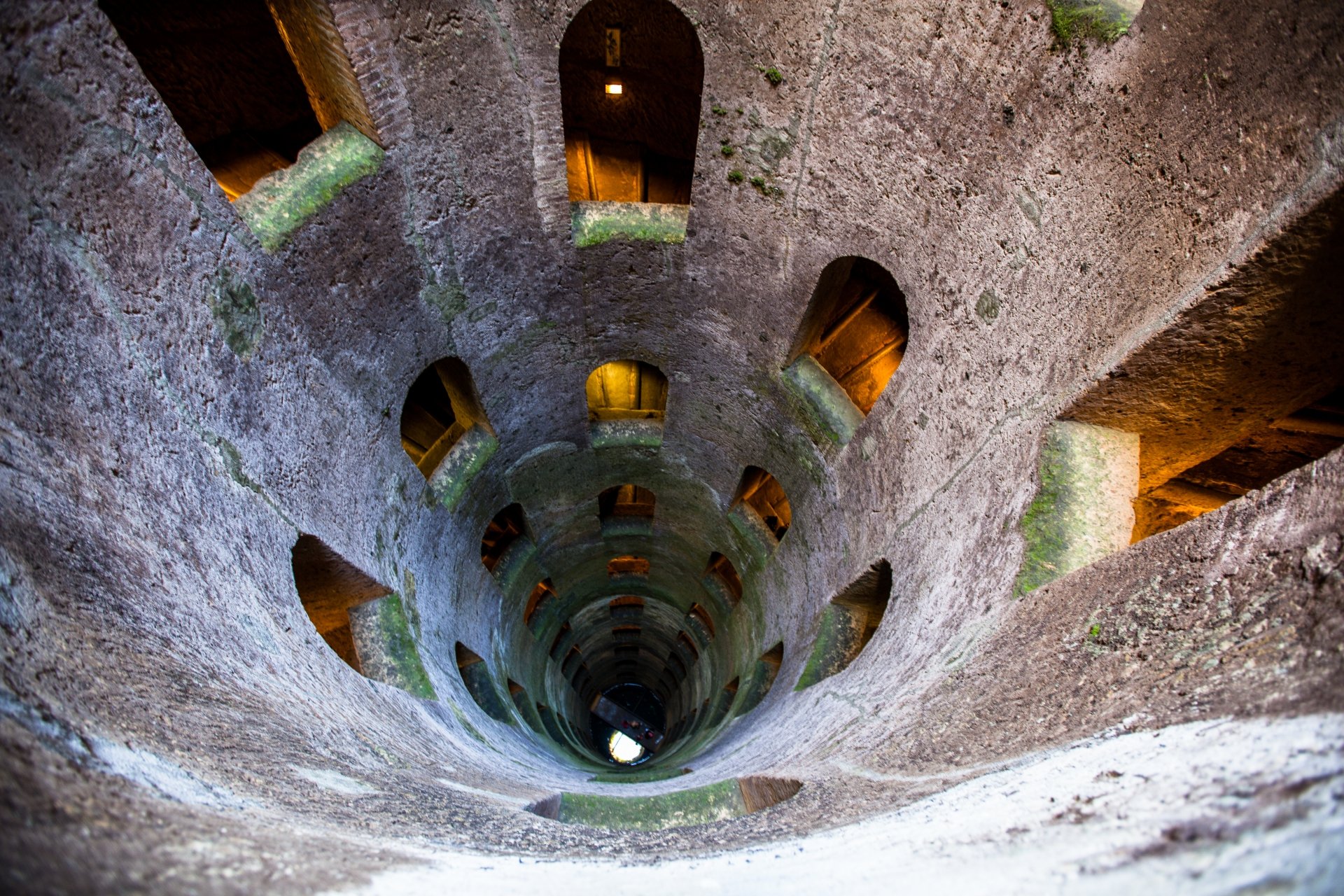
The Underground City (€7, guided tours every hour from Piazza del Duomo) is the network of 3rd-century BC Etruscan and medieval tunnels dug into the tufa below the historic centre — originally dovecotes, wells, cellars and shelters in case of siege. The visit includes the tunnels with remains of Etruscan earth-extraction tools and the more elaborate medieval tunnels with 14th-century wine cellars and oil millstones. The Pozzo di San Patrizio (€5, Via Sangallo, corner Piazza Cahen) is the Renaissance well designed by Antonio da Sangallo the Younger in 1527 on Pope Clement VII's orders (who had taken refuge in Orvieto after the Sack of Rome) — a double helix well with two spiral ramps allowing simultaneous descent and ascent without crossing, 53m deep, with 248 windows illuminating it. The Museo Claudio Faina (€5, Palazzo Faina opposite the Cathedral) has Umbria's second collection of Etruscan ceramics.
Practical tips
The Cappella di San Brizio (Signorelli, 1499) is one of Italy's 20 most important artistic things — it is the cycle that inspired Michelangelo for the Sistine
The combined Trenitalia train+funicular ticket from Rome includes the funicular — don't buy it separately
The Underground City is visited only with a guide (every hour, €7) — book at the information point in Piazza del Duomo
The Pozzo di San Patrizio (Sangallo's double helix) is a Renaissance engineering masterpiece — don't miss it
Orvieto Classico DOC: the local white wine, fresh and mineral — tasting in Corso Cavour enoteche €8-12
Plan your Orvieto day trip
Cathedral, Signorelli and Underground City — itinerary in 5 minutes.
Plan now