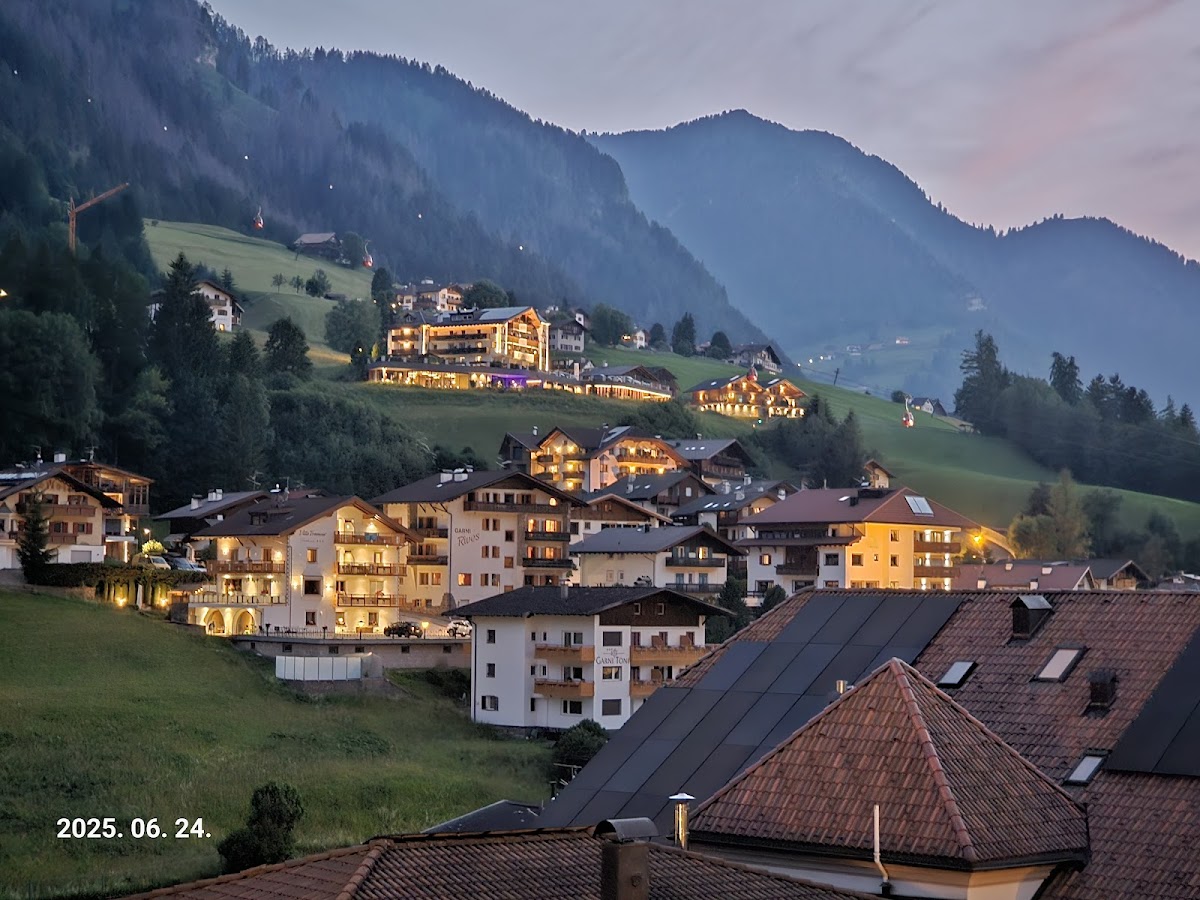
Pale di San Martino is the wild heart of Trentino-Alto Adige, a Dolomitic massif rising like a natural cathedral above surrounding valleys. Its highest peak, Punta Canali at 3,192 metres, presents a breathtaking stage of white and grey stone that shifts colour with every passing hour. Here the mountain is not merely landscape: it is calling, it is life, it is the steady heartbeat of a community living in harmony with the Pale.
The Landscape
Pale di San Martino comprise the largest purely Dolomitic massif in Trentino, extending across approximately 85 square kilometres of predominantly limestone terrain. The area features vertical rock walls reaching 1,000 metres in height, carved by wild valleys such as Primiero and Vanoi. The massif belongs to the UNESCO Dolomites group and exhibits complex geology with stratifications spanning 250 million years of earth history. Vegetation varies significantly with altitude: from red spruce and larch forests on lower slopes to alpine meadows and exposed rocky zones at higher elevations. Alpine lakes like Lake San Martino add rare beauty to the landscape.
History and Folklore
The Pale territory has deep historical roots tied to Primiero culture and communities inhabiting these mountains for centuries. According to local tradition, Pale takes its name from Saint Martin of Tours, venerated in numerous area sanctuaries. The legend of the Regole d'Ampezzo and Magnifici Comunisti recounts ancient systems of collective alpine resource management dating to medieval times. Valley communities preserve stories of shepherds and marble quarrymen who shaped the region's economic history. Alpine refuge culture as "mountain home" runs deeply through collective consciousness, as does the feast of Saint Martin celebrated on 11 November in surrounding villages.
What to Eat
Primiero cuisine centres on genuine mountain dishes of Trentino tradition. Asiago DOP, with its slightly peppery flavour, dominates local tables in gratinéed forms or simply sliced. Casunziei del Primiero—ravioli filled with potatoes, cheese and speck—represent the valley's culinary identity. Speck dell'Alto Adige IGP adds smoky depth to traditional plates. Brenta DOP cheese embodies Trentino dairy heritage. Wild porcini mushrooms harvested from surrounding forests garnish fresh pasta dishes. Apple strudel with local Golden Delicious varieties reigns as the signature dessert.
What to Drink
Trentino vineyards produce internationally acclaimed wines. Teroldego Rotaliano DOCG, a robust red with wild cherry notes, is the region's enological flagship. Nosiola, fresh and mineral white, captures the mountain essence. Trentino Müller Thurgau offers incomparable freshness, perfect with local cuisine. For sophisticated reds, Marzemino IGT of Trentino deserves attention. Local amari, such as Fernet Branca produced in the area, elegantly conclude meals.
When to Visit
Summer (June-September) is prime season for hikers and climbers, with mild temperatures and snow-free trails. The Feast of Saint Martin (11 November) in Primiero villages celebrates tradition with processions and seasonal food. Autumn (September-October) offers extraordinary colours and fewer crowds. Winter transforms Pale into a paradise for ski mountaineers and cross-country skiers. Spring (May) brings flora awakening with cool temperatures. December features the Christmas Market in Fiera di Primiero, a festive event animating the valley.
Places Worth Visiting
Rifugio Rosetta (2,300m) is the ideal endpoint for excursions towards Punta Canali: built in 1925, it offers authentic hospitality and sublime views. Vallaccia represents a classic moderate hiker itinerary with well-marked trails winding between rocky pinnacles and alpine pastures. Fiera di Primiero, the main village, preserves traditional architecture and hosts the ethnographic museum documenting historic rural life. Imer, a small tourist centre, serves as the gateway to the massif and departure point for numerous via ferrata routes.
Practical tips
Purchase a local topographic map from mountain huts or Fiera di Primiero tourist office before hiking, as mountain signage isn't always clear.
Book mountain hut accommodation well in advance during summer months, especially for challenging hikes requiring early morning starts.
Wear layered clothing: weather changes rapidly at altitude and temperatures drop even in summer. A windproof jacket is essential.
Plan your trip
Personalised day-by-day itinerary in 5 minutes — restaurants, hotels, live events.
Plan now