Trentino-Alto Adige is not a conventional Italian region: it is the crossroads where Tyrolean architecture meets Trentino Renaissance palaces, where DOC wines reflect decades of winemaking mastery, and where the peaks of the Dolomites literally define the horizon. A weekend here means alternating between the medieval squares of Trento—where the Monument to Dante Alighieri presides over Piazza del Duomo and the history of the Councils still echoes within the walls—and the fascinating vineyards of South Tyrol that descend toward Bolzano and Merano. There is no need to choose between urban culture and wild landscape: here they coexist naturally, separated only by the driving time between one valley and another. This is where Alpine Italy reveals its most authentic soul.

Arriving in Trento: The Medieval Heart Between Councils and Squares
Trento reveals itself first as an acoustic impression: the bells of the Cathedral of San Vigilio mark the hours above Piazza del Duomo, where the Monument to Dante Alighieri fixes its gaze toward the north. This is a city built on memory, literally: beneath the Cathedral lies the Paleochristian Basilica of San Vigilio, accessible through archaeological excavations that tell how Christianity spread among the Alps. The Castello del Buonconsiglio stands majestically from the hill, a medieval fortress transformed into a museum with frescoed rooms that reveal the power of the Prince-Bishops who governed these territories. Stay at Hotel Venezia Trento, perfectly positioned in the heart of the medieval city, or at Hotel Garnì San Giorgio to access the commercial streets of Trentino. The true essence emerges while walking beneath the arcades of via Belenzani, where every palace tells of Flemish merchants and German princes who crossed the Alps for business and power. Trento is not romantic in the conventional sense: it is austere, stratified, complex.
Morning: Museums, Sacred Art and Alpine Archaeology
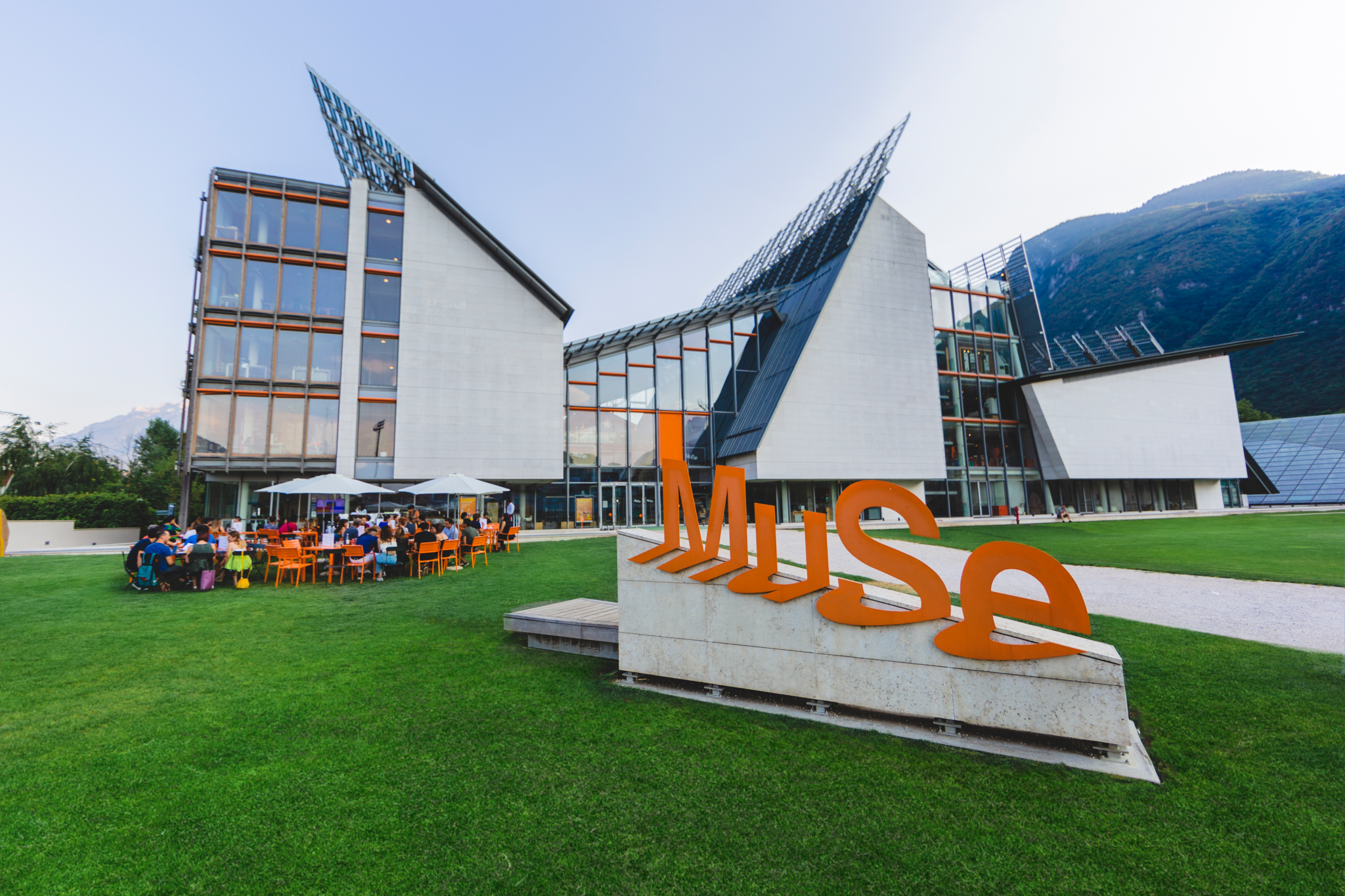
The Trentino morning begins at the Diocesan Museum of Trent, adjacent to the Cathedral, where medieval tapestries and Renaissance paintings by Flemish masters illuminate Trent's spiritual role during the Councils. Hours are 10:00-18:00 (closed Mondays); admission costs approximately 10 euros. Continue towards the National Historical Museum of the Alpini, an institution that proudly documents the history of the legendary mountain soldiers through period uniforms, weapons and archives. For those seeking contemporary art, MUSE - Museum of Sciences is architecturally extraordinary: a wood and glass structure that explores Alpine ecosystems and Trentino mountain anthropology. Open from 10:00, adult admission is 12 euros. If contemporary art appeals to you, Le Gallerie hosts innovative visual research by regional and international artists. In the afternoon, descend into the early Christian Basilica of San Vigilio beneath the Cathedral—a revelation of how primitive Christianity took root in the Alps between the 4th and 5th centuries.
Gastronomy: From Mountain Dairies to Contemporary Cuisine
Trento possesses a precise culinary geography. Al Diciassette - Bistrot al XVII (reservation essential) honors Trentino's culinary heritage by infusing contemporary creativity: familiar dishes reinterpreted, top-quality local ingredients, modern technique. Ristorante Bottega Moderna Bistrot blends innovative techniques with Trentino traditions, with a carefully selected wine list ranging from Südtirol Pinot Noir to Teroldego from the Isarco valley. For evening aperitifs, In Vineria represents excellence: wines from Alto Adige and Trentino paired with traditional alpine dairy cheeses, with guided tastings that immerse the visitor in mountain wine culture. Palazzo Roccabruna - Provincial Wine Library of Trentino, located in a historic Trentino palace, is the recognized authority on regional wines: guided tastings offer deep understanding of the Trentino wine territory and Südtirol. EnoValsugana specializes in the wine richness of the Valsugana valley, a territory where native grape varieties thrive among the mountains. If you seek a more informal gastronomic experience, the taverns along via Belenzani offer casunziei (typical filled ravioli) and speck with local beer.

Second Day: Bolzano, Merano and the Vineyards of the Isarco Valley
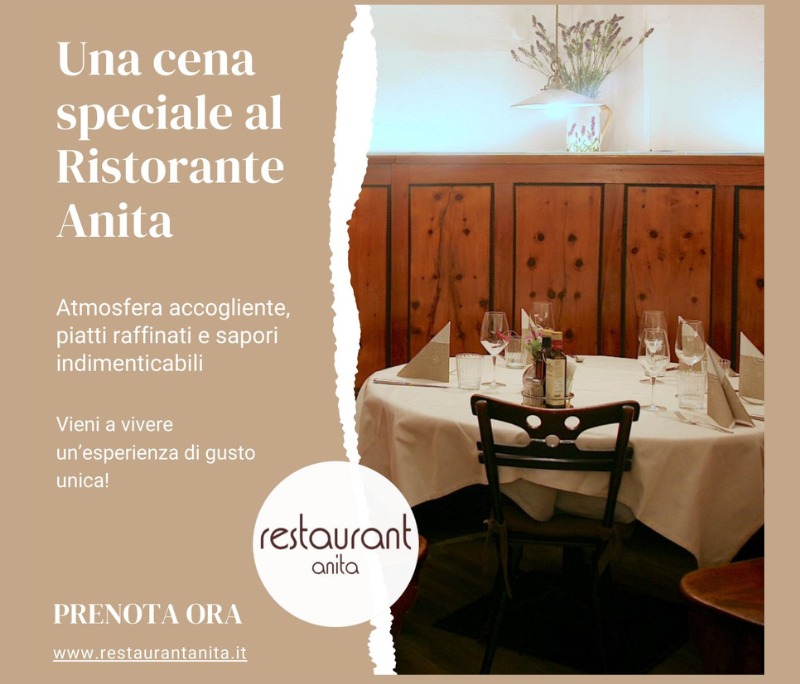
On the morning of the second day, head north towards Bolzano (25 minutes from Trento) means entering Südtirol, where the German language dominates the road signs and Tyrolean architecture defines every square. Bolzano surprises with its Piazza Walther von der Vogelweide, surrounded by colorful houses with Tyrolean balconies—radically different from Trento. Luna Restaurant and Ristorante Anita offer cuisine that marries South Tyrolean traditions with contemporary Italian flavor. At lunch, explore the vineyards of the Val d'Isarco (Eisacktal), where indigenous Rieslings and Gewürztraminers thrive on steep slopes: the Chrys Hotel (on the main road south of Bolzano) serves as a base for discovering wineries like the Abbey of Novacella. In the afternoon, detour towards Merano (45 minutes): a town with an Austro-Hungarian atmosphere that overlooks the Val Passiria. The Trauttmansdorff Gardens offer 80 themed zones of botanical gardens on the mountainsides—an oasis where Mediterranean, exotic, and Alpine flora coexist. The Merano Thermal Baths, Südtirol's historic thermal waters, conclude the day with authentic wellness.
Practical tips
Purchase the Trentino Guest Card at your hotel: it offers free public transport and discounts at museums, saving you significantly on MUSE and Castello del Buonconsiglio.
Book the guided tastings at Palazzo Roccabruna at least two days in advance: hours are limited and the afternoon sessions fill up quickly with wine enthusiast tourists.
Start your morning very early (8:30) to avoid crowds at the museums: the Diocesan Museum and MUSE are particularly crowded from 11:00 onwards during weekends.
On your way to Bolzano, stop in Guncina (10 km north) to visit a South Tyrolean winery such as Novacella Abbey: the wineries are open 10:00-17:00 with tastings at reasonable prices (8-15 euros per person).
Conclude your weekend with a session at Hi Spa in Trento (traditional Thai massages, saunas) before you leave: the intimate atmosphere and Oriental techniques perfectly balance two intense days of museums and culinary discoveries.
Plan your trip
Personalised day-by-day itinerary in 5 minutes — restaurants, hotels, live events.
Plan now