Between the peaks of the Sibillini National Park and the monumental squares of Ascoli Piceno lies a territory where time moves to the rhythm of mountain seasons and historical memory. These mountains are not mere geographical heights: they are keepers of ancient myths, from the legendary Sibyl rumored to live in glacial caves to the austere charm of medieval abbeys. Ascoli Piceno, with its Piazza del Popolo clad in pink travertine, instead represents the triumph of Italian Renaissance urban planning.
The Landscape
The Sibillini National Park stretches between Marche and Umbria, dominated by Pizzo della Sibilla (2,173 m) and Monte Vettore (2,476 m). This limestone massif features sharp ridges, alpine meadows, and unusual alpine flora for central Italy. The Tronto valley cuts through the landscape with gradual descents toward the Ascoli depression. Characteristic calanchi (clay erosions) give the eastern slope a lunar aspect. Crystal waterfalls, glacial lakes like Lake Pilato, and beech forests define the terrain. Ascoli Piceno nestles in the surrounding plain, ringed by gentle olive-clad hills, while the Tronto River traces a natural boundary toward northern Marche.
History and Folklore
The Sibillini mountains owe their name to the legend of the Sibyl, a prophetess whom medieval Christian tradition confined to a magical cave on the slopes of Pizzo. From the 12th to 16th centuries, numerous travelers, alchemists, and mystics sought the entrance to this underground realm. The Sibyl's Cave, documented even by historians like Francesco Petrarca, became a heretical pilgrimage site. Ascoli Piceno, founded by the Picenes around the 6th century BC, flourished as a Roman city (Asculum Picenum) and medieval stronghold, developing a distinctive urban civilization on an agricultural foundation. Piazza del Popolo represents the heart of medieval Ascoli's power, where Guelph and Ghibelline factions met. The territory still preserves memories of Benedictine monks who colonized the valleys, building the Abbey of San Benedetto and the monastery of Montefortino.
What to Eat
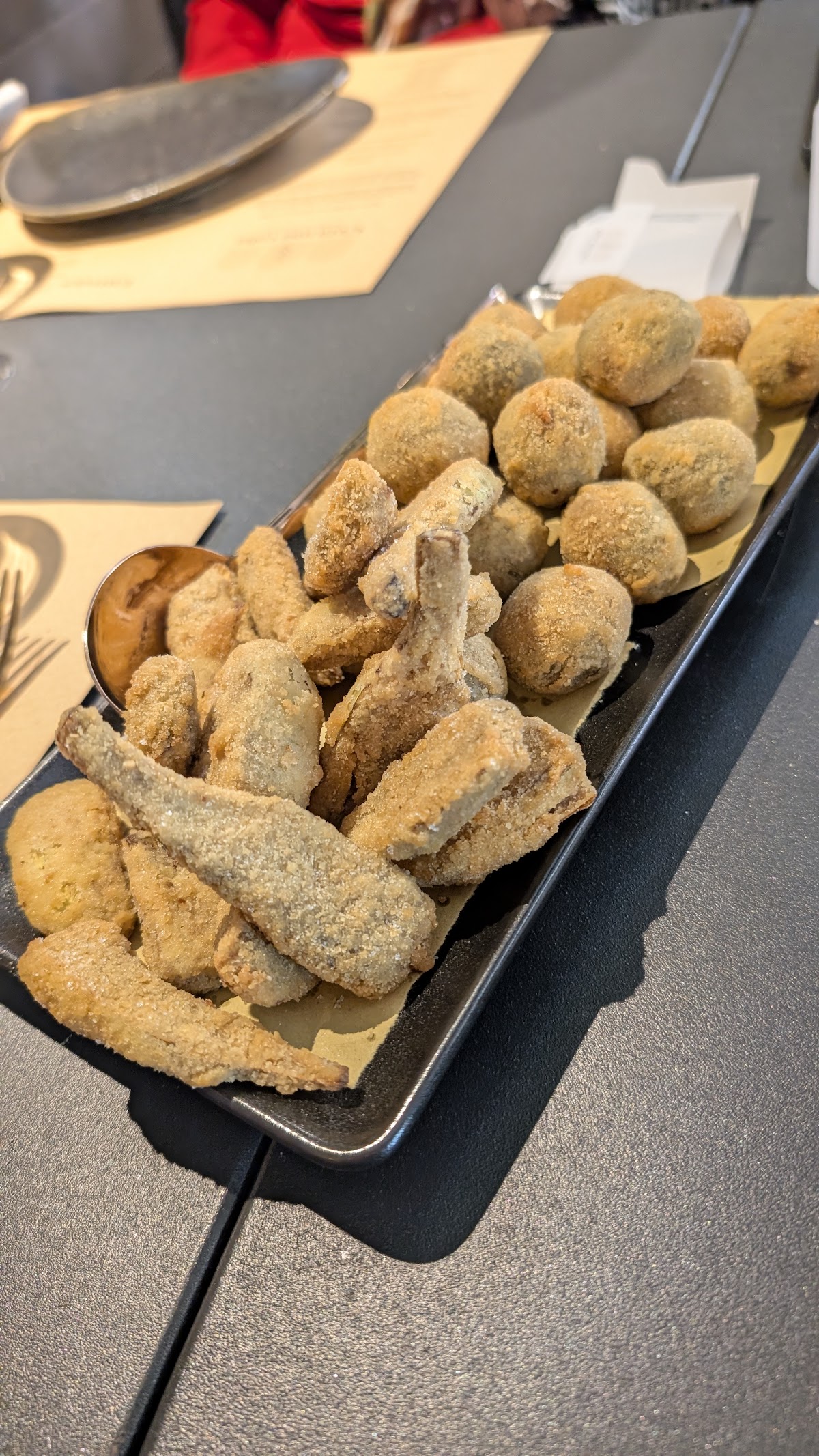
The cuisine of Sibillini and Ascoli captures the flavor of the Marche mountains. Essential is Prosciutto di Norcia DOP, smoked according to ancient traditions in Sibillini lands. Olivi Ascolani DOP—green olives pitted and stuffed with spiced meat—are Ascoli's gastronomic symbol: crispy, fragrant, beloved throughout Italy. Mela Rosa dei Sibillini IGP represents the sweetness of altitude fruit. Vincisgrassi (Marche lasagna) are made with complex ragù; pasta e piselli elevates poverty to excellence. In mountain villages, caciotta aged on alpine pastures persists, while Formaggio di Fossa di Talamello, buried in natural caves, emerges with incredible toasted and smoky flavors.
What to Drink
Rosso Piceno DOCG is the flagship wine of the Ascoli area: a Montepulciano and Sangiovese blend expressing robust body and elegant tannins, perfect with local cured meats. Verdicchio dei Castelli di Jesi DOCG, though primarily Umbrian, achieves excellent quality on Ascoli hills too. For fruitier whites, Passerina DOP offers pear and almond notes. Don't overlook table wines from small Montefortino and Comunanza producers, often unconventional Montepulciano. Forest-berry amaro and mountain herb liqueur complete the experience.
When to Visit
Spring (April-May) transforms ridges into flower-carpeted meadows; temperatures ideal for Sibillini trekking. Summer (June-August) attracts hikers and climbers, though high elevations remain cool. Autumn (September-October) offers spectacular foliage and the Festa dell'Oliva Ascolana (October) celebrates the city's iconic fruit. Winter offers magical solitude, though mountain roads close. Ascoli Piceno's Carnevale (February-March) draws crowds with masks and traditional sweets. Don't miss Quintana, August's medieval jousting tournament with lavish historical processions.
Places Worth Visiting
Piazza del Popolo in Ascoli Piceno is one of Italy's most beautiful squares: surrounded by pink travertine porticos, dominated by Palazzo dei Capitani and the Church of San Francesco. Lake Pilato, at 1,941 meters, is Marche's only natural lake, ringed by wild rock and reached via a half-day hike from Zittola refuge. The village of Montefortino, perched beneath Monte Vettore, preserves intact medieval atmosphere with narrow alleys, San Francesco church, and fortress remnants: the ideal departure point for climbing toward the summit and the Sibyl's Grotto.
Practical tips
Bring sturdy hiking boots: Sibillini trails are technical and require experience. Lake Pilato is accessible only June-September when snow melts.
Visit Ascoli Piceno's Statale Archaeological Museum to understand Picene and Roman history, then taste Olivi Ascolani at a traditional piadina shop.
Stay in small mountain villages like Comunanza or Castelluccio di Norcia to immerse yourself in Marche rural life and discover local wine and cheese producers.
Plan your trip
Personalised day-by-day itinerary in 5 minutes — restaurants, hotels, live events.
Plan now