Siena is far more than Piazza del Campo and the Palio: it is a medieval labyrinth where every corner breathes history, where rival contrade still battle for glory and identity. Beyond the city walls, the Crete Senesi roll like undulating waves of bare earth, crossed by white roads leading to timeless villages. Here Tuscany reveals its most authentic face, where wine is philosophy and food tells the story of generations.

The Landscape
The Crete Senesi are a unique European landscape: bare clay hills, virtually treeless, shifting in colour through seasons from white to brown to green. This territory of badlands and ravines stretches south-east from Siena toward Pienza and Montepulciano. White roads—ancient drovers' paths—cut across the terrain like chalk lines on brown canvas, creating hypnotic natural geometry. Medieval villages perch on hilltops: Asciano, San Quirico d'Orcia, Rapolano Terme. The absence of dense vegetation creates infinite visibility, horizons that invite contemplation.

History and Folklore
Siena is a medieval city-state that rivalled Florence for centuries. The Republic of Siena founded one of Italy's oldest universities (1240). The contrade—seventeen historic neighbourhoods with distinct colours, symbols, and rivalries—were born in the Middle Ages and still embody the city's deepest identity. The Palio, a horse race in July and August, is no tourist spectacle but a form of honourable civil war where each contrada invests centuries of pride. In the Crete Senesi, the cult of Saint Catherine of Siena persists; her house draws pilgrims. The badlands have inspired local legends of mythological creatures and bandit tales.
What to Eat
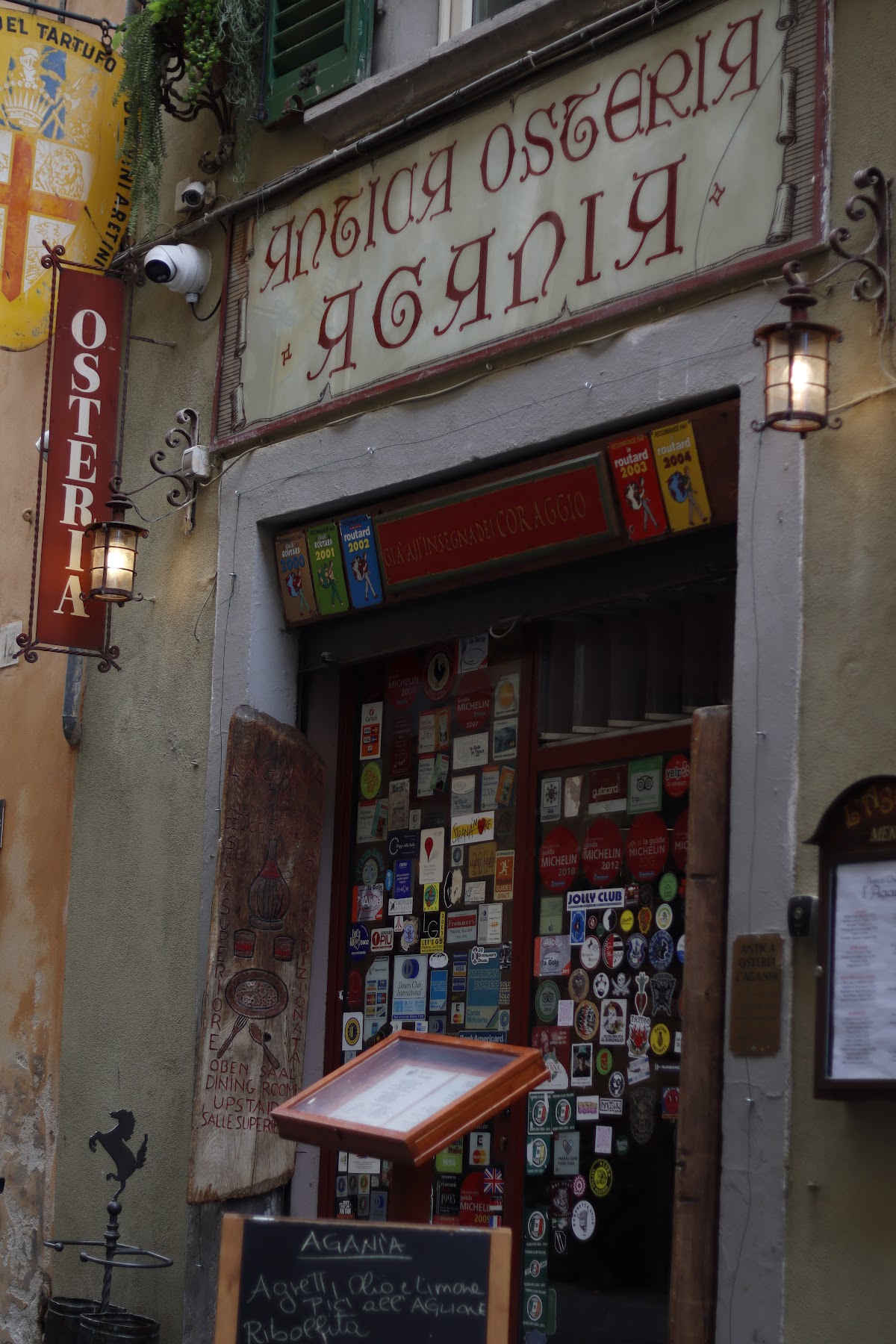
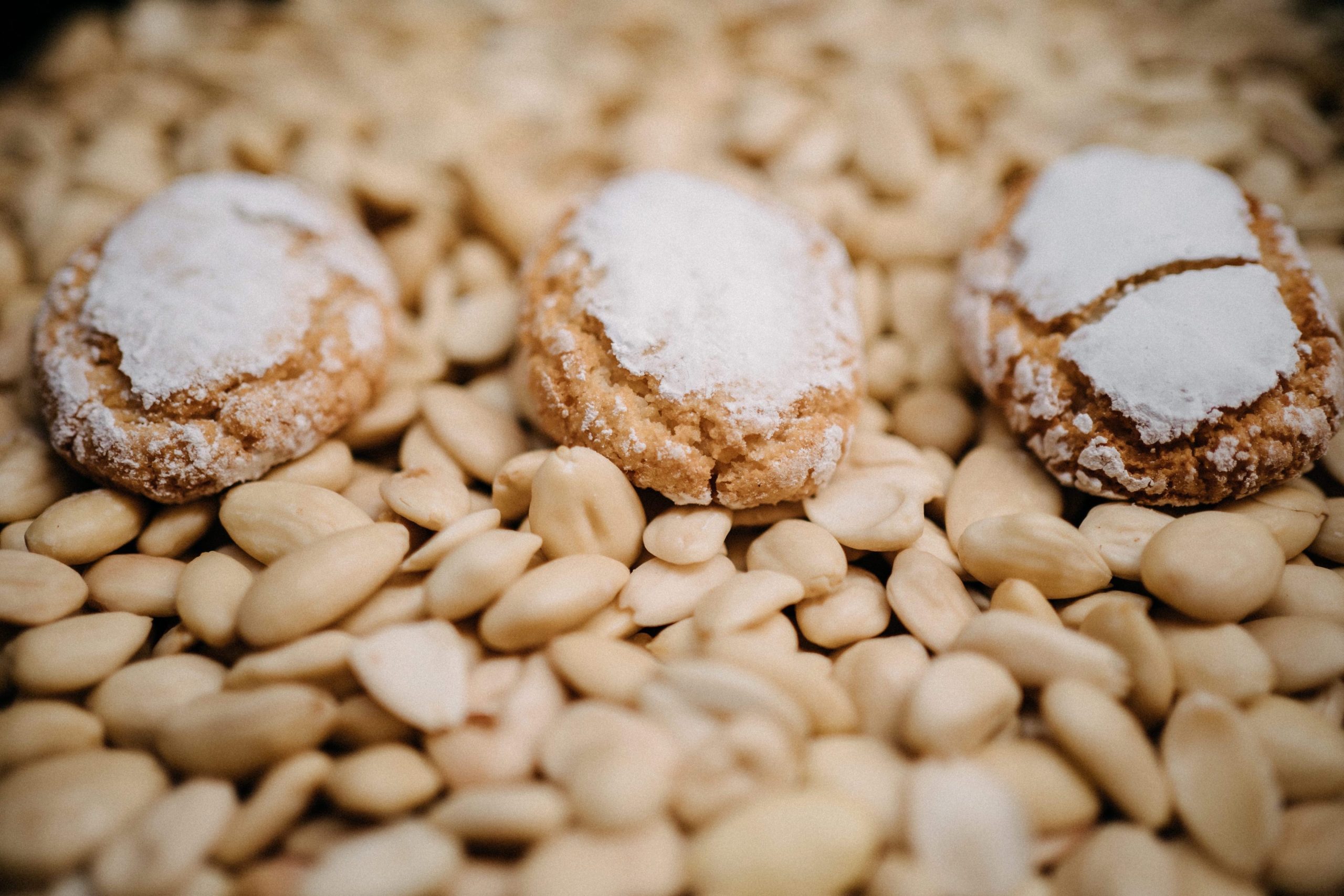
Senese cuisine transforms humble ingredients through creativity. Pici all'aglione—thick hand-rolled pasta in tomato and garlic sauce—epitomizes Tuscan soul food. Pecorino Romano DOP from Pienza is a semi-hard cheese with intense flavour, perfect with unsalted Tuscan bread (pane toscano DOP). Porchetta di Pietrasanta IGP is a local speciality, as is Cinta Senese DOP, a black heritage pig with lean, flavourful meat. Cantuccini biscuits dipped in vin santo end contemplative dinners. Siena's markets display black truffles from surrounding hills and acacia honey.

What to Drink
Brunello di Montalcino DOCG reigns supreme: Sangiovese aged five years in oak, structured and elegant. Vino Nobile di Montepulciano DOCG offers more fragrant, spicy aromas. Chianti Classico DOCG from the Siena zone balances freshness with complexity. For whites, Vernaccia di San Gimignano DOCG is mineral and crisp. The Val d'Orcia reveals small producers of Rosso di Montalcino and Rosso di Montepulciano, younger and more approachable versions of grand wines. Siena's wine bars host tastings that narrate stories of winemaking families.

When to Visit
The Palio of Siena (July 2-3 and August 16) is the most intense moment: the city becomes an organized chaos of drums, horses, and crowds. For magic without mayhem, visit April-May when badlands turn green and villages sleep peacefully. Autumn (September-October) offers perfect light and ideal temperatures. The Festival dei Due Mondi (June, nearby Spoleto) and rural festivals (August-September) in small villages ensure authentic experiences. Avoid August when heat is oppressive and tourism peaks.

Places Worth Visiting
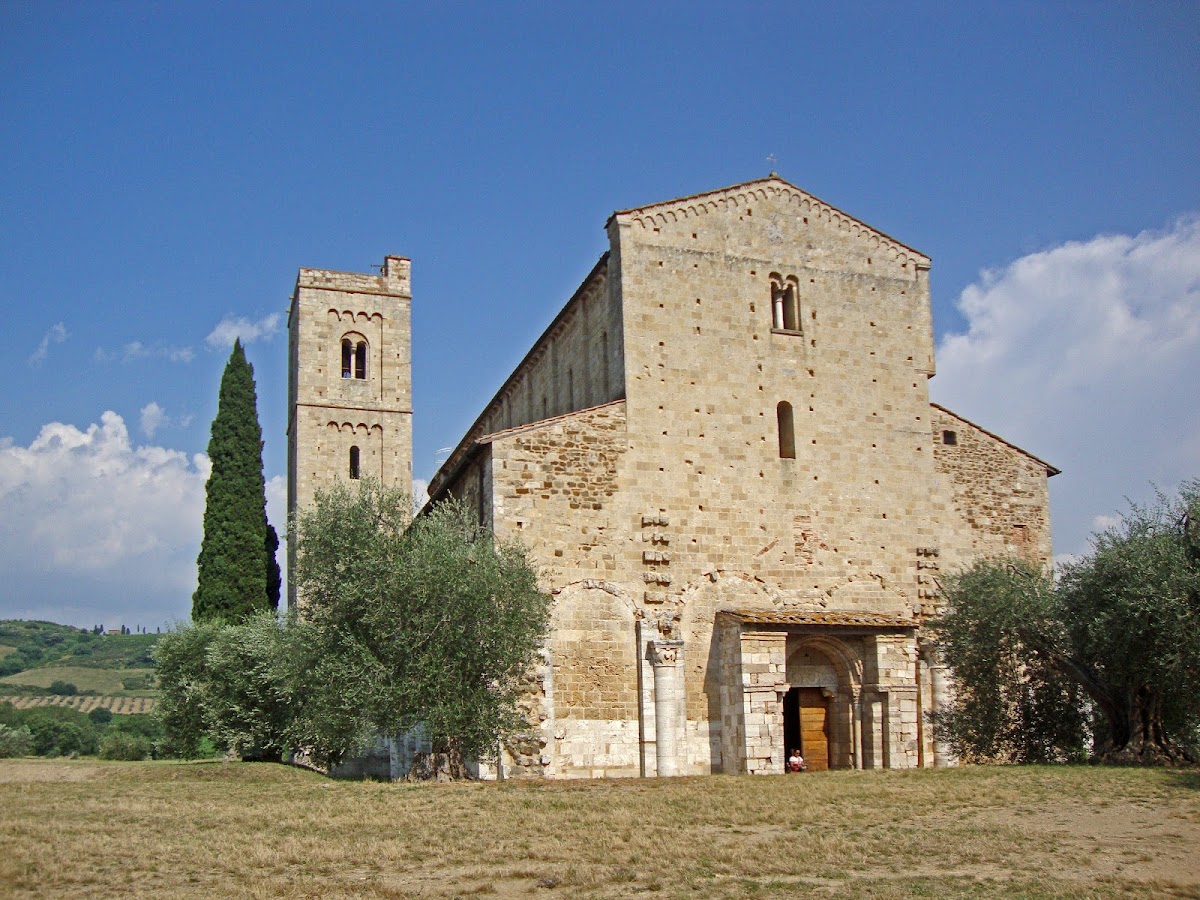
**Piazza del Campo, Siena**: Italy's most beautiful medieval square, shell-shaped, ringed by Gothic palaces. From the Civic Museum to Palazzo Pubblico, every stone breathes history. **Abbey of San Galgano**: romantic ruins of a Cistercian abbey south of Siena, with partially preserved cloister and roofless church where nature slowly reclaims human space. **Pienza and Val d'Orcia**: the Renaissance town of Pope Pius II, with its perfect Piazza Pio II, and surrounding travertine hills that inspired Senese landscape painting.
Practical tips
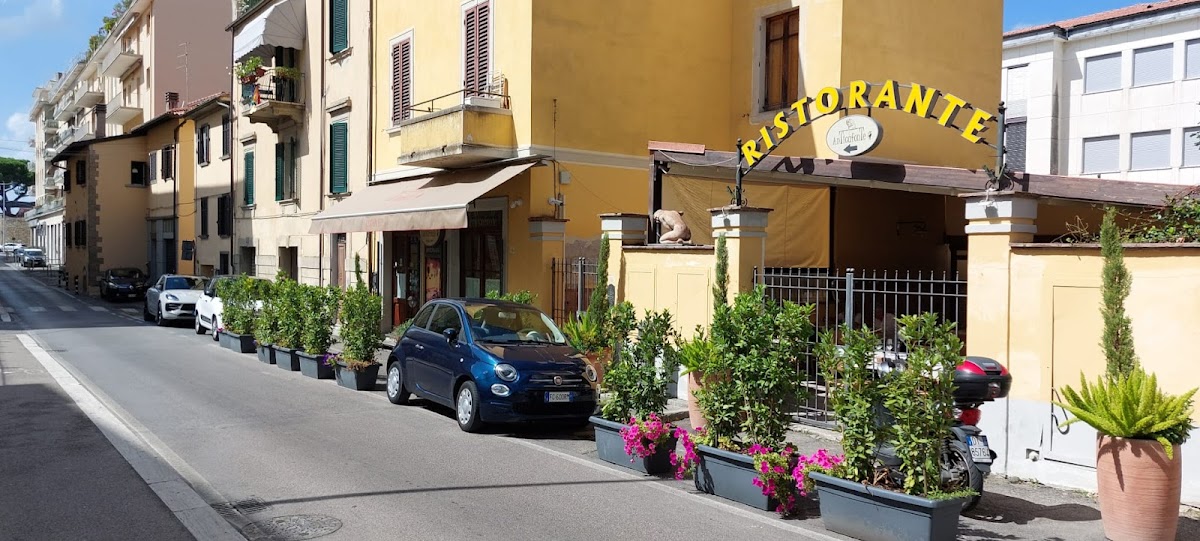
Book restaurants at least a day ahead, especially during the Palio. Tables vanish quickly and prices double.
Rent a car or bike to explore the white roads of Crete Senesi. The landscape reveals itself differently from behind a windscreen versus a saddle.
Visit wineries in Montalcino and Montepulciano with a local guide who knows winemaking families. Guided tastings are experiences, not mere samples.
Plan your trip
Personalised day-by-day itinerary in 5 minutes — restaurants, hotels, live events.
Plan now