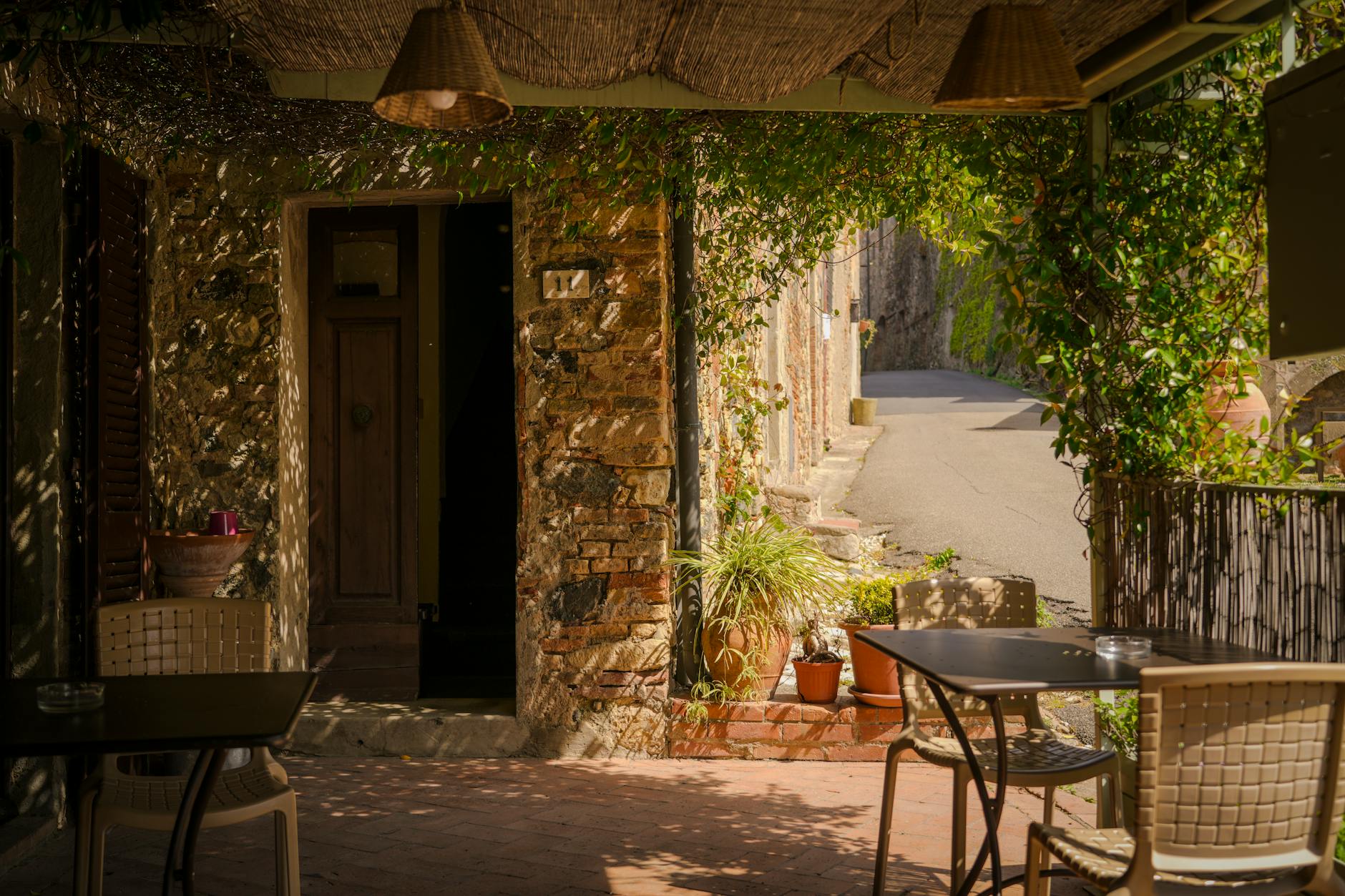
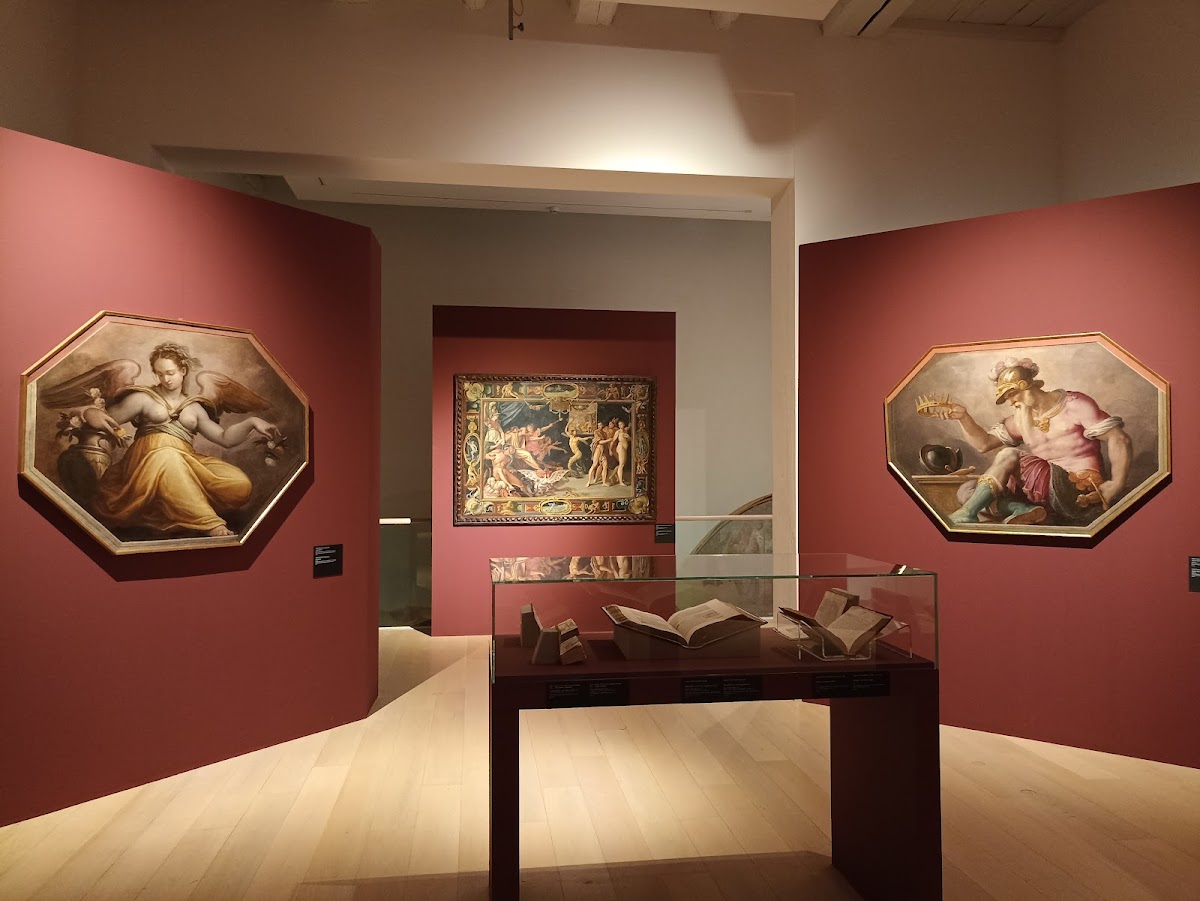
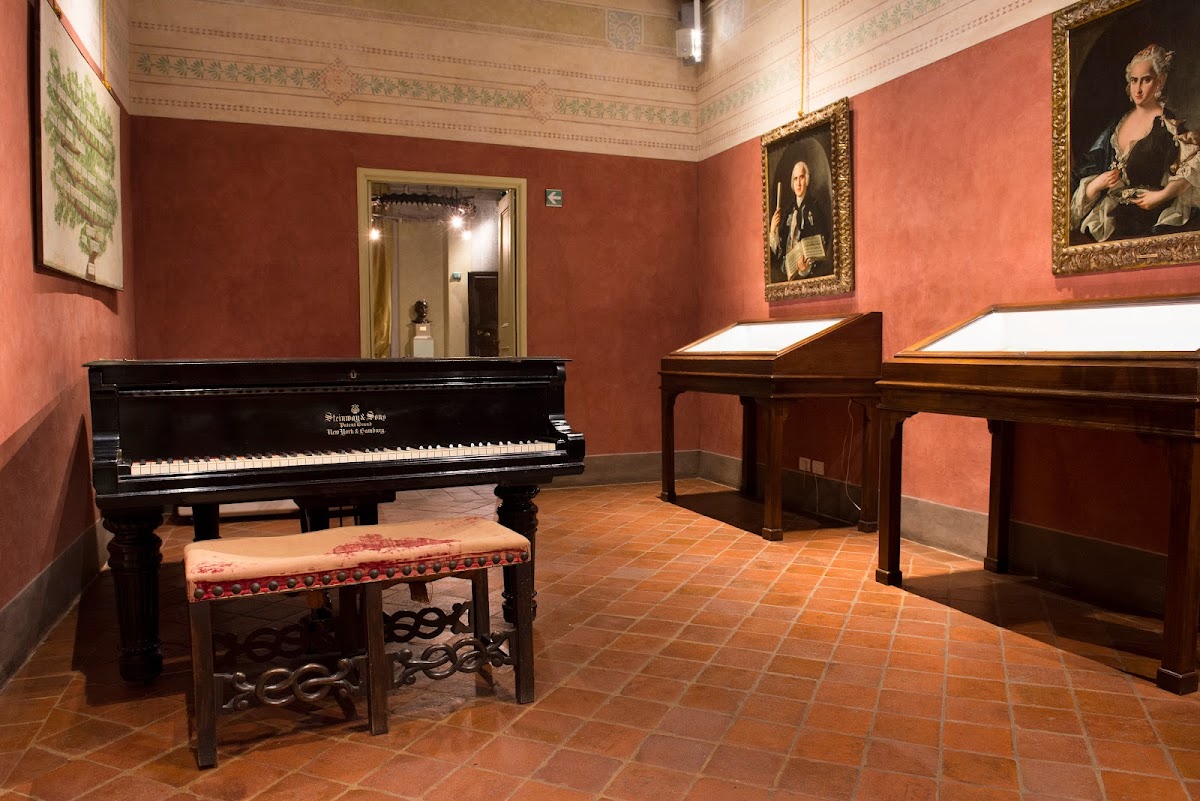
Versilia and Garfagnana represent the most fascinating contrast in northern Tuscany: sophisticated beaches mirrored in the azure Tyrrhenian waters, and wild mountains where Carrara's white marble gleams like eternal snow. Here, in villages perched on hillsides and secret valleys, time moves to the rhythm of seasons and every dish tells the story of a community that has preserved authenticity across centuries.
The Landscape
Versilia stretches along the coast from Forte dei Marmi to Marina di Pietrasanta, with wide beaches, fragrant pine forests, and elegant seaside atmosphere alternating between historic bathing establishments and modern resorts. Behind, the Apuan Alps dominate the horizon with their dolomitic peaks and marble quarries carved into rock for millennia. Garfagnana, the Serchio river valley, is a wilder, more mountainous territory characterized by chestnut forests, medieval towns like Barga and Castelnuovo di Garfagnana, and landscapes that seem drawn from legends. The two territories are connected by panoramic roads threading through Lucca province.
History and Folklore
Versilia's roots sink deep into Etruscan and Roman history, but its modern face defined itself in the 19th century when it became a destination of Italian Belle Époque. Forte dei Marmi was born as a marble port in 1788, transforming into an elegant seaside resort. Garfagnana, conversely, harbors a profound medieval soul: dominated by the Malaspina in the Middle Ages, the valley preserves the character of a border territory between rival powers. Local folklore brims with alpine legends: tales of wolves and witches in forests, miners discovering silver veins in mountains. Locals still celebrate ancient transhumance pastoralism traditions and festivals dedicated to patron saints of wayfarers.
What to Eat
Versilia's cuisine sinks roots in the sea: brodetto of blue fish, shrimp and cuttlefish prepared with Tuscan simplicity. Garfagnana, conversely, lives by the mountains: potato tortelli and polenta concia are comforting dishes warming the soul. Essential is Formaggio di Fossa di Sogliano DOP, aged in pits for months, with that intense, smoky flavor. Mortadella di Prato IGP, though not exclusive to the area, is omnipresent in local delis. But it's the Marrone della Garfagnana IGP—the noblest chestnut—that reigns: roasted, boiled in wine, transformed into castagnaccio, it's autumn's gold in the valley. Every tavern offers mushroom risotto and pappardelle with game ragù.
What to Drink
Colline di Luni DOC represents viticultural excellence in Versilia: mineral-forward whites and elegant reds cradled by sea breezes. Vermentino di Luni DOC, in particular, is a zesty, fresh white that magistrally accompanies fish dishes. Garfagnana prefers Val di Nievole wines and robust, rustic Rossi di Montescudaio. Don't forget Vino Santo di Montecarlo DOCG, sweet and contemplative, perfect for concluding dinner beneath the stars. Local cellars also offer natural wines and orangewines, fruits of a new generation of Tuscan vintners reinterpreting tradition.
When to Visit
Spring (April-May) transforms Garfagnana into a lush garden, while Versilia's beaches awaken gently. Summer is hot and crowded, perfect for the sea but less for discovering inland villages. Autumn (September-October) is magical: chestnuts are ready for harvest, and the Festa del Marrone della Garfagnana (November) celebrates this noble fruit. During summer, Pietrasanta hosts the Art Biennial, while Forte dei Marmi welcomes Versiliana (July-August) with concerts and performances. In winter, the mountains become tranquil and evocative, ideal for hikers.
Places Worth Visiting
Pietrasanta is Versilia's art capital: Piazza Duomo with its Romanesque cathedral, contemporary art galleries, and still-active marble workshops make this village indispensable. Barga, in Garfagnana's heart, captivates with its 13th-century cathedral perched on a hilltop and vistas extending to the Apuans. Castelnuovo di Garfagnana, once home to 16th-century poet Ludovico Ariosto, preserves medieval walls and offers direct access to surrounding mountain excursions, including the famous Volto Santo trail toward Lucca.
Practical tips
Visit Carrara's marble quarries with an expert guide: the vistas from inside the white marble mountains are incomparable and you'll understand the economic backbone of the region.
The path to Rifugio Orto di Donna offers one of Garfagnana's most panoramic hikes: two hours through chestnut groves and alpine meadows with views over the Serchio valley below.
Stop at a mountain osteria for polenta concia paired with Vermentino: the contrast between mountains and sea within one meal captures the essence of these territories.
Plan your trip
Personalised day-by-day itinerary in 5 minutes — restaurants, hotels, live events.
Plan now