Tuscany is the starting point for many visitors to Italy — and often the end point too. Not by chance: the Val d'Orcia landscape is one of the world's most photographed, Florence concentrates an enormous proportion of Italian art in just a few kilometres, and Tuscan cooking — Florentine steak, pici with wild boar ragù, Pienza pecorino — is among Italy's most immediate and satisfying. The risk is spending all the time in museum queues and missing what makes Tuscany special: the white gravel roads between cypresses, the weekly markets of small communes, the cellars of Montalcino. This 7-day itinerary seeks a balance — Florence on the right days, Siena without rush, and enough time in the countryside to understand why this region is unrepeatable.

Day 1-2 — Florence
Florence is Italy's densest tourist destination — in high season it can be challenging to manage. Best strategy: book the Uffizi and the Accademia (home to Michelangelo's David) months ahead online, arrive at museums at opening (8:15), and dedicate afternoons to the less obvious city. The Bargello (medieval and Renaissance sculpture museum, often empty even in high season, €10) contains masterpieces by Donatello, Brunelleschi and Michelangelo that would be the star attraction anywhere else. Oltrarno (the south bank of the Arno) has kept something of a neighbourhood character: Palazzo Pitti with the Boboli Gardens (€16), the craft workshops of Via Maggio, the Basilica di Santo Spirito. Good food without overspending: Mercato Centrale (upper floor, quality food at accessible prices), trattorias in Oltrarno, anywhere away from Piazza del Duomo and Ponte Vecchio.

Day 3 — Siena and Chianti
Siena (75km from Florence, 1h 15' by SITA bus or 1h 30' by car via the Chiantigiana — the scenic road) is Italy's best-preserved medieval city. Piazza del Campo — the shell-shaped square where the Palio is run twice a year (July and August) — is one of Europe's finest. Siena's Duomo (interior free, Baptistery €4, Opera Museum €8) is considered the pinnacle of Italian Gothic. The Palazzo Pubblico with the Torre del Mangia (€10) offers the most complete view over the city. For those travelling by car: the Chiantigiana (SS222) crosses the heart of Chianti Classico — Greve in Chianti, Panzano, Radda in Chianti are the main stops, all with visitable cellars and local markets.

Day 4-5 — Val d'Orcia: Pienza, Montalcino and Bagno Vignoni
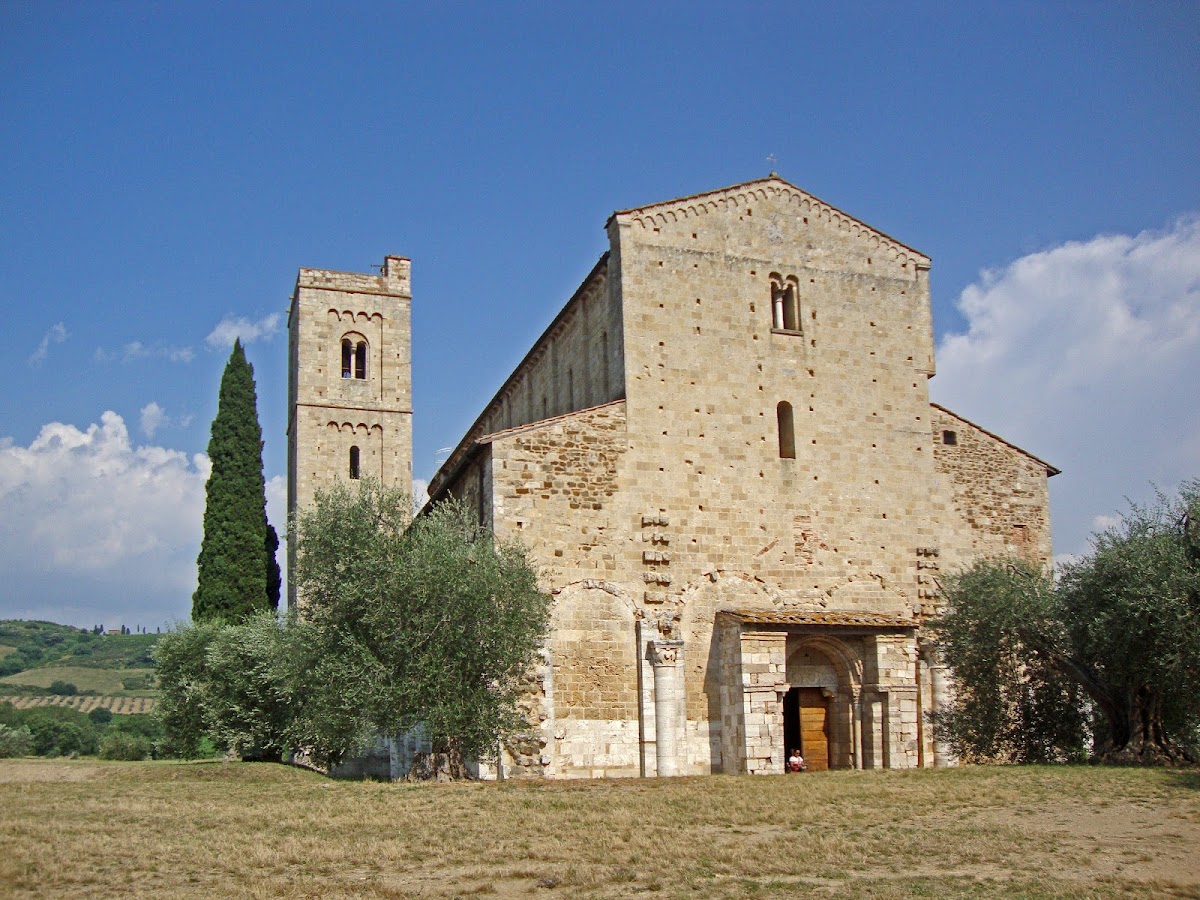
The Val d'Orcia (UNESCO 2004) is Tuscany's iconic landscape — the rolling hills with rows of cypresses, white gravel roads, isolated farmhouses. Pienza (57km from Siena) is the Renaissance utopian city built by Pope Pius II in 3 years (1459-1462): small, perfectly proportioned, with a view over the Val d'Orcia from Piazza Pio II that is among Italy's finest. Pienza pecorino: buy it directly from the shops in the centre, it is one of Italy's finest cheeses. Montalcino (24km from Pienza) is the territory of Brunello — one of Italy's most long-lived and expensive red wines. The medieval Fortezza offers a panoramic terrace with tasting (€6 entry + wines). Bagno Vignoni (15km from Pienza): the medieval village with a thermal pool at the centre of the main square — one of Tuscany's most surreal and beautiful scenes. The public baths are free (no swimming), the private ones at Hotel Posta Marcucci cost €30.
Day 6-7 — Cortona, Arezzo or the Etruscan Coast
The final two days offer a choice based on interests. History and art variant: Arezzo (80km from Siena) with Piero della Francesca's frescoes in the Basilica di San Francesco (mandatory booking, €12) and the medieval Piazza Grande; Cortona (30km from Arezzo) with the Diocesan Museum and the view over Lake Trasimeno. Nature and sea variant: the Costa degli Etruschi (from Livorno to Piombino) is Tuscany's least known and least crowded coast — Castiglioncello, Bolgheri (medieval village and territory of Sassicaia, one of Italy's most internationally famous wines), Populonia with its Etruscan necropolises by the sea. Logistics for 7 days: car essential for the countryside. Florence is the natural arrival and departure point (Peretola airport and high-speed train station). Avoid July-August if possible: the Val d'Orcia in June or September is incomparably more pleasant.
Practical tips
Book the Uffizi and Accademia months ahead — in July-August waiting times without booking exceed 3 hours
Pienza pecorino: buy it from local producers' shops directly, not in tourist shops at the village entrance
The Chiantigiana (SS222) between Florence and Siena is slower than the motorway but incomparably more beautiful — use it if you have a car
Montalcino: the tasting at the Fortezza (€6) is the most affordable and scenic way to taste Brunello on location
Val d'Orcia in spring (April-May): cypresses are green, hills in flower, no crowds. In autumn the morning mist creates unrepeatable atmospheres
Plan your trip
Personalised day-by-day itinerary in 5 minutes — restaurants, hotels, live events.
Plan now