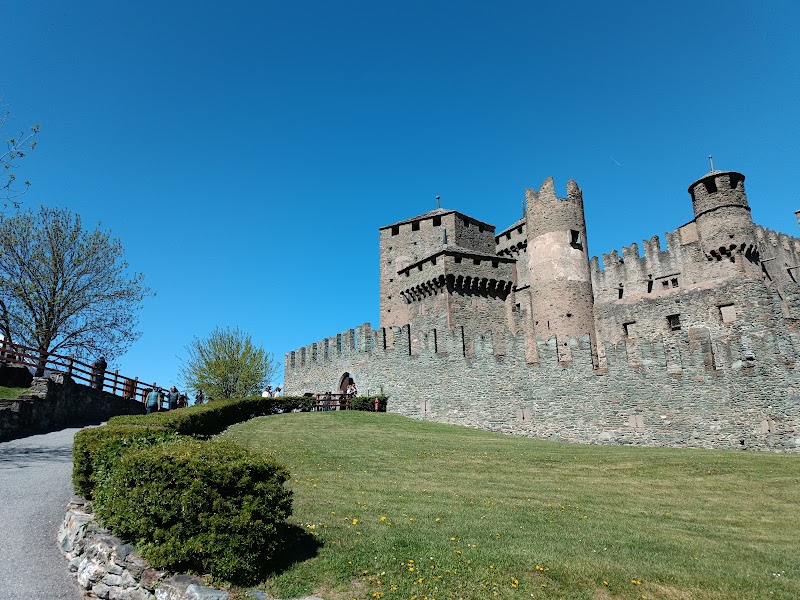
The Aosta Valley is not simply an Italian region—it is the border where Europe rises toward the sky. Enclosed between Monte Rosa (4,634 m) to the east, Gran Paradiso to the south, and Mont Blanc to the north, this valley of 5,400 square kilometers represents the apex of alpine landscape: primordial glaciers, thousand-year-old larch forests, high-altitude meadows where ibex and chamois still graze. Here you will not find crowds of tourists, but conscious hikers seeking Franco-Provençal authenticity alongside serious vertical challenges. Every trail tells layers of history: from the medieval castles of Aymavilles to shelters built by local guides who know every crevasse. This guide will orient you through the landscapes that have shaped the Aosta Valley identity, from accessible trails to vertical circuits that demand rigorous alpine preparation, with practical advice for every season and true mountain atmosphere.

The landscape: the sublime geography of the Aosta Valley
The Aosta Valley territory is defined by its triple crown of peaks: Mont Blanc (4,808 m), Monte Rosa (4,634 m) and Gran Paradiso (4,061 m). These are not mere mountains, but architects of the local climate and topography. The main valley runs south to north for approximately 80 kilometers, fed by the glaciers of Mont Blanc and the Gran Paradiso basin, which generate three protagonist rivers: the Dora Baltea, the main watercourse, the Lys and the Gressoney. Each lateral valley—the Val Ferret toward Mont Blanc, the Valpelline toward Gran Paradiso, the Valdigne at the foot of Mont Blanc—possesses distinctive biological identity and microclimate. At 2,000 meters you find alpine pastures dominated by gentians and anemones; at 3,000 meters the glacial universe begins with moraines from 10,000 years ago. Between Aosta and Saint-Vincent, forests of thousand-year-old larches (some exceeding 500 years) create landscapes of golden luminescence in autumn. The vertical fauna is extraordinary: ibex chamois (reintroduced in the '70s) on the summit rocks, chamois in the intermediate pastures, marmots endemic to the Valdigne. This natural architecture is not static scenery, but a living system where each excursion reveals stratifications of rare ecological beauty.

Trails and Excursions: From Mountain Huts to Peaks, Routes for Every Level
The system of hiking trails in Valle d'Aosta is organized in a network of over 900 official kilometers, managed by the Valle d'Aosta Region and marked according to the Italian red-white system. For moderate hikers, the Giro del Rosa (42 km in three days) represents the classic introductory route: it starts from Lillianes, circles the Rosa massif passing through Alpenzu refuge (2,565 m) and Sesia-Monfetti refuge (3,035 m), with continuous glacial views. The GTA trail (Grande Traversata delle Alpi), Valle d'Aosta section, covers 80 km from Cogne to Gressoney-la-Trinité, crossing elevations of 2,000-3,000 meters over pastures and moraines, with overnight stays at certified D.A.V. refuges. For technical hikers, the Monte Rosa traverse from Punta Parrot to Punta Dufour (4,633 m) requires serious mountaineering skills and an IFMGA guide: difficulty AD (Very Difficult), 10 hours, rope mandatory. The Walser trail in Val d'Ayas (27 km circular) offers authentic cultural heritage: it passes through Walser villages with German vernacular architecture (Gressoney-Saint-Jean, Issime) and Gressoney refuge (3,046 m). Hiking access to Valpelline via the trail to Rifugio Bezzi (3,027 m, 5 hours from Valpelline): alpine tundra environment with rare flora. Detailed information at visitor centers in Aosta (Piazza Chanoux) and Cogne (Via Bourgeois).

Parks and reserves: protected ecosystems and wildlife encounters
The Gran Paradiso National Park (70,000 hectares, founded 1856) is the biological heart of the Valley. It hosts the healthiest population of ibex in Italy (over 3,000 individuals), as well as chamois, nesting golden eagles and alpine marmots. The main access is from State Road 507 towards Cogne: the Cogne Visitor Center (Rue Bourgeois 34, open Mon-Fri 10-12 and 14-17) provides permits for protected areas and specialized guides. The Lago di Loie circuit (6 km, 3 hours from Cogne) is the optimal route for observing ibex at 2,600 m elevation from late June; the Vittorio Emanuele II Refuge (2,732 m) allows extension to the Colle del Lauzon for guaranteed sightings. The Mont Avic Natural Reserve (7,050 hectares, established 1987) comprises the second Aosta Valley massif with 40 glacial altitude lakes. Access from Champorcher: red-and-white marked trail towards Savoia Refuge (2,562 m), 4 hours, with high probability of encounters with chamois on the rocks. The Introd Animal Park represents a unique educational experience: 2 km forest trails allow observation of ibex, chamois and marmots in controlled semi-freedom, with scientific information panels (open Jun-Sep, 9.30-18.30, €12 adults). Each reserve respects very strict regulations: access only on marked trails, absolute ban on flora collection, minimum distance of 100 m from wildlife.

Seasons and Practical Tips: Climate, Equipment, Permits and Alpine Guide
Aosta Valley presents five distinct alpine climbing seasons. Spring (May-June): temperatures 5-12°C at altitude, snow still present at 2,500 m, avalanches still active until mid-June on steep north-facing slopes. Minimum equipment: crampons, ice axe, helmet. Summer (July-August): optimal conditions, temperatures 8-15°C at altitude, 18-22°C in the valley floor. Marmots and ibex more visible. Equipment: 25-30 l backpack, category C mountaineering boots (plastic not necessary below 3,500 m), 2-3 liters of water, SPF 50+ sunscreen, insect repellent for humid Valpelline areas. Autumn (September-October): temperatures 3-10°C at altitude, golden larch foliage, shorter days require 6 a.m. departures. Equipment: waterproof jacket, 300g fleece, durable long pants. Winter (November-March): access limited to elevations below 1,800 m, frequent avalanches on north-facing slopes over 30°, temperatures -10-0°C. Only for experienced hikers with AVA (avalanche victim detector), probe, shovel. For moderate trekking, the best IFMGA guides operating from Saint-Vincent and Aosta: Bureau des Guides de Courmayeur, Piolets Couloir (Courmayeur, tel. 0165-842064, 150-200 € per day). Free permits for Gran Paradiso Park at Cogne Visitor Center. Mountain huts require booking 15 days in advance during peak season. Reliable weather: www.regione.vda.it/ambiente/meteo.
Practical tips
Stay at D.A.V. certified mountain huts such as Rifugio Vittorio Emanuele II (Gran Paradiso, 2,732 m) for gradual acclimatization and guaranteed access to protected wildlife areas.
Download the official maps from the regional website www.regione.vda.it/turismo and supplement with the OpenAndroMaps offline app for areas above 2,000 m where cell signal is unavailable.
Plan excursions in July-August for the best compromise between accessibility (snow at 2,000+ m) and wildlife observation (marmots and ibex in movement); avoid August 15-20 when the mountain huts are overcrowded.
Contact the Courmayeur Mountaineering School (tel. 0165-842064) at least 20 days in advance to book IFMGA guides for technical glacier traverses and rock climbing ropes above 3,500 m.
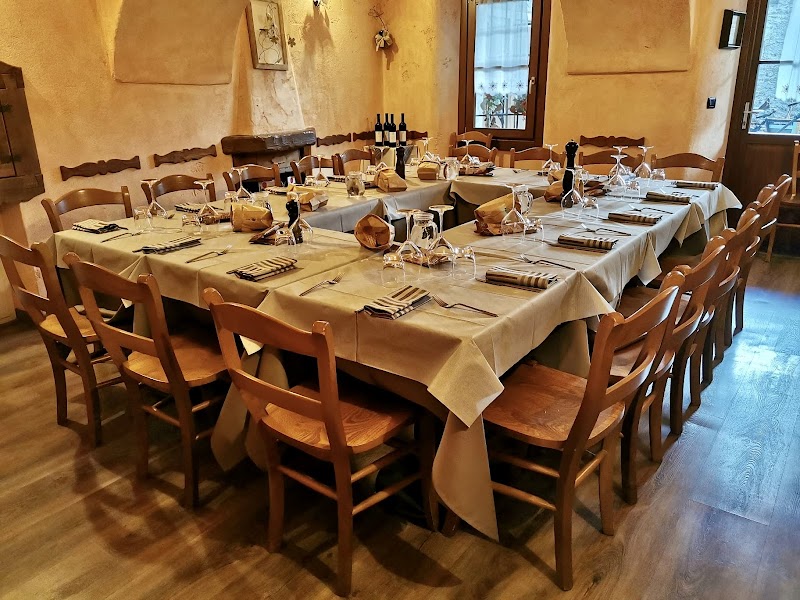
Book accommodation in the valley floor (Hotel Roma or Maison Borbey Guesthouse in Aosta, HB Aosta Hotel) for evening recovery and authentic Aosta Valley dinners at Trattoria di Montagna | Le Bar à Vin or la ferme gourmande before multi-day excursions.
Plan your trip
Personalised day-by-day itinerary in 5 minutes — restaurants, hotels, live events.
Plan now