The Valle d'Itria is a landscape born from dreams: rolling hills dotted with whitewashed trulli, fortified farmhouses, and dry-stone walls that chronicle centuries of labour and ingenuity. Alberobello, Locorotondo, and Cisternino are three gems embedded in a valley UNESCO declared a World Heritage Site. Time flows here at the rhythm of seasons, between subterranean oil mills, family wineries, and tables set beneath starlit skies.
The Landscape
The Valle d'Itria extends across the provinces of Bari, Brindisi, and Taranto, covering more than 400 square kilometres of karst terrain. The landscape is characterised by gentle undulations interrupted by dry-stone walls, built over centuries from red earth stones. Trulli—characteristic conical stone structures—dot the territory like mushrooms after rain. This unique morphology, shaped by agriculture and peasant ingenuity, creates an almost surreal panorama. Natural caves and rocky outcrops testify to ancient troglodyte populations, while gentle slopes allow cultivation of vines, olives, and almonds thriving in the Mediterranean climate.
History and Folklore
The Valle d'Itria was a frontier between the Kingdom of Naples and Lecce, a land of passage and conflict where Messapians, Romans, Saracens, and Normans succeeded one another. Trulli emerged in the 15th-16th centuries as permanent dwellings, evolving from earlier constructions. Local legend attributes the name 'Itria' to Santa Maria d'Itria, venerated in these lands. Fortified farmhouses provided shelter during Adriatic pirate raids. Local folklore preserves pagan traditions crystallised in festivities: Madonna dei Martiri, San Giorgio's feast in Cisternino. Elders speak of Marian apparitions in fields and miraculous protections during epidemics. Ancient rites tied to agricultural cycles persist in rural communities today.
What to Eat
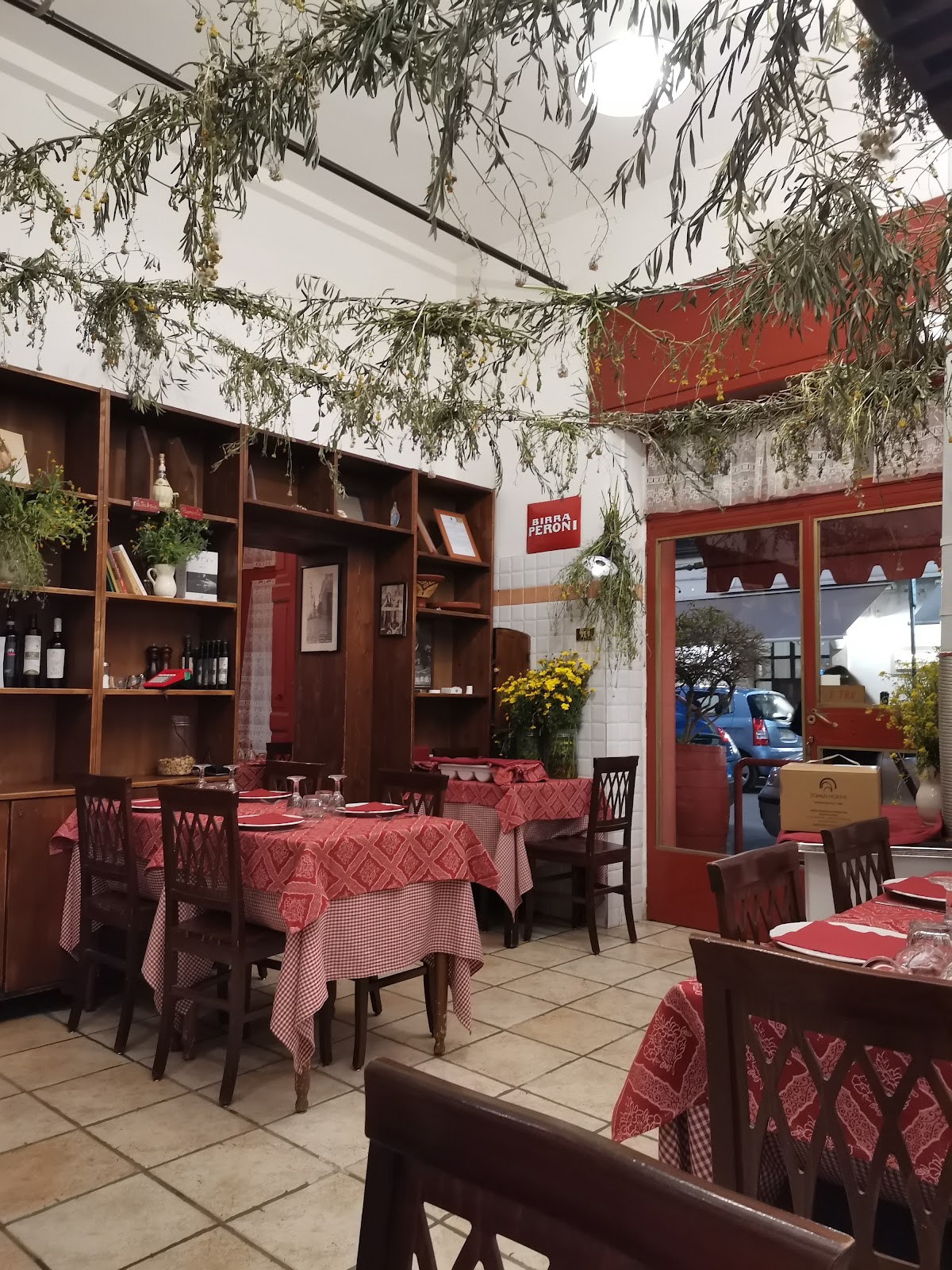
Valle d'Itria's cuisine is genuine and ancestral. Caciocavallo Silano DOP, a pulled-curd cheese from Adriatic shores, smokes slowly in traditional cellars. Orecchiette with Turnip Greens remains the identity dish, prepared as generations of women taught. Capocollo di Martina Franca DOP, a seasoned cured meat, slices thin beside dried figs. Burrata di Andria DOP, with creamy paste and milky heart, has become gastronomic symbol. Aubergine fritters, Barese focaccia, and Altamura bread DOP complete the local palette. Every dish narrates centuries of rural economy.
What to Drink
Viticulture in Valle d'Itria produces characterful, historic wines. Primitivo di Manduria DOC is the undisputed king—a powerful red with enveloping tannins and black fruit notes. Negroamaro, cultivated here for centuries, yields structured, mineral wines. Locorotondo DOC, an elegant white from Verdeca and Fiano grapes, embodies local refined tradition. Family wineries remain guardians of ancient recipes: Cantina Social di Locorotondo, Masserie Grieco in Cisternino, Tormaresca in the Murge. A visit to centenary oak barrels transports you through time.
When to Visit
Spring (April-May) dresses the valley in delicate colours: almond and cherry blossoms, mild temperatures around 20°C. Perfect for walking excursions among trulli. Summer brings intense heat but also Cisternino's San Giorgio Festival (23 April). Autumn (September-November) offers harvests, local celebrations, and Locorotondo's Madonna dei Martiri Festival (August). Winter is silent and introspective, ideal for solitude seekers. The Orecchietta Festival in Locorotondo (July) and Spring FAI Days make these periods special. Avoid August's torrid heat.
Places Worth Visiting
Alberobello remains symbolic heart: its Rione Monti district, with 1,500 trulli aligned on whitewashed slopes, is UNESCO heritage. Narrow streets hide craft workshops and cafés where visitors savour authenticity. Locorotondo enchants with trulli overlooking the valley and San Giorgio church crowning the village. Cisternino surprises with soberer but charming architecture: the historic centre ringed by medieval walls invites slow discovery. The three towns form the perfect triangle to understand Valle d'Itria.
Practical tips
Rent a bicycle or car from Bari and dedicate at least three days to the valley. Seasonal rentals in authentic trulli offer unforgettable experiences compared to large hotels.
Visit wineries during harvest season (September-October). Cantina Social di Locorotondo offers guided tastings without mandatory reservations, unlike other establishments.
Buy local DOP products directly from producers: Capocollo di Martina Franca and Burrata di Andria cost half as much as tourist shops. Ask recommendations at agriturismos.
Plan your trip
Personalised day-by-day itinerary in 5 minutes — restaurants, hotels, live events.
Plan now