Venice is built on 118 islands connected by 400 bridges and crossed by 170 canals — no roads, no cars. It is Italy's most difficult destination to manage: 13 million visitors a year in a city of 50,000 inhabitants in the historic centre. The result is a historic centre that belongs to tourists by day and returns to Venetians by night. The solution is to sleep in the city at least two nights — Venice at dawn and after 20:00 is a completely different city. The vaporetto (€9.50 single, €25 24h pass, €65 72h pass) is the only public transport on the Grand Canal. From Venezia Santa Lucia by train: Milan 2h 30' (€30-60), Rome 3h 45' (€45-90), Florence 2h (€25-50). Marco Polo Airport: Alilaguna vaporetto €15 (75 min) or water taxi €35 (30 min). Wheeled luggage does not work — Venice has 400 bridges with steps. Bring backpacks.
Day 1-2 — San Marco, Dorsoduro and Cannaregio
Piazza San Marco and the Basilica should be visited before 9:00 — after 10:00 the queue (free entry) is 45-90 minutes. The interior is one of European medieval art's masterpieces: 8,000 sqm of golden mosaics from the 9th-13th centuries, the Pala d'Oro (enamelled gold altarpiece from the 10th century, €2 extra), original bronze horses in the museum (copies stand outside). Palazzo Ducale (€25, book online) is the city's most important museum complex — the Sala del Maggior Consiglio (medieval Europe's largest hall), Bridge of Sighs, the prisons. Dorsoduro is the neighbourhood of students and museums: Gallerie dell'Accademia (€15, Titian, Veronese, Tintoretto — the world's largest collection of Venetian painting), Peggy Guggenheim Museum (€18, modern art with Grand Canal terrace), Punta della Dogana (Pinault Collection, contemporary art). Cannaregio is the most authentic neighbourhood — Europe's oldest Jewish Ghetto (1516, where the word 'ghetto' was born), the city's best cicchetti in the bacari of Fondamenta della Misericordia and Fondamenta degli Ormesini.
Day 3-4 — Burano, Murano and Torcello
Vaporetto line 12 from Fondamente Nove reaches the lagoon islands. Murano (7 min, Murano Colonna stop) is known for glassblowing — visitable furnaces include Barovier & Toso (founded 1295, the oldest), Venini and Berengo. The Glass Museum (€10) traces 2,000 years of glass production. Burano (40 min from Venice, ferry via Murano) is the island of coloured houses and lace — the bright colours (pink, lemon yellow, aqua green, Venetian red) are historically linked to each fishing family's identity. Tombolo lace is still made by hand by a few elderly masters — the Lace Museum (€5) displays the most precious works. Torcello (10 min from Burano) is the lagoon's oldest island — the Cathedral of Santa Maria Assunta (7th-11th century, €5) has the Byzantine mosaics of the Last Judgement among Italy's most important, rarely crowded. The bell tower (€3) has the best view over the entire lagoon.
Cicchetti, Bacari and Venetian Gastronomy
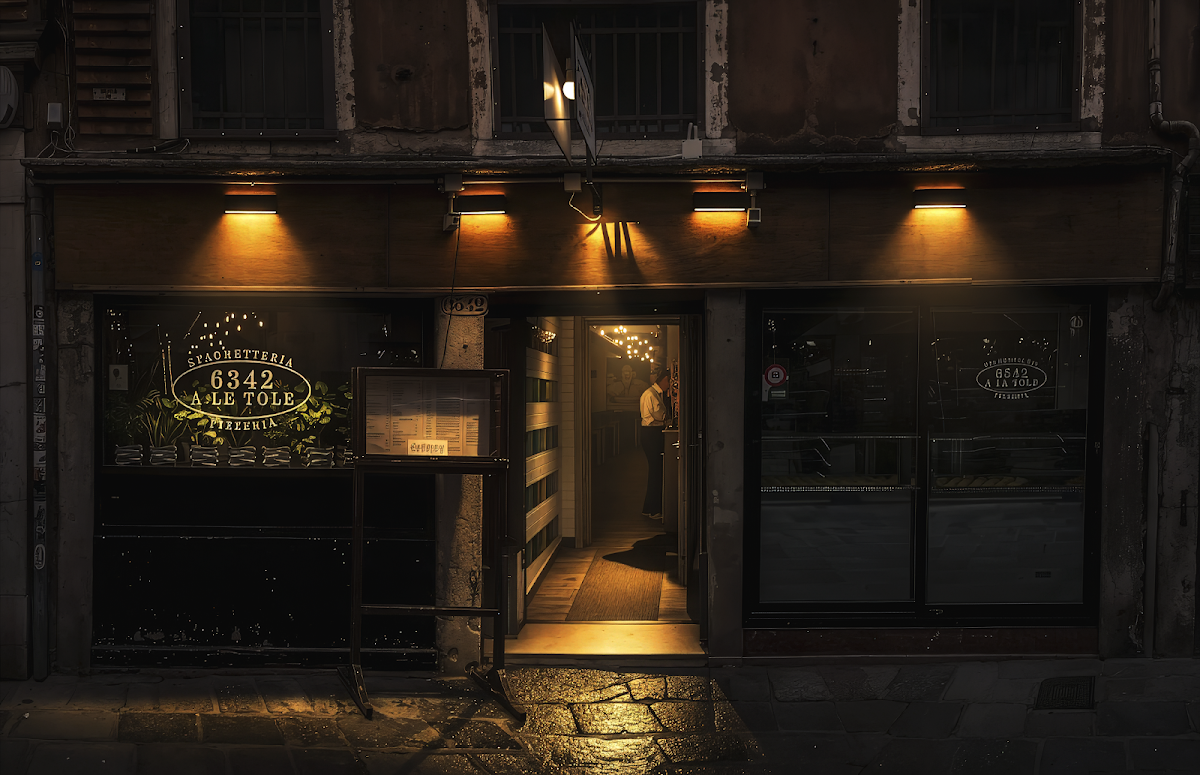
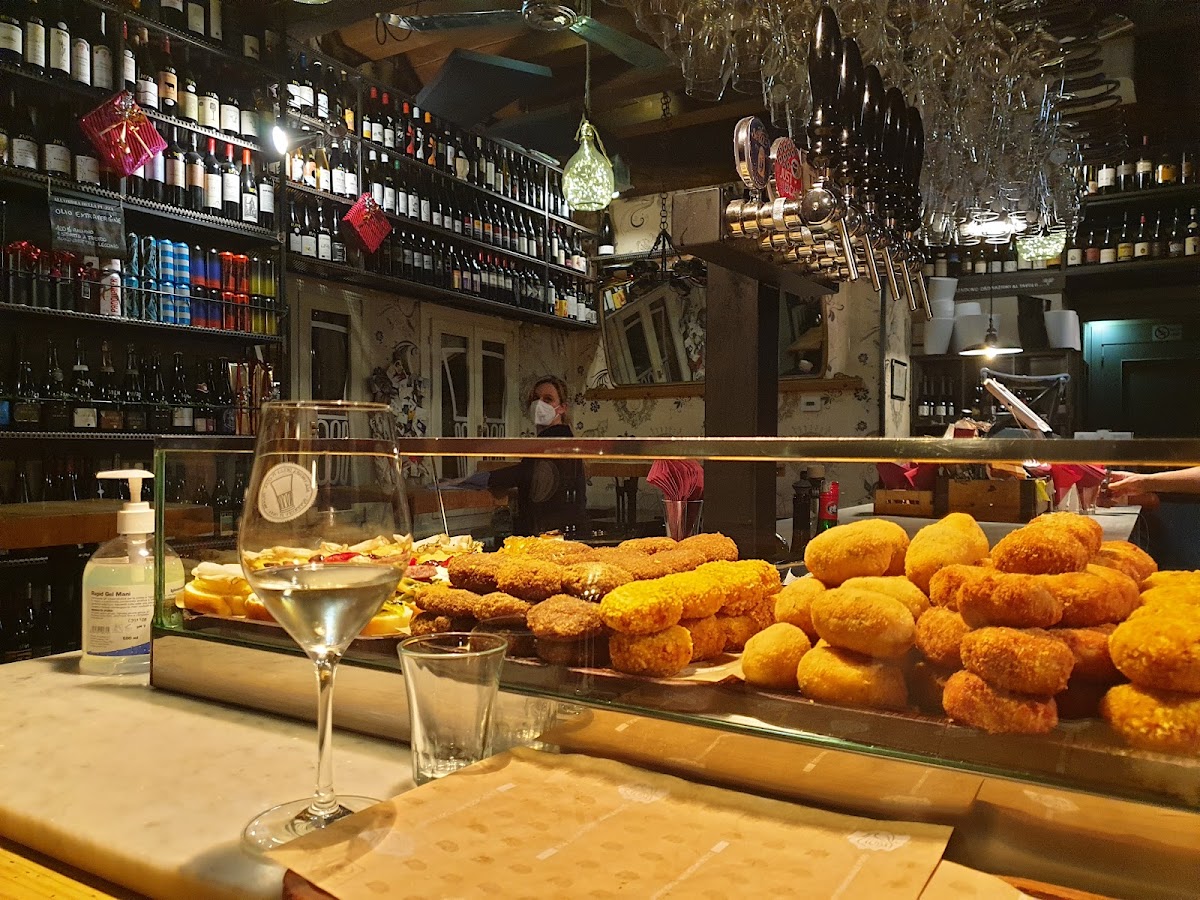
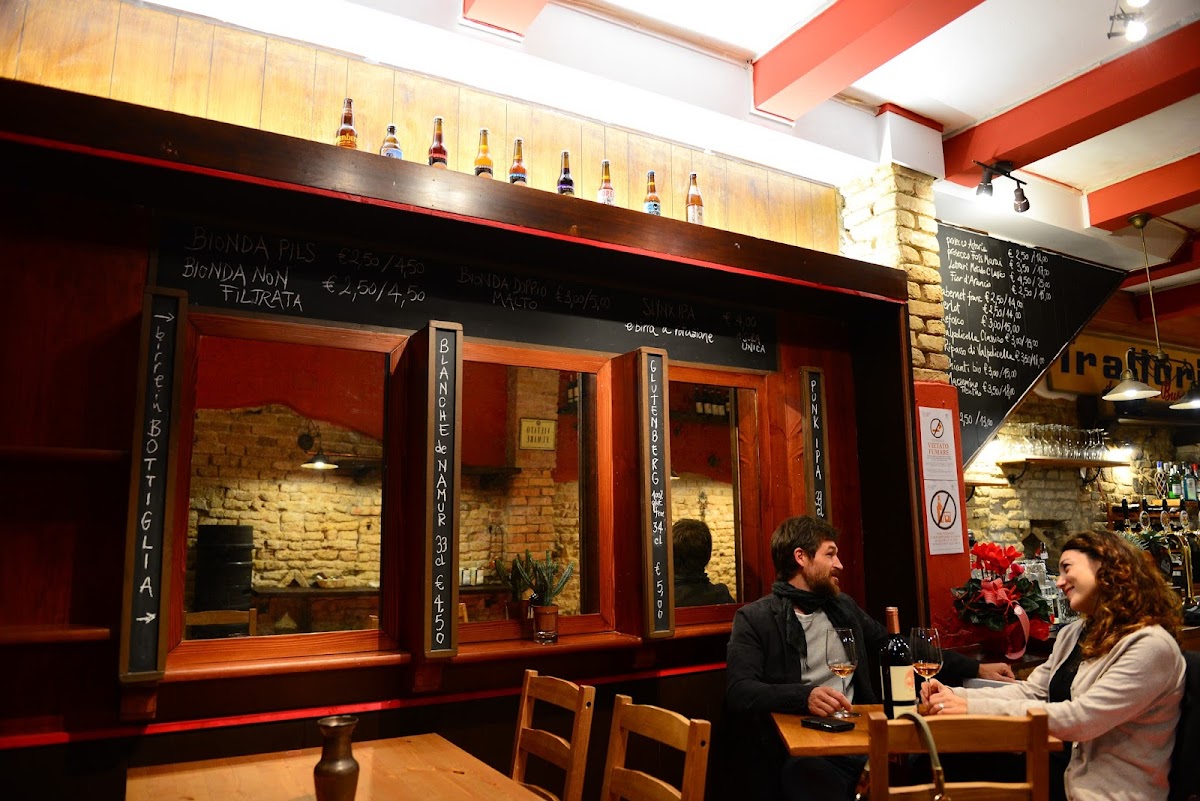
Cicchetti are Venetian tapas — single morsels at €1-2 eaten standing in the bacari (Venetian taverns). The ritual of the ombra (a glass of wine, €1-2) and cicchetti is the cheapest and most authentic way to eat in Venice: a complete meal at €10-15 in places where you would pay €40-60 at a restaurant. Best areas: Fondamenta della Misericordia and Ormesini in Cannaregio, Calle dei Saoneri in San Polo (All'Arco, one of the city's best bacari), the Rialto market in the morning. Cicchetti to look for: sarde in saor (sardines marinated sweet-and-sour with raisins and pine nuts — the most Venetian dish that exists), baccalà mantecato (dried cod whipped with oil until creamy, on polenta or bread), folpetti (boiled baby octopus with oil and lemon). The Rialto market (fish side: Pescaria) is open Tuesday to Saturday 7:30-12:00 — Venice's most authentic culinary scene.
What to Avoid and How to Get Around
Restaurants around San Marco and Rialto have prices 40-60% above the Venetian average — avoid tourist menus displayed outside. The gondola ride (€80 for 30 min, official rate, unless sharing a boat) is expensive but is Venice's most authentic experience — do it in the evening when traffic is lighter. The traghetto gondola (public gondola crossing the Grand Canal at 5 points, €2) is the cheapest way to cross the canal. Walking is always faster than the vaporetto for short distances — Google Maps in walking mode works well in Venice. The campielli (smaller squares) and less-frequented calli in Castello and Cannaregio still have an authentically Venetian life. The access fee (€5, introduced in 2024 for day visitors in high season) is paid online or at automatic kiosks — residents and those sleeping in the city are exempt.
Practical tips
Arrive at Piazza San Marco before 9:00 — after 10:00 it is almost unmanageable in July-August
Cicchetti in Cannaregio cost a third of San Marco restaurants and taste better
Wheeled luggage does not work in Venice — 400 bridges with steps. Bring backpacks
Torcello is almost always empty — the Last Judgement mosaics are among Italy's most important
The access fee (€5) applies to day visitors in high season — those sleeping in the city are exempt