Verona is the Shakespearean city par excellence — Romeo and Juliet, the Roman Arena, Piazza Bra, the Scaligeri's Castelvecchio. But Verona is also the gateway to Lake Garda (30km) and the Valpolicella hills (the Amarone vineyards). The UNESCO historic centre is compact and walkable in two days. From Milan by train: 1h 05' (€15-35). From Venice: 1h 10' (€15-30). From Bologna: 1h (€15-25). Verona-Villafranca Catullo airport (VRN) is 12km away — bus 199 (€6, 20 min) or taxi (€25).
The Arena and Piazza Bra
The Verona Arena (30 AD, third-largest Roman amphitheatre after the Colosseum and Capua, €10, closed during concerts) can hold 22,000 spectators and is still used for summer opera (June-August, the Arena Opera Festival — tickets from €30 in the terraces to €250 in the stalls). On opera evenings, spectators bring candles — one of Europe's most romantic spectacles. Piazza Bra (Verona's largest square, with the 19th-century Liston arcades) is lively from morning to night. The Verona Card (€20, 24h) includes the Arena, Castelvecchio, Torre dei Lamberti and all city museums.
Romeo, Juliet and the Historic Centre
Casa di Giulietta (Via Cappello 23, €6 for the courtyard and balcony, free Monday morning) is the medieval house associated with the Cappello family — the balcony was added in 1936 to create the Shakespearean setting. Juliet's Tomb (€6, a Romanesque arcosolium in San Francesco al Corso's cloister) is the place of romantic pilgrimages. Piazza delle Erbe (the medieval market square, with the 15th-century Column of St Mark) and Piazza dei Signori (the power square, with Dante's statue — who lived in Verona in exile) are 5 minutes on foot. Torre dei Lamberti (84m, €6 or included in the Verona Card, lift available) offers the most complete panorama over the historic centre and the Adige.
Castelvecchio, Valpolicella and Lake Garda
Museo Civico di Castelvecchio (€6, in the 14th-century Scaligeri castle, museum design by Carlo Scarpa — one of the most studied museums by designers worldwide) has the Veneto's most important medieval sculpture collection. The Scaligero Bridge (1375, pointed arches, rebuilt after WWII) crosses the Adige next to the castle. The Valpolicella (the hills north-west of Verona, 20 min by car) is the territory of Amarone della Valpolicella DOCG — one of Italy's most powerful and expensive red wines, produced from dried grapes (Corvina, Rondinella, Molinara). Visitable cellars: Allegrini, Masi, Bertani. Lake Garda (Peschiera del Garda, 30km, train) offers Sirmione with the Grottoes of Catullus and the Scaligero Castle.
Practical tips
The Arena Opera Festival (June-August) with spectators' candles is one of Europe's most romantic spectacles — book months in advance
The Verona Card (€20, 24h) includes the Arena, Castelvecchio and Torre dei Lamberti — always worthwhile
Castelvecchio (Carlo Scarpa's project) is worth visiting even for those who don't like museums — it is pure architecture
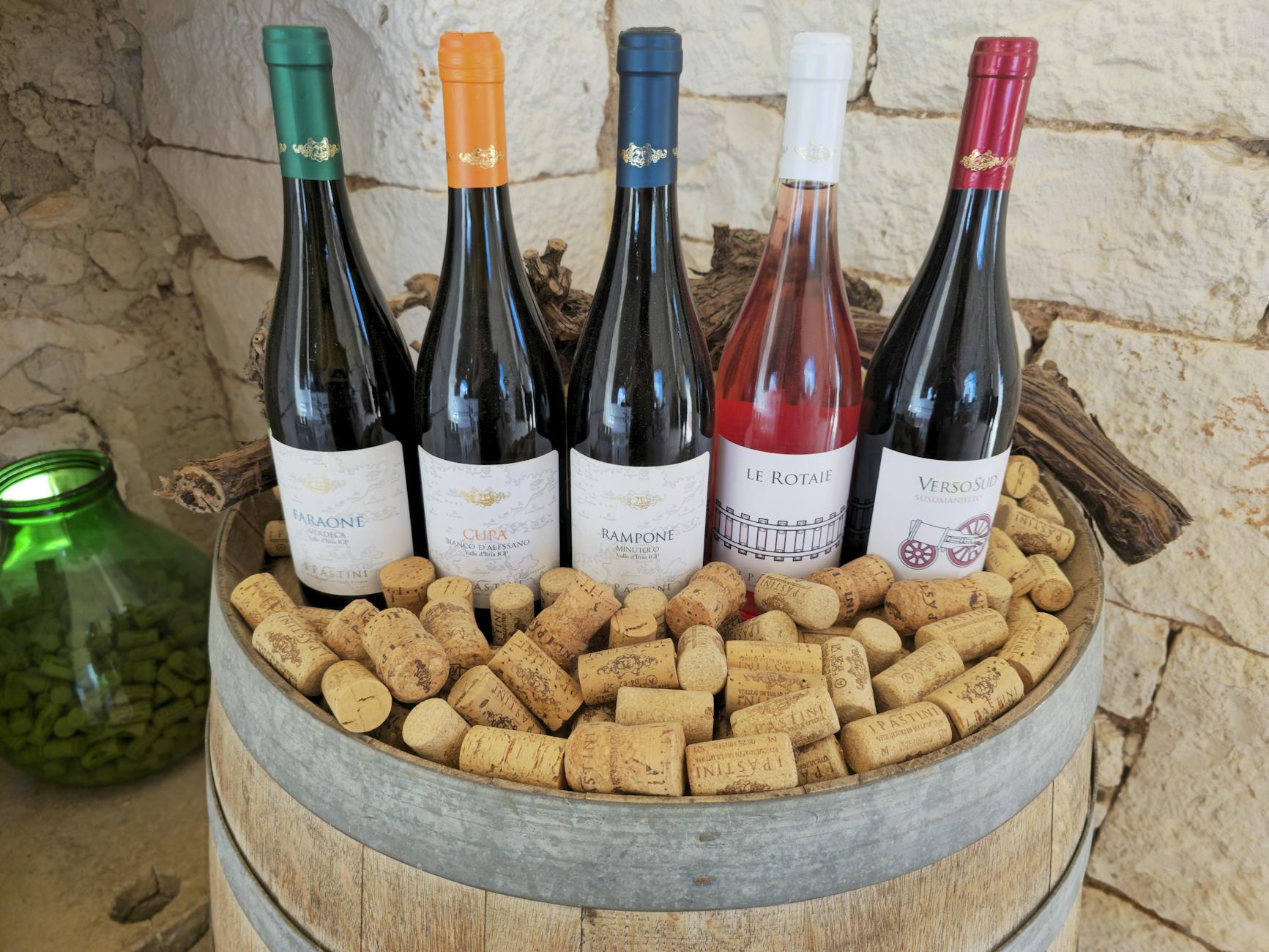
Amarone della Valpolicella is tasted in the hillside cellars 20 min from Verona — book the tasting online
Piazza delle Erbe early in the morning (before 9:00) is almost empty — the best time to photograph it