Tuscany is not simply wine geography: it is the tangible manifestation of centuries of dialogue between Sangiovese, terroir, and human will. From the hills of Montalcino where Brunello rests in French oak barrels, to the Chianti Classici of the Gallo Nero between Florence and Siena, to the coastal wines of the Val d'Orcia, the Tuscan territory encompasses complexities that deserve conscious study and tasting. This guide will lead you through the denominations that founded Italy's wine reputation: the historic wineries of Montepulciano, the innovations of Bolgheri, the traditions of Rufina. You will not find generalizations here, but specific itineraries, verified producer addresses, gastronomic pairings established in the authentic trattorias of Lucca and Florence, where every sip tells the story of the region's geology and history.

The Territory: Geology, History and Identity of Tuscan Wines
Tuscan wine region is structured along three fundamental geographic axes: the central ridge of the Crete Senesi and Val d'Orcia, where clays and limestone dominate, giving Brunello di Montalcino and Vino Nobile di Montepulciano an unmistakable mineral structure; the Chianti Classico triangle between the provinces of Florence and Siena, with porphyritic and calcareous soils that produce natural balance between acidity and tannins; finally the coast, from Bolgheri to San Gimignano, where marine influences and volcanic sands create stylistic experimentation. Sangiovese grosso remains the undisputed king: in its Brunello version it reaches 100 months of mandatory wood aging, in its Nobile version a minimum of 24 months, in Chianti Classico a contemporary renaissance. Tuscan soils, forged by millions of years of marine sedimentation and volcanic activity, confer upon wines a salinity and persistence that transcend mere fruitiness. The medieval history of the Medici in Florence, the Piccolomini in Siena, the maritime republics that controlled trade toward Venice, transformed wine from a rural beverage into a product of international prestige already in the sixteenth century.

# The Wineries: Where to Taste, Book, and Meet the Vintners
Tasting in Tuscany is not passive consumption but rather a sensory archive. In Montalcino, Castello Banfi (Strada Griccioli 135, tel. +39 0577 816111) occupies 900 hectares with cellars carved into tufa at 500 meters deep: guided visits depart at 10:00 and 14:00, mandatory reservation, 35 euros for three Brunello from different vintages. In Montepulciano, Vino Nobile DOCG finds its home at Poliziano (via Fontago 11, open Monday-Friday 8:30-13:00 and 14:30-18:00): tastings in a sixteenth-century cellar, 20 euros for four wines. In the heart of Chianti Classico, Castello di Ama (località Lecchi, Gaiole in Chianti, +39 0577 746111) combines a contemporary museum with historic vineyards: Saturday and Sunday visits at 11:00 and 15:00, 45 euros including vertical tasting of Chianti Classico Gran Selezione. In Florence, Enoteca Pinchiorri (via Ghibellina 87, +39 055 242777) preserves 12,000 labels in 16 underground halls: here you will discover the rarest Riserva wines from Antinori and Frescobaldi, with a dedicated sommelier. For those staying in Lucca, Hotel Melecchi Sas is strategically positioned toward the northern wine regions: from here you can reach Lucca DOC in 45 minutes, where Fattoria di Fugnano produces organic wines with a panoramic terrace.

The wines: sangiovese, vermentino and productions to discover
Tuscan Sangiovese Grosso exists in three canonical expressions. Brunello di Montalcino DOCG: 100% sangiovese, minimum aging 100 months of which 84 in wood, alcohol 12.5-15%. Biondi-Santi Riserva 2016 (120 euros) is the historic icon, but Altesino 2018 (45 euros) offers superior value for money with notes of marasca cherry and violet. Vino Nobile di Montepulciano DOCG: 70% sangiovese, 30% canaiolo and other varieties, minimum 24 months in wood, alcohol 12.5-13.5%. Poliziano Asinone Riserva 2019 (55 euros) shows tertiary complexity on dried fruits. Chianti Classico DOCG: 75-100% sangiovese, variable aging (3 months base, 24 for Riserva), alcohol 11.5-13.5%. Castello di Ama 2021 (32 euros) combines contemporary freshness with historical respect. On the coast, Bolgheri Sassicaia 2020 (180 euros) blends cabernet sauvignon and cabernet franc in volcanic soils, creating sophisticated internationality. Vermentino di San Gimignano DOCG remains Tuscany's most important white wine: 100% vermentino, notes of almond and citrus, alcohol 11-12%. Teruzzi e Puthod Vernaccia 2023 (18 euros) is the reference. For purchases, Enoteca Gambero Rosso in Florence (Piazza Cavour 15) offers curated selection with competitive prices and guaranteed shipping. Online, WineBox Toscana (wineboxtoscana.it) proposes vertical tasting boxes curated by certified sommeliers.

At Table with Wines: Authentic Pairings in Tuscan Trattorias
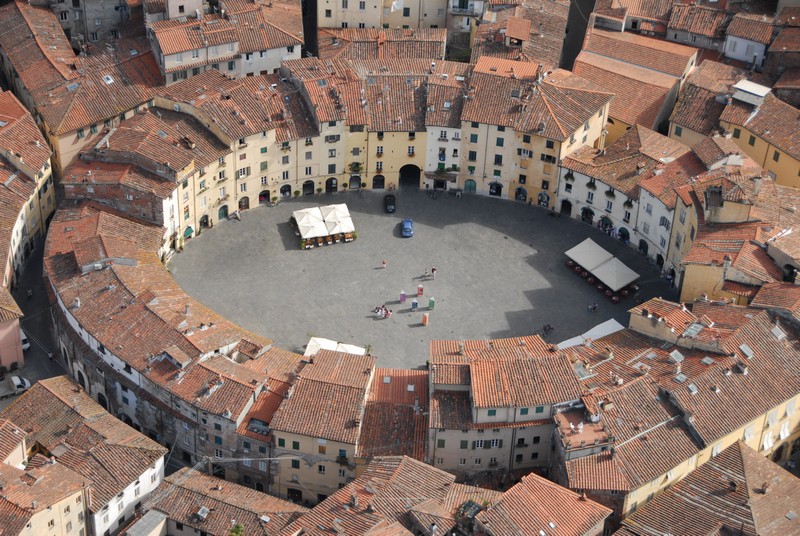
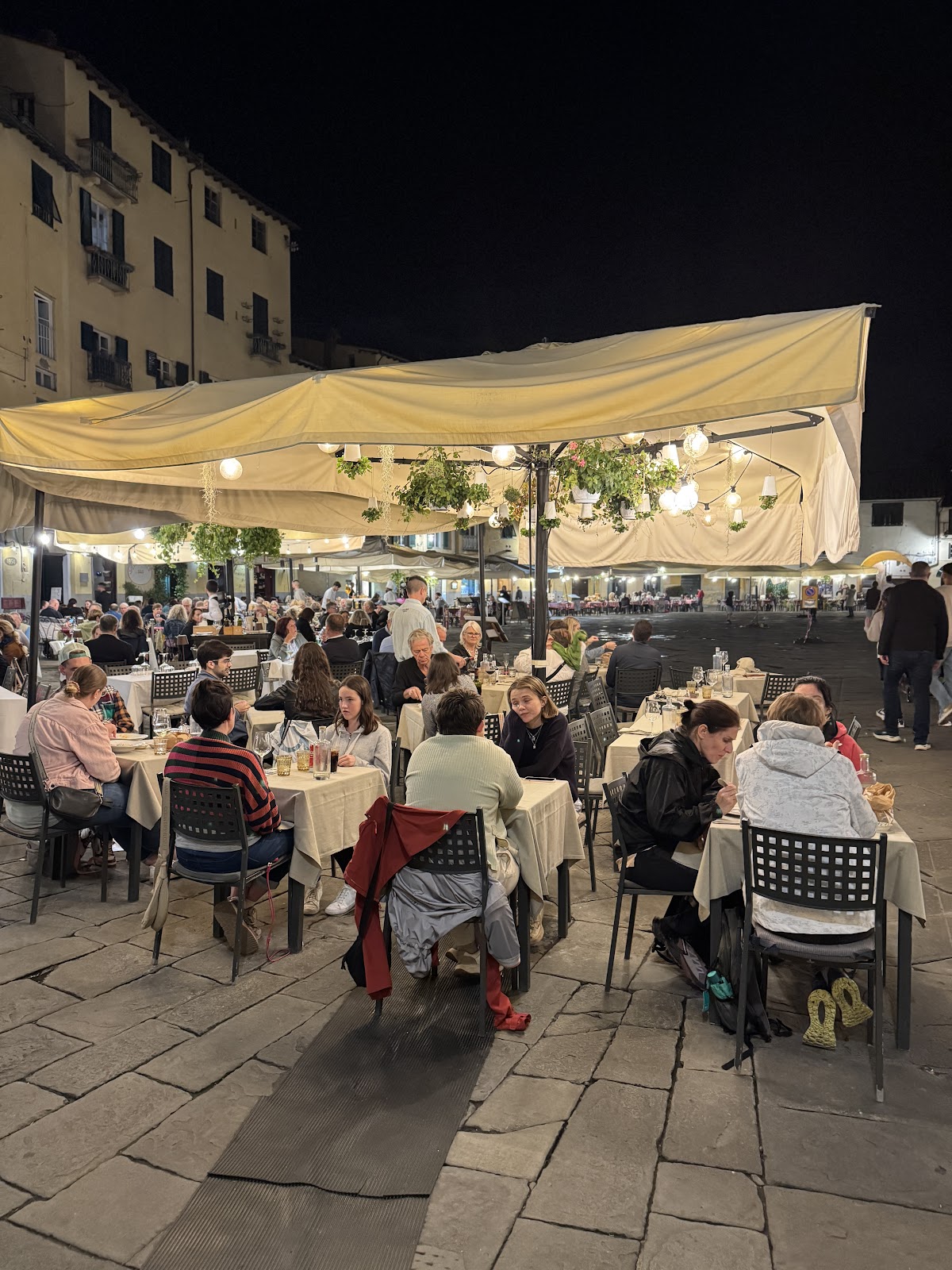
The Tuscan wine-food pairing follows an unwritten rule: the territory produces both components together. In Lucca, Osteria dell'Indulgenza (Piazza San Salvatore 3, +39 0583 55948, Monday-Thursday 12:00-14:30 and 18:30-23:00) serves bistecca alla fiorentina with Brunello Riserva: the richness of Tuscan beef, cooked over flame, dialogues perfectly with the evolved tannins of Brunello; tasting menu 55 euros. Quanto Basta Lucca (Via San Paolino 11, +39 0583 953136, closed Tuesday) offers barley risotto with Vermentino di San Gimignano: local barley, slowly cooked in vegetable broth, gains salinity from the coastal white wine; dish 18 euros, wine 25 euros. Trattoria da Nonna Clara (Via Teofilo Forti 12, +39 0583 467470, open daily 12:00-14:00 and 19:00-22:00) serves tordela (stewed eel) paired with Chianti Classico: the richness of eel is tempered by the acidity of Sangiovese; 32 euros for dish and wine. In the heart of Florence, at Albergo Firenze you can receive recommendations for historic establishments like Buca Lapi (Via del Trebbio 1-3, +39 055 213768): here tripe alla fiorentina meets Chianti Classico Riserva Frescobaldi with a result of salty-tannin balance; 28 euros. L'Angolo Tondo in Lucca (Piazza dell'Anfiteatro 3, +39 0583 467803, Wednesday-Sunday 12:30-14:30 and 19:30-22:30) reinterprets local dishes with contemporary technique: tortello lucchese (ricotta and vegetables) pairs with Vermentino with mineral notes; menu 45 euros.
Practical tips
Book cellar visits at least two weeks in advance: major wine regions like Montalcino and Montepulciano require advance bookings, especially during peak season (May-June and September-October).
Purchase Brunello and Vino Nobile in mature vintages: a 2015-2016 offers tertiary complexity at a lower price compared to the 2019-2020 still in evolution; consult Galloni or Tanzer ratings before investing.
Visit Lucca as an exploration base: Hotel Melecchi Sas or Le Camere di Caterina position you perfectly between Chianti, Montepulciano and Bolgheri, with access to trattorias like Sottosotto in Piazza dell'Anfiteatro for post-tasting dinners.
Do not overlook the Chianti Classico Gran Selezione: this category introduced in 2013 represents the quality peak of the region; Antinori Tignanello (innovative blend) and Frescobaldi Nipozzano Riserva offer better value for money compared to entry-level Brunello.
Dedicate an entire day to Val d'Orcia: beyond wine tastings, the UNESCO World Heritage landscape deserves Dante's Pass for hiking, followed by dinner at L'Oste di Lucca with Vino Nobile and views of the Crete Senesi at sunset.
Plan your trip
Personalised day-by-day itinerary in 5 minutes — restaurants, hotels, live events.
Plan now