El lago más largo de Italia, entre Piamonte, Lombardía y Cantón Ticino. Islas Borromeas, jardines botánicos, pueblos medievales y la luz que los pintores del Grand Tour persiguieron durante siglos.
Il Verbano: dove le Alpi incontrano il Mediterraneo
Il Lago Maggiore si estende per 65 chilometri tra Piemonte, Lombardia e Canton Ticino, protetto dall'arco alpino che crea un microclima eccezionale: piante mediterranee — magnolie, camelie, oleandri e palme — crescono a latitudini dove dovrebbe regnare il freddo. È questo paradosso botanico il segreto del lago: non la grandiosità delle Dolomiti né la mondanità della Riviera, ma una dolcezza di paesaggio che unisce l'austerità alpina alla morbidezza mediterranea. Il lago ha 193 km di perimetro, una profondità massima di 370 metri (secondo più profondo d'Italia dopo il Como) e ospita oltre 80 isole, isolotti e scogli.
Le Isole Borromee
Il cuore del Lago Maggiore batte nel Golfo Borromeo, dove tre isole minuscole concentrano una densità di storia, arte e botanica unica al mondo. Isola Bella: Il Palazzo Borromeo e le sue dieci terrazze digradanti formano una piramide di giardini, statue e fontane che sembra galleggiare sull'acqua. Costruito nel 1600 come dono del conte Vitaliano VI alla moglie Isabella, il palazzo è ancora di proprietà della famiglia Borromeo. Isola dei Pescatori: L'unica isola abitata tutto l'anno. Un labirinto di vicoli stretti, case di pietra con balconi fioriti. La sera, quando i turisti giornalieri se ne vanno, l'isola torna ai pescatori. Isola Madre: La più grande e tranquilla delle tre. Un paradiso botanico dove il Cipresso del Kashmir — il più grande d'Europa — veglia su piante esotiche da tutto il mondo. Biglietti combinati per le tre isole: adulti €22, bambini €10.
Stresa: la porta del Golfo Borromeo
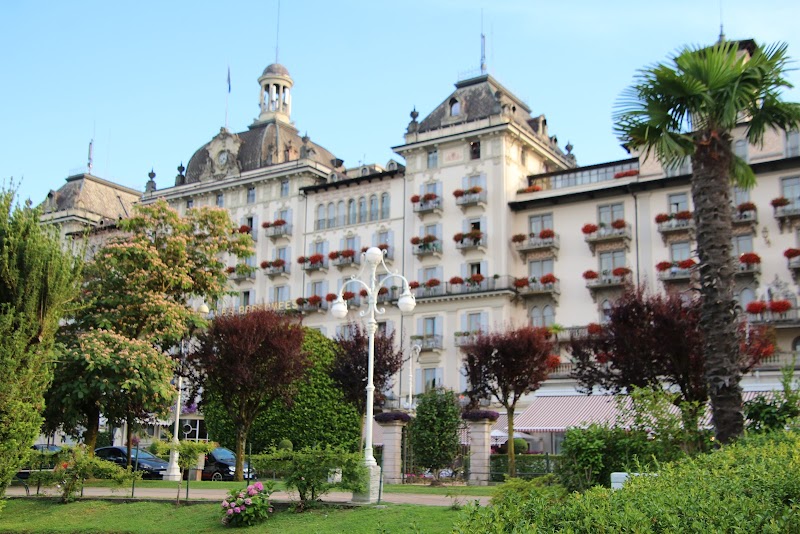
Il punto di partenza imprescindibile per ogni esplorazione del lago. Il lungolago Liberty è il suo simbolo: un chilometro di ville, hotel storici e caffè con vista sulle isole. Il Grand Hotel des Iles Borromées (1863), dove soggiornò Hemingway mentre scriveva Addio alle armi, è ancora in funzione. Dalla funivia (€13.50 a/r), si raggiunge il Mottarone (1491 m) in 20 minuti, con vista a 360 gradi su tutto il lago e sulle Alpi.
Il Colosso di San Carlo: il gigante di Arona
Ad Arona si erge il San Carlone: una statua di bronzo e rame alta 23.4 metri (35 con il piedistallo) che domina il lago e la pianura padana. Costruita tra il 1614 e il 1698, è la seconda statua calpestabile al mondo dopo la Statua della Libertà di New York — a sua volta ispirata proprio al San Carlone. All'interno si può salire fino alla sommità attraverso scale e pioli: dalla testa si vede il panorama completo del lago attraverso le pupille della statua (€4.50 adulti).
La sponda lombarda: Angera e l'Eremo di Santa Caterina
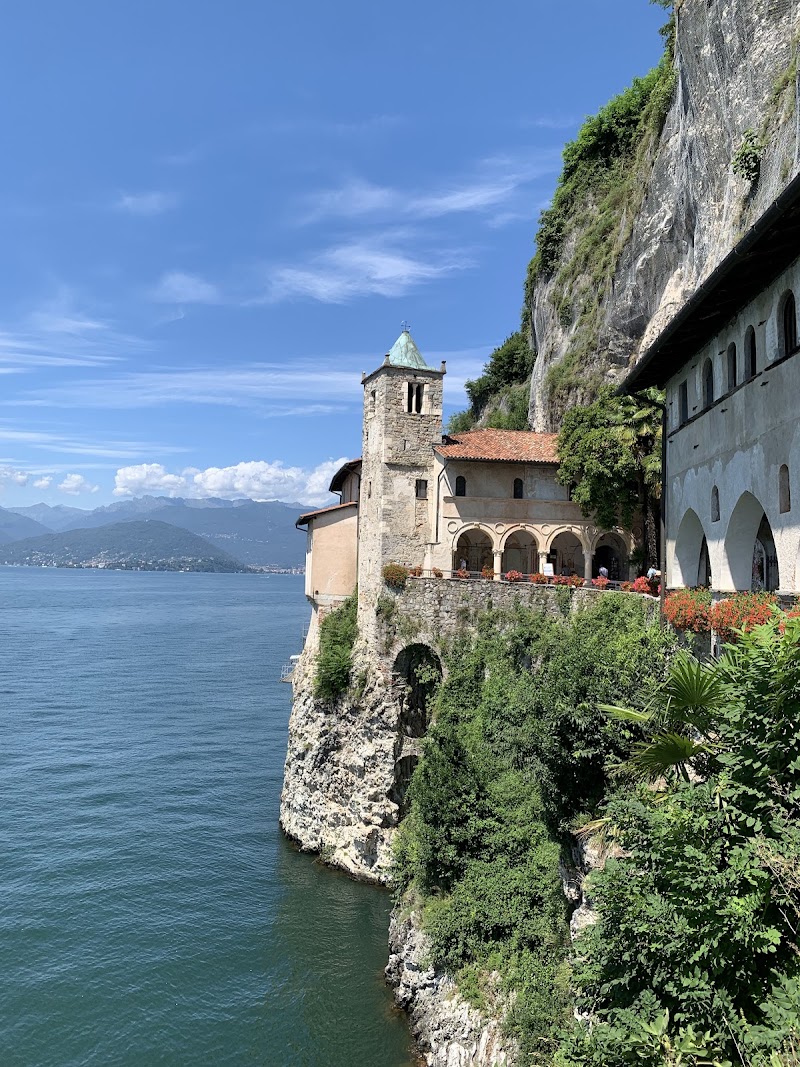
La sponda lombarda, meno turistica della piemontese, offre alcune delle gemme più preziose del lago. La Rocca di Angera è una fortezza medievale ancora in piedi, con sale affrescate e un Museo della Bambola unico in Italia. Di fronte ad Arona, è raggiungibile in traghetto in 10 minuti. L'Eremo di Santa Caterina del Sasso (Leggiuno): incastonato nella roccia della sponda est, questo convento del XII secolo è accessibile solo via barca o scendendo 268 scalini. I frati agostiniani vivono ancora qui.
Natura e panorami: Cannobio, Mergozzo, Villa Taranto
Cannobio, all'estremo nord del lago piemontese, è un borgo medievale con il centro storico intatto e la spiaggia più bella della sponda occidentale. Dalla piazza si sale nella Val Cannobina, una valle selvaggia con cascate e mulini abbandonati. Il Lago di Mergozzo è il più piccolo d'Italia — e il più pulito, senza traffico motociclistico. Acqua trasparente fino a 15 metri. Villa Taranto a Pallanza: 20 ettari con 20.000 specie di piante, compresi i ninfei giganti Victoria. Aperto aprile-ottobre.
Cosa mangiare al Lago Maggiore
La cucina del lago è un ibrido tra Piemonte e Lombardia. Lavarello e persico in carpione: i pesci del lago marinati in aceto e cipolle. Agone essiccato (missoltino): le alche del lago essiccate e conservate sotto sale, servite grigliate con polenta. Risotto al pesce persico: il piatto simbolo della sponda lombarda. Torta di nocciole e amaretti di Stresa. I mercati del pesce si tengono a Verbania (martedì e venerdì) e a Cannobio (domenica mattina).
Come arrivare e muoversi
In treno: da Milano Centrale a Stresa in 1h10 (€12-18). Da Torino Porta Nuova a Verbania in 1h50 (€15-20). In auto: da Milano A8 direzione Varese, poi SS33 del Sempione (1h30). Da Torino A26 (1h45). I traghetti Navigazione Lago Maggiore collegano tutte le sponde — il biglietto giornaliero (€19.50 adulti) è la scelta giusta per chi vuole esplorare più sponde in un giorno.
Dove alloggiare
Stresa è la base più comoda per le Isole Borromee. Verbania offre prezzi migliori e accesso diretto a Villa Taranto. Cannobio è la scelta giusta per la tranquillità. Budget: B&B da €60-90/notte. Medio: hotel 3 stelle con vista lago da €120-180. Alto: Grand Hotel des Iles Borromées da €350.
Quando visitare il Lago Maggiore
Aprile-maggio: la stagione della fioritura. Le camelie e le magnolie sono al massimo splendore. Meno folla, temperature miti (15-22°C). Giugno-luglio: il momento migliore per il lago — sole garantito, acqua calda per nuotare. Agosto: il mese più affollato e caro. Settembre-ottobre: la seconda stagione d'oro — acqua ancora calda, colori autunnali, prezzi in calo. Novembre-marzo: lago romantico e deserto. Molti alberghi e ristoranti chiudono. Le Isole Borromee aprono solo nei weekend.
Preguntas frecuentes
¿Cómo se llega a las Islas Borromeas?
En ferry desde Stresa, Baveno o Verbania cada 15-20 minutos. El boleto combinado para las tres islas cuesta €22 para adultos. El servicio de ferry es operado por Navigazione Lago Maggiore.
¿Cuál es la mejor época para visitar el Lago Maggiore?
Abril-mayo para flores en floración (camelias, magnolias) y menos multitudes. Junio-julio para temperaturas más cálidas del lago. Septiembre para colores otoñales y mejores precios. Agosto es el mes más concurrido.
¿Qué es el San Carlone de Arona?
Una estatua de bronce y cobre de 23,4 metros de altura dedicada a San Carlos Borromeo. Se puede subir por el interior hasta la cima. Desde el interior se ve el lago a través de las pupilas de la estatua. Entrada €4.50.
¿Cómo se va de Milán al Lago Mayor?
In treno da Milano Centrale a Stresa in 1h10 (€12-18). In auto via A8 direzione Varese, poi SS33 del Sempione (circa 1h30).
Cosa mangiare al Lago Maggiore?
Pesce di lago in carpione, agone essiccato con polenta, risotto al pesce persico. Per i dolci: torta di nocciole e amaretti di Stresa.
Vale la pena visitare Villa Taranto?
Sì, è uno dei giardini botanici più ricchi d'Europa: 20 ettari con 20.000 specie di piante tra cui i ninfei giganti Victoria. Aperto da aprile a ottobre a Pallanza, Verbania.
Pianifica la tua visita al Lago Maggiore
Itinerario personalizzato giorno per giorno in 5 minuti — ristoranti, hotel, eventi live.
Construye tu itinerario