Assisi is not merely a destination—it is a pilgrimage of the soul through centuries of faith, art, and miracles. The surrounding Valle Umbra is a masterpiece of rural harmony, with medieval villages perched on hillsides, silvery olive groves rolling toward Perugia, and that golden light that inspired Italy's great painters. To come here is to walk the very stones where Saint Francis preached to birds and admire frescoed churches that still whisper the secrets of medieval Umbria.
The Landscape
The Valle Umbra is one of central Italy's most beautiful plains, framed by the Sibillini Mountains to the east and gently sloping hills toward Perugia. The territory extends between Assisi, Spoleto, Foligno, and Spello, with elevations ranging from 200 to 600 meters. Landscapes feature a perfect mosaic of cultivated fields, centuries-old olive groves, and oak forests. The Topino and Chiascio rivers flow gently through the valley, creating micro-ecosystems of great natural value. Local limestone geology has shaped not only the landscape but also village architecture, with rose-colored stone glowing at sunset. The air, crisp and scented with wild thyme and rosemary, offers that luminous quality that fascinated generations of artists.
History and Folklore
Assisi is the beating heart of Valle Umbra, birthplace of Saint Francis of Assisi (1181-1226), the saint who revolutionized Christianity by preaching universal brotherhood and love for nature. The most fascinating legend tells of Francis preaching to birds in the Prato di San Francesco, converting them to contemplative silence. The Basilica of Santa Chiara houses relics of the saint who founded the Poor Clares order. Local folklore brims with miracle stories: spontaneous healings in shrines and Marian apparitions along valley paths. Each village—from Spello with Roman inscriptions to Bevagna with its theater—preserves traces of Etruscan, Roman, and medieval dominions. Legends speak of Templar knights finding refuge in hidden valley convents during the Crusades.
What to Eat
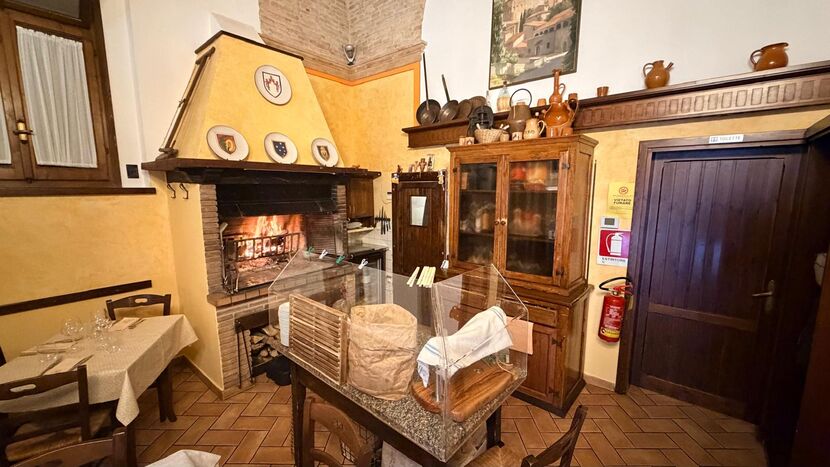
Valle Umbra's gastronomy is an ode to simplicity and excellence. Black Truffle of Norcia DOP, harvested in winter forests, perfumes creamy risottos and fresh pasta. Pecorino Romano DOP and Pecorino di Norcia DOP are cheeses embodying local pastoral tradition. You must try umbrici—narrow hand-rolled spaghetti—tossed with donkey ragù or truffle. Strozapreti, rope-shaped pasta, comes dressed with walnut sauce or porcini mushrooms. Assisi bread, with golden crust, accompanies every meal. Tiny, fragrant Castelluccio di Norcia DOP lentils become memorable soups. Tozzetti biscuits, crunchy and almond-studded, close meals with Umbrian sweetness.
What to Drink
Valle Umbra produces wines of extraordinary character. Sagrantino di Montefalco DOCG, a deep, tannic red, is the region's prince: aged 30 months in wood, it expresses smoky complexity and red fruits. Montefalco Rosso DOCG, more elegant and subtle, pairs perfectly with meats and truffles. Vermentino dei Colli Martani IGT offers a fresh, mineral white. Vernaccia di Orveto DOC, with notes of almond and honey, complements fish and light dishes. Natural wines from small artisanal winemakers represent the area's future. Don't miss Passito d'Assisi, a sweet meditation wine.
When to Visit
Spring (March–May) is ideal: meadows fill with red poppies and temperatures suit hiking perfectly. Saint Francis Feast (October 3) attracts pilgrims worldwide. May brings Calendimaggio in Assisi, a medieval reenactment with processions and performances. Summer is crowded but magical for starlit terrace nights. Autumn (September–November) offers crystalline skies and truffle harvests: Norcia's National Black Truffle Exhibition (November) is an unmissable gastronomic event. Winter is tranquil, perfect for convent contemplation and wine tastings.
Places Worth Visiting
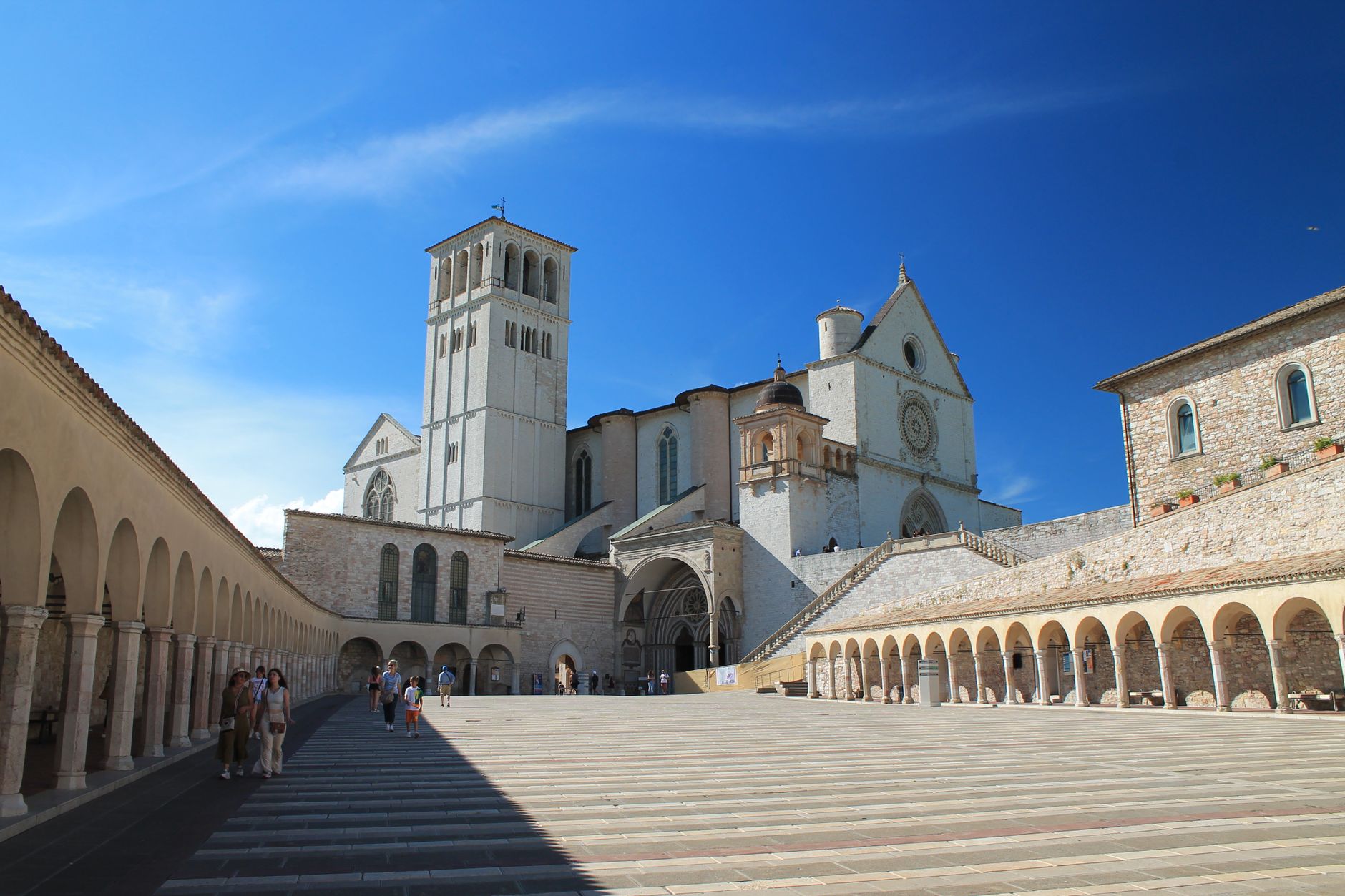
The Basilica of San Francesco in Assisi is the absolute masterpiece: Giotto's frescoed cycles in the lower nave tell the saint's life with unparalleled emotional depth. Spello, 'the garden of Umbria,' captures medieval essence with colorful houses climbing the hillside, while the Church of Santa Maria Maggiore holds Perugino's works. Finally, the tiny Franciscan hermitage of Carceri in Assisi's mountains offers absolute silence and intimate communion with the nature Saint Francis himself sought.
Practical tips
Start early morning to visit the Basilica of San Francesco before crowds arrive. Entry is free, but to truly appreciate Giotto's frescoes, consider a specialized guided tour.
Rent a bicycle to explore the valley between villages: unpaved paths connecting Assisi, Spello, and Santa Maria degli Angeli offer extraordinary views and peace.
Visit the Carceri Hermitage at dawn or dusk, when light filters through oak forests creating an almost mystical atmosphere. Wear sturdy hiking boots.
Plan your trip
Personalised day-by-day itinerary in 5 minutes — restaurants, hotels, live events.
Plan now