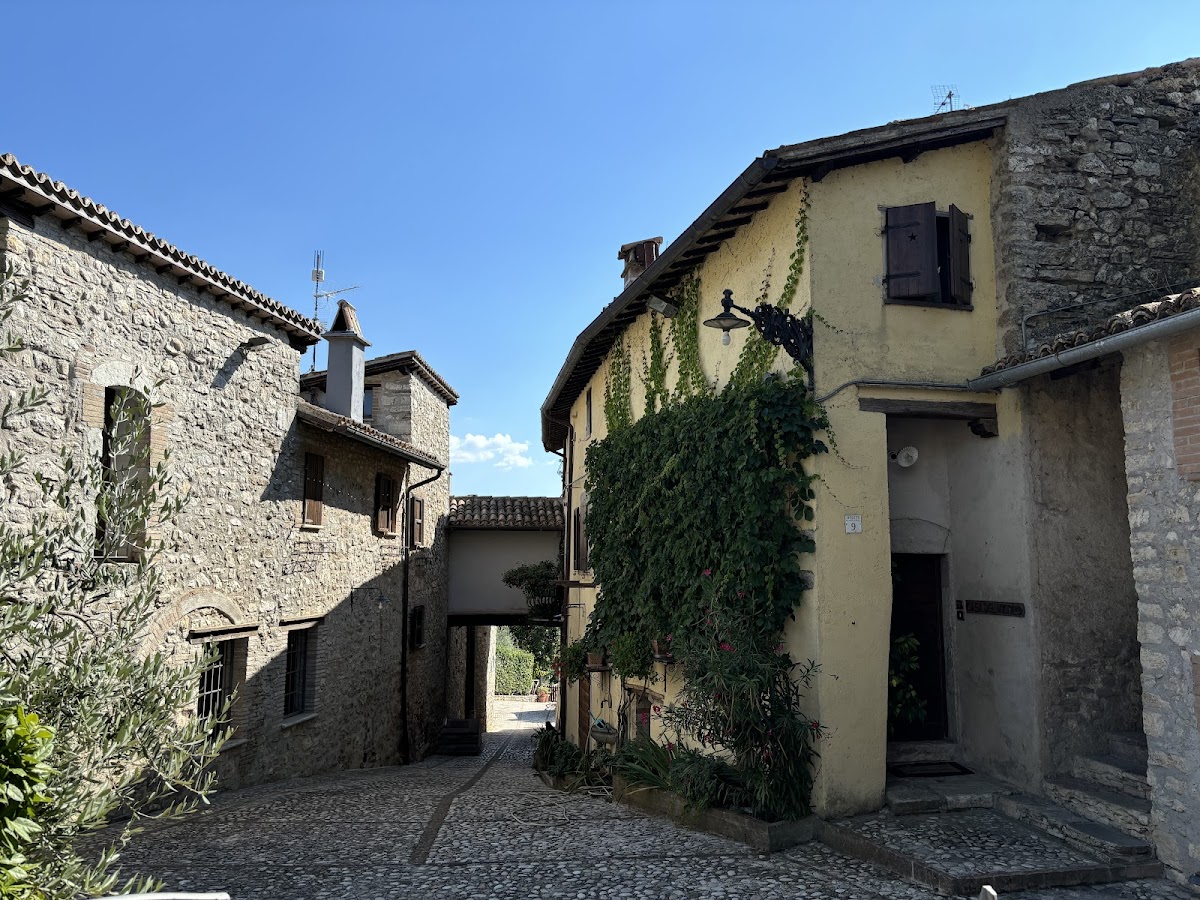
Todi and Spoleto are Umbria's hidden masterpieces, two medieval fortresses perched on verdant hills that dominate the Tuscan-Umbrian landscape like sentinels of the past. Here, time seems to have stopped in the glorious centuries of the Middle Ages and Renaissance, when these cities were spiritual and artistic powers. Walking through their cobbled streets is like turning the pages of an ancient illuminated manuscript.
The Landscape
Todi and Spoleto rise in the heart of Umbria, separated by the Tiber River that gently cuts through the landscape. Todi sits on a triangular promontory at 400 meters elevation, surrounded by three concentric rings of walls that embrace the historic center like protective rings. Spoleto, further south, dominates the Valnerina with its massive fortress and towers that stood out against the sky. The surrounding hills, covered with century-old olive trees, vineyards, and oak forests, create an enchanting landscape that changes with every season. Nearby villages like Deruta, famous for ceramics, and Montefalco complete this mosaic of rural beauty.
History and Folklore
Todi was founded by the Etruscans in the 6th century B.C., later conquered by Romans who called it Tuder. In the Middle Ages it became a free commune, a splendid center of Guelph power. Spoleto has even more ancient roots: dominated by Romans and Lombards, it was one of the capitals of the Lombard Duchy. Both cities breathe medieval mysticism: in Todi, blessed Jacopone da Todi, a 13th-century poet and mystic, composed his mystical laudi; in Spoleto, the Cathedral houses a relic of Saint Thomas's finger. Local legends speak of Marian apparitions on the Spoleto fortress and of eucharistic miracles in Todi churches. The tradition of the Palio dei Terzieri, dating back to the 13th century, still characterizes local celebrations.
What to Eat
Todi-Spoleto cuisine enchants with authentic flavors tied to the land and seasonality. Black Truffles of Spoleto DOP dominate refined dishes like truffle tagliatelle and truffle eggs. Red Lentils of Castelluccio IGP, from the valley below, transform into creamy soups. Todi Extra Virgin Olive Oil IGP is liquid gold on toasted bruschetta and grilled meats. Norcia Cured Meats IGP from the area—speck and guanciale—accompany local cheeses like Norcia pecorino. Don't miss the Spoleto ciaramiccia, a flour and honey sweet, and Todi crostoli, fragrant wine biscuits.
What to Drink
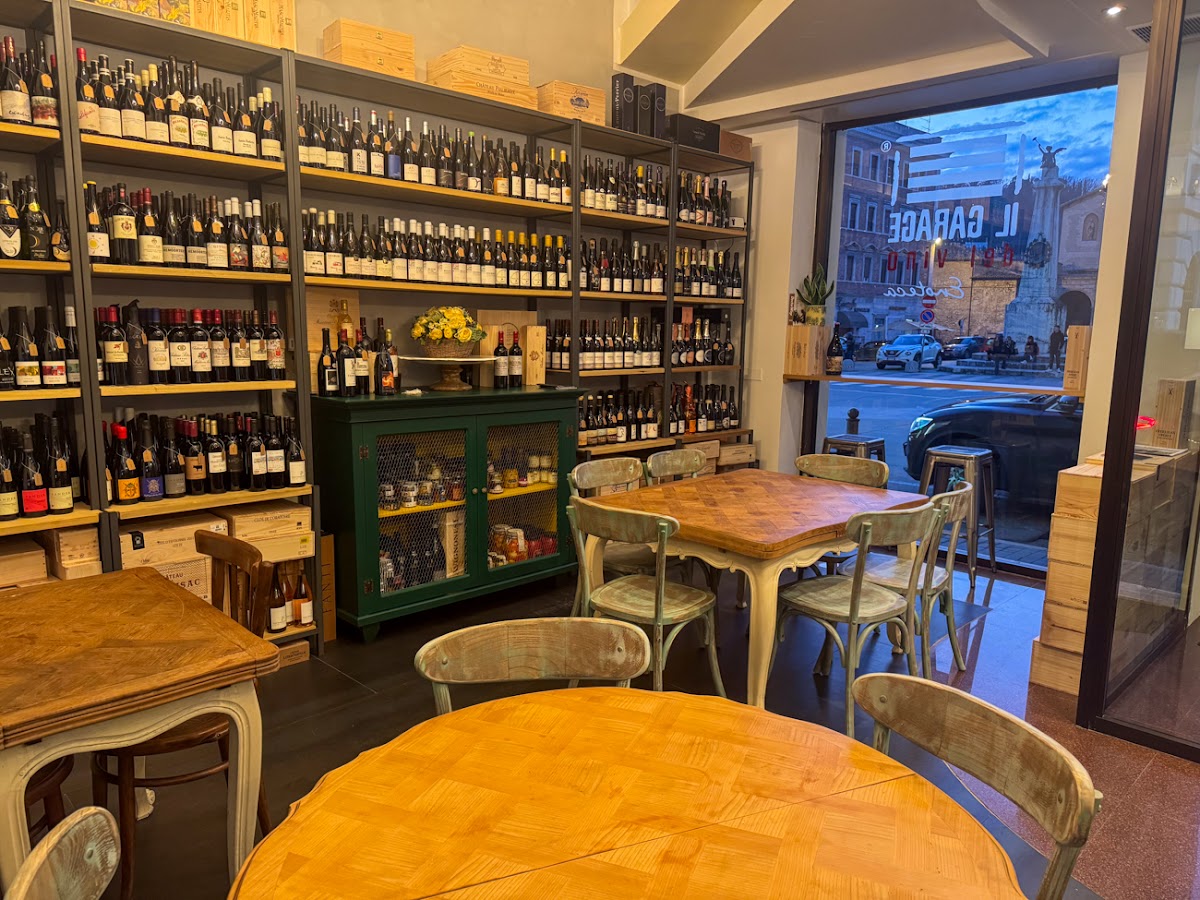
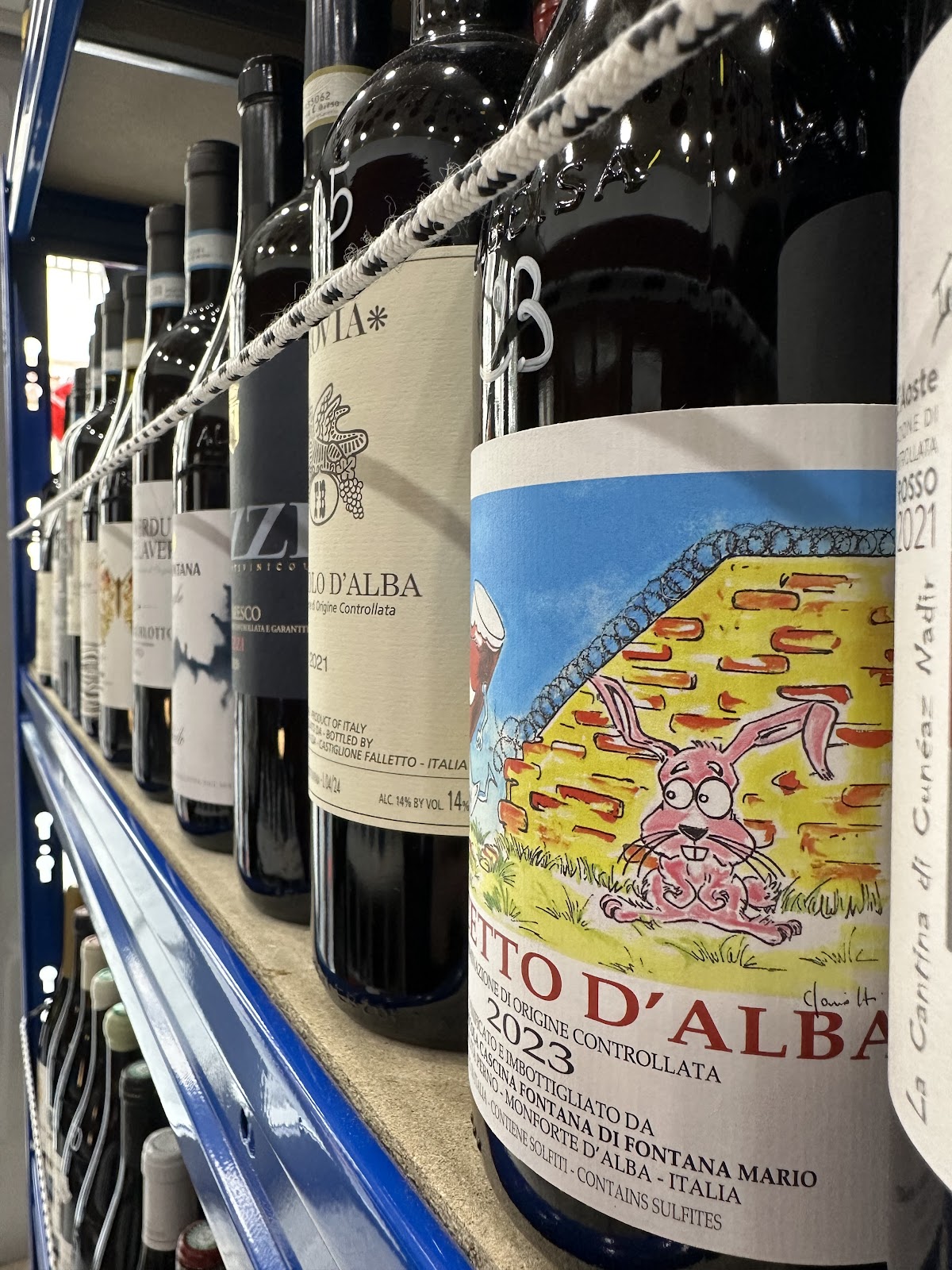
Umbrian wines tell stories of noble terroir. Sagrantino di Montefalco DOCG, full-bodied and tannic, accompanies red meats with elegance. Grechetto dei Castelli di Jesi DOC seduces with mineral and fresh notes, perfect with cheeses and shellfish. Vermentino Todi IGT, light and fragrant, reflects the luminosity of the Umbrian summer. For those who love structured reds, Rosso di Todi DOC offers a fascinating balance between freshness and complexity. Don't forget local grappas distilled by small artisanal producers.
When to Visit
Spring (April-May) paints the hills green and transforms Todi and Spoleto into flowering paradises. The Spoleto Festival of Two Worlds, held in June-July, attracts artists and spectators from around the world with theater, dance, and classical music. Autumn (September-October) offers ideal temperatures and black truffle season that perfumes local markets. Christmas transforms both cities into living nativity scenes, with medieval markets and evocative lighting. Avoid crowded August if you seek tranquility.
Places Worth Visiting
Todi's Piazza del Popolo is one of Italy's masterpieces of medieval civic architecture, surrounded by the Cathedral, Palazzo dei Priori, and Loggia dei Caporali. Spoleto's Cathedral, with its Romanesque mosaic and Baroque interior, houses frescoes by Filippo Lippi. The Rocca Albornoziana in Spoleto, a massive 14th-century fortress, dominates the city and offers panoramic views of the Valnerina and the Ponte delle Torri, a medieval engineering masterpiece.
Practical tips
Park your car outside the walls and access the historic center on foot: the medieval streets are narrow and charming, not built for modern vehicles.
Visit local markets in the morning (Wednesday in Todi, Tuesday in Spoleto) to buy fresh truffles, lentils, and DOP products directly from producers.
Book a guided tour of local Montefalco wineries to taste Sagrantino and understand the secrets of Umbrian viticulture.
Plan your trip
Personalised day-by-day itinerary in 5 minutes — restaurants, hotels, live events.
Plan now