Bologna is not merely a city: it is a sensory experience where the aroma of authentic Bolognese ragù drifts from historic osterie and red arcades embrace all who walk its streets. In the heart of Emilia-Romagna, this generous land offers not only UNESCO-recognized culinary masterpieces but also frescoed churches, medieval towers, and a culture of conviviality rarely matched in Italy. Coming here means surrendering to unhurried beauty, authentic flavors, and consciously lived life.
The Landscape
Bologna rises from the Po Valley, surrounded by gentle hills sloping toward the Apennines. The Bolognese territory is marked by extraordinary fertility: wheat fields, vineyards, and fruit orchards extend in all directions. The Colli Bolognesi, southeast of the city, offer panoramic views of cultivated valleys and small perched villages like Vignola, Castenaso, and Ozzano dell'Emilia. The temperate continental climate favors cultivation of agricultural excellences, while the Reno and Savena rivers traverse the landscape gently. Bologna's position at the center of the Po Valley made it a commercial crossroads for centuries, profoundly influencing its culture.
History and Folklore
Etruscan Felsina became Roman Bononia, but it was in the Middle Ages that it flourished as a free commune and birthplace of the West's oldest university, founded in 1088. The Two Towers symbolize medieval aristocratic power and family rivalry. Legend tells of Garisenda and Asinelli, built for love and competition. In Bolognese folklore lives the figure of the Madonna di San Luca, protector of the city, venerated in the basilica reachable through the world's longest portico. Artisanal traditions persist: from ceramic working in Imola to decorated papers. Medieval corporations left profound marks on urban and social structure, still perceptible today.
What to Eat
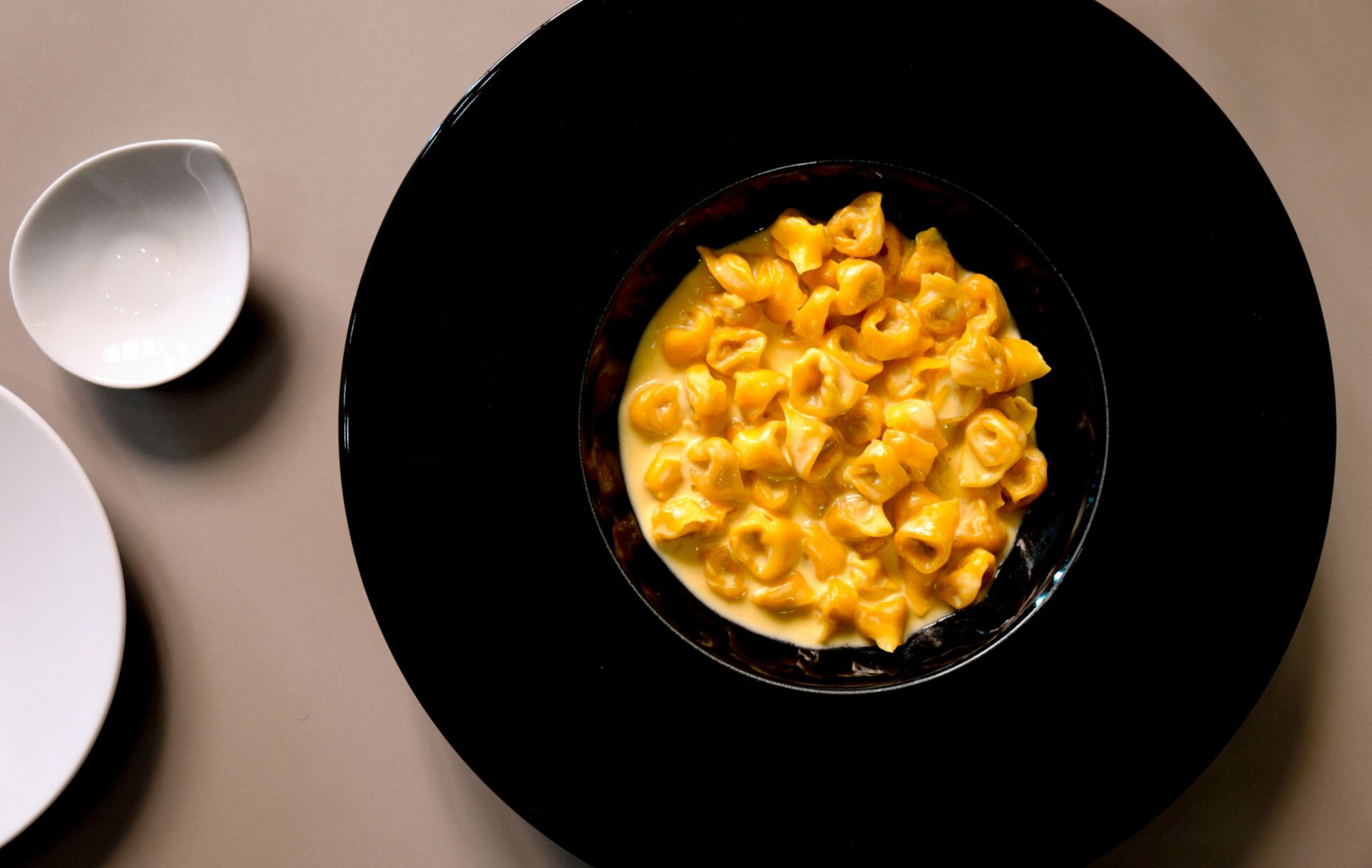
Tagliatelle al ragù bolognese IGP represent the soul of local cuisine: thin pasta, meat ragù slow-cooked for hours. Tortellini IGP, filled with meat, Parmigiano Reggiano DOP cheese and nutmeg, hand-folded in thousands of traditional osterie, are small masterpieces of patience. Mortadella di Bologna DOP, with its characteristic spice aroma, epitomizes Italian charcuterie. Parmigiano Reggiano DOP ages in hill dairies and Grana Padano completes the offering. Crescentine, fried and served with cured meats, accompany every celebration. Culinary tradition here is generosity, not ostentation.
What to Drink
Colli Bolognesi DOCG produces elegant wines: Barbera, Cabernet Sauvignon, and the sophisticated Pignoletto, an indigenous white wine representing regional excellence. Lambrusco dell'Emilia DOCG, with fresh, slightly sweet bubbles, accompanies meals with vivacity. From the province comes structured Romagna DOCG wines like Sangiovese. Traditional Balsamic Vinegar of Modena IGP ages in different woods for 12-25 years, becoming nectar. Piacenza offers Gutturnio, a robust red. Historic wineries like Fattoria Zerbina keep century-old winemaking traditions alive.
When to Visit
Spring (April-May) offers BolognaFiere and the Gelato Festival in April, with ideal temperatures for exploring the city. Summer brings the Bologna Jazz Festival (June) and open-air concerts. Autumn (September-October) gifts San Petronio Festival in late September and the Restoration Fair in November. Winter is magical: lights transform the arcades, the Christmas Market animates Piazza Santo Stefano from November. Autumn harvests in Colli Bolognesi attract visitors. Avoid August when many venues close for vacation. The city breathes differently each season.
Places Worth Visiting
The Basilica of Santo Stefano represents one of the most extraordinary complexes of Romanesque architecture with its seven interconnected buildings dating to the 6th century. The Two Towers (Asinelli and Garisenda) dominate Piazza Ravegnana with their unmistakable lean, symbols of the medieval city. The Basilica of San Petronio, with its unfinished façade, houses solar meridians and a majestic interior where Gregorian choirs resound during vespers. Palazzo dell'Archiginnasio, the ancient university heart, hosts the spectacular Anatomy and the Archiginnasio Library where centuries of knowledge await discovery.
Practical tips
Purchase a Bologna card for discounted museum access and transport. Visit authentic osterie in Santo Stefano and San Vitale quarters, where Bolognese ragù still simmers like in medieval times.
Don't miss the Port of Ravenna, reachable by train in 45 minutes, to understand the region's medieval trade. Colli Bolognesi deserve a full day: visit Vignola for its DOP cherries and artisanal dairies.
Explore historic markets like Pavaglione under the arcades for rare spices and local products. Book guided tours of traditional balsamic vinegar facilities in Modena or Reggio Emilia to understand the artisanal process.
Plan your trip
Personalised day-by-day itinerary in 5 minutes — restaurants, hotels, live events.
Plan now