Ferrara enchants with its medieval moats and intact walls, while the Po Delta reveals a wild ecosystem where the Adriatic kisses the land. Here, cycling is not mere movement but communion with the landscape: among vineyards producing Trebbiano di Romagna DOC and endless rice paddies mirroring the sky. A region where the bicycle is the noblest means of discovery.
The Landscape
Ferrara and the Po Delta occupy the heart of the northern Po Plain, where the Po River subdivides into tortuous branches before flowing into the Adriatic. The territory is a fascinating juxtaposition: the walled city of Ferrara stands on solid ground, encircled by canals and moats reflecting the Renaissance, while to the east the Delta opens into wetlands of extraordinary biological richness. Cycling routes follow ancestral embankments, crossing villages like Tresigallo and Mesola. Elongated rice paddies alternate with vineyards exploiting unique terroir: alluvial soils rich in minerals, continental climate with Adriatic influences. This mosaic of waters, crops, and history creates a hypnotic landscape where the horizon has no boundaries.
History and Folklore
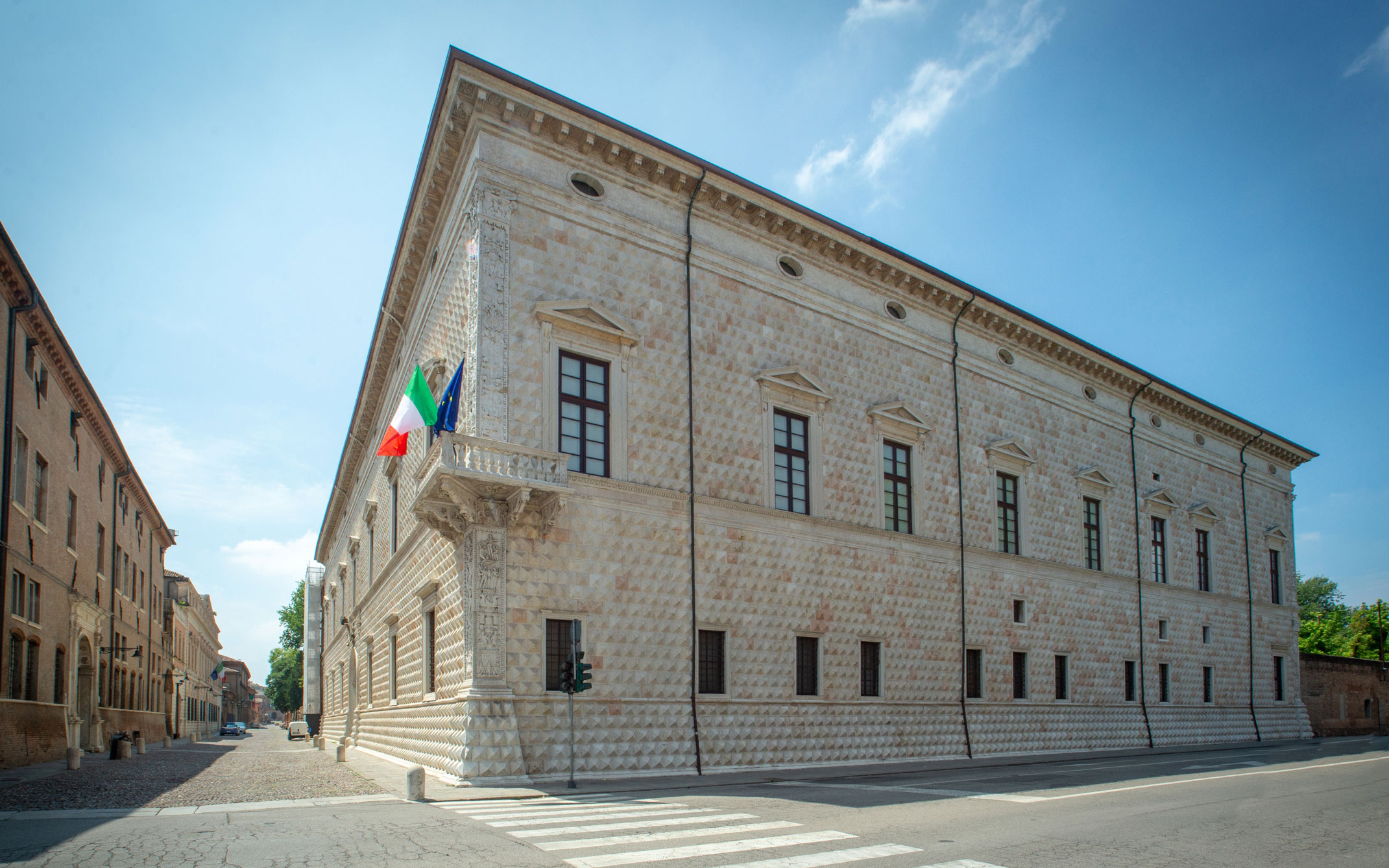
Ferrara was the court of the d'Este, one of Italy's most cultured Renaissance dynasties. The city planned by Biagio Rosselli in 1492 remains an urban masterpiece, with the Castello estense dominating Piazza Ariostea like a sentinel of power. The Po Delta holds older stories: Romans navigated it, Venetians traded there. Legend speaks of Isotta degli Atti, whose beauty inspired poets, while local folklore tells of the "Golden Snake," a mythic serpent protecting the delta waters. During the Middle Ages, Benedictine monks reclaimed the land, transforming swamps into fertile fields. This heritage of water civilization persists: today, Delta communities maintain rituals tied to fishing and river navigation.
What to Eat
Ferrarese cuisine celebrates simplicity and terroir. Tortellini di Ferrara DOP enclose pork, mortadella di Bologna DOP, and Parmigiano Reggiano in gossamer sheets of fresh pasta. Delta eels, smoked or stewed, represent fluvial wisdom passed through generations. Salama da Sugo, a Ferrarese sausage filled with mixed meats, is a charcuterie masterpiece protected as traditional. In the rice paddies, Risi e Bisi emerge, where wild herbs unite with freshly picked peas. Ferrarese cappelletti follow seasonal rhythms. Visiting the historic covered market offers authentic encounters with vendors guarding generational secrets.
What to Drink
Trebbiano di Romagna DOC from Colli di Ferrara is the region's symbolic wine: fresh, mineral, perfect with tortellini. Fortana del Reno DOC offers soft tannins and cherry notes. Local reds like Lambrusco di Sorbara DOCG bring celebratory fizz. For immersion, visit historic wineries in Mesola and Codigoro, producing organic and natural wines too. Albana di Romagna DOCG from neighboring hills completes the wine offer. Don't miss Sangue di Giuda DOC, the passionate red of Emilian tradition.
When to Visit
May and June bring nature's awakening: cycling routes fill with cyclists, Delta parks burst with flora. Palio di Ferrara (May) sets the city ablaze with torches and medieval costumes. Ferrara Summer (July-August) offers music and theater in the Castle courtyards. September is perfect for vendemmia: visit festive wineries. Autumn in the Delta is magical: bird migration colors the skies, morning mists create suspended atmospheres. December-January brings cold but also Christmas magic at Piazza Ariostea markets and frozen Delta springs mirroring stars.
Places Worth Visiting
**Castello Estense (Ferrara)**: Fortress and palatial residence simultaneously, it dominates the city's heart with four towers and an intact moat. Inside, the Camerini Rooms and prisons narrate Renaissance power and intrigue. **Pomposa Abbey (Codigoro)**: 9th-century Benedictine monastery overlooking the Delta, silent witness to medieval land reclamation. The Romanesque basilica and round bell tower form one of Italy's most fascinating monastic complexes. **Veneto Regional Park (Mesola)**: 18,000 hectares of wetlands where cyclotourism meets birdwatching. Dunes, reed beds, and riparian woods create immersion in wild nature.
Practical tips
Rent a bicycle in Ferrara: the city is perfect for cycling, with routes reaching the Delta in under an hour. Embankment paths offer incomparable views.
Visit Ferrara's Covered Market early morning to meet local vendors and taste fresh specialties: it's the beating heart of Ferrarese cuisine.
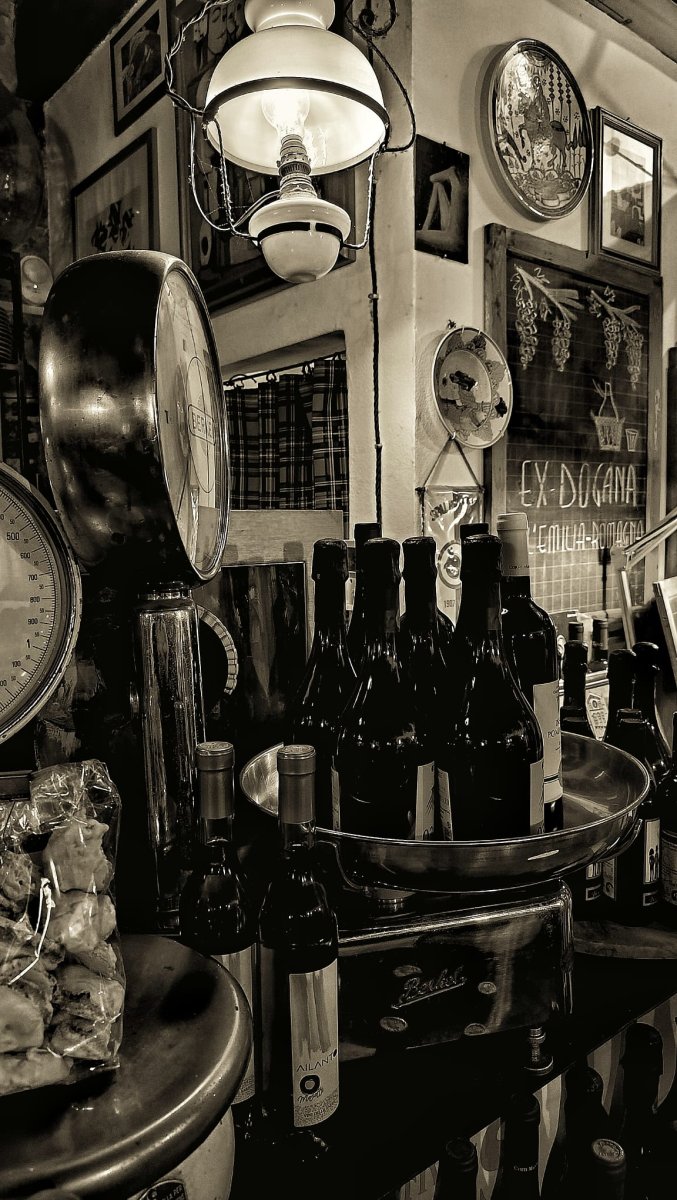
Seek out the historic oste (taverns) in Ferrara's center, like Osteria al Brindisi, founded in 1435: where Ariosto and Tasso shared unforgettable tables and stories.
Plan your trip
Personalised day-by-day itinerary in 5 minutes — restaurants, hotels, live events.
Plan now