Piacenza and its Colli represent a rural oasis where medieval heritage intertwines with the generosity of the land. From rolling hills draped in vineyards to hillside villages like Bobbio and Castellarquato, this Emilian province offers a complete sensory experience: world-renowned DOCG wines, DOP cured meats steeped in tradition, and landscapes that shift with every season. A journey here means surrendering to the unhurried rhythm of authentic Italy.
The Landscape
The territory of Piacenza and Colli Piacentini stretches from the Po River to the Apennine peaks, creating an extraordinary geographical mosaic. The Piacenza hills, gentle and undulating, form the wine-growing heart of the region, with south-east facing slopes that capture afternoon sun. Here Barbera, Bonarda, and Gutturnio thrive on clay and limestone-rich soils. To the north, the Po plain stretches flat and fertile, while southward the Tuscan-Emilian Apennines offer dense forests and wild valleys. The Trebbia River, with crystal-clear waters, marks the natural border and attracts hikers. Medieval villages like Bobbio, Lugagnano Val d'Arda, and Vernasca perch on hilltops, testifying to the historical layers of these lands.
History and Folklore
Piacenza boasts deep Roman origins—founded as a colony in 218 BCE—and its medieval past is carved into the stones of Piazza Cavalli and the Romanesque Cathedral. The Farnese family ruled these territories from the 16th century, leaving an indelible imprint of power and culture. Local folklore harbors legends of castle ghosts, hill fairies, and woodland witches in the Apennines. In Bobbio, the Benedictine abbey founded in 614 CE by Saint Columbanus remains a place of profound spirituality, shrouded in mysticism. Popular tradition recalls nocturnal processions during holy days, Gregorian chants echoing through stone walls, and crop blessings in fields. The figure of the Piacenza Devil, a malevolent folkloric character, still haunts stories grandparents tell their grandchildren.
What to Eat
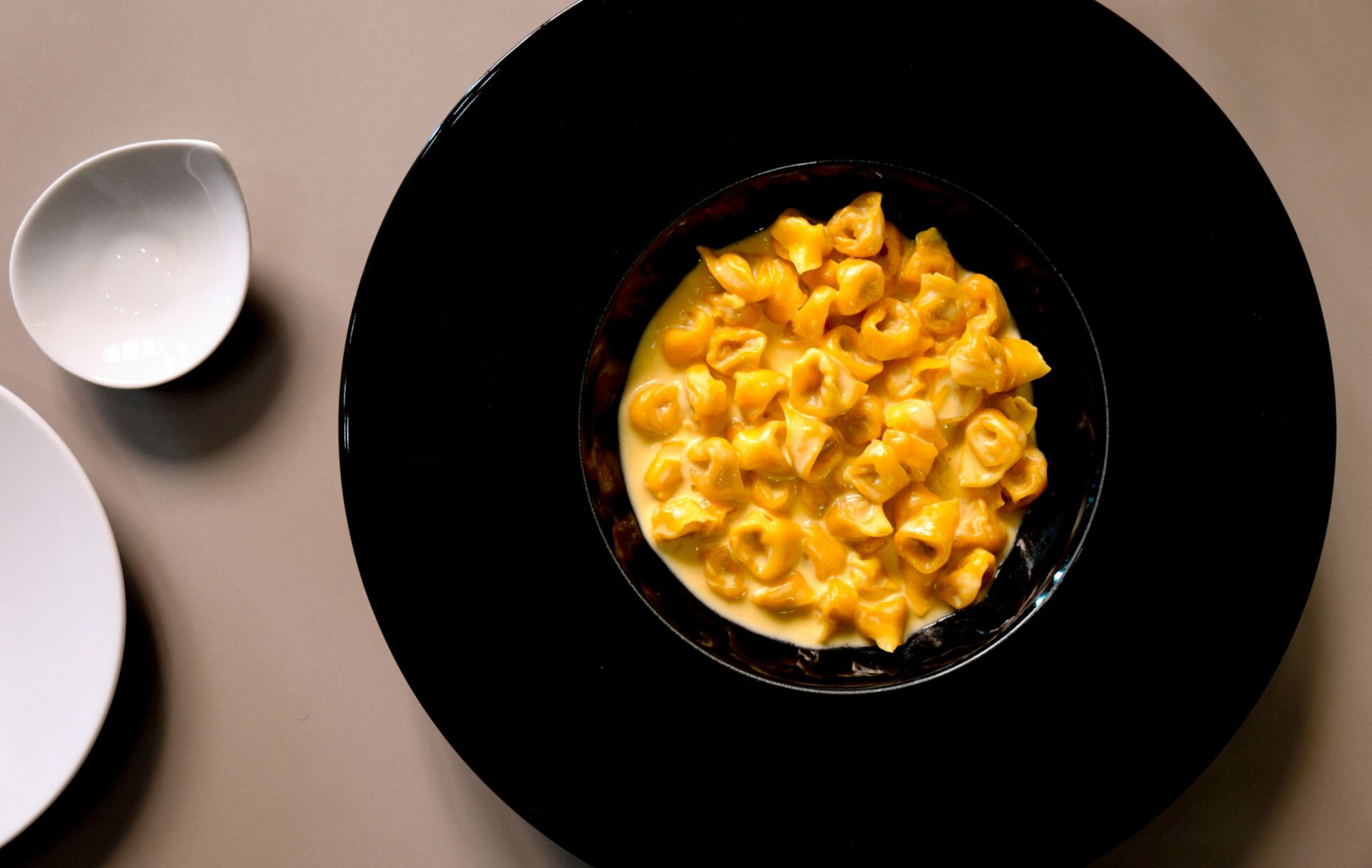
Piacenza's cuisine is an hymn to genuine flavors and DOP products that have made this province renowned. Orzotto di Piacenza DOP, a dense soup of pearl barley, offers winter comfort balancing creaminess with rustic texture. Culatello di Zibello DOP, the king of hams, is aged with restrained salt along the Po riverbanks: a thin slice reveals pale-rose muscle and smoky perfume. Spalla di San Secondo DOP is skillfully sliced as accompaniment. Don't miss tortelli d'erbetta, stuffed with ricotta and greens, served with melted butter and Parmigiano. Pisarei e fasöi, fresh pasta made with grated bread, stirred into bean broth, represents local comfort food. Fried frogs and spiced mostarda complete the authentic culinary experience.
What to Drink
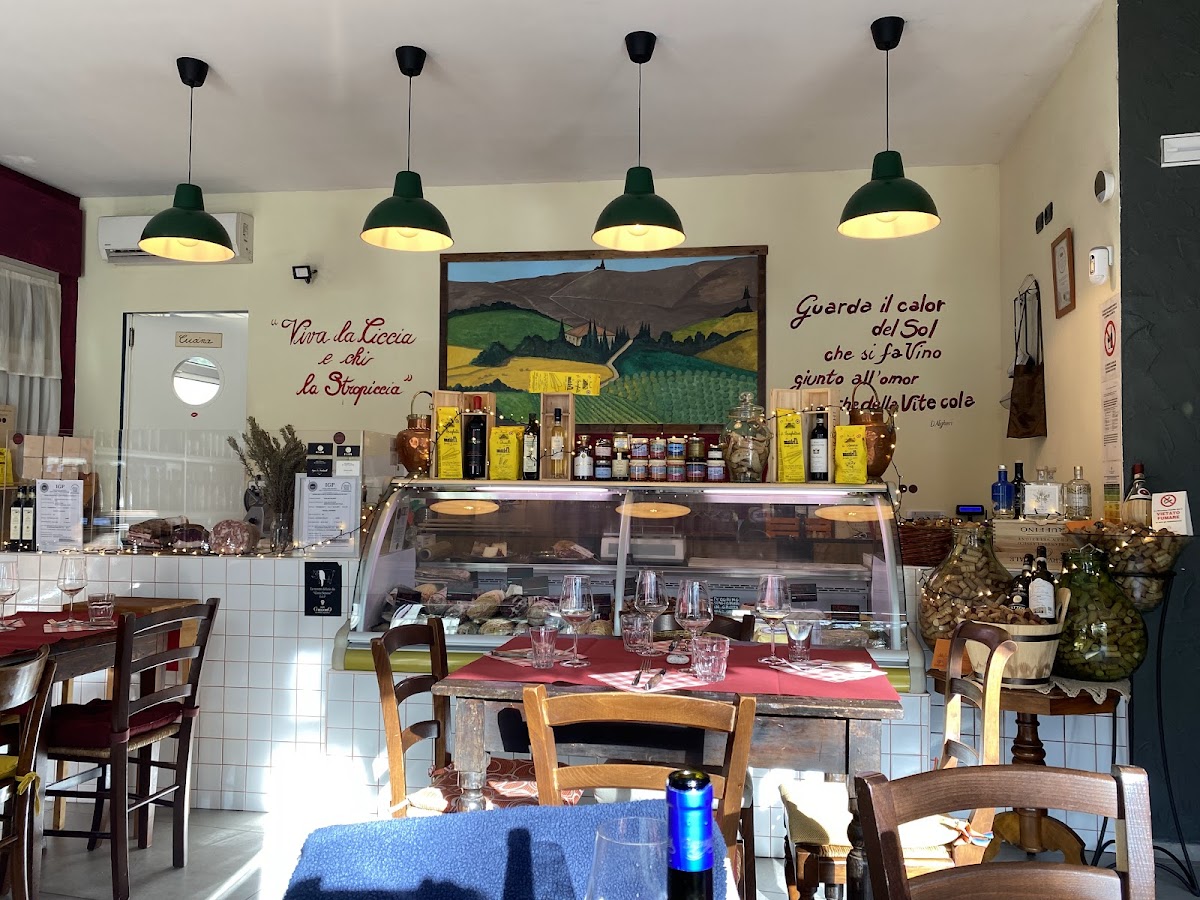
Colli Piacentini produces wines of extraordinary elegance. Barbera d'Alba DOCG is intense and structured, with tannins that age nobly. Gutturnio, the classic Barbera-Bonarda blend, offers freshness and complexity simultaneously, perfect with local cured meats. Colli Piacentini Bonarda DOCG is fruity and soft, ideal for casual dinners. For white wine lovers, Colli Piacentini Vermentino represents lightness and minerality. Don't overlook the classic method sparkling wines produced here, rivaling Franciacorta. In local taverns, wine is poured generously from dark glass demijohns, accompanying endless gestures of conviviality.
When to Visit
April and May offer spring magic with vineyards awakening and mild temperatures perfect for hiking. Summer attracts with Bobbio Summer Festivals (July-August), where classical music and concerts animate the ancient village. Festa del Culatello di Zibello (September) celebrates the signature product with tastings and producer meetings. October is perfect for golden autumn and harvest season, when hills transform into copper and gold tones. Piacenza's Enological Festival (November) celebrates wines through masterclasses and gala dinners. December brings Christmas markets in the piazza and festive atmosphere steeped in tradition.
Places Worth Visiting
Bobbio, the Piacenza jewel perched on the Trebbia, enchants with its medieval Ponte Gobbo bridge, the Thousand Steps leading to the abbey, and cobbled lanes where time stands still. Castellarquato, a fortified village in the hills, preserves its 14th-century fortress, cathedral, and central square of rare beauty, ringed with wine bars and osterie. Lugagnano Val d'Arda merits a stop for its castle, historic cellars carved into rock, and views spanning to the Apennines. Here producers offer authentic tastings of Gutturnio and Bonarda in atmospheric cellars.
Practical tips
Rent a bicycle and pedal among the vineyards at sunset: the back roads of Colli Piacentini are perfect for slow-paced cycling.
Visit wineries during harvest season (September-October) to witness grape-to-wine transformation up close, often with spontaneous tastings.
Book dinner in advance at traditional taverns in Bobbio and Castellarquato: local cuisine is sought-after and seating limited, especially weekends.
Plan your trip
Personalised day-by-day itinerary in 5 minutes — restaurants, hotels, live events.
Plan now