Along the Teramo and Chieti coastlines stretches one of the last wild frontiers of the Italian Adriatic: the Costa dei Trabocchi, where the geometric profiles of trabocchi stand against the horizon like living sculptures of memory. These gigantic fishing machines, built with wood and rope using medieval techniques, tell stories of men who challenged the waves to survive. Today they represent an icon of conscious tourism, where unspoilt nature, authentic gastronomy, and ancestral folklore intertwine in an unforgettable experience.
The Landscape
The Costa dei Trabocchi stretches 70 kilometres between Giulianova (Teramo province) and Francavilla al Mare (Chieti province), tracing a perfect arc of golden sand and limestone cliffs. The landscape alternates wide beaches with rocky stretches where Mediterranean shrubs emerge from rock crevices, while the Adriatic waters maintain unusual turquoise hues for the Italian sea. Small headlands like Colle della Guardia near Montesilvano and sea caves near Fossacesia create particularly striking coastal orography. The rolling hinterland, with terraced olive groves and perched villages, completes a landscape preserving the authentic rural character of Abruzzo.
History and Folklore
Trabocchi are living monuments to Abruzzo's fishing tradition, dating back to the Middle Ages. These wooden constructions—a sort of giant scale with arms reaching 12 metres—allowed fishermen to lower themselves over the water to catch mullet, sea bass, and eels with nets cast into deep waters. Local legend credits Venetian merchants with their invention during trading raids, but Abruzzesi perfected them until they became an identity symbol. Each trabocco bears the name of the family managing it: Trabocco Punta Cavalluccio, Trabocco Turchilli, Trabocco Vittoria. The Festa dei Trabocchi celebrates this heritage with reenactments of ancestral fishing techniques and stories passed down by fishermen's grandfathers.
What to Eat
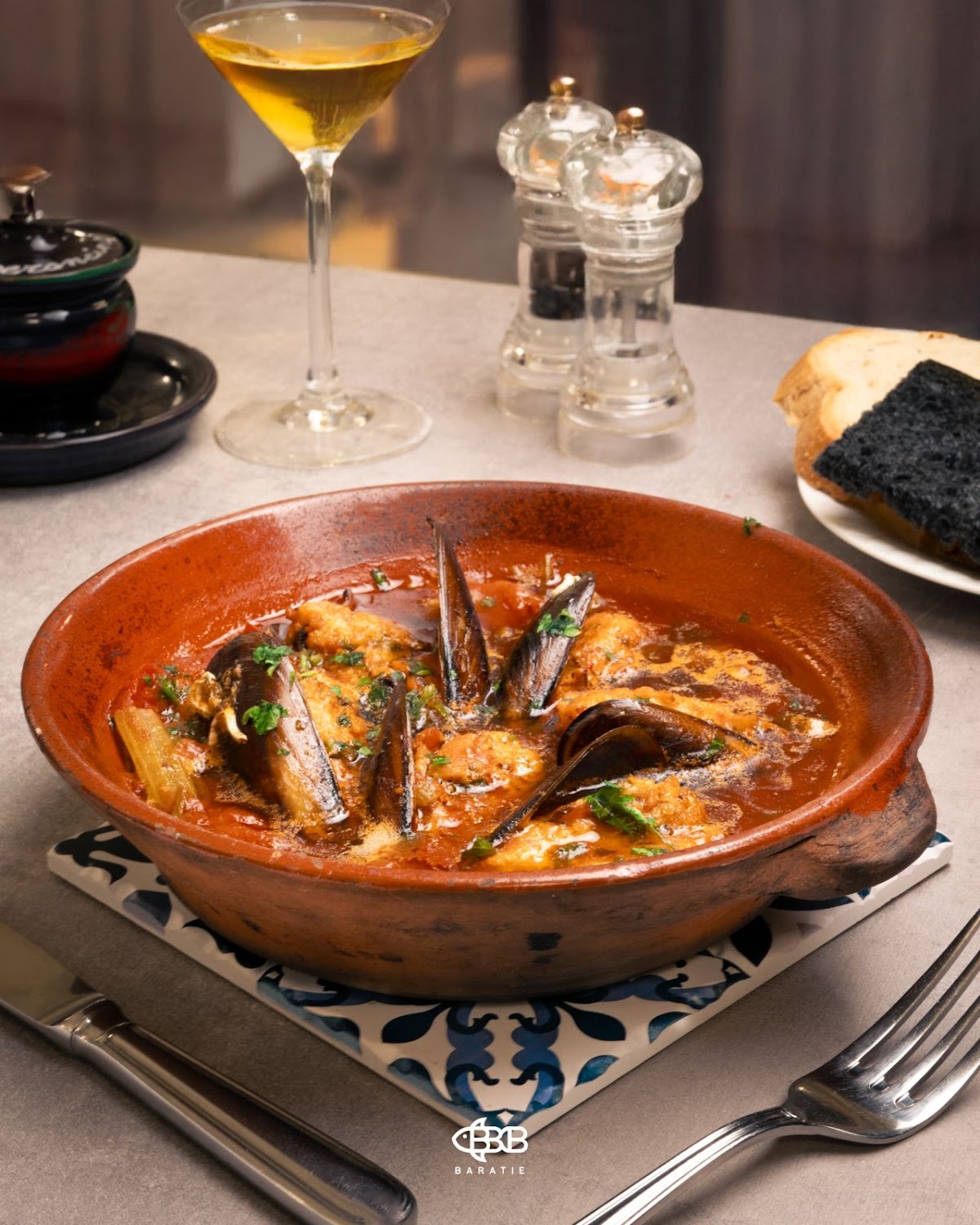
Costa dei Trabocchi cuisine celebrates the marriage of sea and hill. Brodetto teramano—a fish sauce with medieval roots—accompanies fresh handmade pastas like chitarra. Mortadella di Teramo DOP, smoked with local woods, represents the region's meat tradition. Adriatic scampi, grilled simply with salt and lemon, become masterpieces of simplicity. Don't miss abruzzese taralli—fennel-salted crackers, perfect with fresh seafood salad. Andria burrata reaches coastal restaurants. Finally, sweet and crunchy abruzzese arrosticini—lamb skewers—remain the most authentic gastronomic experience.
What to Drink
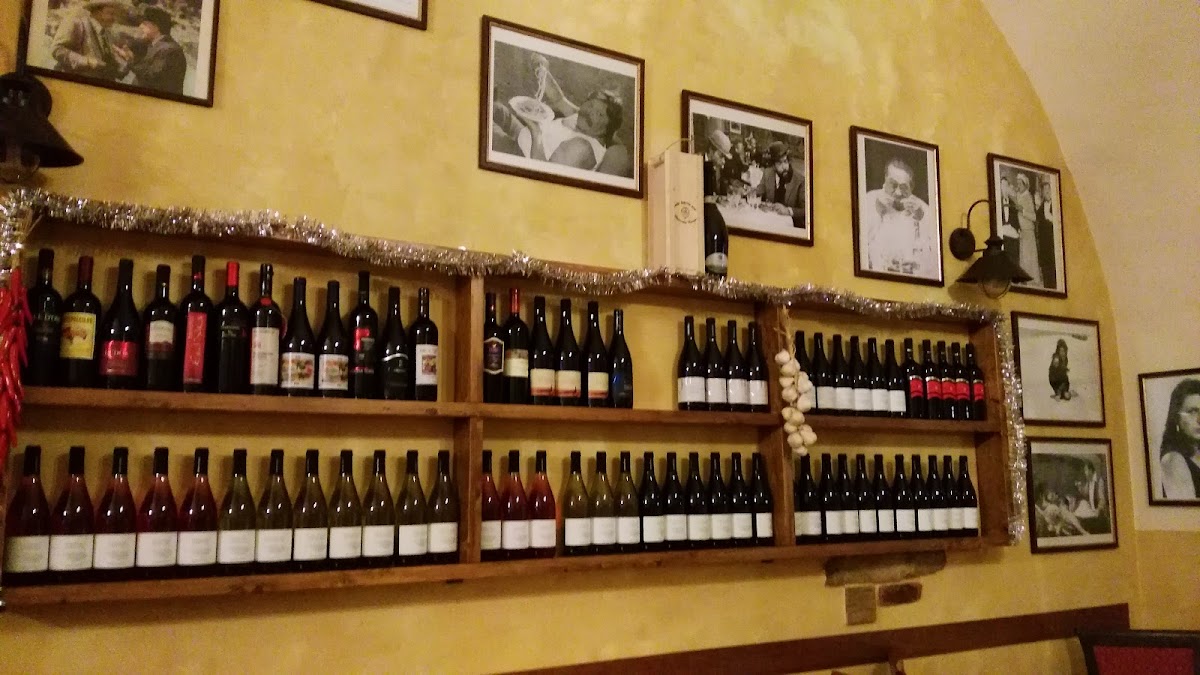
Costa dei Trabocchi viticulture focuses on fresh white wines perfect for hot summer days. Montepulciano d'Abruzzo DOC offers crisp varieties ideal with seafood. Trebbiano d'Abruzzo DOC, with marked mineral notes, perfectly accompanies brodetto and squid. For reds, Montepulciano d'Abruzzo DOCG from the Teramo hills shows elegance and structure. Small producers in Atri and Nereto create compelling natural wines. A glass of chilled Abruzzo white with a hint of sea salt is the perfect sunset ritual on the trabocchi.
When to Visit
Spring (March–May) offers mild temperatures, wild cliff flowers, and trabocchi returning to fishing activity. Summer (June–August) is peak season with crowds, ideal for swimming and marine festivals. The Festa dei Trabocchi takes place in May in Francavilla al Mare with historical reenactments. Autumn (September–October) offers warm sea and fewer tourists, with the Festa della Mela d'Oro in October. Winter (November–February) is quiet season, perfect for coastal trekking and migratory bird spotting. Avoid August for crowds, but spring's night sky offers unforgettable spectacles.
Places Worth Visiting
Francavilla al Mare hosts the most concentrated complex of original trabocchi, some still functioning as small restaurants serving freshly caught fish. The Museo del Trabocco documents these tools' history with archival photographs and original equipment. At Ortona, the Aragonese Castle emerges dramatically on rock, offering stunning coastal views and access to a small beach below. Near Fossacesia, the Abbey of San Giovanni in Venere represents a 12th-century Romanesque architectural masterpiece, reachable on foot via a splendid coastal walk touching karstic sea caves.
Practical tips
Visit the trabocchi at dawn to photograph golden light without crowds, and ask managers to show you how they work: every mechanism tells a story of rural ingenuity.
Wear sturdy hiking shoes: the Sentiero del Trabocco from Fossacesia to Francavilla (12 km) is wild and coastal with unforgettable views, but requires fitness and care.
Book dinner at trabocco-restaurants at least a week ahead in summer; dishes change with daily catch, and dining at wooden tables suspended over the sea deserves time and planning.
Plan your trip
Personalised day-by-day itinerary in 5 minutes — restaurants, hotels, live events.
Plan now