L'Aquila embodies the authentic beauty of Abruzzo: dominated by Gran Sasso, surrounded by untouched medieval villages and breathtaking wild landscapes. After the devastation of 2009, the city rose with extraordinary dignity, transforming into a living museum of Italian resilience, where each stone tells a story of perseverance. Today it is essential for those seeking true Italy, far from crowded tourist circuits.
The Landscape
L'Aquila stands at 721 metres altitude in the heart of the central Apennines, surrounded by the imposing peaks of Gran Sasso d'Italia, the most important range in the Apennine chain. The territory features extraordinary landscape diversity: from harsh, wild mountains to the verdant Piani di Navelli plateaus, from deep valleys to high-altitude meadows. Mountain peaks reach 2,900 metres, creating a dramatic and fascinating setting. The province is crossed by numerous waterways—the Vomano, Aterno, Pescara—originating from mountain springs. This rugged landscape has shaped local culture for centuries, creating a community rooted in land, pastoral traditions, and environmental sustainability.
History and Folklore
L'Aquila was founded in 1254 when ninety-nine minor castles confederated, creating a unique moment in European medieval urban history. The name derives from the imperial eagle dominating the city coat of arms. The city prospered as a strategic commercial centre and became home to important ecclesiastical institutions. In Abruzzese folklore, L'Aquila is linked to the myth of miraculous founding: it is said the ninety-nine towns converged in the new city in response to divine vision. Popular tradition also preserves legends of mystics and saints, such as Santa Bernardina da Siena, deeply venerated. The Perdon d'Assisi festival (August) dates to the 13th century and keeps alive a memory of intense spirituality. Architecture itself—with the Cinquecentesco Castle and Renaissance palaces—testifies to a cultured, refined city, a centre of ecclesiastical and civil power.
What to Eat
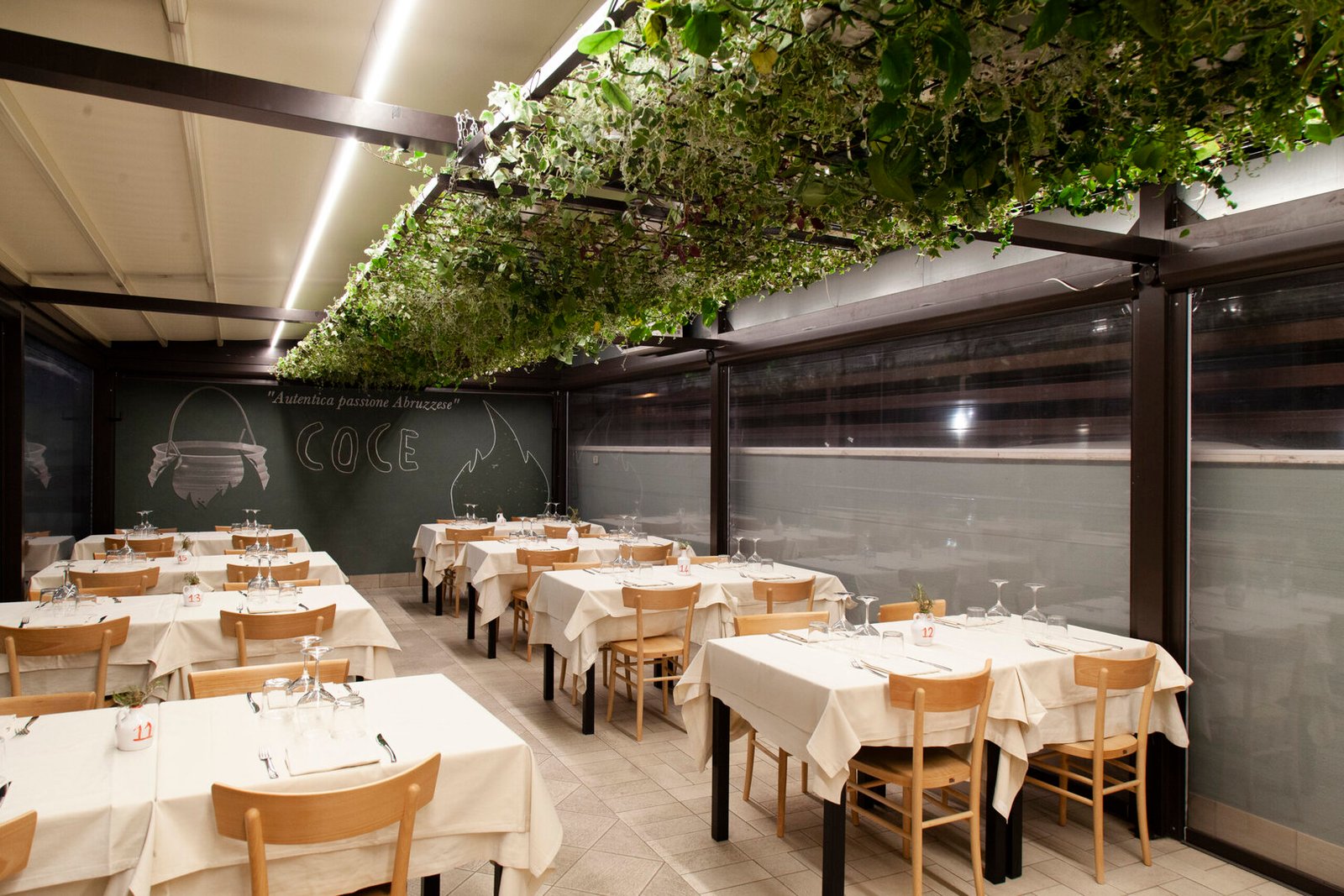
Aquilan cuisine embodies the noble simplicity of Abruzzese mountains. Arrosticini—skewers of lamb cooked over charcoal—are the region's gastronomic symbol, prepared as ancestral tradition. Saffron from Piani di Navelli DOP, with its intense gold colour, perfumes local dishes: risottos, pasta, soups. Pecorino di Farindola DOP is a creamy, savoury sheep cheese, perfect at table. Virtù aquilana—egg pasta filled with meat ragù—represents festivity and family. Sagne e fagioli, buffalo mozzarella from surrounding pastures, and river fish brodetto are authentic dishes. Aquilan arancini and pizza al taglio complete the street food offer.
What to Drink
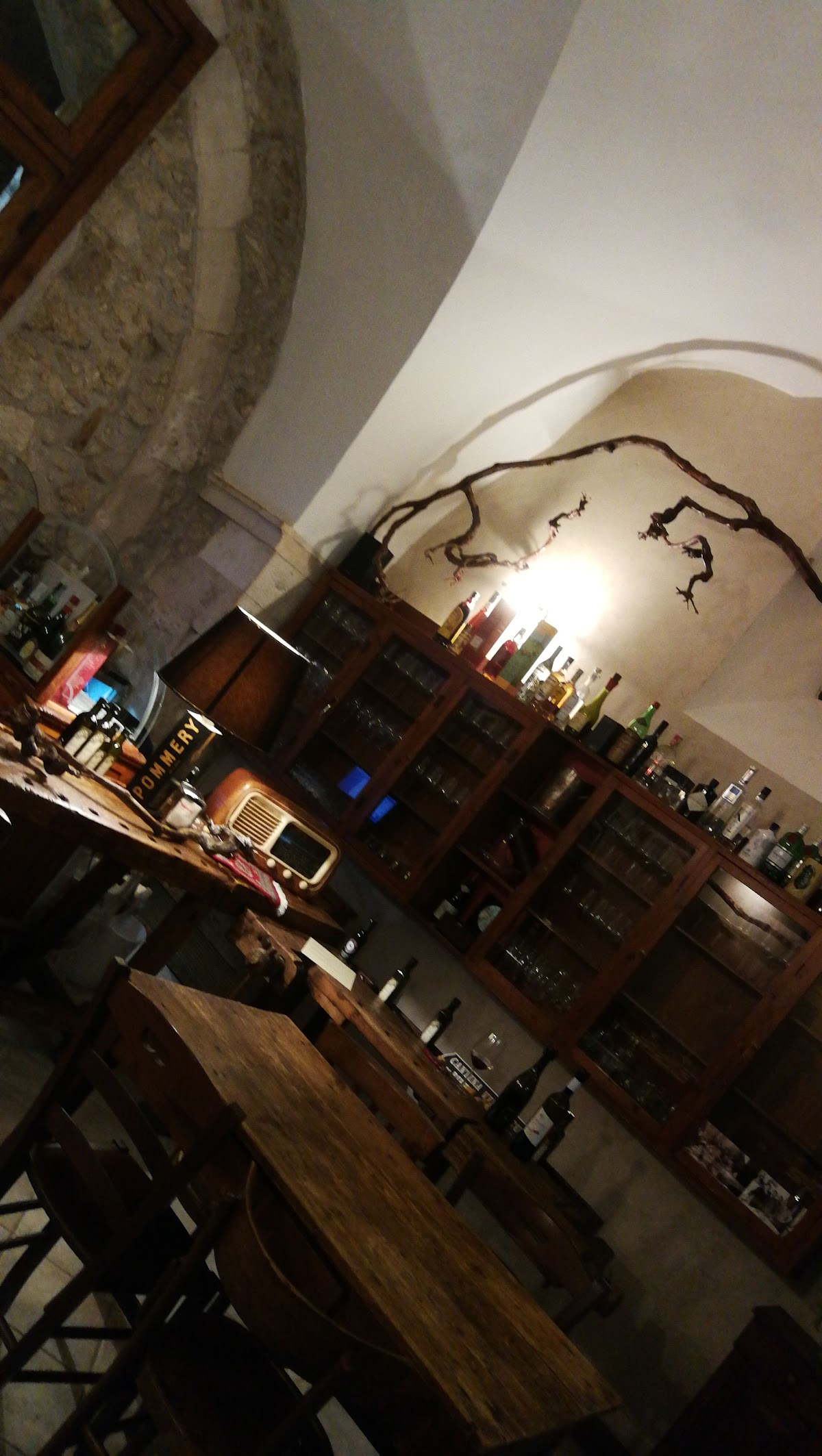
Abruzzo is the cradle of excellent wines, and L'Aquila represents its heart. Montepulciano d'Abruzzo DOC is the principal red, full-bodied with elegant tannins, perfect with arrosticini. Trebbiano d'Abruzzo DOCG offers mineral freshness ideal for aperitifs and fish. The territory also produces quality natural and organic wines. Cerasuolo d'Abruzzo DOCG, a characterful rosé, is always present in local cellars. Traditional Abruzzese amari, distilled from alpine herbs, conclude meals with mountain philosophy.
When to Visit
Spring (April-May) offers lush landscapes and ideal temperatures for exploring. Summer brings Perdon d'Assisi (August), the city's most important religious festival, attracting pilgrims from across Italy. Autumn (September-October) is magical: warm colours, fewer tourists, and chestnuts in forests. Winter transforms Gran Sasso into paradise for winter hikers and snow lovers. Festa di Santa Bernardina da Siena (May) celebrates the patroness with processions and devotion. December hosts traditional Christmas markets in Piazza del Duomo.
Places Worth Visiting
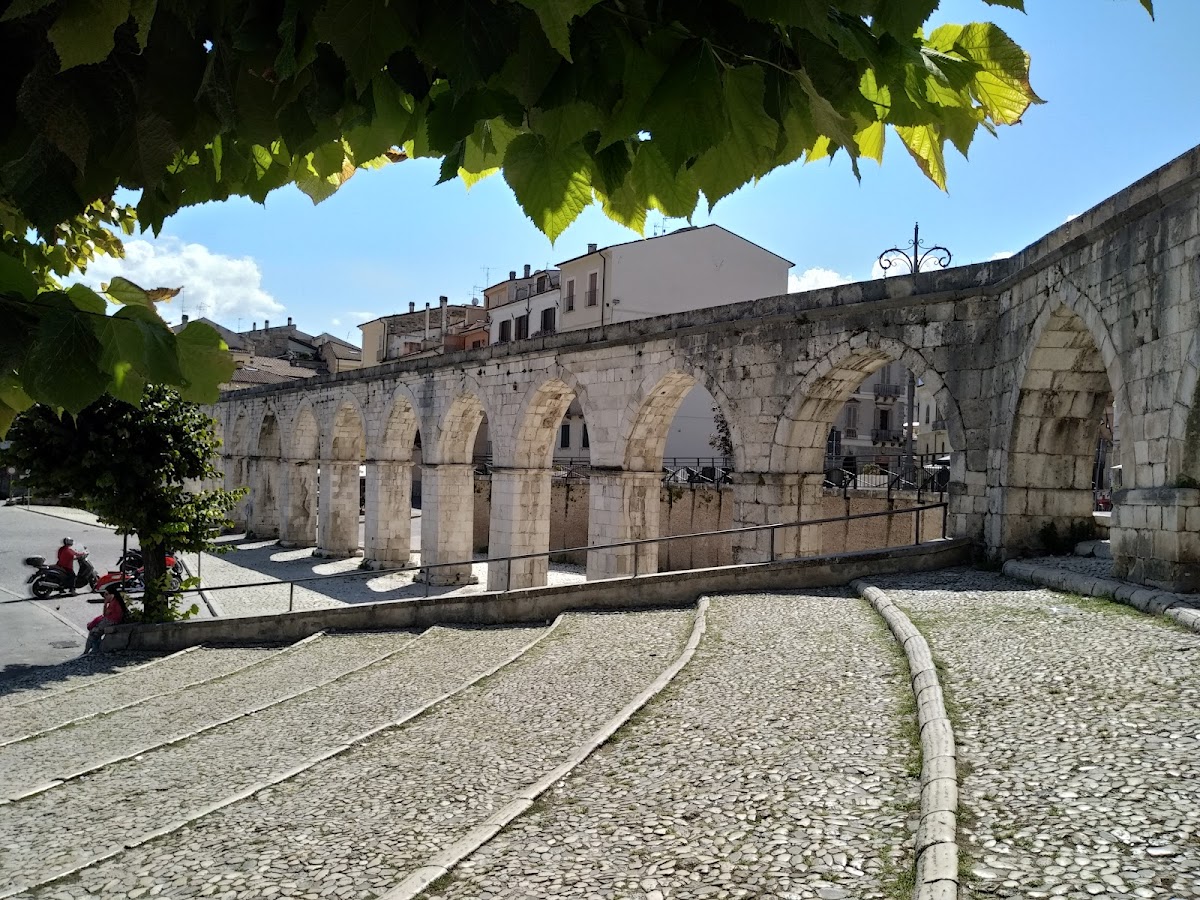
The Basilica of Santa Maria di Collemaggio is Aquila's architectural masterpiece: pure Abruzzese Gothic with white and red striped façade recreated after the earthquake. The Forte Spagnolo, built in the 16th century, dominates the city offering extraordinary panoramic views and hosting the National Museum of Abruzzo. Scanno, 50km away, is an enchanting medieval village with stone houses on mountain slopes, famous for lacemaking craftsmanship and landscape photography.
Practical tips
Visit Piani di Navelli for DOP saffron: from September to November you can see the purple flowers in bloom and buy directly from producers.
Book dinner with Gran Sasso views at one of the traditional restaurants in the historic centre to experience authentic cuisine in intimate atmosphere.
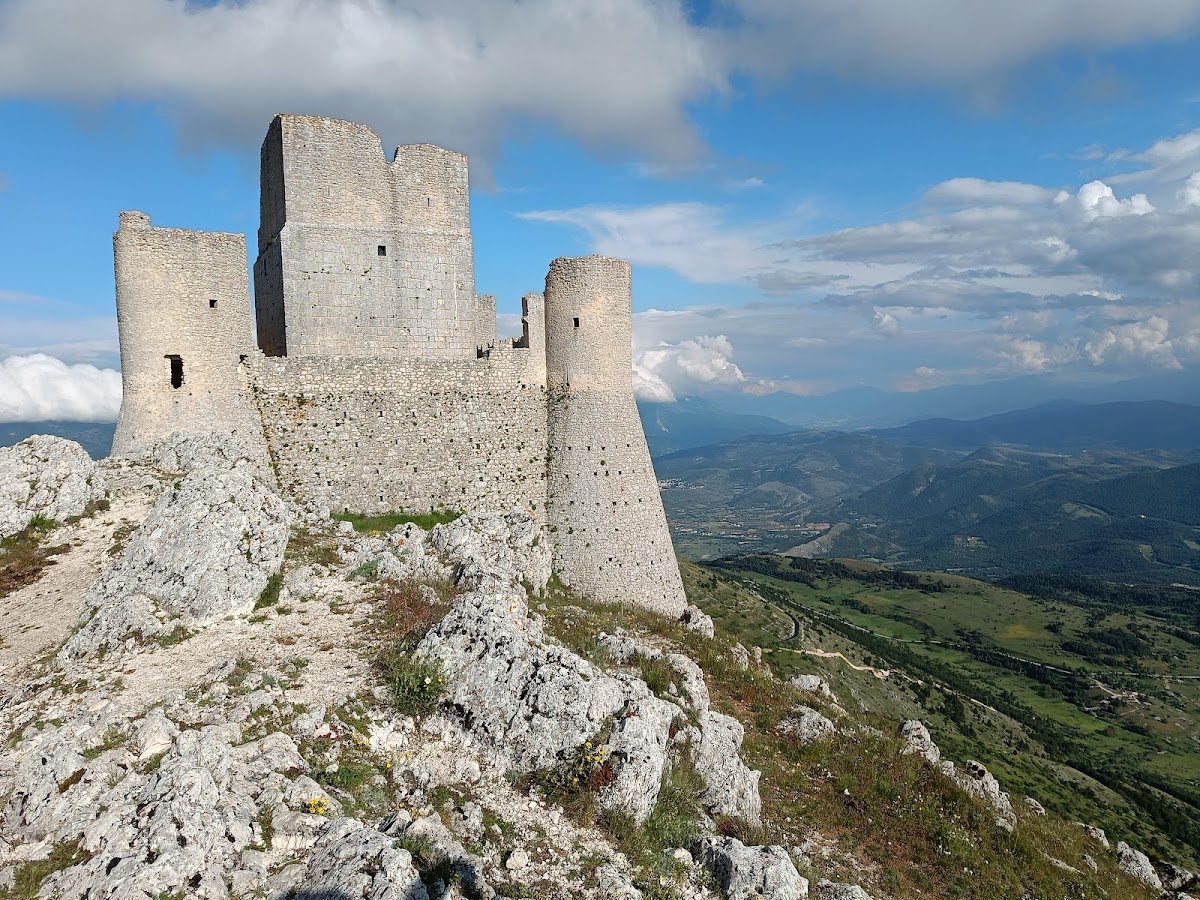
Rent a car to explore nearby villages like Santo Stefano di Sessanio and Calascio: roads are well-maintained and scenery enchanting.
Plan your trip
Personalised day-by-day itinerary in 5 minutes — restaurants, hotels, live events.
Plan now