Gran Sasso and Maiella dominate central Abruzzo's horizon like two stone titans, guarding ancient secrets and landscapes that steal your breath. Here, between snow-capped peaks and beech forests, communities still live traditions unchanged for centuries, where every stone tells stories of shepherds, hermits, and legendary mountain heroes. This is the realm of authentic villages, mountain cuisine served with pride, and hospitality that still tastes of genuine warmth.
The Landscape
Gran Sasso d'Italia and Maiella form a mountain complex of rare beauty in central Apennines. Gran Sasso, at 2,912 metres at Corno Grande, is peninsular Italy's highest peak. Maiella rises majestically at 2,795 metres, creating extraordinary landscape variety: from the Costa dei Trabocchi in the east to interior valleys rich with waterways. Both massifs frame wild geography where karst plateaus alternate with deep gorges, ancient beech forests, and alpine meadows. The National Park of Gran Sasso and Monti della Laga protects this priceless natural heritage, offering spectacular trekking routes year-round.
History and Folklore
These mountains have forged Abruzzese identity through millennia of history. Ancient Vestini inhabited these slopes, leaving traces in legendary cities like Alba Fucens and Amiternum. In Medieval times, Gran Sasso became a refuge for hermit saints: San Benedetto da Norcia meditated in caves, while countless ascetics sought holiness in mountain solitude. Pastoral tradition shaped local culture: 'transumanza'—seasonal sheep migration—remains an epic still remembered in songs and festivals. Legendary are stories of Abruzzese brigands and their most famous leader, Marco Sciarra, who defied papal power. Local folklore celebrates the Donna del Gran Sasso, the mountain's protective spirit of wanderers.
What to Eat
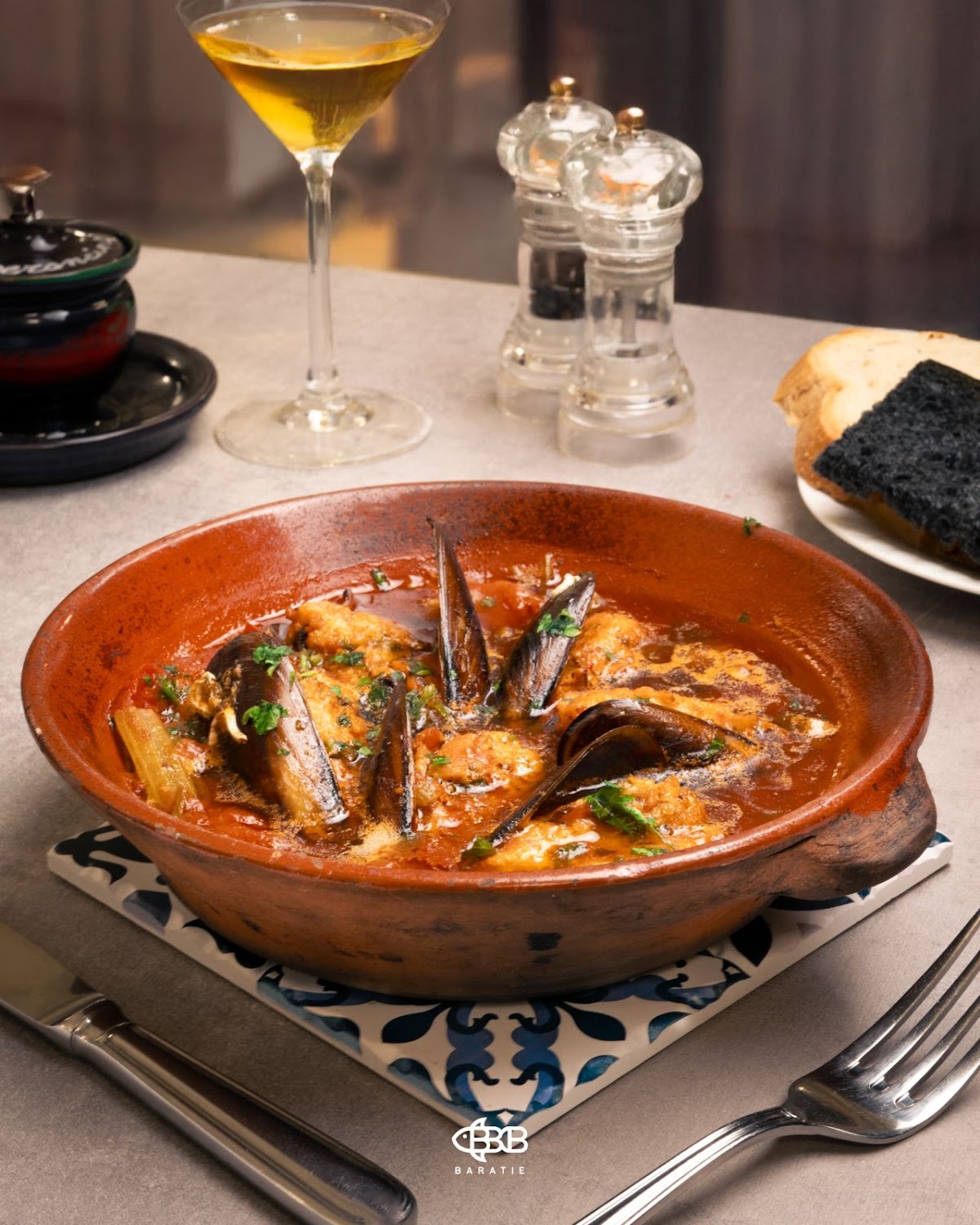
Mountain cuisine reigns supreme here. Pecorino di Farindola DOP, sheep cheese aged in natural caves, is a complete sensory experience. Arrosticini—skewers of mutton grilled over live coals—embody Abruzzese conviviality. Vitello dei Monti della Laga DOP satisfies the most discerning palates, while Ventricina del Vastese DOP, a spiced pork sausage, accompanies every social moment. Pasta alla chitarra and tacconi, ravioli filled with ricotta and spinach, fish brodetto along the crystalline coastal slopes. Expect polenta taragna, barley soups, and porcini mushrooms harvested from beech forests.
What to Drink
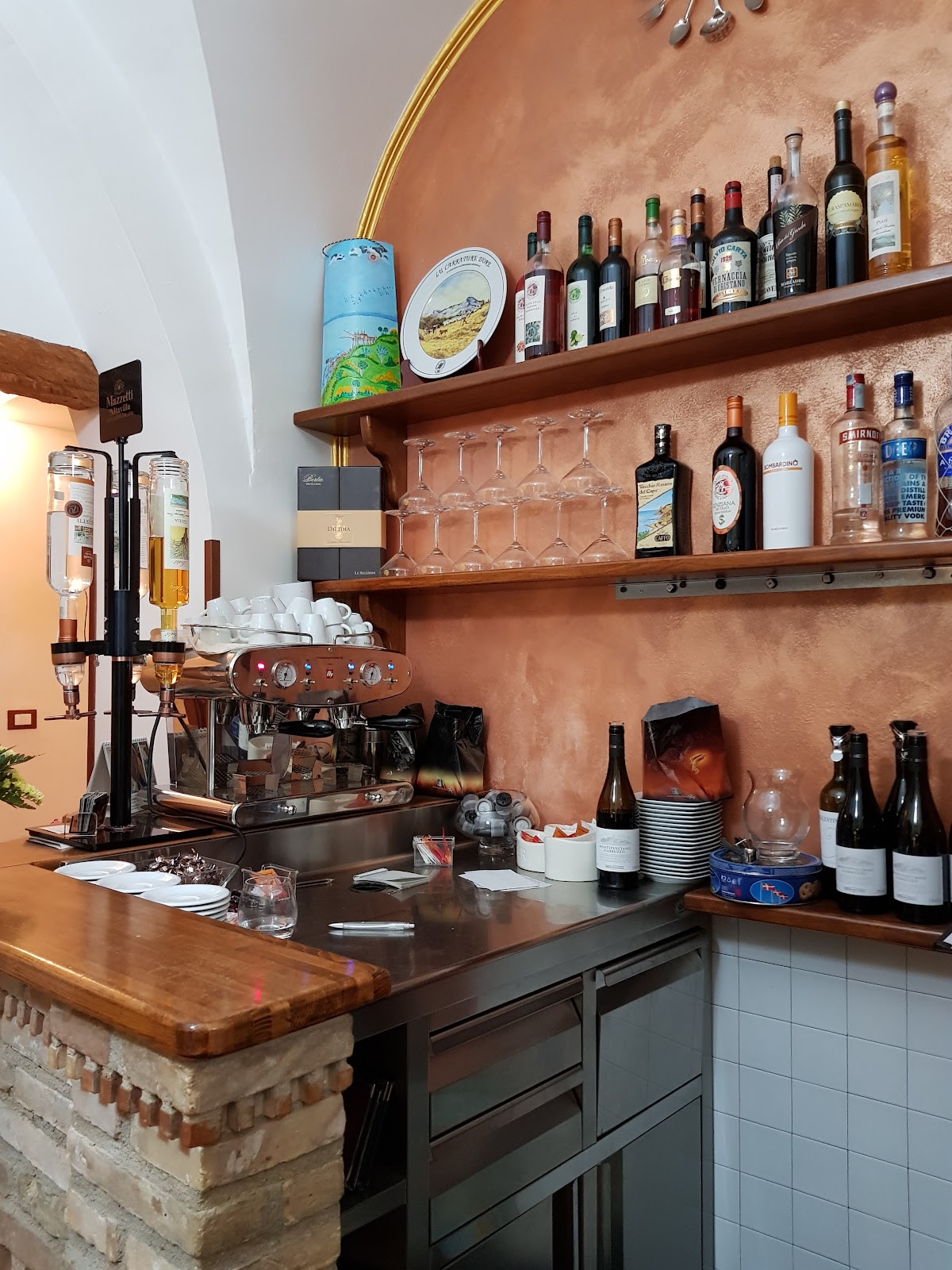
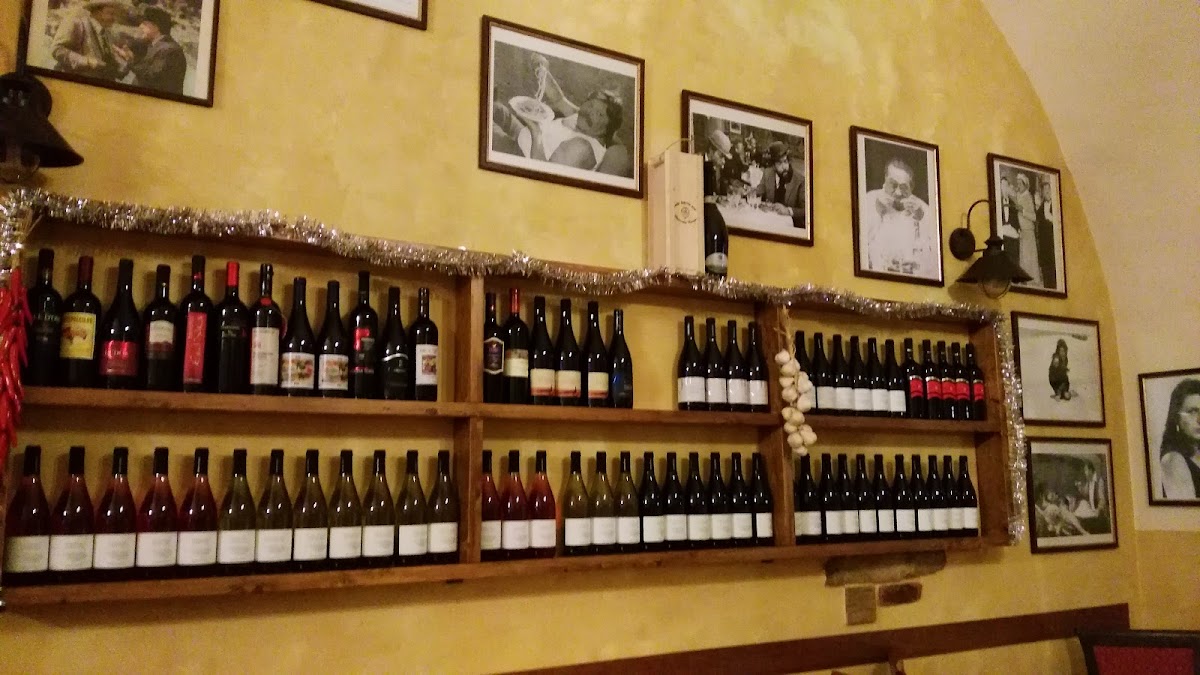
Abruzzo boasts often-underestimated wine excellence. Montepulciano d'Abruzzo DOCG, full-bodied and balsamic, is the red wine defining the region; try those from Tollo or Ofena. Trebbiano d'Abruzzo DOC offers freshness and minerality on Gran Sasso's slopes. For the adventurous, Pecorino DOCG represents modern Abruzzese viticulture. Local amari, distilled from mountain herbs, accompany desserts. Centerba di Lanciano, a liqueur made with one hundred herbs, is an unequalled digestif guarding mountain secrets.
When to Visit
Each season reveals different faces of the region. Spring (April-May) gifts wildflowers on plateaus and ideal hiking temperatures; Festa di San Giorgio in L'Aquila (23 April) animates the capital. Summer (June-August) offers clear skies and fully ice-free trekking routes; the Transumanza of Santo Stefano di Sessanio (August) celebrates pastoral migrations. Autumn (September-October) paints forests in golden tones and mushroom harvests peak. Winter transforms peaks into white kingdoms: snow arrives abundantly by November, ideal for winter trekking enthusiasts.
Places Worth Visiting
Santo Stefano di Sessanio is a village suspended in time, with red-stone houses and a medieval-intact central plaza; ideal starting point for excursions toward Passo delle Capannelle. Campo Imperatore, the 2,131-metre plateau, surprises with vastness: here adventurers skied in the 1940s and today ski-mountaineering and summer trekking thrive. Finally, the Sanctuary of San Pietro della Maiella, perched at 1,401 metres in Maiella's gorge, witnesses medieval hermitic spirituality with adjoining natural cave and 12th-century frescoes.
Practical tips
Bring sturdy hiking boots: Gran Sasso and Maiella trails require serious fitness and proper equipment; consulting Park Authority maps before departure is strongly advised.
Mountain towns like Castelli, Teramo, and Atri are living museums of ceramic tradition and local craftsmanship; spend time visiting workshops where masters continue centuries-old trades.
Transumanza is not just history: authentic sheep processions still occur; attend August festivals to truly experience Abruzzese pastoral culture first-hand.
Plan your trip
Personalised day-by-day itinerary in 5 minutes — restaurants, hotels, live events.
Plan now