Florence is Italy's open-air museum, where every corner breathes history and beauty; Chianti, meanwhile, envelops you in endless vineyards and medieval villages suspended in time. Here, between Brunelleschi's Dome and DOCG wines that shaped the world's wine heritage, you'll find the very essence of Italian dolce vita.
The Landscape
The territory of Florence and Chianti embraces two captivating worlds: the Renaissance metropolis on the banks of the Arno and the gentle Tuscan hills extending southward. Florence rises in a natural basin surrounded by wooded hills, while Chianti Classico unfolds in rolling landscapes of cypresses, oaks, and vineyard rows that define this premier wine region. Villages like Greve in Chianti, Radda in Chianti, Gaiole in Chianti, and Castellina in Chianti form the heart of the denomination, with elevations ranging from 200 to 600 meters. River valleys—Greve, Pesa, and Elsa—carve natural furrows through the hillsides, creating ideal microclimates for viticulture. Historic Florence emerges from the Arno plain with its unmistakable silhouette of bell towers, domes, and palaces.
History and Folklore
Florence is the beacon of Italian Renaissance, the city where the Medici shaped European art and culture history. From the 13th century, its civic institutions and merchant guilds transformed the city into a center of economic and intellectual power. Medieval Florence guarded secrets of continuous rebirth and innovation. In Chianti, history runs deeper: Etruscans already cultivated these lands, and Romans built their roads here. During the Middle Ages, feudal families and the republics of Siena and Florence contested these territories, spawning fortifications like Castellina and Radda's strongholds. The legend of the Black Rooster, symbol of the Chianti Classico Consortium, is rooted in ancient territorial battles between Siena and Florence, blending commerce, pride, and wine heritage into local folklore.
What to Eat
The cuisine of Florence and Chianti tells stories of land and tradition. Bistecca alla fiorentina, thick-cut from Chianina DOP beef, is Florence's symbolic dish: cooked rare over burning coals, finished with sea salt and black pepper. Then there's Pecorino Romano DOP and Pecorino Toscano DOP, cheeses gracing every table. Mortadella di Prato IGP, delicate cured meat with spices, opens meals as antipasto. Carciofi di Chioggia IGP enriches soups and vegetable plates. Ribollita, a peasant soup of black cabbage and cannellini beans, has nourished Tuscan farmers for centuries. Pappardelle with Tuscan ragù, spinach and ricotta tortelli, and pappa col pomodoro complete a gastronomic portrait of genuine, timeless flavors.
What to Drink
Chianti Classico DOCG reigns supreme in this region, a structured and elegant wine based on Sangiovese, with minimum three years' aging. Chianti Classico Riserva DOCG, with four years' minimum refinement, achieves extraordinary complexity. Brunello di Montalcino DOCG and Vino Nobile di Montepulciano DOCG represent viticulture's heights. Here also bloom Vernaccia di San Gimignano DOCG, a mineral and savory white, and Super Tuscans like Sassicaia and Ornellaia IGT—modern masterpieces challenging tradition. Tuscan Vin Santo, a meditation wine, concludes memorable dinners with sweetness.
When to Visit
Spring (April–May) transforms Chianti into a flowering garden with ideal temperatures; Festa della Rificolona in May celebrates ancient traditions. Summer (June–August) brings Calcio Storico Fiorentino in June, a fascinating medieval spectacle. Autumn (September–October) is harvest season's heart: vineyard activity hums, and Festa dell'Uva celebrations occur across towns. Brunello Preview in November at Montalcino offers exclusive tastings. Winter (November–February) brings tranquility and reduced prices, with Nativity performances in outdoor theaters across the region.
Places Worth Visiting
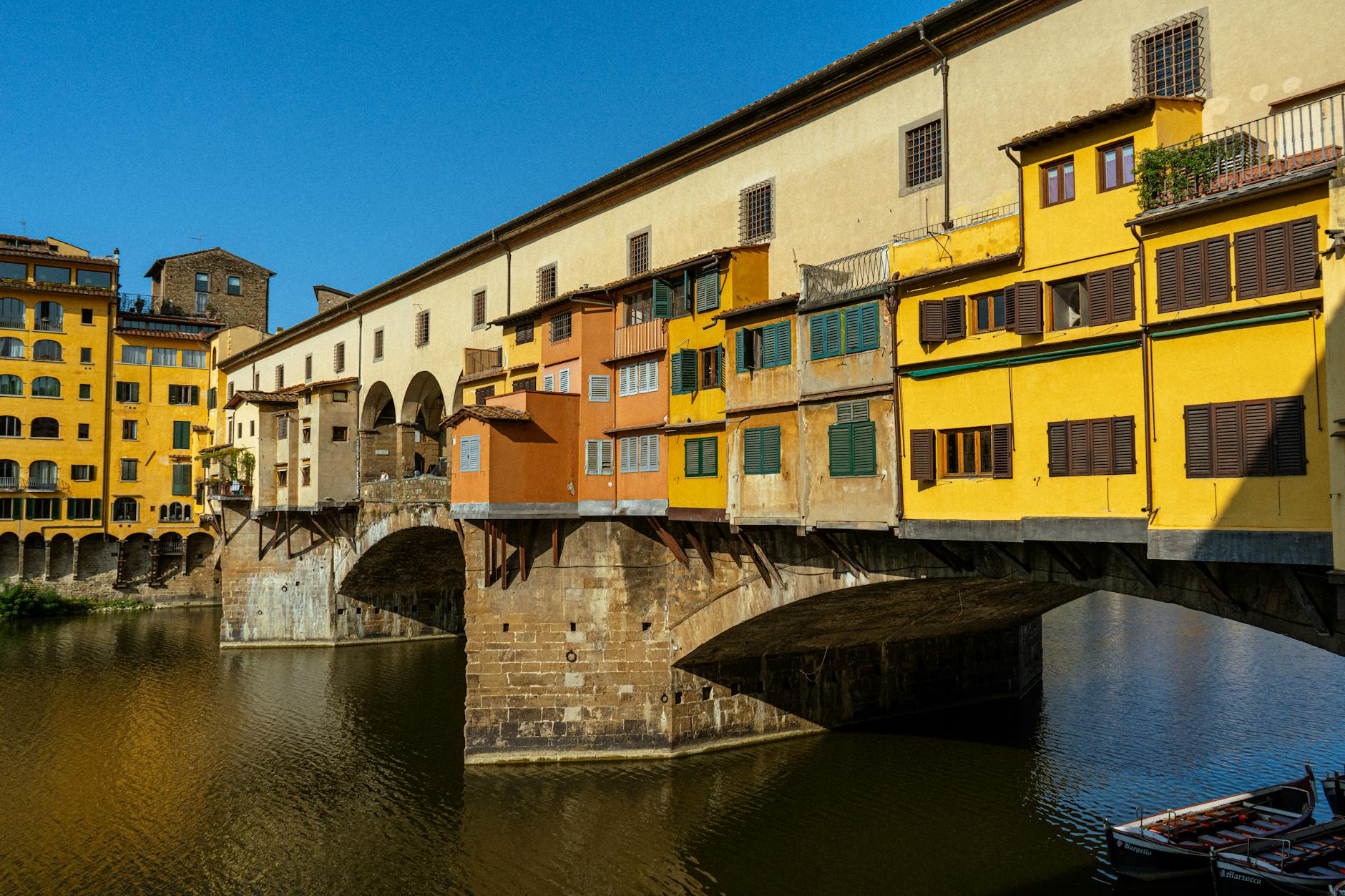
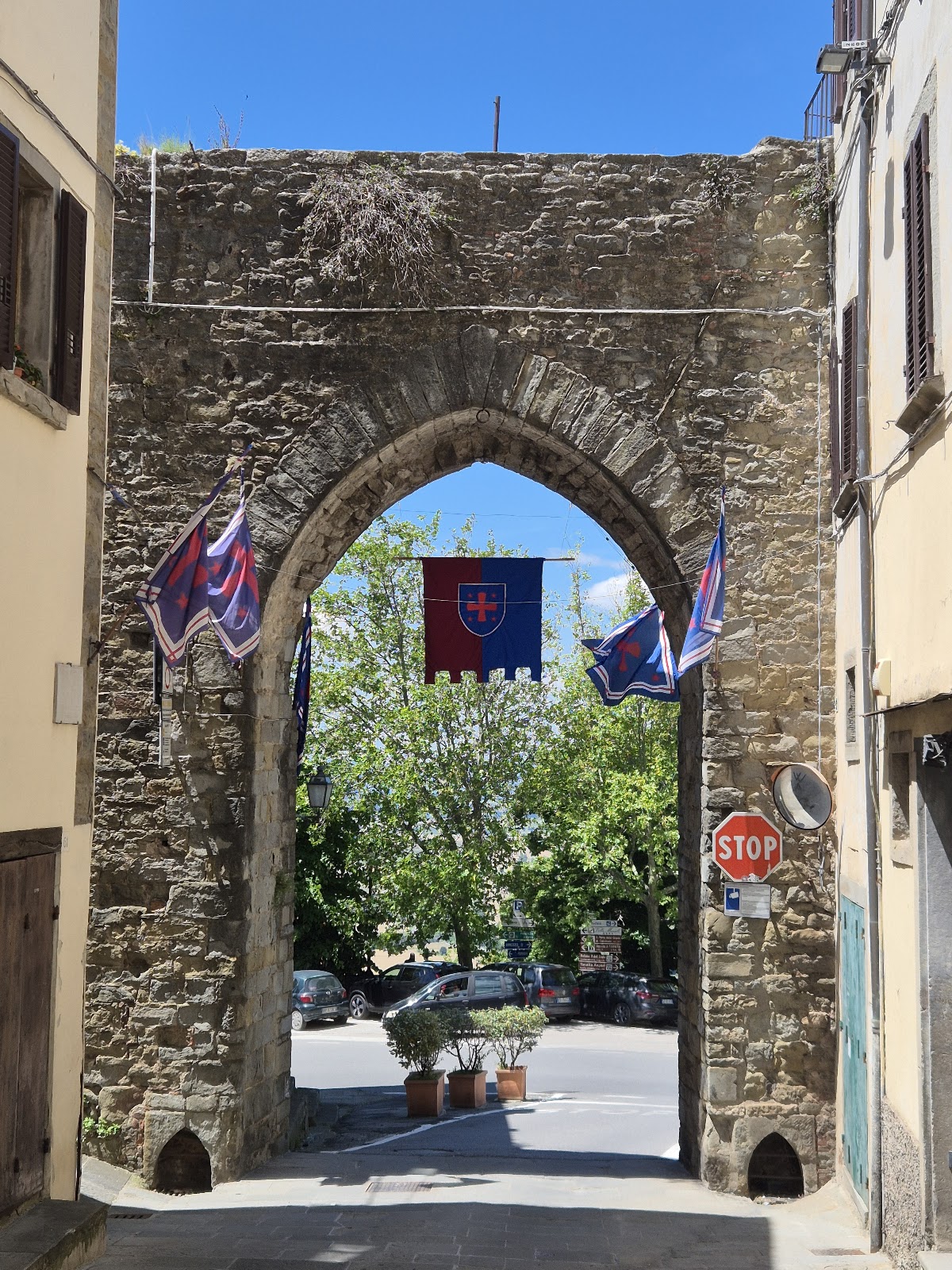
Florence is a living museum: the Cattedrale di Santa Maria del Fiore with Brunelleschi's Dome dominates the skyline; the Uffizi Gallery houses masterpieces by Botticelli and Leonardo; Ponte Vecchio remains a unique sensory experience. In Chianti, Greve in Chianti captivates with its Renaissance triangular plaza and open-to-public wineries. Castellina in Chianti, an ancient fortress, offers extraordinary panoramic views over vineyards. Radda in Chianti, with intact medieval walls and winding streets, embodies authentic Middle Ages surrounded by noble vineyards.
Practical tips
Book cellar tastings in Chianti at least a week ahead, especially during harvest season. Many estates limit daily visitor numbers.
Rent a car or book a guided wine-food tour: Chianti's winding roads are scenic but challenging for unfamiliar drivers, and you can taste wines worry-free.
Visit Florence's museums early morning or book online to skip queues. The Accademia Gallery (with Michelangelo's David) is especially crowded afternoons.
Plan your trip
Personalised day-by-day itinerary in 5 minutes — restaurants, hotels, live events.
Plan now