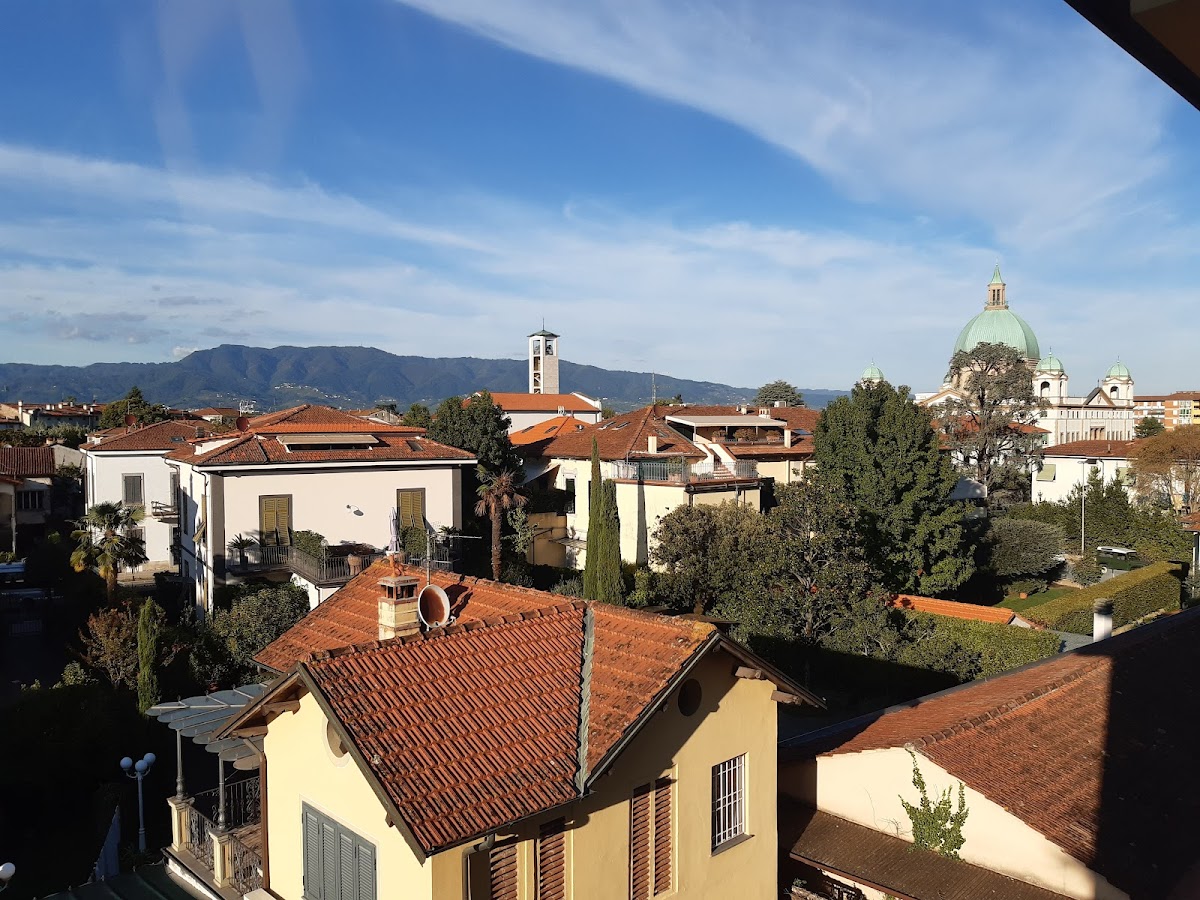
Tuscany is far more than Florence's Duomo or Siena's Piazza del Campo. Scattered across rolling Chianti hills, within Lucca's rust-coloured walls, and throughout remote Monte Amiata valleys, lie dozens of medieval borghi where generations traverse the same stone streets. These villages chronicle artisan families, culinary traditions passed grandmother to granddaughter, and village festivals celebrating harvests as they have for a thousand years. A guide to Tuscan borghi transcends monument catalogues: it opens access to authentic Tuscany—where piazzas fill at sunset, family-run restaurants guard secret recipes, and each stone narrates medieval conflicts, lost lordships, and hard-won communal freedoms.

The most beautiful villages: what makes each one unique
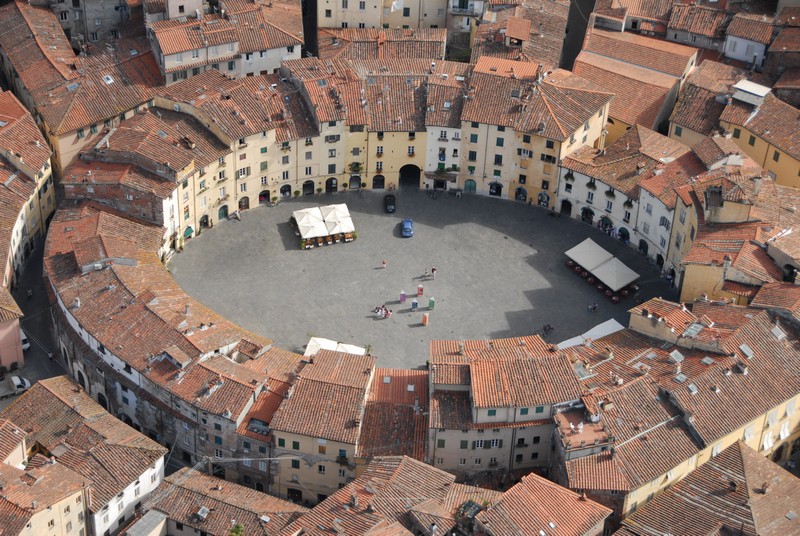
Lucca claims paramount position in the emotional cartography of medieval Tuscany. Still encircled by its 16th-century Renaissance walls—4.2 kilometres long and perfectly traversable by bicycle—Lucca preserves an intact Roman urban structure beneath medieval merchant palaces. Piazza dell'Anfiteatro follows the exact perimeter of the ancient Roman amphitheatre, forming an ellipse of houses facing an inward-turning piazza: a masterpiece of spontaneous urbanism. Volterra, perched at 532 metres in Val di Cecina's heart, offers the dramatic topography Lucca lacks: vertiginous balconies overlooking emptiness, Medici fortresses commanding sun-scorched countryside, Palazzo dei Priori—prototype of every Tuscan town hall. San Gimignano, the 'medieval Manhattan,' retains fourteen of the seventy towers that pierced the 13th-century sky: each tower chronicles noble family warfare, every narrow window a strategic defence position. Monteriggioni, conversely, embodies absolute silence: eleven towers ring perfectly intact walls, streets remain nearly deserted, and contemplating the Sienese countryside from the bastions becomes medieval meditation.

Architecture and history: towers, churches, palaces, and fortresses
Tuscan medieval architecture narrates fragmented power through three dominant building typologies. Civic towers—like San Gimignano's (Torre Grossa, 54 metres; Torre della Rognosa, 56 metres)—were not military defences but symbols of familial wealth and mercantile dominance. At Volterra, Palazzo dei Priori (completed 1254) introduced the palazzo-fortezza concept with Ghibelline crenellations: narrow asymmetrical windows, monumental portals supported by ogival arches, and constructive austerity suggesting administrative power rather than comfort. Lucca's Cathedral of San Martino epitomizes Tuscan Romanesque: its façade of white and black striped marbles (11th–12th centuries) incorporates the Volto Santo—a wooden crucifix that drew pilgrims via the Santiago de Compostela route. At Monteriggioni, the circular fortress (built by Sienese in 1213) demonstrates how fortified borghi were engineered for prolonged siege: twelve bastions span 97 metres apart, enabling interlocking defensive fire. Colle Val d'Elsa and Montepulciano's Palazzi Comunali combine constructive mastery with plastic ornamentation: Corinthian capitals, communal coats-of-arms in relief, monumental travertine staircases reinforcing civic authority.
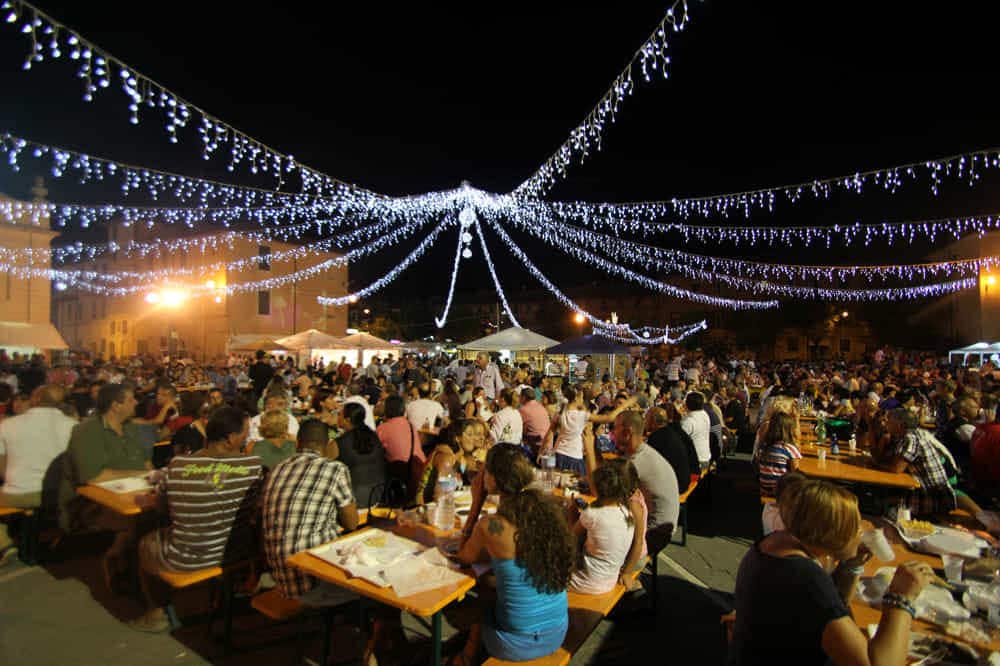
Local life: markets, festivals, food traditions, and sagre
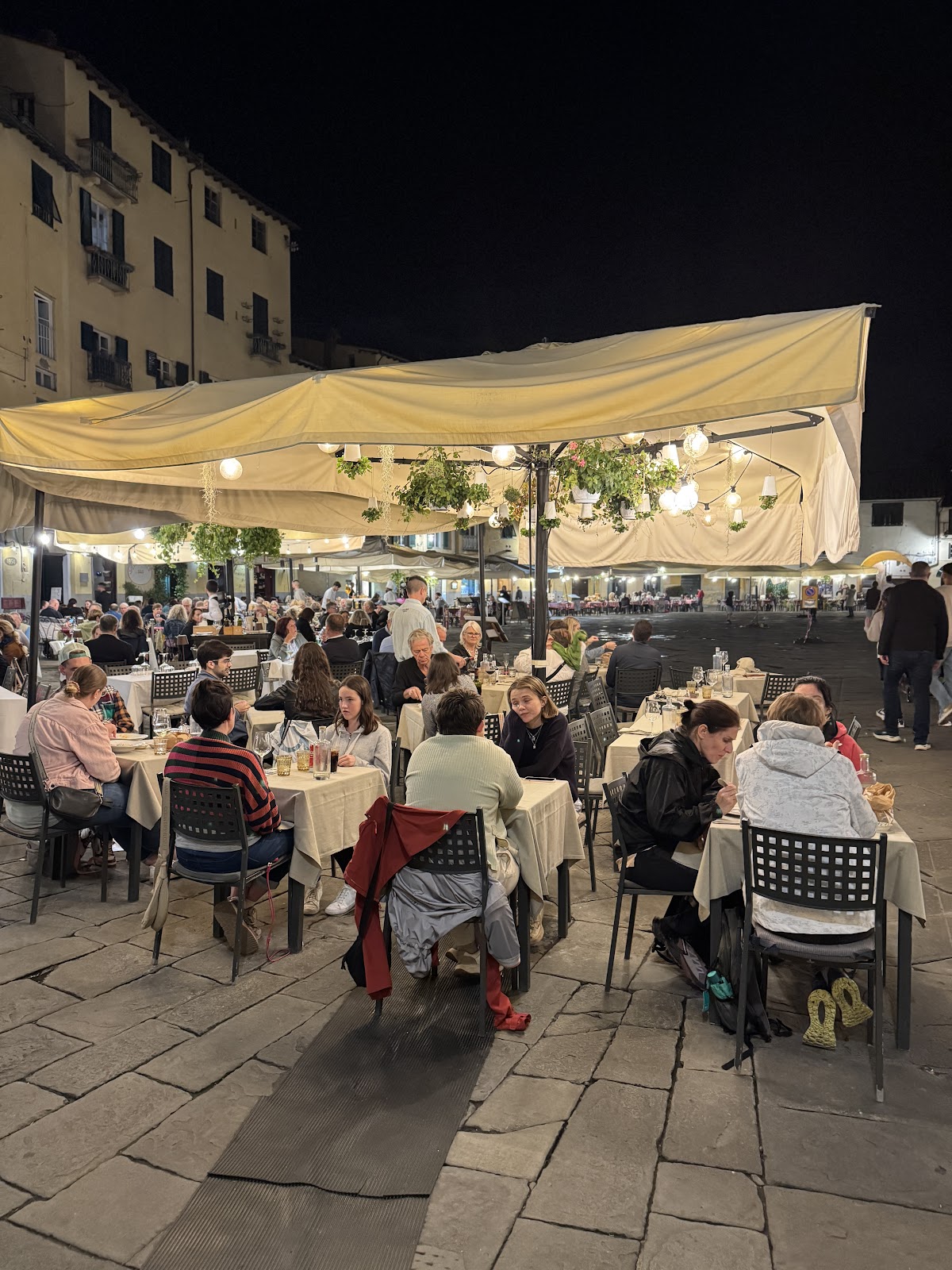
Each Tuscan borgho organises around seasonal rhythms still rigidly observed. In Lucca, Piazza dell'Anfiteatro transforms daily into a food market where farmers from surrounding hills vend seasonal produce—in autumn, Apennine porcini mushrooms become local gold. Culinary traditions tied to specific borghi become civic identity: Lucca consumes torta di riso and orzata in brodo (winter ritual), while Montepulciano claims Vino Nobile and Chianina beef bistecca as identity markers. Village sagre remain community pulsing heart: Festa del Vino in Montepulciano (August), Sagra della Bistecca in Volpaia, Settimana Medievale in Volterra (August) transform piazzas into convivial spaces where local families staff tasting stalls and domestic cooking becomes public theatre. In Lucca, authentic osterias like Osteria dell'Indulgenza (specializing in grilled meats and traditional Lucchese dishes) and Sottosotto (in Piazza dell'Anfiteatro, blending modernity and tradition) still serve according to communal dinner rhythms. Trattoria da Nonna Clara preserves rural Lucchese recipes prepared with local seasonal ingredients, maintaining gustatory memory of the fields. Family-run Osteria La Bottega di Anna e Leo celebrates traditional Lucca dishes: tordela, farro, barley soup, and multigenerational recipes.

How to visit: logistics, best season, where to stay and eat
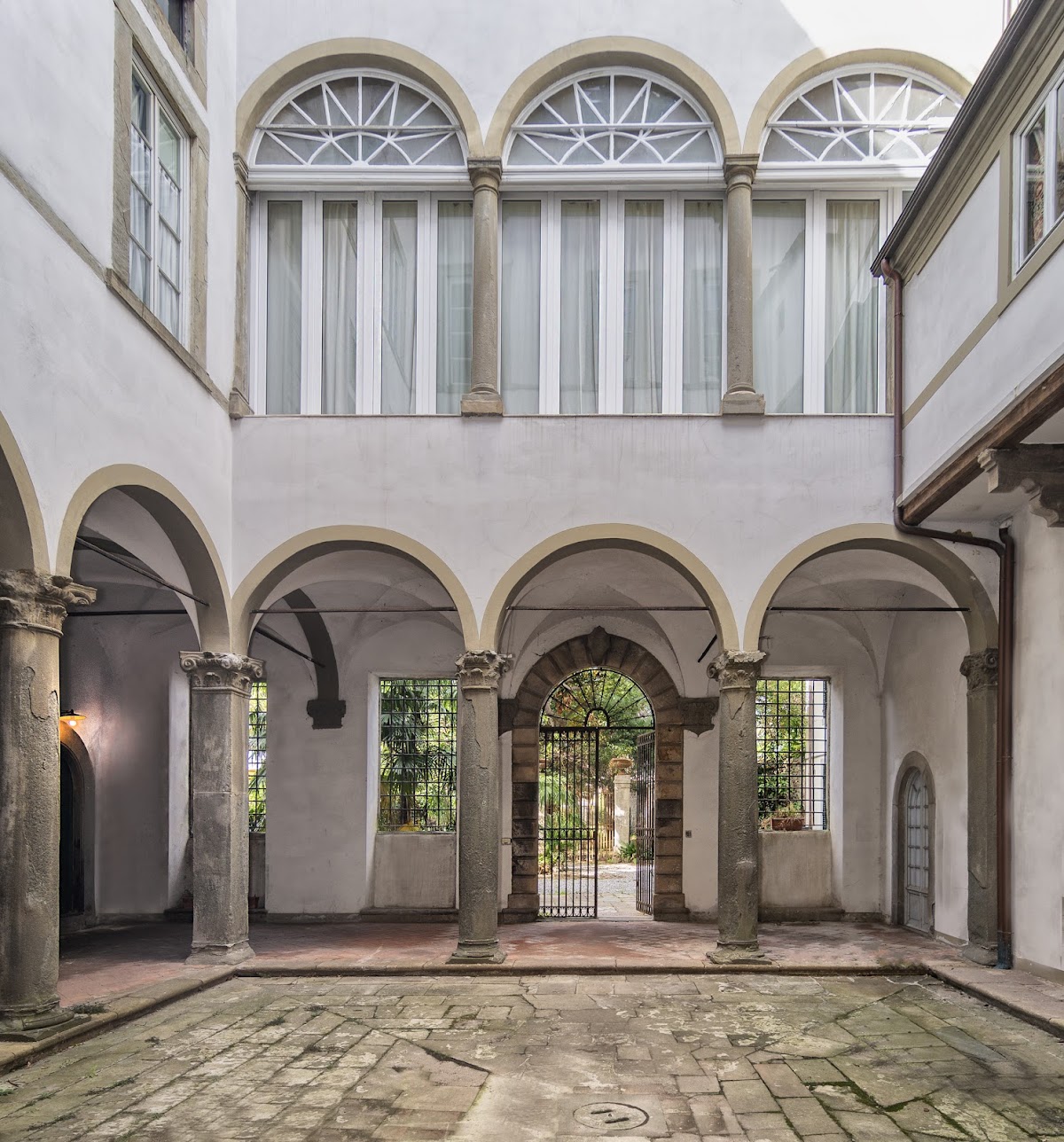
Tuscan borghi geography permits three distinct itineraries. The Lucchese route remains most accessible: Lucca connects to Florence by regional trains (75 minutes, €10-15), with minor borghi (Montecarlo, Pescia, Barga) reachable by car in 30-45 minutes from the walls. For Lucca stays, Le Camere di Caterina (4.7 stars, near San Martino Cathedral and medieval towers) provides authentic family hospitality in the historic core. Hotel La Luna on Via Fillungo (4.2 stars) positions visitors on the city's liveliest commercial street, amongst historic shops and cafés. Corte Meraviglia - Relais (4.1 stars) offers elegant retreat within a historic courtyard, traffic-free. For dining, Osteria dell'Indulgenza (5 stars, authentic cuisine with curated local wines) and L'Angolo Tondo (4.8 stars, in Piazza dell'Anfiteatro with creative Tuscan reinterpretations) represent pinnacles. Quanto Basta Lucca (4.7 stars) serves refined cuisine with sophisticated techniques. The Volterrano itinerary proves more remote: from Florence (1 hour driving) Volterra remains isolated—ideal for medieval solitude seekers. The Sienese itinerary connects San Gimignano, Monteriggioni, and Montepulciano in a circular route (90 km total), perfect for three days. Spring (April–May) and autumn (September–October) remain optimal: moderate temperatures, village sagre still frequent, summer crowds absent.
Practical tips
Rent a bicycle in Lucca (€10-15 daily) and traverse the complete 16th-century walls: 4.2 km of unbroken views over medieval towers, churches, and Tuscan countryside.
Visit borghi on weekdays (Monday–Thursday) to avoid crowded weekends; osterias remain open and piazzas maintain authentic daily character.
Reserve dinners at authentic osterias at least two days ahead: Osteria dell'Indulgenza (5 stars), Sottosotto (4.9), and L'Angolo Tondo (4.8) accommodate limited parties and require booking.
Explore local markets early morning (7–9 am) when farmers sell directly: at Lucca's Piazza dell'Anfiteatro, seasonal vegetables, porcini mushrooms (autumn), and white truffles.
Stay in smaller borghi (Monteriggioni, Colle Val d'Elsa, Radicofani) for a week if possible: these villages reveal authentic character only after initial days, when medieval silence replaces first impressions.
Plan your trip
Personalised day-by-day itinerary in 5 minutes — restaurants, hotels, live events.
Plan now