Franciacorta is far more than a wine denomination—it's an enchanting Lombardian territory where gentle hills showcase endless vineyards and the air carries the perfume of fermentation and ambition. Here, Italy's finest sparkling wines are born from passion and centuries of winemaking wisdom. Visiting Franciacorta means immersing yourself in a landscape where beauty, taste, and warmth intertwine perfectly.

The Landscape
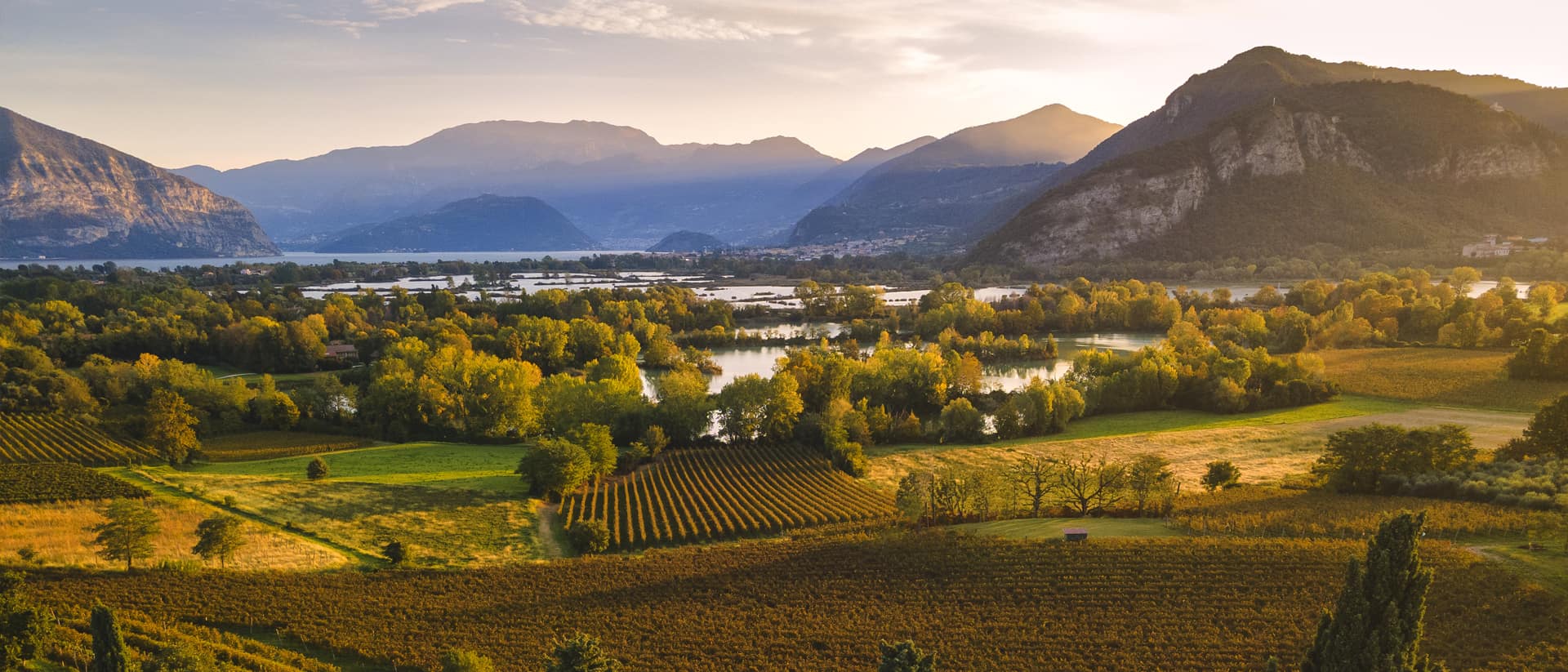
Franciacorta spans approximately 130 square kilometers across Brescia and Bergamo provinces, embracing charming villages like Erbusco, Adro, Corte Franca, and Iseo. The landscape features gentle, undulating hills that gracefully descend toward the glacial lakes of Iseo and Idro. A temperate continental climate, moderated by the lakes, creates ideal vine-growing conditions. Soils rich in glacial moraine, limestone, and marl impart extraordinary minerality to the wines. Sinuous vineyard rows, oak and chestnut forests, and medieval hamlets create a mosaic of rare beauty.
History and Folklore
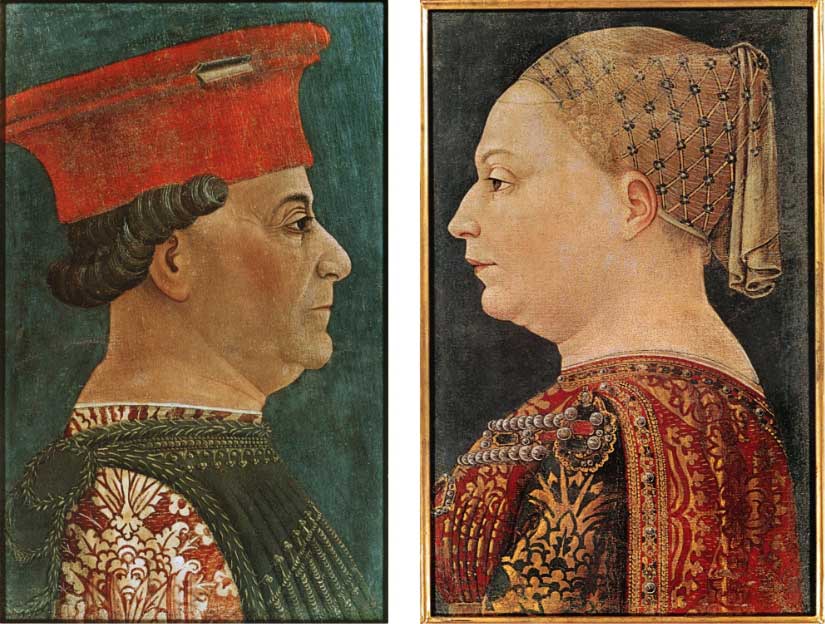
Franciacorta's roots stretch back a thousand years. The name derives from 'Franchia Curtem'—a tax-exempt territory granted by the Lombard king to Benedictine monks in the 7th century. These monks systematically planted the first vineyards, transforming the area into a cradle of European viticulture. Medieval Brescia's noble families—the Visconti, Sforza—enriched the territory with villas and castles. Local folklore speaks of 'streje,' local witches who, legend says, danced on moonlit hills. Modern sparkling wine was born here by chance in the 18th century when monks attempted to replicate French wines.

What to Eat
Franciacorta's cuisine celebrates genuine local ingredients. Casera d'Alpe, a creamy, sweet DOP cheese, perfectly complements the rolling landscape. Tagliatelle with porcini mushrooms tell forest stories across seasons, while casoeula—a pork and cabbage stew—warms winter evenings. Alpine cheeses like Bagòss d'Alpe, Branzi, and Formai de Mut echo Lombard dairy traditions. Casoncelli, filled with ricotta and amaretti, epitomize the cuisine's sweetness and complexity. Every bite brings territorial generosity and peasant wisdom to the table.

What to Drink
Franciacorta DOCG is the absolute masterpiece: an elegant classic-method sparkling wine from Chardonnay, Pinot Bianco, and Pinot Nero grapes. Top labels—Bellavista, Berlucchi, Ca' del Bosco—represent world excellence. Franciacorta Satèn, the lightly-dosed version, seduces with delicate minerality. Alongside sparkling, Terre di Franciacorta DOC deserves attention—a structured red of Cabernet and Merlot. For still-wine lovers, Franciacorta Chardonnay offers freshness and mineral complexity. Every sip narrates winemakers' mastery and unique terroir.
When to Visit
Spring (April-May) brings vineyard awakening and ideal trekking temperatures. The Enoturismo Festival, late May, celebrates wine-territory connections. Summer (June-August) offers starlit cellar dinners and local festivals like Adro's Festa dell'Uva in August. Autumn (September-October) is magical: harvest fervor animates the land, golden colors embrace vineyards, and September's Franciacorta Wine Fest gathers top producers. Winter offers tranquility, intimate cellar tastings, and cozy fireside comfort.
Places Worth Visiting
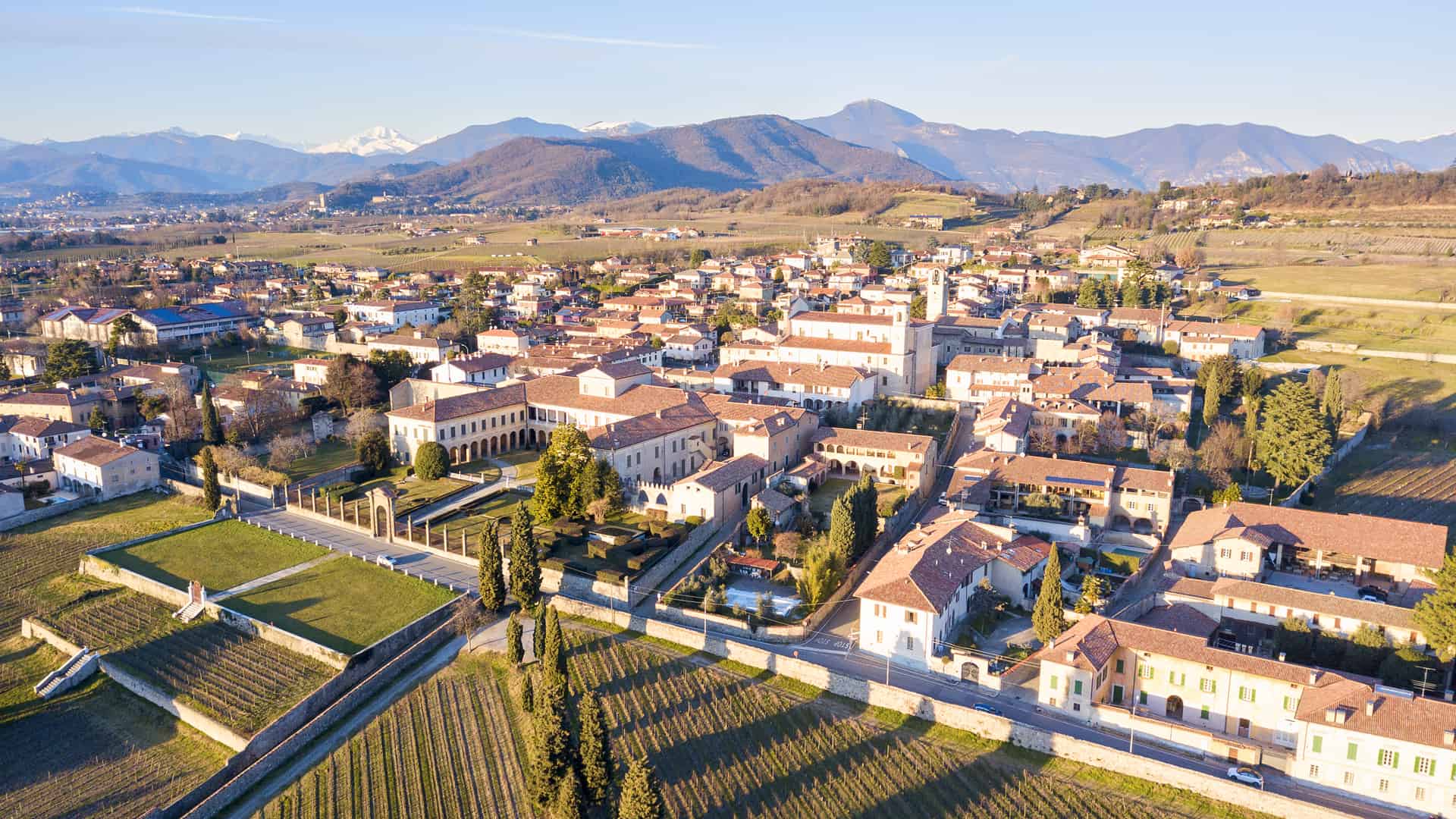
Erbusco is Franciacorta's beating heart, home to historic estates like Bellavista and Ca' del Bosco offering complete sensory experiences. The 7th-century Benedictine Monastery of San Pietro in Oliveto recounts spiritual history among vineyards. Medieval Corte Franca, with intact walls and Romanesque church, plunges you into the past. From here, access Lake Iseo with serene beaches and enchanting vineyard panoramas.
Practical tips
Book cellar visits at least a week ahead, especially during harvest (September-October). Many estates require advance booking and offer personalized experiences.
Rent a bicycle to explore vineyards like a true local. Franciacorta's cycling paths are well-marked and offer magical territorial perspectives.
Visit Lake Iseo in low season (March-May, September-November). You'll find serenity, freshwater fish cuisine, and memorable sunsets.
Plan your trip
Personalised day-by-day itinerary in 5 minutes — restaurants, hotels, live events.
Plan now