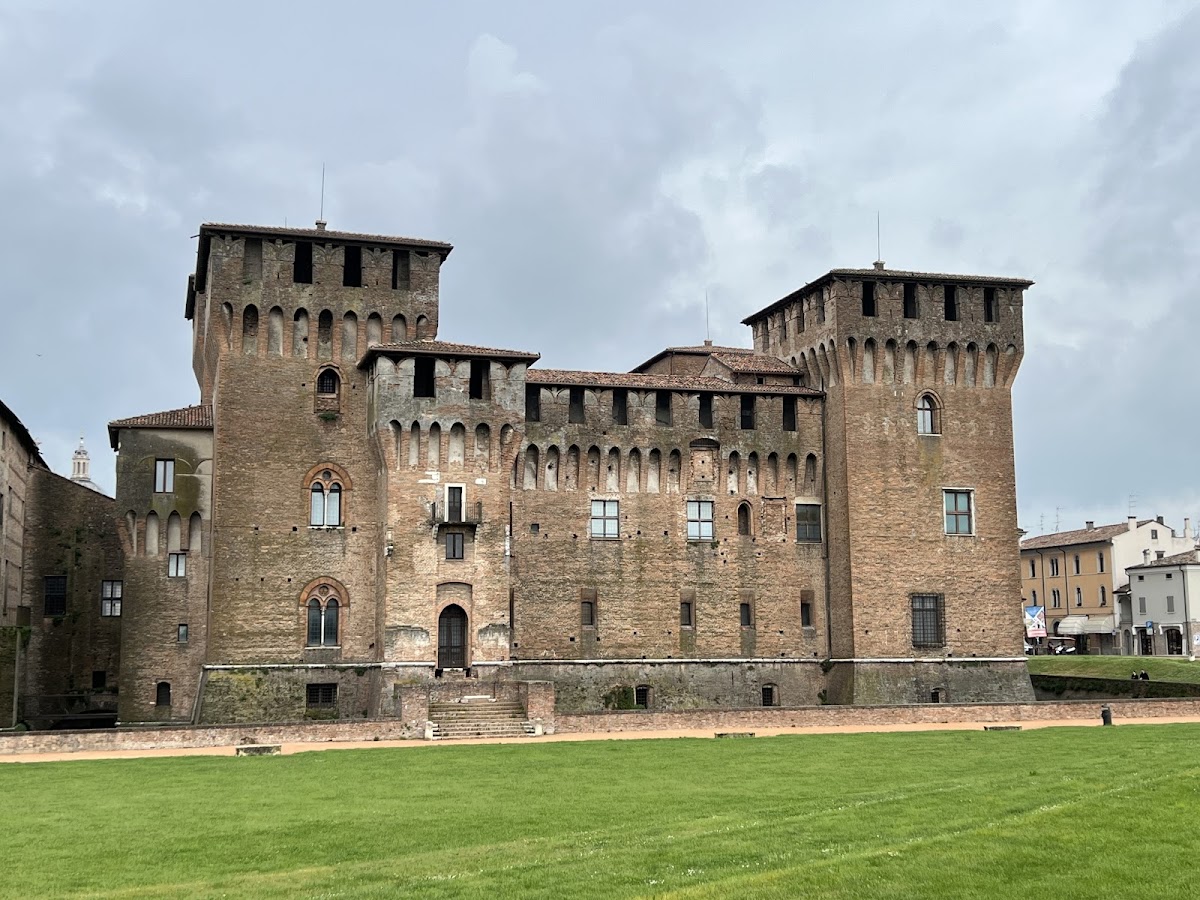
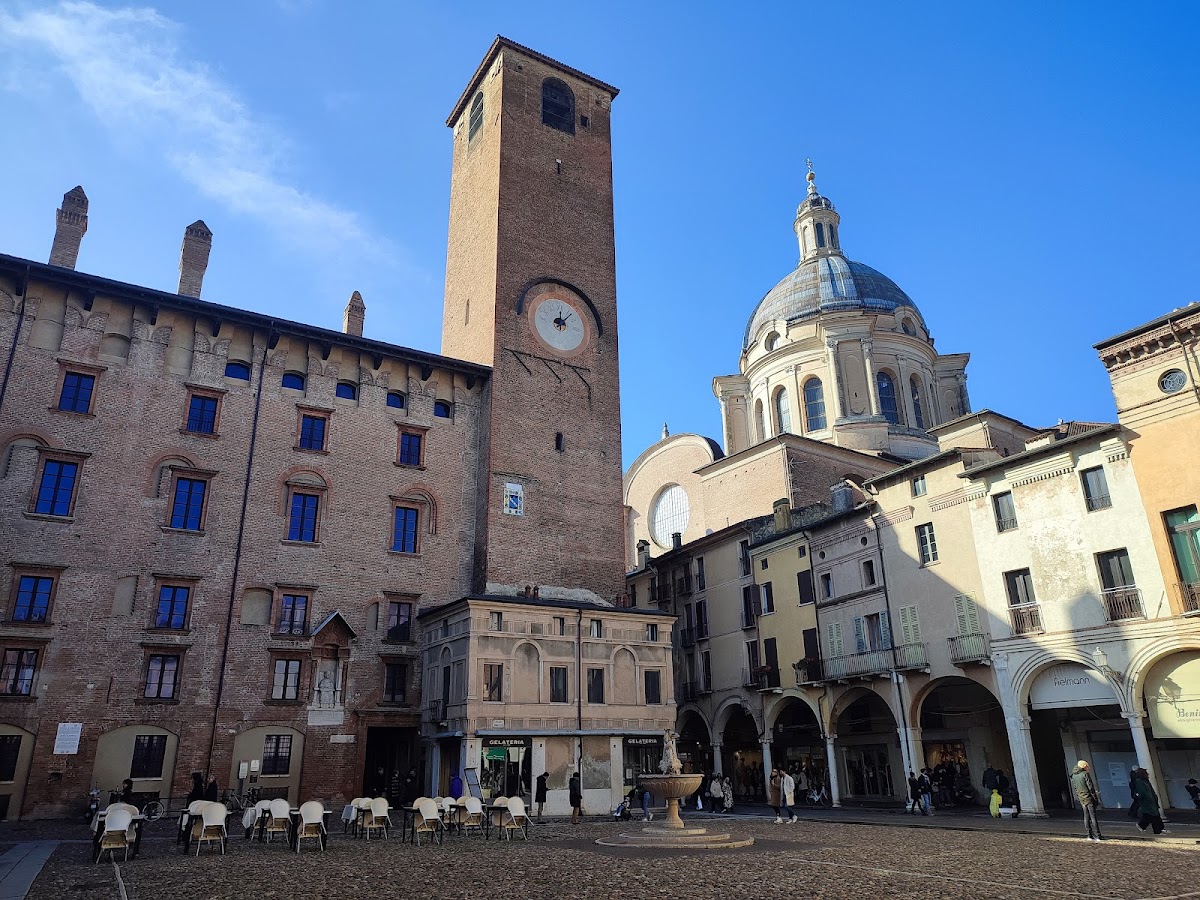
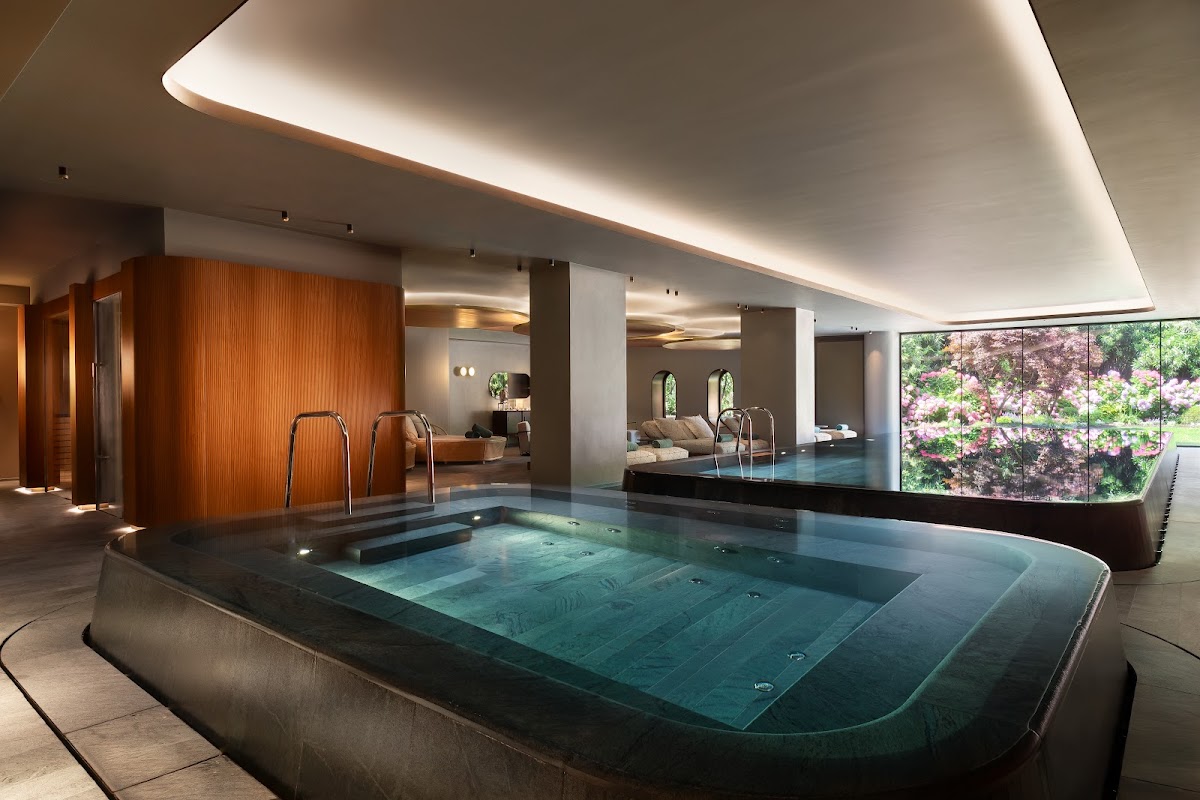
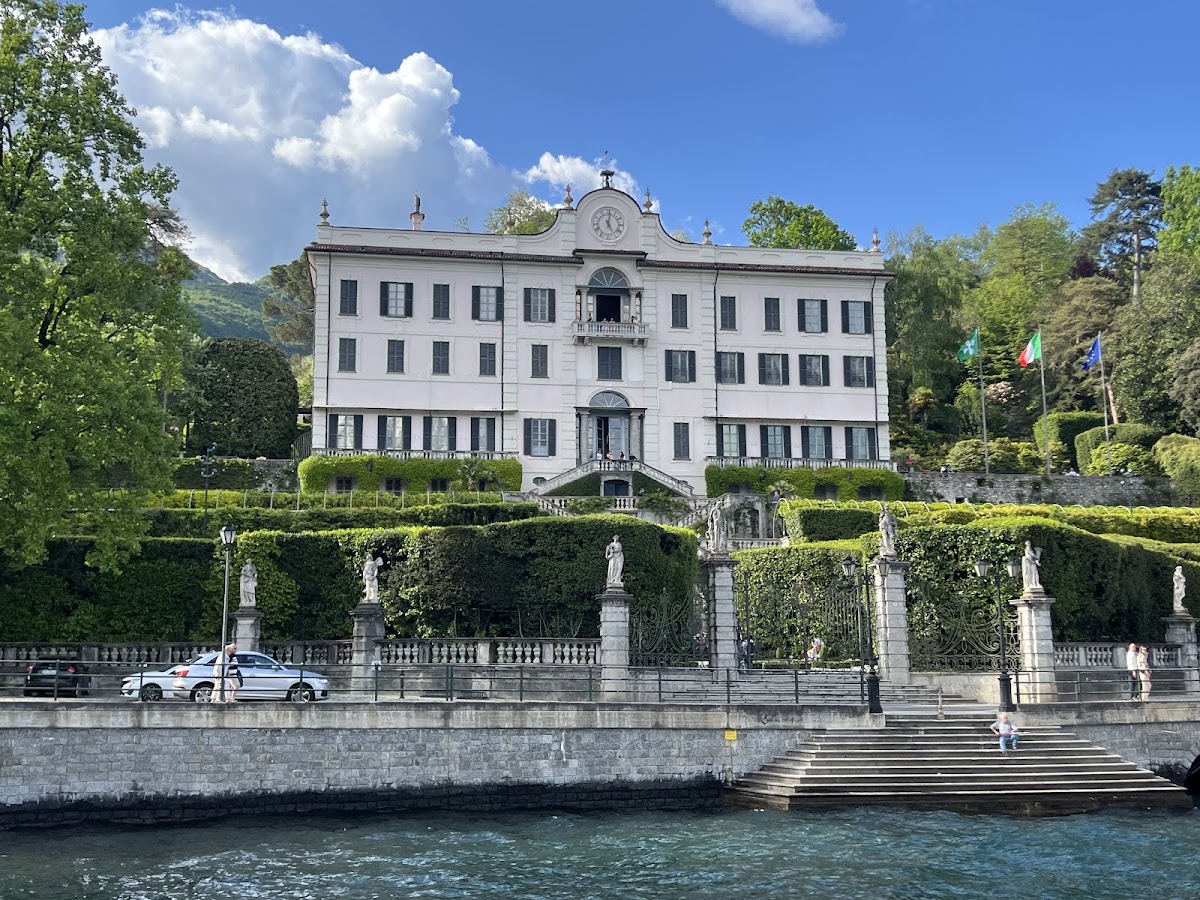
Lake Como is a sensory experience that captures the soul: three arms that intertwine among towering mountains, villages overlooking the shores, and a light that changes with every hour of the day. Here, beauty is not by chance—it is the result of centuries of Lombard elegance, where the historic residences of the Visconti and the Este families are still reflected in the deep waters of this Alpine mirror. Visiting Como means breathing in the air of the Italian dolce vita, where every corner tells stories of artists, aristocrats, and dreamers.

The Territory
Lake Como, with its 146 square kilometers and a maximum depth of 410 meters, is the second largest Italian lake by area but the deepest on the peninsula. Formed by the confluence of three branches—the Como Branch to the south, the Lecco Branch to the east, and the Colico Branch to the north—it creates a distinctive shape that the ancient Romans called Larius. The surrounding mountains reach 2,000 meters, creating dramatic scenery where glacial valleys meet Mediterranean vegetation. The Valtellina and Valchiavenna valleys define the northern landscape, while to the south the moraine hills open onto the Po Valley. The lake's temperate climate favors olive groves, lemon trees, and the cultivation of exotic plants in its numerous villas.

History and Folklore
Lake Como is a custodian of millennia of European history. The Romans established settlements around the city of Como, transforming it into a strategic port on the route towards the Alps. In the Middle Ages, the lake became the scene of rivalries between Como families and the Duchy of Milan. Local legend speaks of the 'Larva of the Lake'—an aquatic spirit that protects fishermen during night storms. During the Renaissance, the shores of the lake attracted artists and writers: Leonardo da Vinci stayed in Como and studied lacustrine phenomena for his codices. Popular folklore tells of luminous apparitions on the waters during winter full moons, phenomena linked to glacial reflections and Celtic pagan legends.
What to Eat
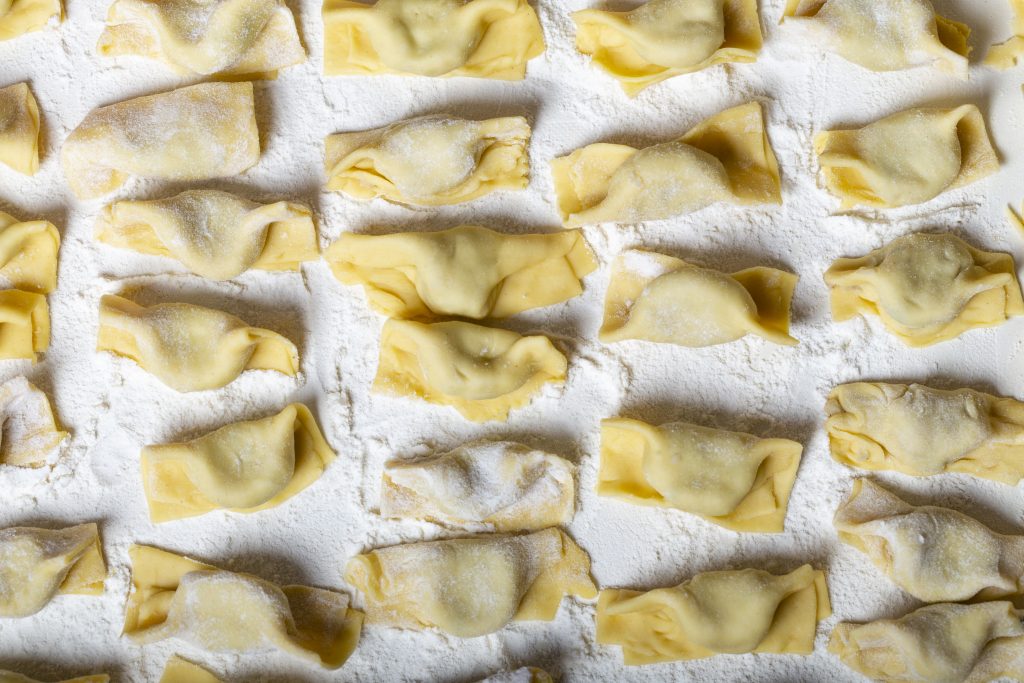
Como cuisine is an anthem to seasonal local products. Start with missoltino, smoked perch fish according to Lecco tradition, recognized as PDO. Lake Como's Agone, another freshwater fish, is marinated in vinegar and bay leaf creating a sublime appetizer. Casunziei from Brescia are also found here—half-moon shaped pasta parcels filled with PDO ricotta and spinach that captivate the palate with rustic simplicity. Don't miss lake trout in lemon sauce, accompanied by Formaggio di Fossa di Talamello PDO cheese from the nearby province. For dessert, Biscotti di Como—crispy amaretti—are dunked in local moscato wine.
What to Drink
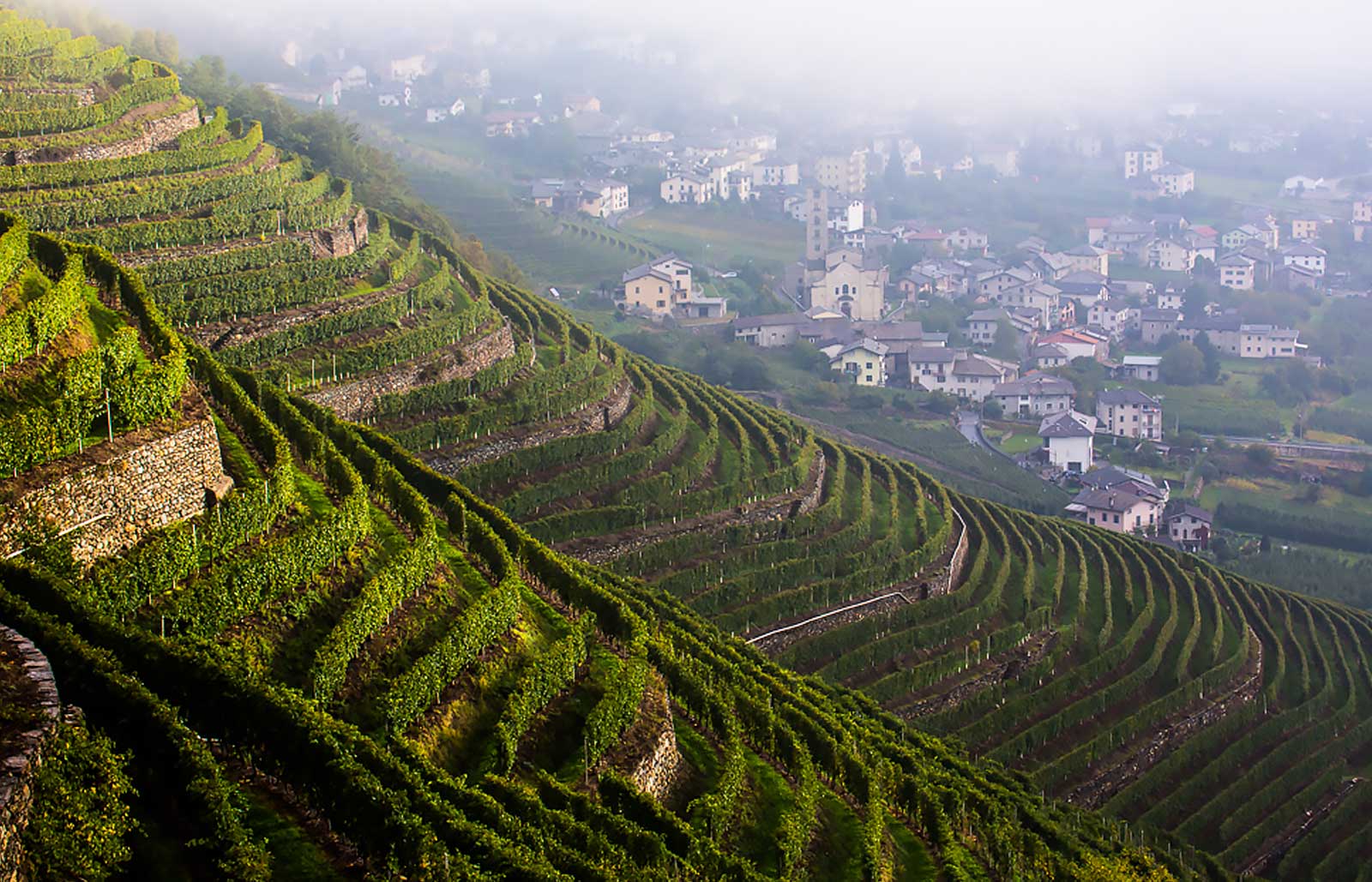
The wines of the lake territory reflect the dual character of this area, suspended between alpine Lombardy and the plain. Valtellina Superiore DOCG — produced on the Rhaetian terraces a few kilometers to the north — presents Nebbiolo in four sub-zones: Sassella, Grumello, Inferno and Valgella, with profiles ranging from iron and mineral notes to ripe red fruits. Sforzato di Valtellina DOCG, obtained from partially dried grapes, offers particular structure and concentration, suited to long winter evenings by the lake. Closer to the Como shores, Botticino DOC and Cellatica DOC from nearby Franciacorta complete the red landscape. For sparkling wines, Franciacorta DOCG — less than an hour towards Brescia — represents the Italian answer to Champagne with its Blanc de Blancs and vintage cuvées. Among spirits, Grappa di Valtellina IG, distilled from local Nebbiolo grape pomace, fittingly concludes every dinner based on lake fish.

When to Go
Spring (April-May) transforms the lake into a blooming garden, with ideal temperatures and the Feast of Sant'Abbondio in Como. Summer is perfect for swimming and water sports, but crowded. September-October offers spectacular autumn colors and the Como Film Festival. Winter is serene, with snowfall on the peaks and the evocative New Year's Eve Celebration of San Silvestro. The Feast of Sant'Alessandro in Abbadia Lariana (August) celebrates the patron saint with fireworks on the lake. The Palio Remiero of Como (July) revives medieval rivalries between the city districts.

The Places Not to Miss
Como city: its Gothic-Renaissance Cathedral dominates the square, and medieval walls enclose picturesque alleyways where craft workshops still weave silk using centuries-old techniques. Bellagio, the 'Diamond of Lake Como': perched on the promontory that divides the lake's branches, it offers eighteenth-century gardens (Villa d'Este, Villa Balbianello) and an unparalleled lakeside promenade. Varenna: the most romantic village, with colorful houses that plunge into the water, the twelfth-century Castello di Vezio rises above the rock, and the Church of San Giorgio preserves works by Lombard masters.
Practical tips
Travel by boat between villages rather than by car: the ferries offer unforgettable views and the lakeside roads are winding. The main routes connect Como, Bellagio, Varenna and Colico.
Book visits to the historic villas at least one week in advance, especially in summer. Villa d'Este and Villa Balbianello are among the most popular and have limited hours.
Discover authentic flavors in mountain huts accessible on foot: barley soups, casunziei and game dishes bring the lake back to its rural essence.
Plan your trip
Personalised day-by-day itinerary in 5 minutes — restaurants, hotels, live events.
Plan now