The Aeolian Islands emerge from the Tyrrhenian Sea like nature's masterpiece, seven volcanic jewels still breathing the fire of their creation. Here, amid crystalline waters and black basalt cliffs, authentic communities perpetuate ancient traditions: fishing, heroic viticulture, Sicilian hospitality. This is not a mass destination, but an experience that transforms those who visit it.
The Landscape
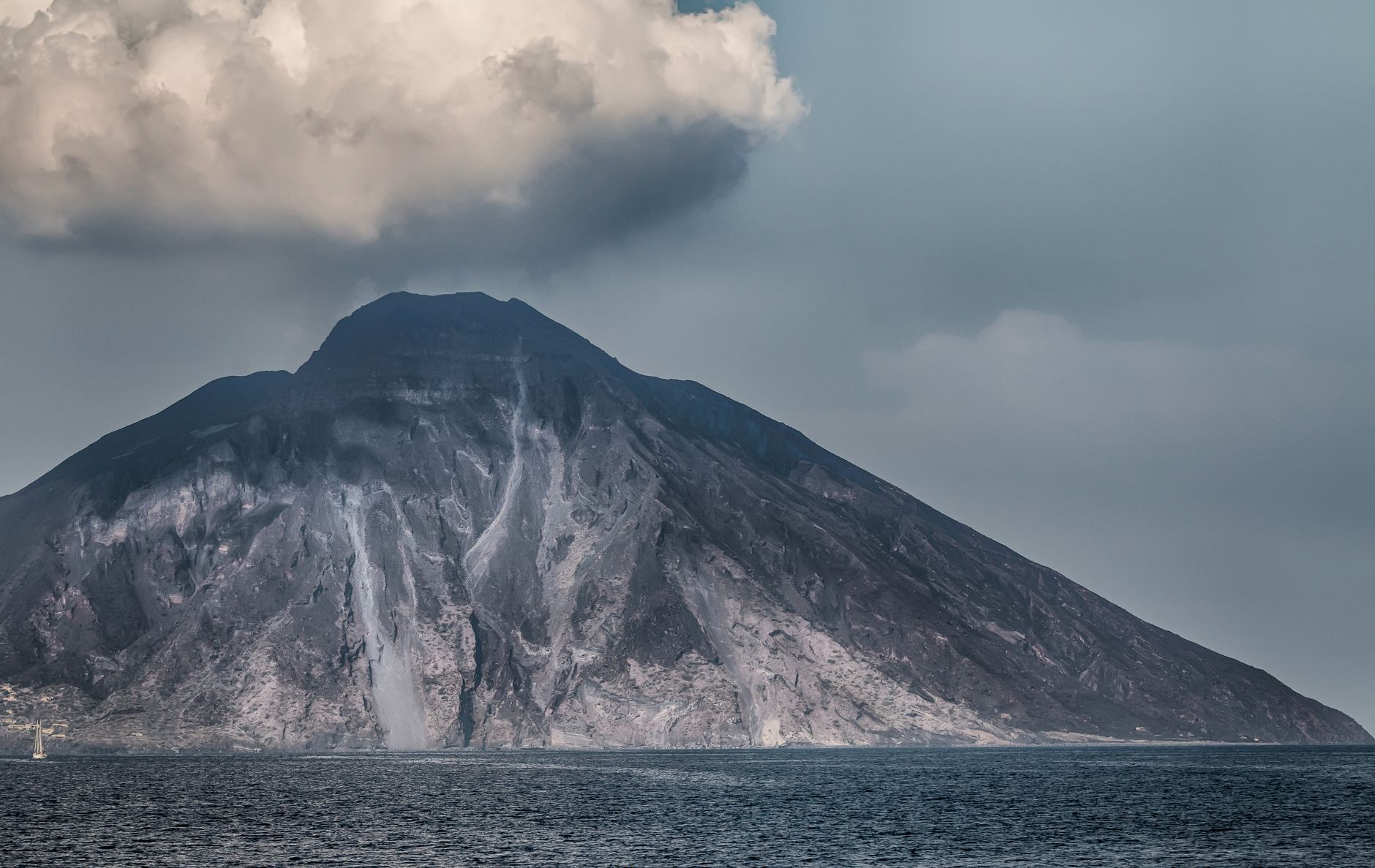
The Aeolian archipelago spans approximately 200 square kilometers, dominated by three active volcanoes: Stromboli, Vulcano, and Fossa delle Felci on Salina. Each island possesses distinct geological identity. Lipari, the largest, harbors obsidian and pumice deposits that have fascinated volcanologists for centuries. Panarea is the smallest and most exclusive, surrounded by wild islets. Filicudi and Alicudi represent the most remote and pristine reaches. Salina, covered in Mediterranean maquis, is celebrated for its terraced vineyards. Coastlines vary from sandy beaches to vertical walls of volcanic rock, while underwater depths reveal rich marine biodiversity.
History and Folklore
Homer mentioned these islands as the dwelling of Aeolus, keeper of the winds—a mythological legacy that still permeates the atmosphere. Greeks colonized them in the 7th century BC, followed by Romans, Arabs, and Normans. Each conqueror left profound traces. Tradition holds that Stromboli's smoke guided medieval Mediterranean navigators. During the Spanish Inquisition, the islands suffered terribly: many inhabitants were deported by Barbary pirates. Local folklore brims with stories of mythical creature sightings, nocturnal lights on Stromboli interpreted as divine presences, and songs of fisherwomen guiding husbands through storms.
What to Eat
Aeolian cuisine is a hymn to fish and simplicity. Swordfish alla messinese dominates every table, cooked with dried tomatoes and black olives. Pasta alla norma, with eggplant and salted ricotta, represents Sicily's interpretation of rustic cooking. Caciocavallo podolico DOP from nearby Iblei regions arrives slowly smoked with olive wood. Sea urchins, hand-fished by the last urchin divers, are a salty treasure deserving mindful tasting. Arancini filled with ragù and peas represent local comfort food. Bread with semolina, baked in traditional wood-fired ovens, accompanies every meal with unmatched crispness.
What to Drink
Malvasia delle Lipari DOP is the quintessential Aeolian nectar: a sweet wine rich in history, produced by small family wineries using methods passed down for generations. The drier, more mineral Malvasia Bianca DOC from Salina reveals apricot and honey notes. On Panarea, the Passito di Pantelleria DOC offers dried grape and caramel aromas. Locals drink fresh white wine with lemon during summer months. Homemade limoncello liqueur, prepared by grandmothers with Amalfi lemons when available, is a traditional digestif. Locally produced Amaro di Parthenope concludes meals with wild herb notes.
When to Visit
April-May offer perfect spring: wild flowers, still-cool waters, smaller crowds. Festa di San Bartolomeo (August 24) on Lipari celebrates the patron saint with processions and fireworks. August is torrid yet electric: Concerto sotto le Stelle in Salina attracts international musicians. September-October deliver golden autumn, warm waters and grape harvest festivals on terraced vineyards. December on Stromboli is magical: nights reveal the Fire Whale—volcanic explosions illuminated against starry skies. Winter remains open only to true seekers of solitude: severe conditions but extraordinary landscapes.
Places Worth Visiting
Stromboli embodies the archipelago's beating heart: the nocturnal ascent to the crater is a primordial experience, where observing the Fire Whale—glowing lava eruptions—transforms visitors into witnesses of Earth's creation. Salina, covered in dense chestnut and pine forests, guards the Basilica di Santa Marina with its intact Baroque altar and small chapels dedicated to fishing saints. The white beach of Pollara offers the finest sand surrounded by pink pumice cliffs: the filming location of celebrated films and the preferred refuge of authentic islanders.
Practical tips
Book accommodations and ferries at least 6-8 weeks in advance during summer months: the archipelago deliberately remains small and facilities fill quickly.
Bring sturdy clothing and trekking footwear: volcanic trails are rocky and demanding, especially Stromboli's nocturnal ascent which requires stamina and preparation.
Visit local fish markets at dawn: here you'll meet multigenerational fishermen and access the finest seafood destined for the archipelago's most authentic restaurants.
Plan your trip
Personalised day-by-day itinerary in 5 minutes — restaurants, hotels, live events.
Plan now