Taormina and the Ionian Coast represent the most aristocratic and untamed heart of eastern Sicily, where ancient amphitheatres overlook crystalline waters and hilltop villages guard Norman secrets. Here, the scent of lemons mingles with sea breeze, while the Ionian seabed reveals submerged grottoes and golden beaches hidden between monumental cliffs. Every corner tells overlapping epochs—Greek, Roman, Arab, Norman—in perfect harmony between wild nature and crafted beauty.
The Landscape
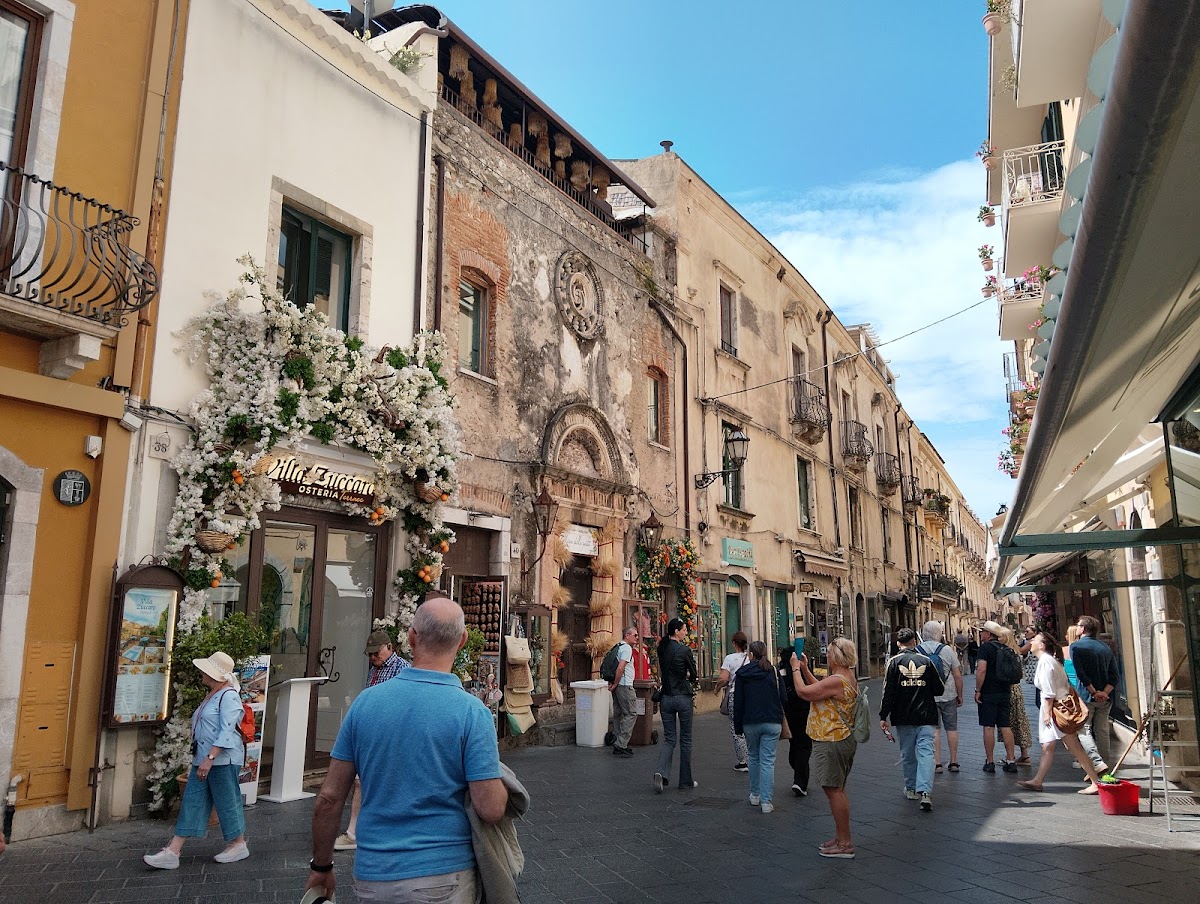
The Ionian Coast stretches from Taormina to Messina, marked by dramatic topography where mountains plunge directly into the sea. The Monti Peloritani mountain range dominates the horizon, creating spectacular contrast with the azure waters of the Strait of Messina. Dark volcanic sand beaches alternate with secret coves accessible only by sea or steep trails. Vegetation is lush: IGP lemons, almonds and olives thrive on slopes, while Mediterranean scrub covers wilder aspects. The Mediterranean climate, tempered by sea breezes, ensures early spring and warm but ventilated summers. Small coastal villages like Giardini-Naxos, Letojanni and Castelmola cling to vertiginous slopes, creating a landscape that seems painted.
History and Folklore
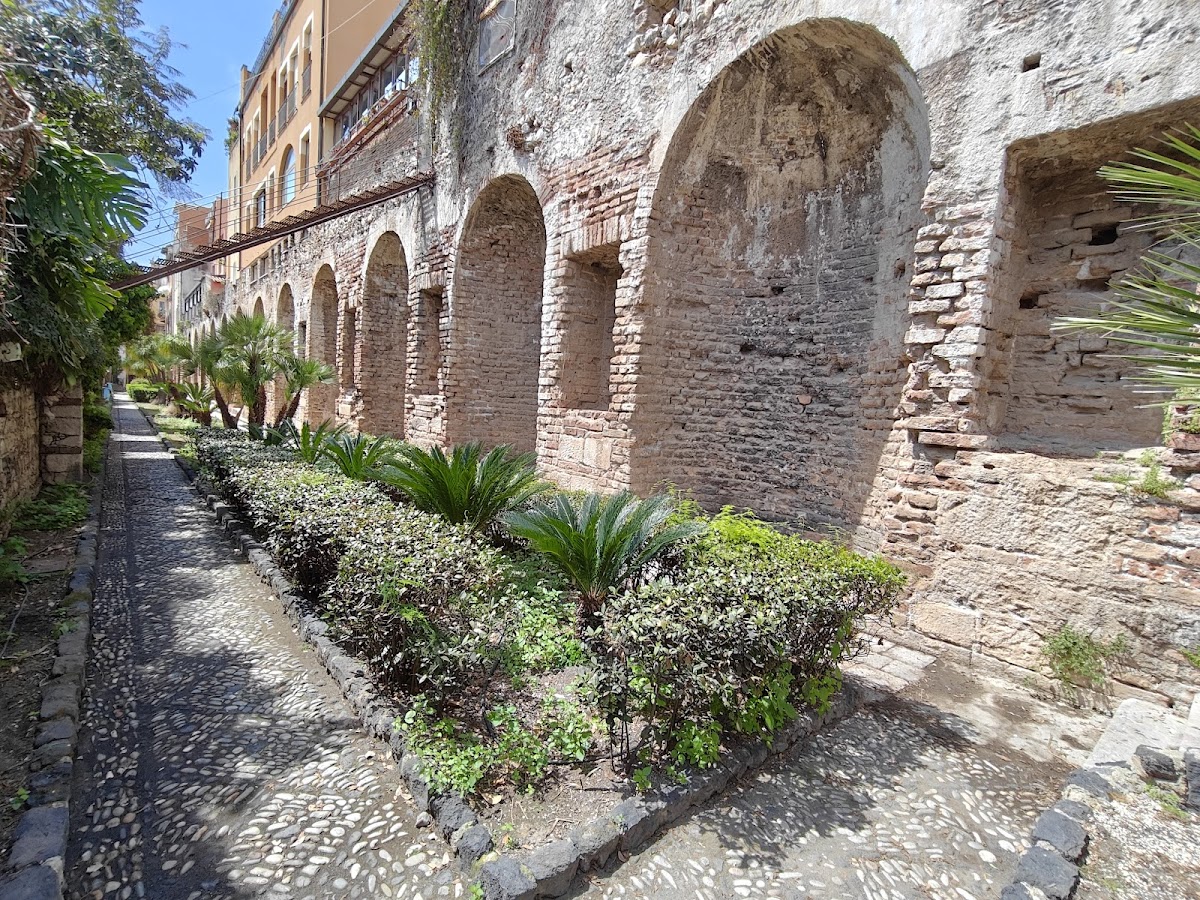
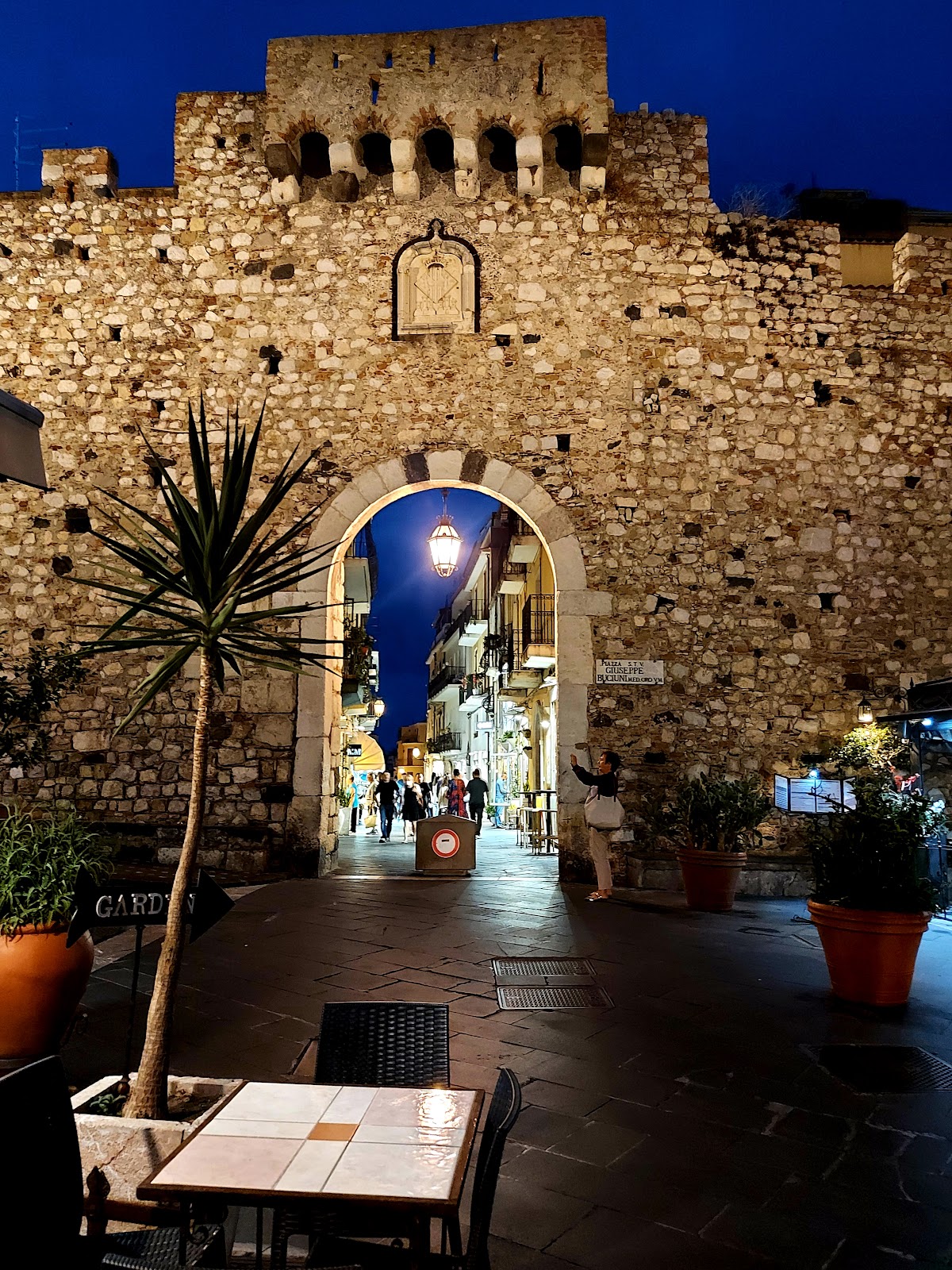
Taormina was founded by Greeks from Naxos in 394 BCE and became a centre of extraordinary importance until Saracen invasions in the 9th century. The Greek Theatre remains one of the Mediterranean's most fascinating monuments, witness to two thousand years of history. Local legend tells of the giant Polyphemus roaming these coasts, while the myth of Colapesce—a young fisherman transformed into a fish-man—still lives in Syracusan folk memory. During the Middle Ages, Norman conquest transformed the region: Castello di Mola still dominates Taormina as a symbol of feudal power. Coastal communities developed a fascinating culture between the mystical (Holy Week processions, still solemn today) and the secular (patron saint festivals overflowing with devotion and folklore).
What to Eat
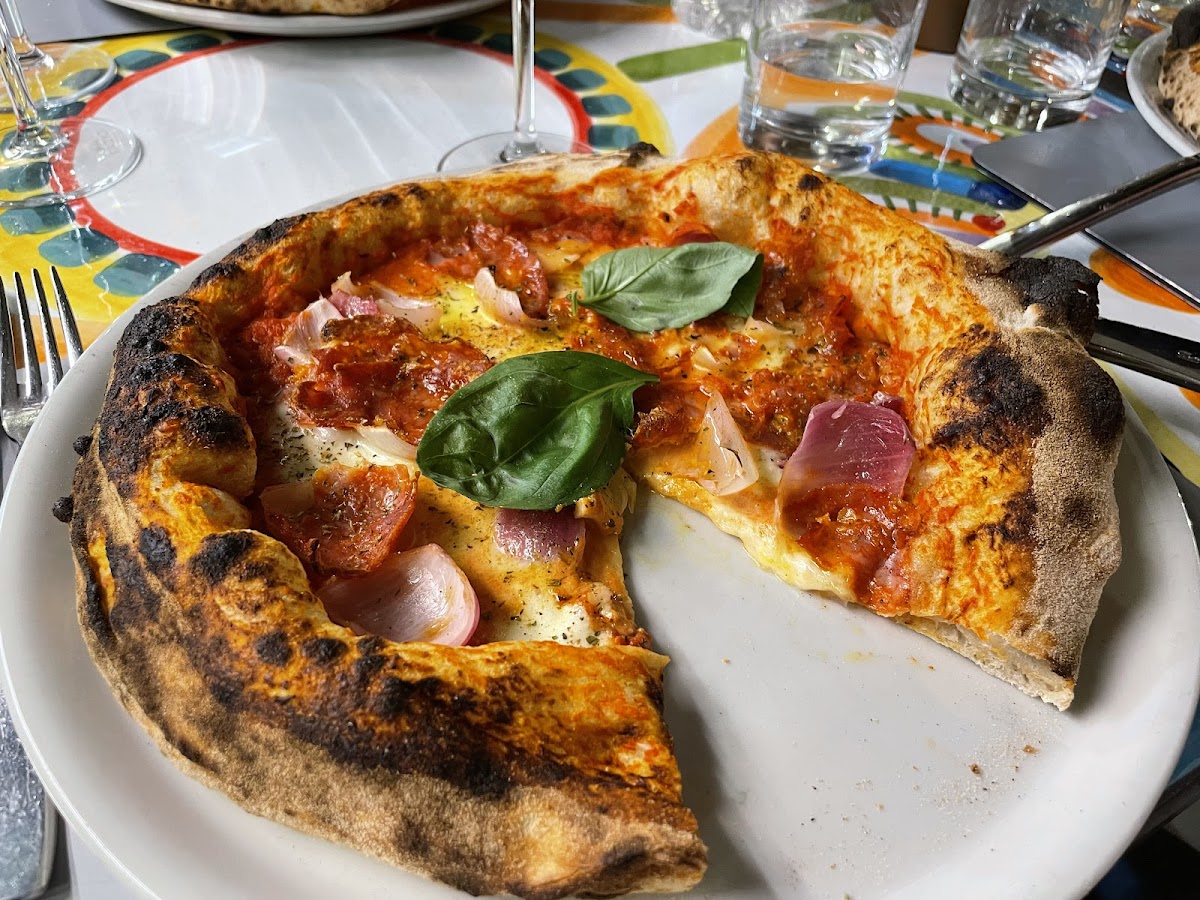
The table of the Ionian Coast celebrates the perfect marriage of sea and land. Sicilian Arancini reach unique forms and fillings here, often with ragù and Melilli DOP eggplant. Pasta alla Norma, born in Catania but prepared here with San Marzano DOP tomatoes, is a sensory experience. Fresh sardines, sea bream and sea urchins dominate coastal menus, often served simply grilled. Podolica Caciocavallo from Val di Noto DOP, smoked over wood fires, is a cheese that speaks of pastures and tradition. Sicilian pistachio granita from Bronte DOP, consumed for breakfast with brioche, is an inviolable ritual. Toasted almonds and coffee granita complete the authentic culinary experience.
What to Drink
Etna DOC wines dominate this wild and fascinating wine region. Nerello Mascalese, characterized by volcanic minerality and cherry notes, represent local red excellence. White Carricante and Catarratto varieties, fresh and savoury, ideally accompany fish dishes. Etna Rosso Riserva DOCG offers complexity and aging worthy of great tables. Don't miss wines from indigenous varieties like Nerello Cappuccio and Minnella, discovered by few wine tourists. Sicilian Amaro, with its mountain herbs, is the perfect digestif at sunset over the sea. Almond Granita accompanies memorable breakfasts, while Nero d'Avola offers robustness to dinners under the stars.
When to Visit
April-May represent the ideal time: almond trees still bloom, spring festivals animate villages. San Giorgio feast in Modica (May) and Catania's Baroque Corteo (May) are unmissable. Summer (June-August) is hot but perfect for the sea; July hosts Taormina's Greek Festival, with performances in the Ancient Theatre. September-October offer uncrowded beaches and vendages in Etna vineyards. Holy Week (March-April) with Messina processions is mystical and solemn. Avoid August if seeking tranquility: coasts get crowded. December-February remain green but rainy, ideal for those loving solitude and reduced costs.
Places Worth Visiting
The Greek Theatre of Taormina (4th century BCE) remains the pulsing heart: seated between sea and mountain, it offers unmatched views and hosts the International Festival. Giardini-Naxos, Sicily's first Greek settlement (735 BCE), offers golden beaches and the archaeological museum telling the origins. Castelmola, perched at 400 metres, guards the Church of San Giorgio and vertiginous panoramas; here you taste granita and fresh almonds. Letojanni, authentic fishing village, offers beach taverns where you taste freshly caught fish under the stars. Sant'Alessio Siculo, less touristy, maintains authenticity with its historic tuna fisheries.
Practical tips
Rent a boat in Giardini-Naxos and discover the coast's hidden marine grottoes: Grotta Azzurra and Grotta dei Bianchi are accessible only by sea and offer unforgettable experiences.
Visit Etna wineries in Viagrande or Sant'Alfio: historic cellars produce excellent Nerello Mascalese and often include tastings overlooking smoking Mount Etna.
Walk the coastal path Taormina-Giardini at sunset: three kilometres through Mediterranean scrub, cliffs and secret beaches, with the sun sinking into the Tyrrhenian Sea.
Plan your trip
Personalised day-by-day itinerary in 5 minutes — restaurants, hotels, live events.
Plan now