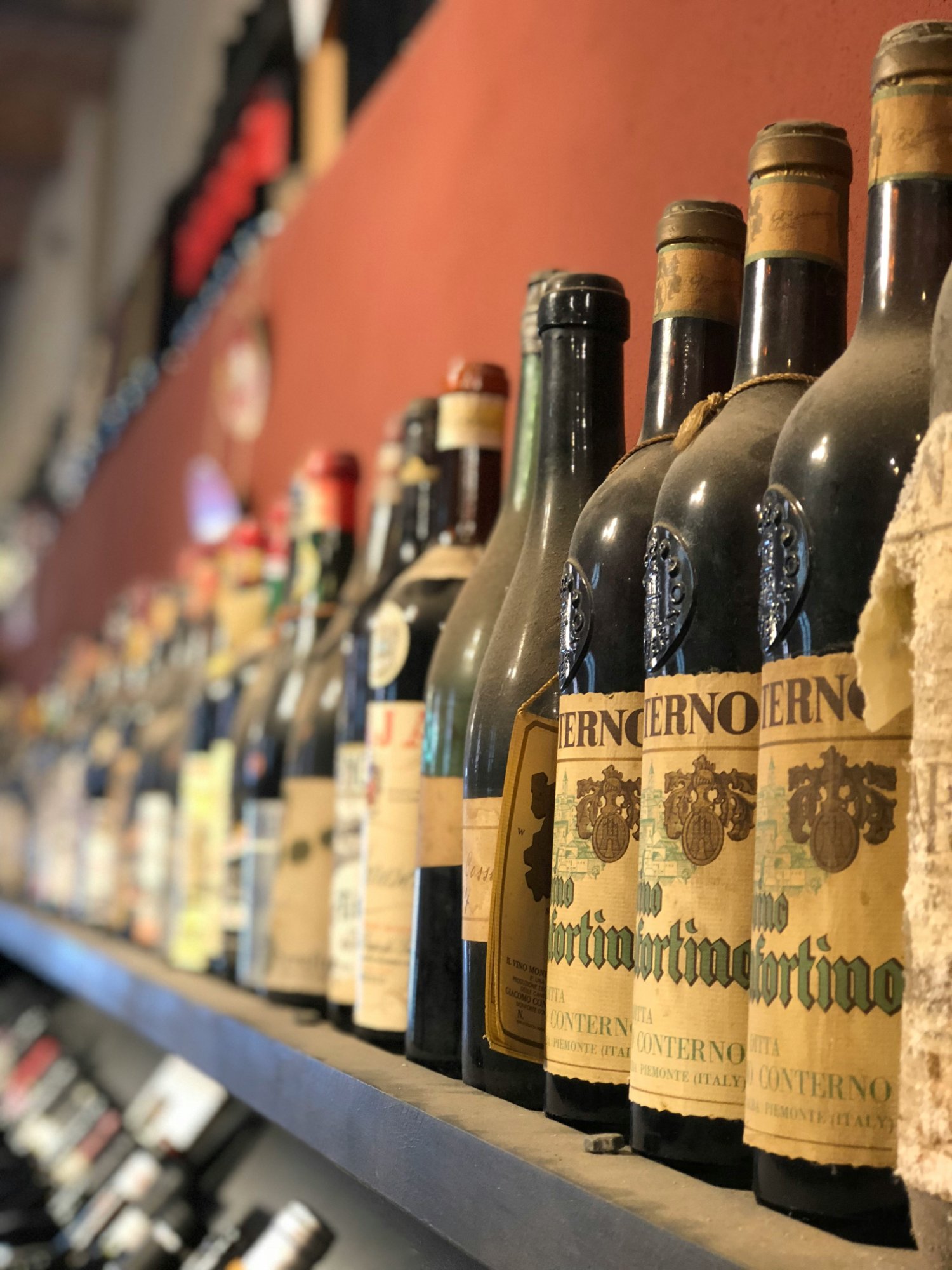
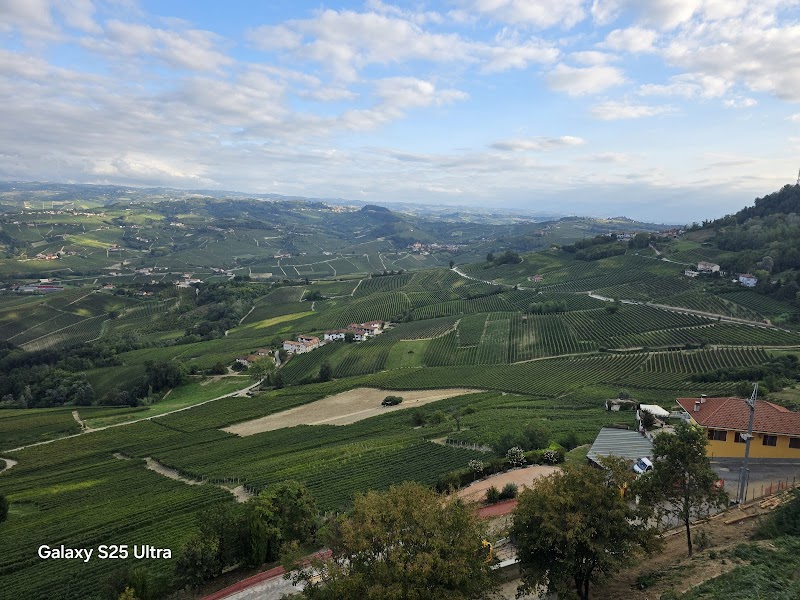
The Langhe hills are where Barolo is born — what Cavour called the king of Italian wines, a Nebbiolo aged at least 62 months in seven villages south of Alba. But reducing the Langhe to wine is a mistake. The same hills that produce Barolo and Barbaresco grow the world's most prized white truffle and the Tonda Gentile hazelnut that Ferrero buys in its entirety, and sustain a peasant cooking tradition spanning morning-made pasta in small trattorias and one of Europe's densest concentrations of Michelin stars. UNESCO-listed in 2014 not just for wine but for the civilisation built around it. This is the operational guide.
Alba: the Starting Point
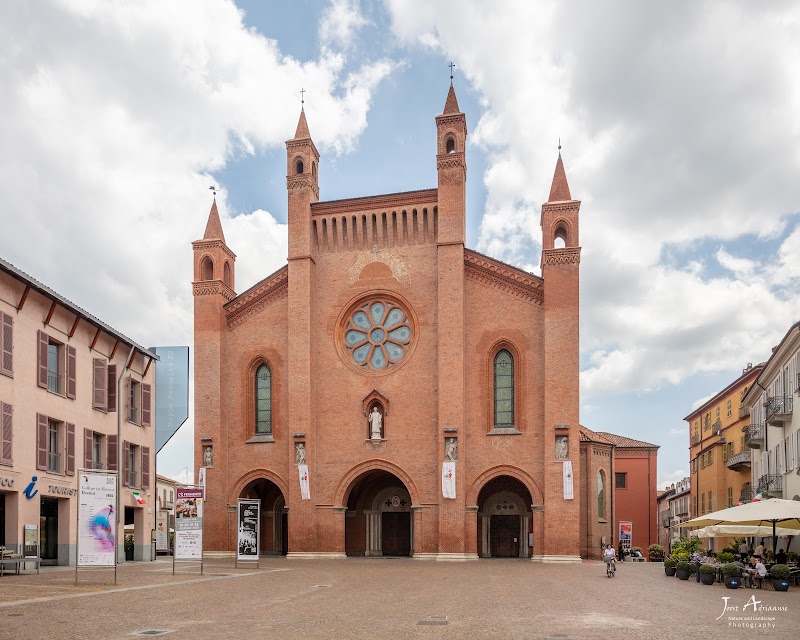
Alba (CN) is the Langhe capital — 32,000 inhabitants, 100 medieval towers of which 21 still stand, and a concentration of wine shops, truffle dealers and Michelin-starred restaurants per block that embarrasses much larger cities. Getting there: 60km from Turin by car (A6 motorway, 55 minutes); or train to Bra (40 minutes, €5.50) then regional bus to Alba (20 minutes, €2.20). Weekend bus schedules are reduced. Parking: Piazzale Medford (5 minutes' walk, free). The centre covers itself on foot in 30 minutes: Via Vittorio Emanuele with medieval arcades, Cathedral of San Lorenzo (11th century, Gothic facade 1486), noble towers. Saturday morning market at Piazza San Francesco — mountain cheeses, salumi, hazelnuts, truffles in season.
The Barolo Route: Barolo, La Morra, Serralunga
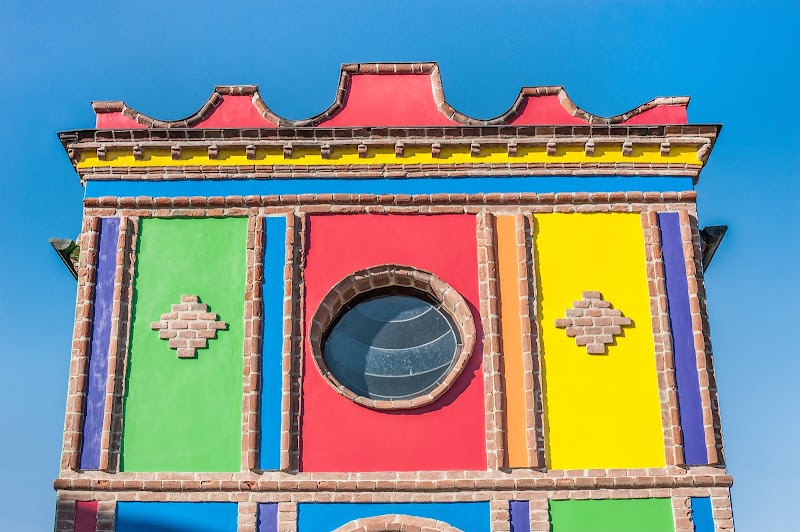
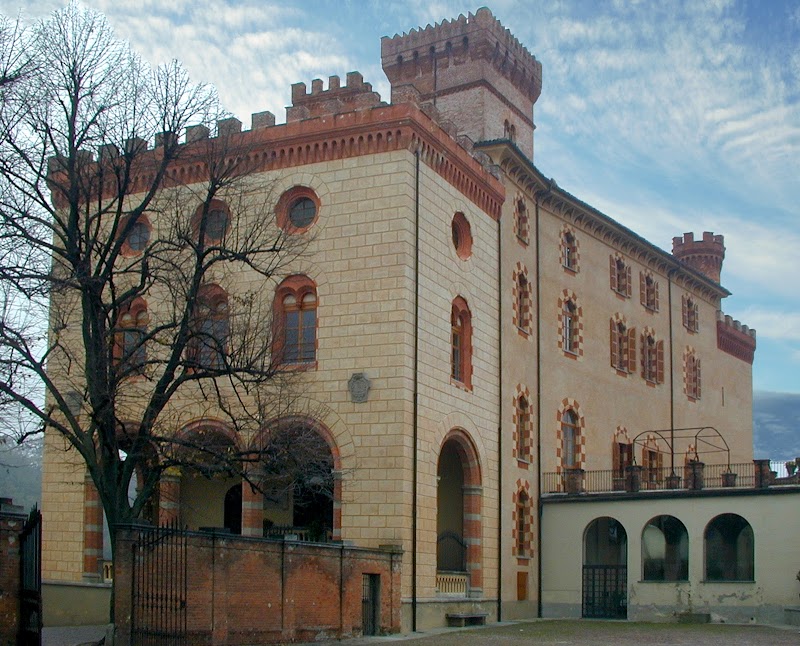
The SP3 from Alba toward Barolo is the territory's main axis — 14km through classified vineyards: Cannubi, Brunate, Cerequio, Rocche di Castiglione. Barolo village (400 inhabitants) houses WiMu — Museo del Vino at Castello Falletti (10:30am-6:30pm, closed Tuesday, €12 adults): one of the world's best wine museums. Allow 90 minutes. Enoteca Regionale del Barolo (in the castle, 10am-12:30pm and 3-7pm, closed Tuesday) — over 60 producers' wines by the glass at €3-8 per pour. La Morra (5km from Barolo) has the Belvedere: finest panoramic view over the Langhe and Alps, always free. Cappella del Barolo (Brunate vineyard, 500m from La Morra): 17th-century chapel decorated in 1999 by Sol LeWitt and David Tremlett — free, always open. Serralunga d'Alba (6km): 1340 castle in single-block construction, best-preserved in the Langhe, visit €6.
Barbaresco and Neive
Barbaresco is 15km from Alba. Barbaresco DOCG uses the same grape as Barolo but ages less (26 months minimum, 9 in wood) — generally more elegant and less tannic. Enoteca Regionale del Barbaresco (deconsecrated church of San Donato, Via Torino 8/a, 9:30am-1pm and 2-6pm, closed Wednesday): 30+ producers at €3-6 per glass. Gaja does not accept walk-in visits. Neive (8km from Barbaresco): one of Italy's officially designated most beautiful villages. 12th-century octagonal tower, 18th-century Palazzo del Municipio, Via Cocito with brick facades. The land of four wines: Barbaresco, Barbera, Dolcetto and Moscato d'Asti all produced within the commune.
How to Do Wine Tastings
Most family estates accept walk-in visitors during opening hours (9am-noon and 2-5pm, often closed Saturday afternoon and Sunday) — calling ahead is polite. Standard tasting: €10-20 per person for three to four pours, often with local cheese and salumi. Large commercial estates offer multilingual tours by booking but are less intimate. For the best experience: producers with fewer than 50,000 bottles per year. Basic Barolo at the estate: €20-40; single-vineyard MGA wines: €35-80; Riserva over ten years: €80-200. Restaurant Barolo runs double the estate price. Dolcetto d'Alba and Langhe Nebbiolo at €10-18 per bottle — excellent without the name markup.
When to Go
Autumn (September-November): peak beauty and peak crowds. Harvest from mid-September (Dolcetto) to late October-November (Nebbiolo). Postcard vine colours. October-November: Alba White Truffle Fair every Saturday and Sunday — prices at maximum, restaurants fully booked three weeks out, but unrepeatable. Spring (April-June): least-visited with the same beauty — villages nearly empty, agriturismo prices 30-40% lower. Summer: hot in the plain, manageable on the hills; August nearly deserted as producers holiday. Winter: fog, cantinaes by appointment only — ideal for authentic experience without crowds.
Practical tips
Never drive after serious tastings — use local taxis. Langhe roads are narrow and drink-driving penalties are severe
WiMu in Barolo is worth 90 minutes and every euro — among the world's best wine museums. Closed Tuesday
Book restaurants in Neive and Barolo at least a week ahead for October-November weekends — without a booking you may not eat
The Cappella del Barolo (Brunate vineyard, La Morra) is free, always open, and one of the region's most beautiful art installations — do not miss it
Dolcetto d'Alba and Langhe Nebbiolo: €10-18 at the estate, excellent quality, without the Barolo name markup — ideal for restaurants
Plan your trip
Personalised day-by-day itinerary in 5 minutes — restaurants, hotels, live events.
Plan now