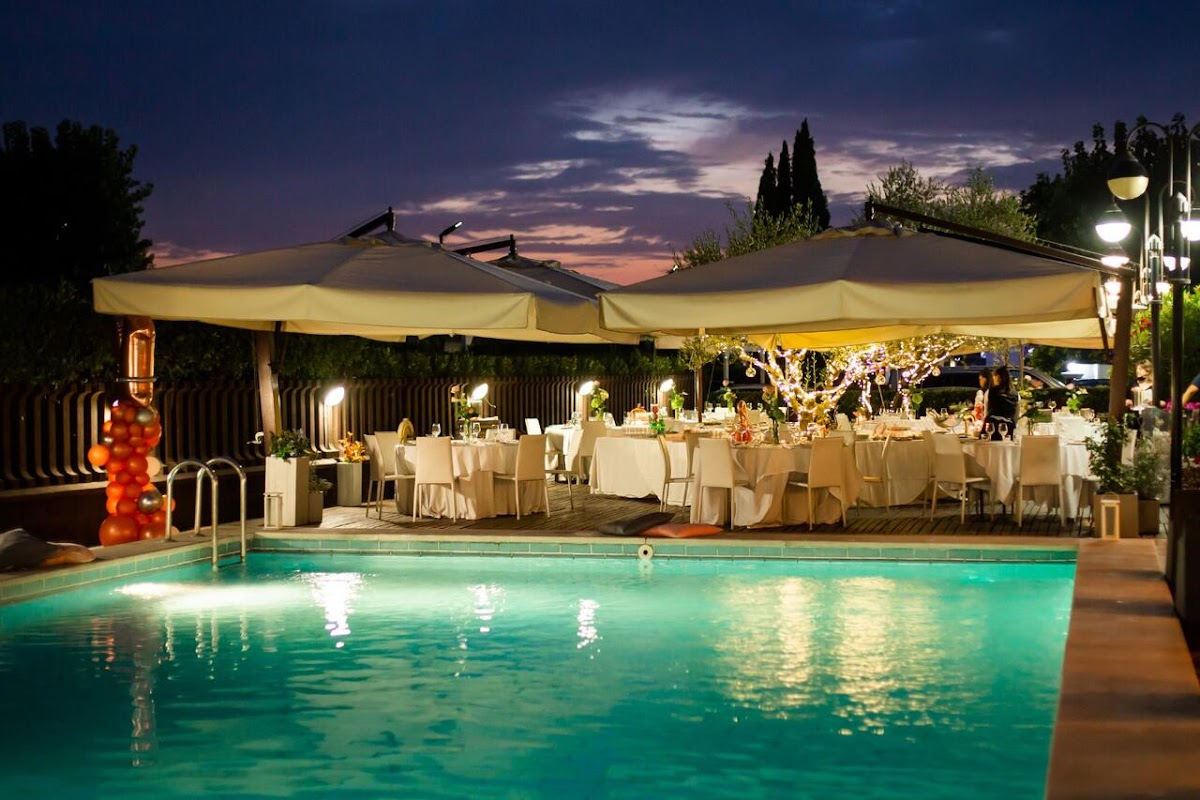
Lazio is far more than Rome. Beyond the Imperial Fora and Vatican lies a region of fascinating contrasts: the Roman countryside where archaeology emerges beneath millennia-old olive groves, the volcanic lakes of Tuscia, the century-old beech forests of Monte Cimino. This guided weekend traverses two souls: the historical density of the Capital, where every palazzo narrates centuries of power, and rural Tuscia, where medieval villages near Viterbo, Orvieto, and Civita di Bagnoregio preserve intact authenticity. You'll discover how Roman cuisine—carciofi alla romana, pasta alla carbonara, cacio e pepe—represents culinary philosophy, not mere tradition. You'll learn secret countryside trails through expert guides and experience the thermal wellness of Viterbo's mineral waters. This is no consumerist tour: it's an immersion in two different tempos of the same territory.

Arrive and First Impressions: Rome's Historic Center
Rome strikes with density: every alley in Rione Regola narrates a thousand years, from medieval walls to Renaissance palazzi. Choose your cardinal direction. Arriving from Fiumicino, take the Leonardo Express (€14, 32 minutes) to Termini, then Metro A to Barberini. From Ciampino, Terravision bus (€4, 40 minutes). Distribute your time: dedicate Friday evening to Trastevere, the most atmospheric quarter, where osterias along Via della Lungaretta overflow with tourists and Romans, often mischaracterized as authentic. Prefer Salita dei Crescenzi, where restaurants like Hostaria Romana preserve four generations of Lazio recipes: carciofi alla romana, sautéed over high heat with garlic and mint, and polpette al ragù. Visit Palazzo Barberini at the Gallerie Nazionali di Arte Antica (hours 8:30–19:00, closed Mondays, €12), where Caravaggio and Guido Reni dominate Baroque rooms. Sunset from the Barberini terrace toward domes and bell towers defines Rome: it is not a monument, it is atmosphere itself.

Morning: Masterpieces of Imperial and Renaissance Rome
Start early: Vatican Museums open at 9:00 (last entry 16:00, €19, book online). The Sistine Chapel merits the time—Michelangelo's ceiling does not disappoint, though crowds of tourists are constant. Allocate minimum three hours. Exit St. Peter's Basilica (free, though numbers are controlled), turn around and witness Bernini's piazza's perspective effect—pure geometry serving papal power. Afternoon: secure a table at Osteria da Fortunata on Via del Pellegrino (reservation mandatory months ahead, tasting menu €85). Here hand-pulled fresh pasta represents the simplicity of Roman tradition: tonnarelli cacio e pepe, ricotta and spinach ravioli, pappardelle with porcini mushrooms. The Imperial Fora merit a walk parallel to Via dei Fori Imperiali, where the Colosseum emerges among ruins like a ghost of power. Don't expect intimacy: Rome has 2.8 million inhabitants; crowding is permanent condition. Sleep in Monti district, near metro A, steps from archaeological layers.

Food and Aperitivo: Eating Like a Roman
Roman cuisine is not experimental: it is ideology. Four dishes found culinary ethics: cacio e pepe (pecorino romano, black pepper, pasta—nothing else), carbonara (smoked guanciale, egg yolks, pecorino, pepper), carciofi alla romana (Roman violet artichokes, garlic, mint, braised in pan), and amatriciana (guanciale, San Marzano tomatoes, pecorino, chili pepper). Don't seek sophistication: seek simplicity executed perfectly. Hostaria Romana (Via del Boccaccio, reservation advised) offers four generations of authentic recipes—their polpette al ragù are spheres of pure umami. If you crave contrast with Rome, don't visit Viterbo Saturday evening; go Saturday morning: visit Il Cantuccio di Maria (Via Saffi 26, tel 0761-340-556), where ricotta ravioli and polenta viterbese are peasant art. Il Richiastro reinterprets Tuscan dishes with traditionalist firmness—pappardelle al ragù d'anatra is regional masterpiece. Don't order cheap Roman wine: order Castelli Romani wine, the volcanic hills where Frascati and Marino grow—mineral whites, fresh, precise as Palladian geometry.

Day Two: Volcanic Forests and Medieval Villages of Tuscia
Sunday morning: leave Rome for Viterbo (Trenitalia train from Termini, 2 hours, €15). Stay at Best Western Hotel Viterbo, in the heart of the City of the Popes, steps from medieval monuments—Piazza San Lorenzo, papal palace, lavic stone walls. Quick breakfast, then head to Faggeta Vetusta del Monte Cimino (30 minutes drive), one of Europe's oldest beech forests: trees are 800–900 years old, creating absolute green corridors where silence is tangible. Book with Escursioni del Sam or Trekking Roma for expert guides of Lazio countryside—they know every trail, every microhabitat. Afternoon: hike the Cammino dei Tre Villaggi, connecting medieval villages across rural Tuscia landscapes: intact peasant architecture, isolated Romanesque churches, olive terrace cultivation. Close with Osteria Tanta Robba in Viterbo, where seasonal garden vegetables and hand-made fresh pasta celebrate Tuscia's agricultural wealth. Sunday evening: visit Tuscia Terme, Viterbo's mineral thermal waters—therapeutic baths in Orto Botanico Angelo Rambelli, where unique volcanic flora adapted to thermal waters narrates local geology.
Practical tips
Reserve Osteria da Fortunata at least 2–3 months ahead (phone 06-6880-6973): impossible to enter without reservation, and it represents the pinnacle of Roman tradition.
Avoid Saturday and Sunday mornings at Vatican Museums: book online entry for Friday, when crowds are still manageable.
Rome has Metro A (red line) and Bus 44 (circumferential): download MyCicero app for daily tickets (€7) and hassle-free passes.
Monte Cimino and Faggeta Vetusta require sturdy hiking boots and 3–4 hours: depart early morning; local guides like Escursioni del Sam know hidden trails.
Castelli Romani (Frascati, Marino, Velletri) produce mineral white wines perfect with Lazio cuisine: order a dry Frascati Superiore in restaurants—costs €18–24 and elevates every dish.
Plan your trip
Personalised day-by-day itinerary in 5 minutes — restaurants, hotels, live events.
Plan now