Rome is the city with the greatest historical stratification in the world — 28 centuries of history in 1,285 km². Three millennia of architecture overlap: the Roman forum next to medieval churches next to Renaissance palaces next to Fascist districts next to contemporary architecture. Rome cannot be visited in 2-3 days — a selection must be made. In 5 days the absolute priorities can be covered without rushing. Fiumicino airport (FCO) is connected to Termini by the Leonardo Express (€14, 32 min, every 15 min). Ciampino airport (CIA) has Terravision buses to Termini (€6, 40 min). Rome's metro has only two lines (A and B) crossing at Termini — many sites are more easily reached on foot or by bus. The historic centre ZTL is active — avoid cars.
Roman Forum, Colosseum and Palatine
The combined Colosseum + Roman Forum + Palatine ticket (€18, online booking mandatory in summer — the queue without booking is 2-4 hours) covers the ancient world's most important complex. The Colosseum (72-80 AD, 50,000 spectators, 80 entrances) is Rome's symbol — also visit the arena (€5 extra) which reconstructs the surface where gladiators fought. The Roman Forum is the central square of the Roman Empire for 1,000 years — the Temple of Saturn, Via Sacra, Arch of Septimius Severus, Basilica of Maxentius. The Palatine is the hill where Rome was born (753 BC according to tradition) and where emperors lived — the frescoes of the House of Augustus (included in the ticket, separate mandatory booking) are among the most precious in the entire Roman world. The Mouth of Truth (Santa Maria in Cosmedin, free) and the Imperial Fora (Trajan, Augustus, Nerva, Vespasian) complete the route.
Vatican: Museums, Sistine Chapel and Basilica
The Vatican Museums (€20 online, €17 without audioguide, booking mandatory — the queue without booking is 3-5 hours) are the world's most visited museum with the Sistine Chapel: 54 rooms connected by 7km of corridors culminating in the Sistine Chapel (Michelangelo's Last Judgement 1536-41 on the altar wall, the ceiling 1508-12 with the Creation of Adam). St Peter's Basilica (free) is the world's largest church — 187m long, Michelangelo's Pietà (1499, right chapel at entrance), Michelangelo's Dome (€8 on foot or €10 by lift, view over Rome). The Vatican Tombs under the Basilica (€13, mandatory booking, guided tour) allow descending under St Peter's to the apostle's tomb. Castel Sant'Angelo (€15, ex mausoleum of Hadrian 139 AD, then papal fortress) is connected to the Vatican by the Passetto di Borgo — the secret corridor used by fleeing popes.
Pantheon, Piazzas and Trastevere
The Pantheon (€5, online booking — free the third Wednesday of the month) is the world's best-preserved ancient building — built in 125 AD by Emperor Hadrian, the concrete dome (43.3m diameter, the 9m open oculus) is the prototype for every dome built in the following 2,000 years. Piazza Navona (free) is the former 1st-century AD stadium of Domitian — Bernini's Fountain of the Four Rivers (1651) is the square's sculptural masterpiece. Trevi Fountain (throw the coin with your right hand looking the other way — the legend only works this way) is beautiful at dawn, maximally crowded in the evening. The Jewish Ghetto (Europe's oldest after Venice) and Campo de' Fiori (the morning market) are the most vibrant neighbourhoods. Trastevere (Rione XIII) is the most 'authentic' remaining Roman neighbourhood — San Francesco a Ripa, Santa Cecilia in Trastevere, evening life in the osterie.
Roman Cuisine: Cacio e Pepe, Coda alla Vaccinara and Supplì
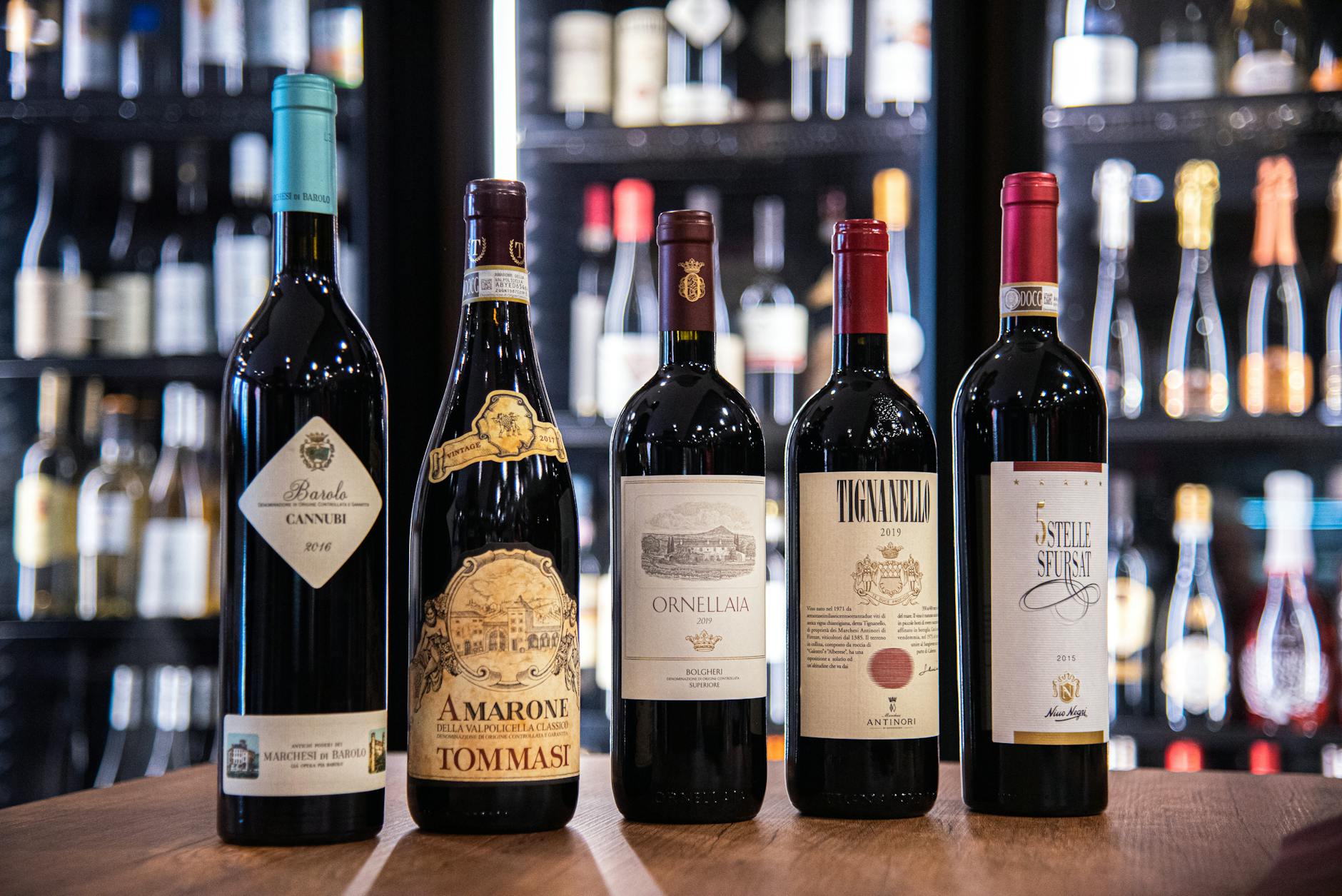
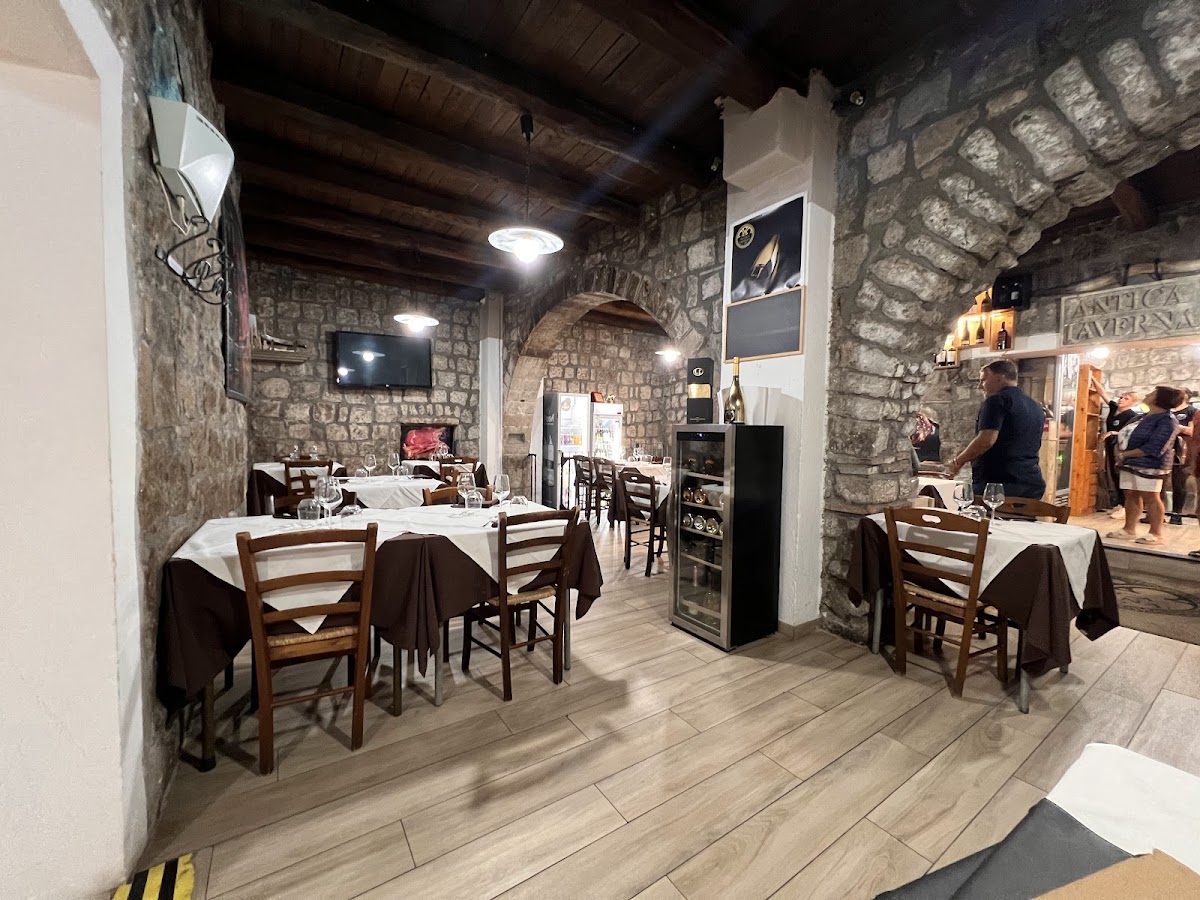
Roman cuisine is elevated poor cooking — recipes from popular neighbourhoods (Trastevere, Testaccio, the Ghetto) that became identity dishes. The fundamental dishes: cacio e pepe (pasta with only Pecorino Romano and black pepper — seems simple, extremely difficult to make well), carbonara (egg, guanciale, pecorino, pepper — no cream, ever), amatriciana (guanciale, tomato, pecorino), gricia (guanciale and pecorino, without tomato — the oldest). Testaccio is the butchers' neighbourhood — coda alla vaccinara (braised oxtail with tomato, celery, chocolate and pine nuts), rigatoni con la pajata (milk-fed calf intestine still containing the mother's milk, braised), trippa alla romana. Supplì (rice croquettes with ragù and stretchy mozzarella, fried) are eaten from Supplì Roma in Via di San Francesco a Ripa (the best) or Dar Filettaro a Santa Barbara. Lazio's wine is Malvasia dei Castelli Romani — fresh, light, affordable.
Practical tips
Book the Colosseum and Vatican Museums at least 2 weeks in advance in summer — they are Italy's two most booked sites
The Pantheon is free the third Wednesday of the month — check the date before leaving
Carbonara has no cream — ever. If they serve it with cream, change restaurant
Trastevere in the evening is beautiful but expensive — Testaccio osterie are more authentic and cheaper
Trevi Fountain is beautiful at dawn (empty) — in the evening it is almost unmanageable due to crowds